Creative · Beginner
Learn to design and style modern weddings from scratch
A practical online course in wedding decoration, with plenty of theory and even more practice, that you can follow at your own pace from any device.
- Self-paced video lessons
- Homework with tutor feedback
- Works on phone and computer
- Updated for 2026
- 14-day refund
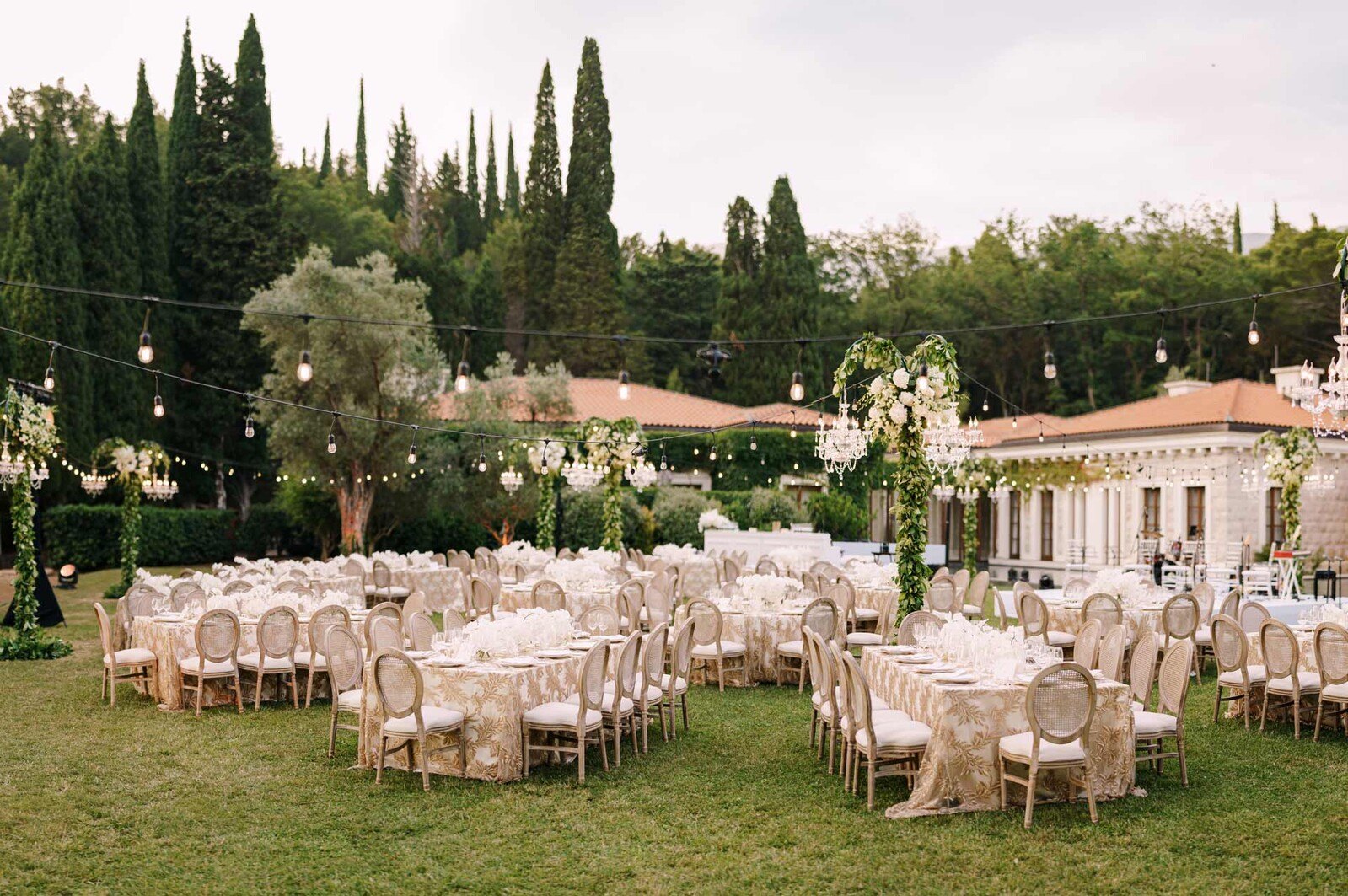
Why wedding decoration is harder than it looks
A beautiful wedding does not happen by accident. Behind every arch, table setting and lit-up garden is a decision about style, colour, budget, materials and timing. Many people who love flowers, fabrics and interiors start by copying pictures they find online, and then discover that a photo is not a plan.
The usual problems are familiar. A style that looked lovely on a mood board falls apart in a real venue. Quantities are guessed rather than calculated. A client cannot picture the result from your description, so the conversation stalls. Without a clear process, every project feels like starting over.
This course exists to give you that process. It follows the way a wedding decoration project actually unfolds, from the first conversation with a couple to the final installation, and it treats decoration as a craft with rules you can learn. There is a lot of theory, because good taste needs a vocabulary, and even more practice, because the only way to learn this work is to do it.
The programme has been refreshed for 2026, so the examples and approaches reflect how modern weddings are styled today rather than what was fashionable a decade ago.
What you will be able to do
- Develop a wedding concept from a couple's story
Turn a brief and a few preferences into a coherent idea.
- Build mood boards and colour palettes that work
Choose combinations that look balanced in real light.
- Plan the layout of a ceremony and banquet space
Place zones, tables and focal points so the venue works for guests.
- Select materials, textiles and structures
Match fabrics, arches, candles and greenery to style and budget.
- Present your idea clearly to a client
Use sketches and visual presentations instead of long explanations.
- Prepare an estimate and a realistic schedule
Count quantities, plan purchases and set a timeline.
- Organise installation day with a team
Sequence the setup, brief helpers and handle surprises on site.
- Assemble a portfolio from your own practice work
Document your homework projects so you have something to show.
- 6
- modules
- 24
- lessons
- 2026
- year of the latest update
- 24/7
- self-paced access
Learning by doing, not only by watching
Each module combines explanation with an exercise. You learn a principle, see it applied in examples, and then use it in a homework task that mirrors real work: drafting a concept, arranging a layout, choosing materials for a given budget.
Your homework is reviewed by a tutor, who answers questions and gives practical advice. That feedback loop is what turns watching into skill, because you see what works in your own attempt and what to change next time.
- Concept and mood board exercises
- Layout planning for different venue types
- Material and budget selection tasks
- Presentation of an idea as if for a client
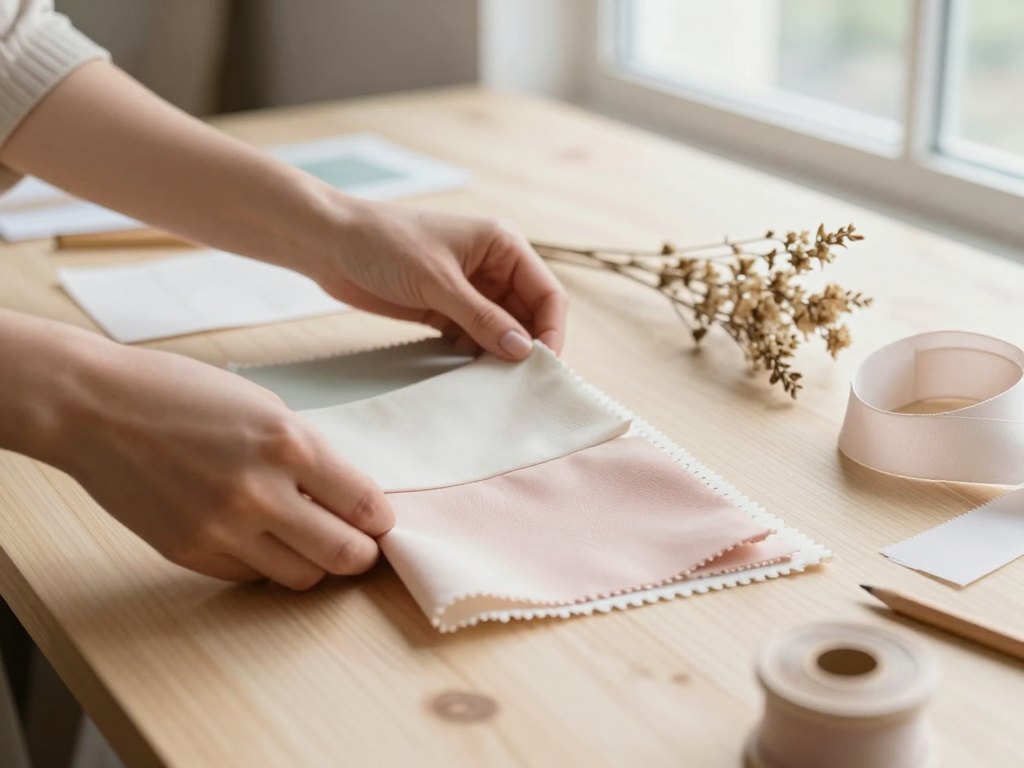
How the course works
The lessons are recorded and gathered in your personal account. After payment you can begin straight away and study whenever it suits you: early in the morning, in the evening or on weekends. There is no timetable to keep up with and no live session you might miss.
Lessons are accompanied by illustrated presentations and thematic video examples, so you see ideas in context rather than only hearing about them. You can follow the course on a computer or through a mobile learning app, where you can watch lessons, submit assignments and message your tutors.
Tutors check your homework and respond to questions throughout your studies. Most learners work through a module at a steady weekly rhythm, but you can move faster or slower depending on your schedule and how much you want to practise.
The programme
Six modules take you from the basics of the profession to a finished portfolio piece.
1Module 1 — The profession of wedding decoratorWhat the work involves and how a project begins.4 lessons
- What a wedding decorator actually does
- Where decoration fits into the wedding day
- Talking with a couple and capturing the brief
- Building your visual vocabulary of styles
2Module 2 — Concepts and styleFrom a story and a mood to a coherent idea.4 lessons
- Reading current wedding trends
- Creating a mood board that tells a story
- Choosing colour palettes and accents
- Turning a couple's story into a concept
3Module 3 — Venues and layoutsMaking the space work for guests and for photographs.4 lessons
- Surveying a venue and its limits
- Planning the ceremony zone
- Arranging the banquet hall and tables
- Photo zones, lighting and focal points
4Module 4 — Materials and decor elementsWhat to use, how much, and how it behaves.4 lessons
- Textiles and fabrics for wedding styling
- Arches, backdrops and structures
- Flowers and greenery as part of decor
- Candles, lighting and small details
5Module 5 — Presenting and budgetingShowing your idea and putting numbers behind it.4 lessons
- Presenting an idea visually to a client
- Counting quantities and preparing an estimate
- Working with suppliers and contractors
- Setting a timeline for preparation
6Module 6 — Installation and portfolioDelivering on the day and showing your work.4 lessons
- Planning the installation day step by step
- Briefing and coordinating a small team
- Dismantling and handling problems on site
- Photographing and presenting your portfolio
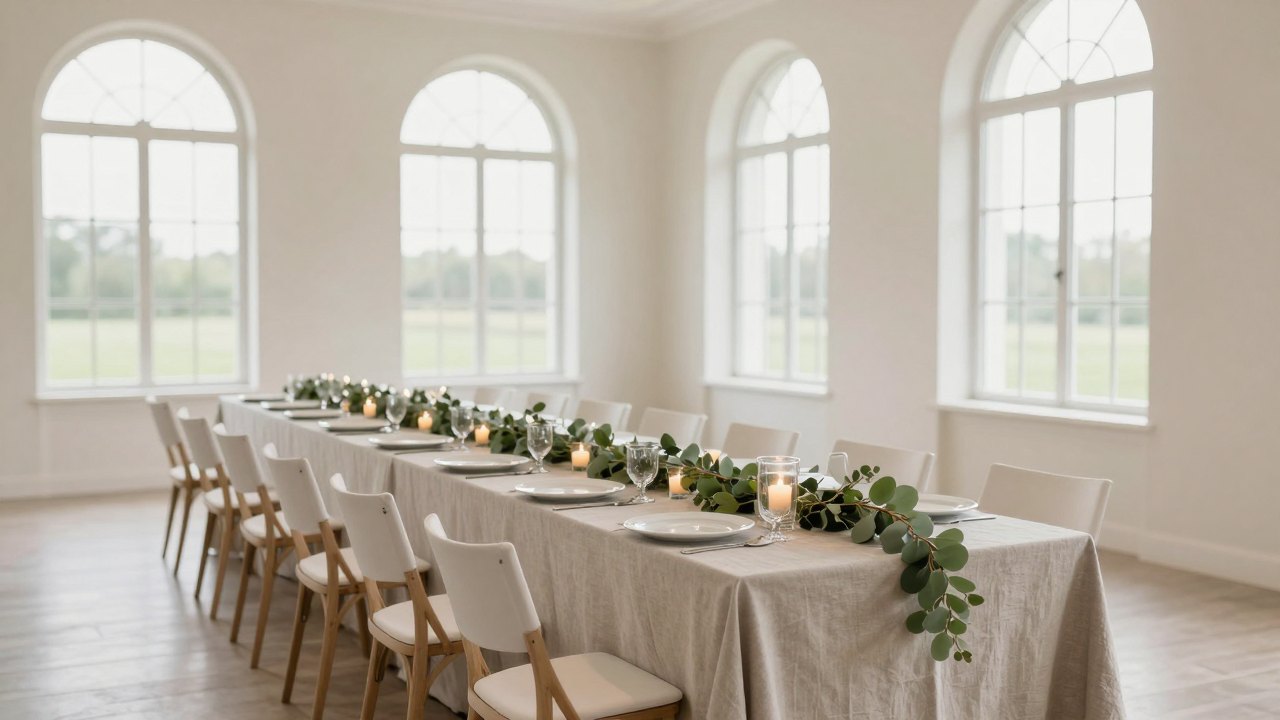
What you get
- Recorded video lessons
Illustrated with presentations and thematic video material.
- Homework assignments
Practical tasks that reflect real decoration projects.
- Tutor feedback
Your assignments are reviewed and your questions answered.
- Study at your own pace
No fixed schedule; start immediately after payment.
- Mobile and desktop access
Watch, submit tasks and message tutors from your phone.
- Up-to-date content
The programme was refreshed in 2026.
- Lasting access
Return to the lessons whenever you start a new project.
Is this course for you?
This course is for you if…
- You love flowers, fabrics and interiors and want to work in wedding styling
- You already help with weddings or events and want a structured method
- You are a florist or planner who wants to add decoration to your skills
- You are planning your own wedding and want to understand how decoration is designed
- You prefer to study online, in your own time, with feedback on your work
Probably not a fit if…
- You are looking for a one-to-one coaching programme
- You want a short inspirational talk with no practice or homework
- You expect to take part in live in-person workshops
- You are hoping for a quick result without doing the exercises
After the course
When you finish, you will be able to approach a wedding as a designer: listen to a couple, develop a concept, test it against a real venue, choose materials and explain your plan with confidence. A project will no longer feel like a pile of pretty ideas but like a sequence of decisions you know how to make.
You will also have worked through practical assignments that can form the start of a portfolio, and you will have a clear picture of the steps from first meeting to dismantling. Whether you decorate for friends, add decoration to your existing wedding services or build a studio over time, you will have a framework to build on.
The lessons remain available, so you can come back to a module when you need it, for example to refresh your approach to layouts before a new venue visit or to revisit budgeting before sending an estimate.
Questions before you buy
How much time do I need per week?
It is up to you. Many learners set aside a few hours a week to watch a module and complete its homework, but because the course is self-paced you can go faster or slower.
Do I need any previous experience?
No. The course starts with the basics of the profession and builds step by step. A love of design and a willingness to practise are enough.
How does access work after payment?
After you pay, access to the lessons is opened in your personal account straight away, and you can begin studying immediately.
What is the refund policy?
You can request a full refund within 14 days of purchase if the course is not what you expected.
What format are the lessons in?
They are recorded video lessons with illustrated presentations and thematic video examples, supported by homework assignments.
Can I study from my phone?
Yes. You can watch lessons, complete assignments and message tutors from a mobile learning app as well as from a computer.
Will I get feedback on my work?
Yes. Tutors review your homework, answer questions and give practical advice during your studies.
Does the material stay available?
Yes. You can return to the lessons whenever you like, for example before starting a new project.
Start styling weddings with a clear method
Open the first lesson today and begin your first concept at your own pace.