Creative · Intermediate
Paint finished watercolour studies outdoors with confidence and a small kit
A practical video course on choosing a view, standing in the right place and completing studies from life with a minimal palette.
- Self-paced video lessons
- Minimal colour palette
- Studies for studio work
- 14-day refund policy
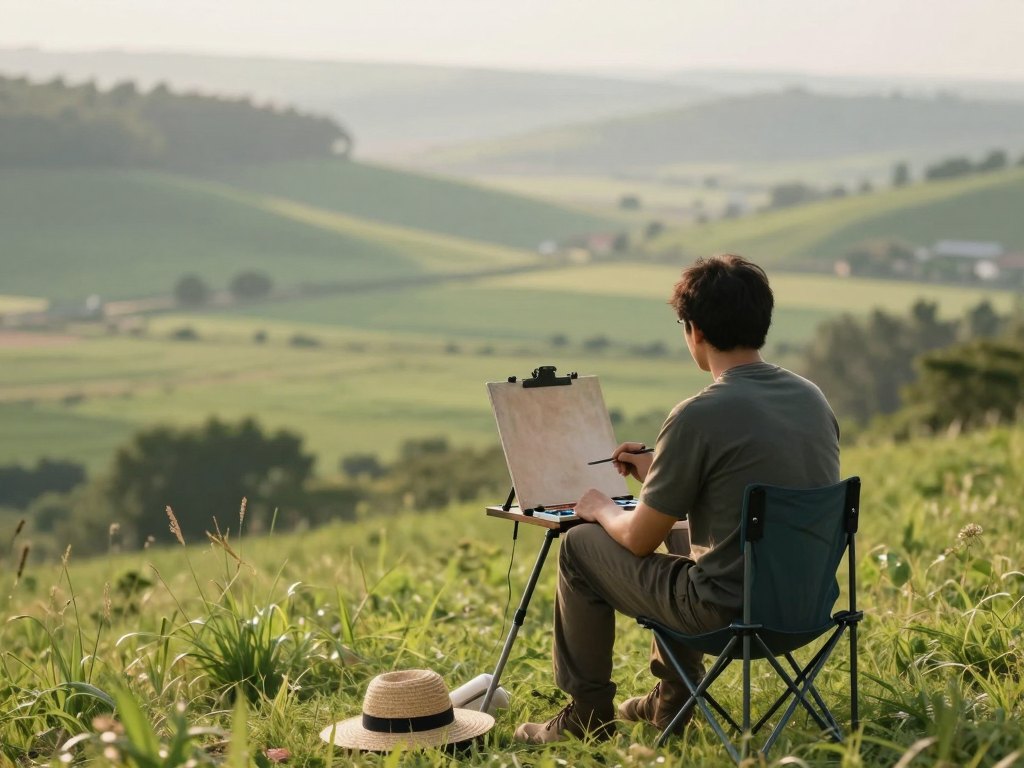
Why painting outdoors feels harder than it should
Many people who enjoy watercolour at home find that the picture changes the moment they step outside. The light moves, the view is far too big, the wind dries the paper at the wrong time, and a scene that looked beautiful from the path turns into a confusing mass of detail on the page.
The difficulty is rarely about talent. It is usually about a handful of decisions made before the first brushstroke: where to stop and look, how to stand or sit, what to carry, and how many colours you really need. When those choices are clear, painting outdoors becomes calm and enjoyable instead of rushed.
This course is built around those decisions. It looks at plein air as a skill with a clear order of steps, from picking an interesting point to finishing a study that can later be used as the basis of a larger studio painting.
You will work with a minimal palette, which keeps mixing simple and helps your studies look harmonious. The aim is not to copy a landscape but to capture its character quickly and honestly, and to leave the session with something complete.
What you will be able to do
- Choose a location worth painting
Recognise a view with a strong composition, interesting light and a clear main subject.
- Position yourself well
Decide where to stand or sit and how to arrange your equipment so you can work comfortably.
- Pack a sensible outdoor kit
Bring what you need and leave behind what only weighs you down.
- Work with a minimal palette
Mix a wide range of greens, greys and shadows from a small number of colours.
- Simplify a busy scene
Reduce a complicated view to a few shapes, tones and accents.
- Complete a study from start to finish
Move from first washes to final details and know when to stop.
- Use studies in studio work
Turn your outdoor sketches into reference for larger paintings at home.
- Build a regular outdoor practice
Plan short sessions that fit into your week and steadily improve your eye.
- 5
- modules
- 16
- video lessons
- 1
- minimal palette approach
- 14 days
- refund policy
The approach: less equipment, more looking
The course is based on the idea that a limited set of colours teaches you more than a full box of paints. With only a few pigments you quickly learn how colours relate to each other, how to build tone, and how to keep a study unified from corner to corner.
Each lesson shows the work as it happens: how a subject is observed, how the composition is decided, and how the painting develops layer by layer. You see the reasoning behind each choice, not only the result, so you can apply the same thinking to your own views.
The finished studies are not treated as the end point. They are working material, a record of light and structure that you can return to in the studio and develop into more considered paintings.
Throughout the lessons the emphasis stays on observation. Before any paint touches the paper you learn to look for the biggest shapes, the lightest and darkest areas and the single accent that gives the picture its character. This habit carries over to every subject you paint later.
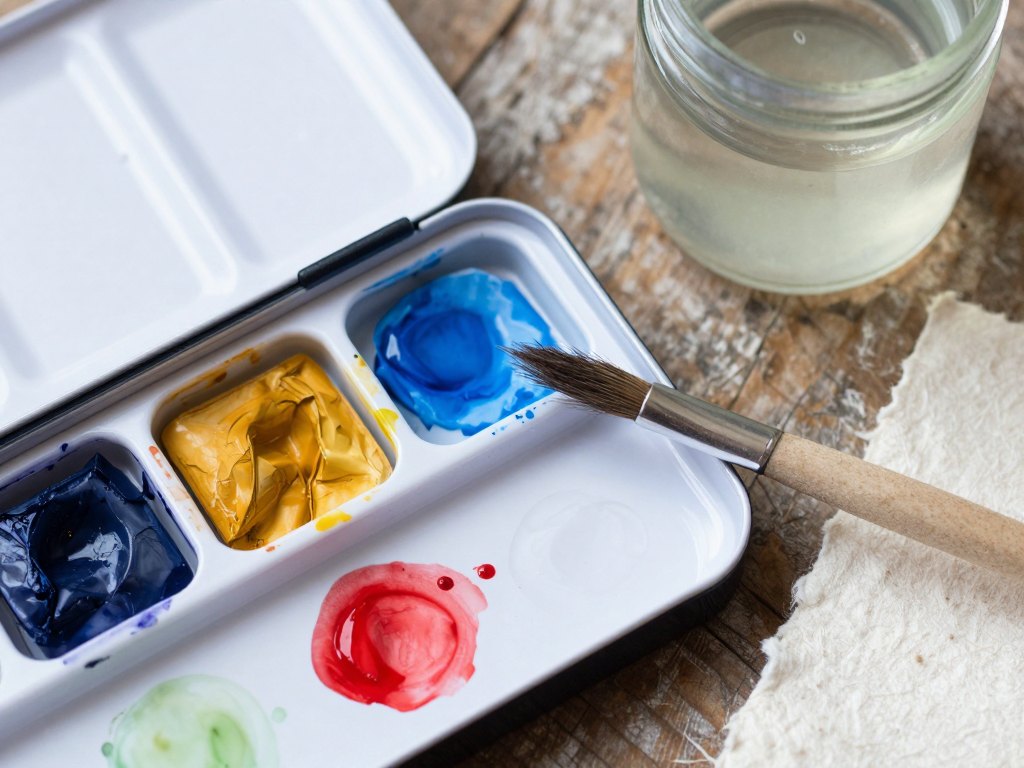
How the course works
The course is made of recorded video lessons that you watch on your own schedule. Lessons are grouped into five modules that follow the natural order of a day outdoors: preparation, colour, composition, painting and finally using what you have made.
You can watch a lesson first and then paint along, or pause the video and work step by step. Many students find it useful to watch a module once through, then go outside and apply it to a view near them. There are no fixed deadlines, so you can move as quickly or as slowly as your weeks allow.
The course is meant for people who have already begun working with watercolour. You do not need to be an expert, but it helps to be comfortable with basic washes and to own a simple set of paints, brushes and watercolour paper.
The programme
Five modules following the order of a plein air session, from preparation to studio work.
1Module 1 — Getting ready to paint outdoorsPreparation decisions that make the session easier before you start.3 lessons
- Choosing a location worth painting
- Where to stand and how to set up
- A light and practical outdoor kit
2Module 2 — A minimal paletteDoing more with fewer colours.3 lessons
- Selecting a small set of colours
- Mixing greens and greys from few pigments
- Testing colours on a swatch sheet
3Module 3 — Composition on siteTurning a large view into a clear picture.4 lessons
- Framing the view and cropping the scene
- Simplifying a busy landscape
- Placing the main accent
- Showing light and shade through tone
4Module 4 — Painting a finished studyFrom first wash to the final touches.3 lessons
- Starting with large, light washes
- Layering and adding detail with control
- Knowing when the study is complete
5Module 5 — From study to studioMaking the most of what you painted outdoors.3 lessons
- Reviewing your studies honestly
- Using a study as reference for a larger painting
- Planning a regular outdoor practice
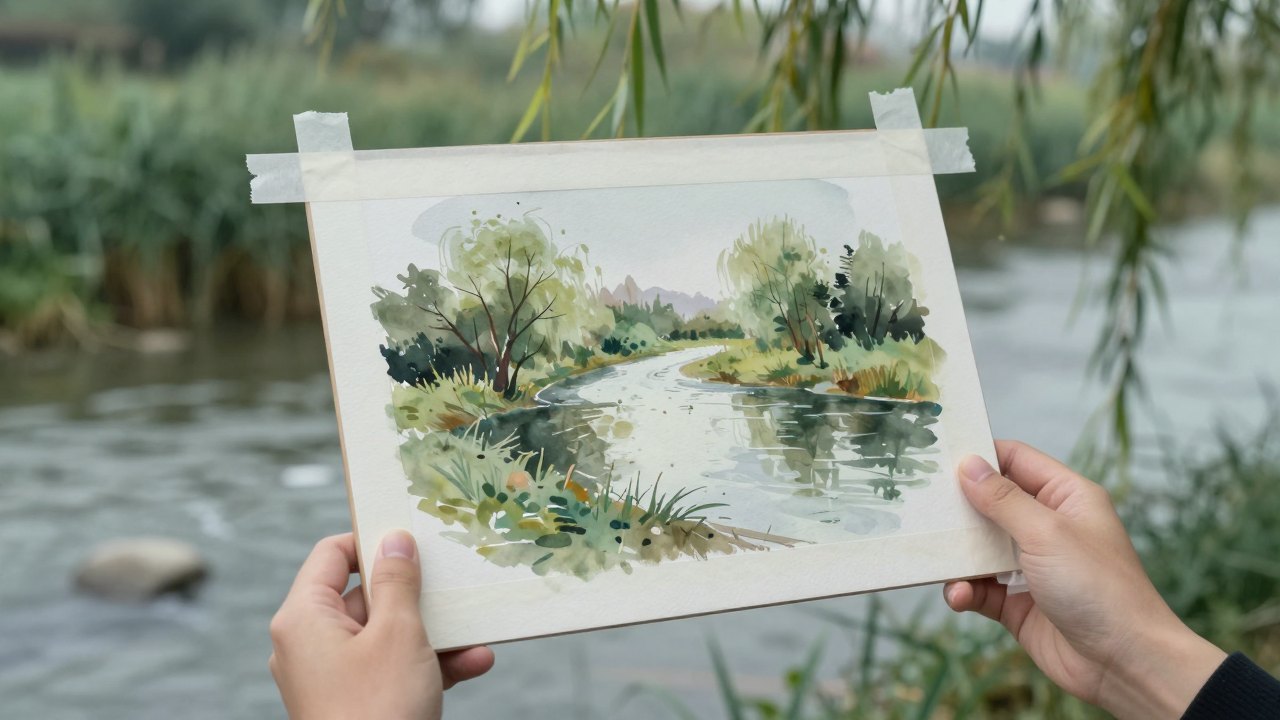
What you get
- Recorded video lessons
Sixteen lessons organised into five clear modules.
- A repeatable working method
A sequence of steps you can use on any outdoor subject.
- Palette guidance
Clear advice on a small set of colours and how to mix from them.
- Composition principles
Practical ways to choose and simplify a view.
- Study-to-studio guidance
Ideas for developing outdoor sketches into larger works.
- Access after payment
Your lessons are available in your account as soon as your payment is confirmed.
- Learn at your own pace
Pause, rewind and repeat any lesson whenever you need.
- 14-day refund policy
If the course is not right for you, you can ask for a refund within 14 days.
Is this course for you?
This course is for you if…
- You have started working in watercolour and want to take your painting outdoors
- You find it hard to choose what to paint when faced with a large landscape
- You want to finish studies instead of abandoning them halfway
- You like the idea of working with a small palette and simple tools
- You want outdoor sketches that can become the basis of studio paintings
Probably not a fit if…
- You have never held a brush and want a first introduction to watercolour
- You are looking for personal feedback on your work from a tutor
- You prefer to paint only from photographs indoors
- You want a course on figure, portrait or abstract painting
After the course
When you finish the programme, going outside with your paints will feel more organised. You will know how to scan a place, pick a viewpoint, settle quickly and decide on the main idea of the picture before you start.
Your studies should be simpler, more harmonious and more complete. With only a few colours you will be able to describe light, distance and mood, and you will have a clear sense of when a painting has said enough.
You will also have a way of working that continues beyond the lessons: short regular sessions, a growing collection of studies, and a supply of reference material for paintings you develop at home.
Questions before you buy
How much time do I need each week?
There is no fixed schedule. Many students set aside one or two hours a week to watch a lesson and paint, but you can go faster or slower depending on your availability and the weather.
Do I need previous experience?
The course suits anyone who has already started working with watercolour and is comfortable with basic washes. You do not need advanced skills or previous outdoor painting experience.
What materials will I need?
A basic set of watercolour paints, a few brushes, watercolour paper and a board are enough to follow along. The lessons explain how to keep the outdoor kit small and what is worth carrying.
How does access work after payment?
Once your payment is confirmed you can open the lessons from your account straight away and watch them in any order or at any time.
What is the refund policy?
You can request a refund within 14 days of purchase if the course is not what you expected.
What format are the lessons in?
The lessons are recorded video, so you can watch them on a computer, tablet or phone, and pause or replay any part.
Will the material stay available?
Yes. The lessons remain in your account, so you can return to them whenever you want to refresh a technique or prepare for a new season.
Do I need to paint outdoors to benefit?
The method is designed for work on location, but the lessons on palette, composition and tone also help with studio painting. Going outside is recommended to get the full value.
Take your watercolours outside
Start with the first module and bring a finished study home from your next outing.