Education · All levels
Remember numbers, dates and terms without cramming
A playful, image-based memory system that replaces rote repetition with short mental stories you can recall when it counts.
- 4 focused modules
- Image-based memory method
- Self-paced video lessons
- Practice materials included
- 14-day money-back guarantee
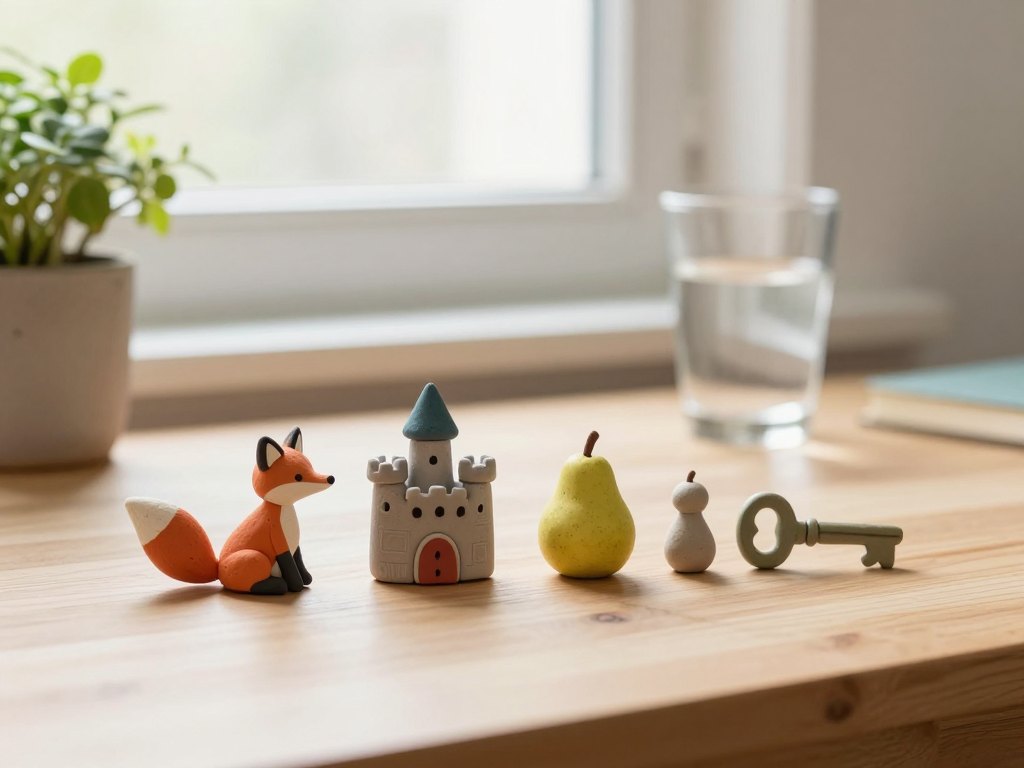
Why knowing it is not the same as remembering it
Many learners understand a topic in class and still cannot recall it a month later. The explanation made sense, the homework was done, and yet the dates, names and formulas have faded by the time the test arrives. Repeating the same material again and again is tiring, and it rarely produces memory that lasts.
The volume of material makes it worse. A school year, a university semester or a demanding job can bring more information than anyone can hold through repetition alone. The result is stress, fatigue and a feeling of being behind, especially before exams and presentations.
This course takes a different route. Instead of asking your memory to hold isolated facts, it teaches you to link every term, number or date to a clear image. The brain remembers connections between images far better than bare facts, and a short mental story is easier to recall than a line of text.
The approach is playful by design. You work with pictures, associations and small scenes rather than with forced repetition, so learning feels lighter and the results tend to stay with you much longer.
What you will be able to do
Practical memory skills you can use at school, at university and in daily life.
- Memorise numbers using image associations
Learn a method that links numbers directly to pictures, with no intermediate codes to decode.
- Recall dates, phone numbers and PIN codes
Apply the same technique to addresses, passwords and everyday numbers.
- Remember names and patronymics
Use simple associations so that people's names stay with you after the first meeting.
- Learn the months, days of the month and days of the week as a system
Fix the calendar in your memory and use it as a base for dates.
- Place countries and geographic terms on the map
Build associations for Europe, Africa, Asia, Australia and Oceania, and the Americas.
- Retain historical terms, peoples and dynasties
Use visualisation to remember ancient states, territories, tribes and rulers' lines.
- Master the multiplication table through pictures
Replace rote drilling with memorable images for each result.
- Organise any material into a memorable structure
Turn a long topic into a logical chain of images that is easy to reproduce.
- 4
- modules to work through
- 0–100
- number range covered by the core method
- 1
- method that works across subjects
- 14 days
- money-back guarantee
The idea behind the method
The course is built on one principle: every term gets its own picture, and the picture is tied directly to the number or term it stands for. Remembering then works like watching a short cartoon in your head. There is no alphabet to learn first and no chain of intermediate codes to translate, which keeps the method fast and approachable, including for younger learners.
Because the same technique applies to numbers, dates, names, places and terms, it is not tied to a single subject. A tutor usually helps with one topic at a time. A memory tool, once learned, works on history, geography, mathematics and anything else you need to retain.
The lessons keep the emphasis on practice. You do not just read about associations, you create them, test them and use them on real material, so the habit builds along with the skill.
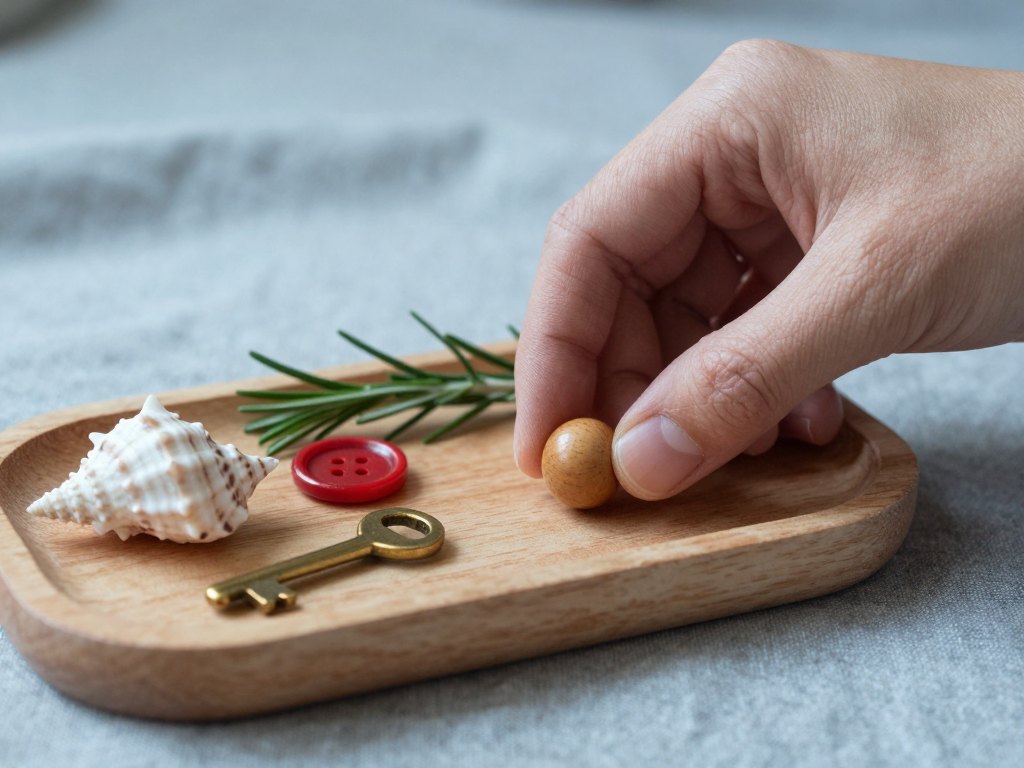
How the course works
The course is delivered online as self-paced video lessons with accompanying materials. You decide when to study, so it fits around school, university or work, and you can pause and return to any lesson. Learners who prefer a steady rhythm can follow the modules in order and practise a little each day.
Each module focuses on one area: everyday memory, geography, history and the multiplication table. Start with the basics, since the later modules rely on the same way of building images. After that you can move through the other modules in the order that suits your goals, for example geography before an exam.
Parents can study alongside a child or guide the process themselves. The playful format makes it easy to practise together without turning it into another source of pressure.
The programme
Four modules, each built around concrete material you can use straight away.
1Module 1 — Basic memory skillsThe core method applied to numbers and everyday information.5 lessons
- How image-based memory works
- Memorising numbers from 0 to 100
- Months, days of the month and days of the week
- Dates, events and addresses
- Phone numbers, PIN codes and passwords
- Remembering names and patronymics
2Module 2 — GeographyAssociations for countries and geographic terms around the world.5 lessons
- Geographic terms through associations
- Countries of Europe
- Countries of Africa and Asia
- Australia and Oceania
- North and South America
3Module 3 — HistoryVisual techniques for key historical terms and names of peoples and states.4 lessons
- Building images for historical terms
- Ancient countries and territories
- Peoples, tribes and dynasties of Asia and Europe
- Africa, North America and South America
4Module 4 — The multiplication tablePicture-based recall of every multiplication result.3 lessons
- Images for the digits of the table
- Memorising the results with mnemonic pictures
- Using the table confidently in problems
What you get
- Self-paced video lessons
Study on your own schedule, from any device.
- Four complete modules
Everyday memory, geography, history and the multiplication table.
- Practice materials
Exercises that help you apply each technique to real material.
- A method for every subject
The same skill carries over to other subjects and areas of life.
- Ongoing access
Return to the lessons whenever you need a refresher.
- A 14-day money-back guarantee
If the course is not right for you, you can ask for a refund within 14 days.
Is this course for you?
This course is for you if…
- Schoolchildren who study but cannot hold information over time
- Students facing a large volume of terms, dates and facts
- Parents who want a lasting learning skill rather than another round of drilling
- Adults who want to remember names, numbers and dates more reliably
- Anyone preparing for exams who is tired of cramming
Probably not a fit if…
- Learners looking for a replacement for understanding a subject: the method helps you retain material, not grasp it for you
- Anyone expecting a specific exam score or grade guarantee
- People who want live one-to-one tutoring
- Those who are not willing to practise regularly, even briefly
After the course
Once you have worked through the modules, you will have a reliable way to turn information into images and to review it without stress. Numbers, dates and terms that once required many repetitions can be learned in a single sitting and recalled much later.
For a schoolchild this can mean less time spent on homework and more confidence before tests. For a student or adult, it means an everyday memory tool that helps with study, work and daily tasks. The skill does not go out of date and works at any age.
Perhaps most importantly, you learn how to learn. That habit of structuring information into clear, memorable pieces carries into every subject you meet afterwards.
Questions before you buy
How much time do I need each week?
There is no fixed schedule. Many learners find that short daily sessions of 15 to 30 minutes work well, but you can move faster or slower depending on your goals.
Do I need any prior knowledge?
No. The course starts from the basics and suits beginners of any age. If you are helping a child, an adult can follow the lessons together with them.
How does access work after payment?
Once your payment is confirmed, you receive access to the course materials online and can start straight away, studying at your own pace.
What is the refund policy?
You can request a full refund within 14 days of purchase if the course is not what you expected.
What format are the lessons in?
The course consists of self-paced video lessons with supporting materials and practice exercises.
Will the material stay available?
Yes. The materials stay available to you, so you can return to any lesson whenever you want to review a technique.
Can I use the course for subjects other than geography and history?
Yes. The core method is general. The modules show it on specific material, and the same approach works for other terms, dates and numbers.
Is this suitable for children?
The method is designed to be playful and approachable for younger learners. We recommend that a parent supports younger children while they practise.
Start remembering with less effort
Learn a memory method that works across subjects and stays with you for years.