Education · Beginner
Organise your child's learning from A to Z, with confidence
A three-month online programme that shows parents and teachers how to build understanding, memory and independence into primary-school study.
- Three-month guided programme
- Recorded video lessons
- Weekly live meeting with mentors
- Homework checked by mentors
- 14-day refund policy
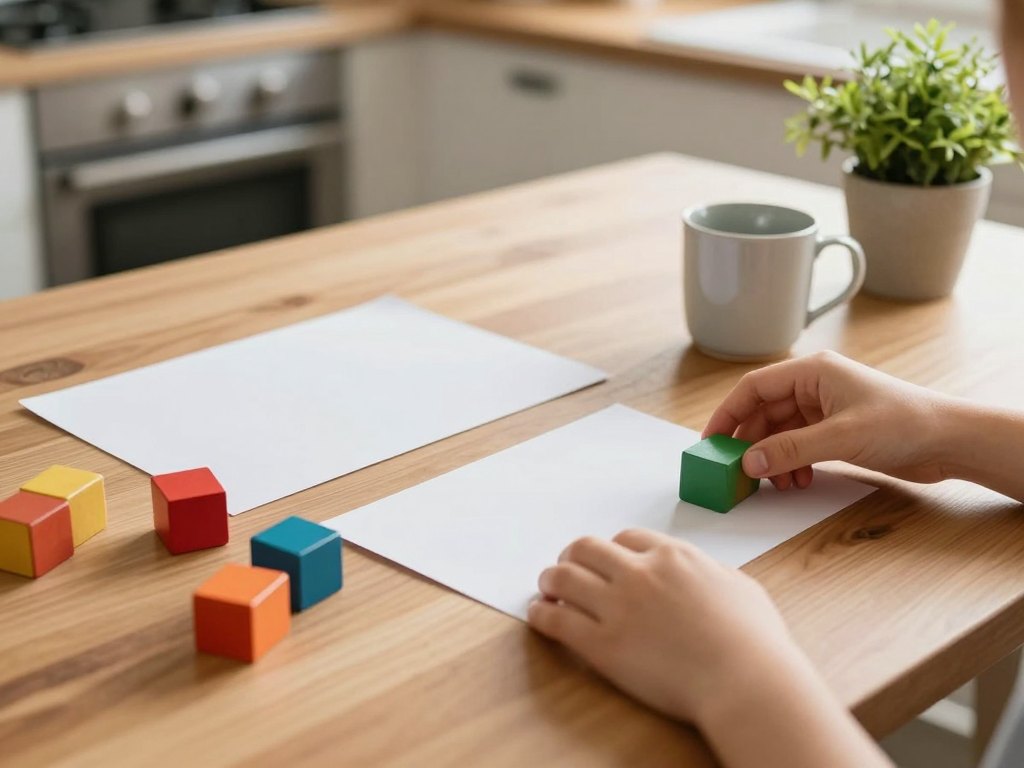
When learning becomes a daily struggle
Many parents recognise the picture. A child finds the school programme dull or hard to enter, homework swallows the evening, and there is no time left for walks, clubs or friends. Over time the interest fades, and the child no longer sees the point of studying at all.
Parents who teach at home face a different version of the same question. You do not want to leave your child alone with a textbook or a stream of online lessons, but you are not sure how to build a sound learning process. Where do you start, how do you check that something is truly understood, and how do you do it without giving up your whole life to it?
Teachers ask something similar: how do I help children grasp the meaning of a subject, rather than memorise it for the next test? How do I teach them to work with information, think in systems and keep learning for life?
This programme answers those questions with one consistent approach. It is built on primary-school material, but the methods apply to older pupils and to adults who want to study more effectively themselves.
What you will be able to do
- Plan a clear learning process
Set up the structure of study so your child knows what to do and why.
- Build a knowledge book
Present each subject in a structured, visual and creative form that is easy to review.
- Use image maps
Apply this visual tool to learn material faster and develop imagination and memory.
- Find and close gaps
Spot missing knowledge from earlier years and work through it step by step.
- Use interval immersion
Organise study so a subject is learned as a whole rather than in fragments.
- Apply memory techniques
Practise methods for remembering information quickly and for the long term.
- Nurture inner motivation
Use practical ways to encourage curiosity and a lasting love of learning.
- Teach independent work
Help your child work with books, reference sources and online materials.
- Support without taking over
Help with study in a focused way and keep time for the rest of family life.
- 3 months
- guided programme
- 1 hour
- a day on average
- Weekly
- live meeting with mentors
The idea behind the method
The programme rests on the balanced development of visual and logical thinking. Instead of studying a subject one school year at a time, you look at it as a whole. A child sees the full picture of a science, understands how its parts connect and can later return to it quickly.
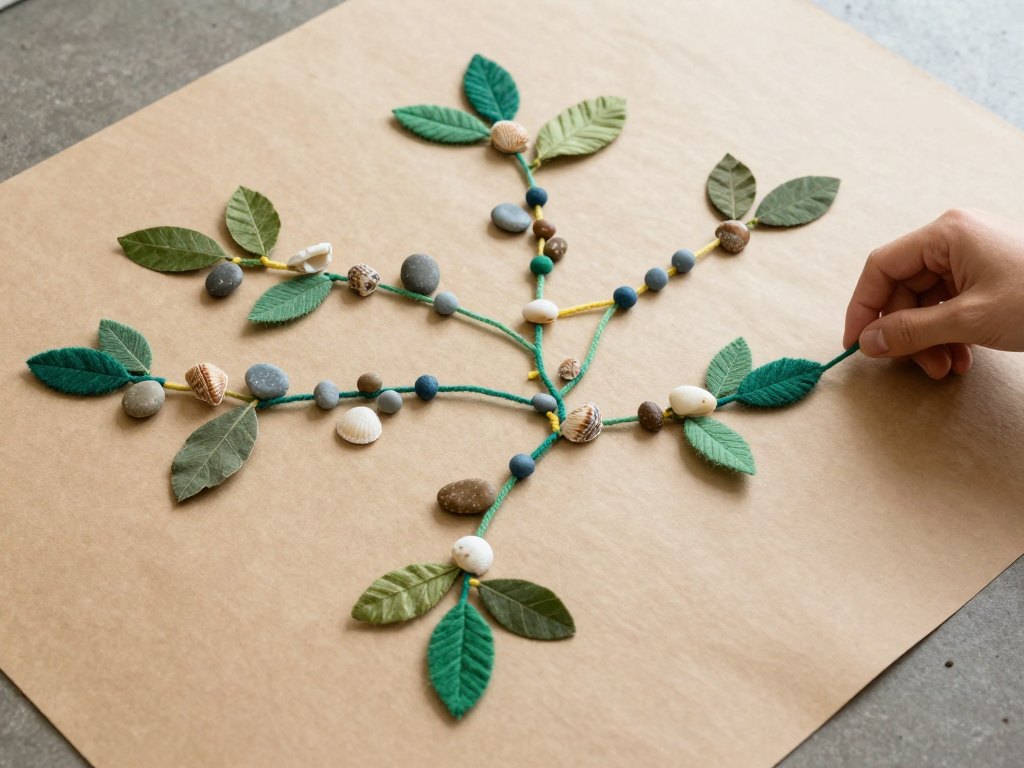
The central tools are the knowledge book and the image map. In the knowledge book, material from the school programme is set out in a structured, systematic and visual way, so that it can be reviewed in minutes and linked to other subjects. Image maps turn information into pictures and associations, which helps memory, imagination and speed of thinking.
Alongside the tools you study the organisation of learning itself: how to build a routine, how to create motivation from within, and how to practise a skill until it is solid. The aim is deep, lasting knowledge that a child can use in real life, together with the habit of studying independently.
How the course works
The whole programme takes place online. The lessons are recorded, so you can watch them at any time that suits your family. After each set of lessons you complete practical homework, which mentors review and comment on.
Once a week there is a live meeting with an expert and mentors, where you can ask questions and see how others apply the methods. Learners also have a chat for ongoing discussion and mutual support, so you are never working alone.
The programme runs for three months and starts with a preparatory stage before the main modules. Most learners spend about an hour a day on it. You apply each method straight away with your own child or pupils, which keeps the learning practical and the progress visible.
The programme
Eight modules, from preparation to a finished system you can use again and again.
1Module 1 — Preparing to learnSet goals, expectations and a realistic routine before you begin.3 lessons
- What effective learning looks like
- Your child's individual features and how to use them
- Setting up the study space and weekly rhythm
2Module 2 — Organising the learning processBuild the framework that holds everything else together.4 lessons
- Why a textbook alone is not enough
- Planning the day, the week and the year
- Your role as a parent or teacher-mentor
- Keeping study time under control
3Module 3 — Whole-brain thinkingCombine visual and logical thinking in everyday study.3 lessons
- How image and logic work together
- Warming up thinking before study
- Developing imagination and attention
4Module 4 — The image mapLearn the core visual tool of the programme.4 lessons
- The idea of an image map
- Building your first map step by step
- Using maps to learn and recall material quickly
- Growing a map as the subject grows
5Module 5 — The knowledge bookCreate a structured, visual record of a subject.4 lessons
- Seeing the full picture of a subject
- Structuring material in the book
- Reviewing and restoring knowledge from the book
- Linking one subject with others
6Module 6 — Memory techniquesPractise methods for remembering information for the long term.4 lessons
- How memory works
- Techniques for fast memorising
- Exercises for developing memory
- Fixing material so it stays
7Module 7 — Finding and closing gapsWork through missing knowledge from earlier years.3 lessons
- Spotting gaps with the help of mentors
- Closing gaps step by step
- Practising the skills of the yearly subject course
8Module 8 — Interval immersion and motivationLearn a subject as a whole and keep interest alive.4 lessons
- The principle of interval immersion
- Planning immersion periods for a subject
- Creating inner motivation in a child
- Passing on the habit of independent study
What you get
- Recorded video lessons
Watch whenever it suits you and return to any lesson.
- Weekly live meeting
Meet an expert and mentors once a week to ask questions.
- Homework with feedback
Practical tasks reviewed by mentors.
- Mentor support
Guidance while you apply the methods with your child.
- Books and additional materials
Supporting materials for each stage of the programme.
- Learner chat
Ongoing discussion with other participants.
- Projects
Practical work that turns the methods into your own system.
- Access to the programme
Study at your own pace within the access period.
Is this course for you?
This course is for you if…
- Parents who teach at home and want a clear, results-oriented structure.
- Parents whose child attends a regular school and who want to build study skills and fill gaps.
- Teachers who want methods that convey the meaning of a subject.
- Adults who want to improve their own learning and professional growth.
- Anyone who wants to develop a child's visual and logical thinking.
Probably not a fit if…
- Anyone looking only for ready-made templates without the learning programme.
- People who want results without any practice with a child or pupils.
- Those who expect the programme to replace a parent's or teacher's involvement entirely.
After the course
You will have a working system for learning rather than a collection of tips. You will know how to organise study days, how to present a subject as a whole and how to help a child remember what matters.
Your child, in turn, can work with books and sources more independently, understands what is being learned and has regained interest in studying. You spend less time on supervision and have more time for family life.
The methods are universal. Many participants also use them in daily life and for their own learning, because the same principles of structure, imagery and memory work with any information.
Questions before you buy
How much time do I need each week?
Most learners spend about an hour a day, including watching lessons and working through the tasks with their child. You can adjust the pace to your family's schedule.
Do I need any prior experience?
No. The programme starts from the basics and is suitable for parents and teachers with no background in teaching methods.
Does it suit a child in middle or high school?
Yes. The material is built on the primary-school programme, but the methods are universal and help older pupils close gaps and develop study skills.
How does access work after payment?
After payment you receive access to the learning platform, where the recorded lessons, tasks and materials are available during your access period.
What format are the lessons in?
Lessons are recorded videos with supporting books and materials, plus homework reviewed by mentors and a weekly live meeting.
Will the material stay available?
Yes. You can return to the lessons and materials at any time throughout your access period.
Can I combine it with another course?
Yes. The flexible, recorded format makes it possible to study alongside other programmes.
What is the refund policy?
You can request a refund within 14 days of purchase.
Start building a learning habit that lasts
Join the programme and give your child the skills to learn with understanding and enjoyment.