Beauty · Beginner
Work with tanning studio clients like a true professional
Plain-language lessons, worked examples, step-by-step algorithms and ready-made client scripts for everyone who works at a tanning studio front desk.
- 6 modules, 24 lessons
- Ready-made client scripts
- Step-by-step algorithms
- Self-paced video lessons
- 14-day refund policy

From front desk to trusted expert
Many people join a tanning studio as an administrator. They learn to book sessions, take payments and keep the place tidy. Then a client asks why they are not tanning as fast as a friend, which lotion to buy, or how long the next session should be, and the answers are guesswork.
Without a solid base, every conversation feels risky. You repeat what a colleague once said, you hesitate when a client pushes back, and you hand over the choice of cosmetics to chance. Clients notice that. They stay loyal to people who explain things clearly and calmly.
This course gives you that base. It explains how tanning works, what the lamps do, what a phototype is and how it shapes a client's plan. It then moves on to the daily craft of the job: choosing cosmetics, consulting, selling honestly and handling awkward moments.
Everything is taught in simple language, with practical examples, algorithms you can follow step by step and scripts you can adapt to your own voice. The goal is simple: to make you the person clients ask for by name.
What you will be able to do
- Explain how a tan develops
Describe the process in a few clear sentences that any client can follow.
- Describe how tanning lamps work
Answer common questions about equipment without guessing or using jargon.
- Identify a client's phototype
Use a short conversation and a few observations to place a client correctly.
- Choose cosmetics for each client
Match products to the phototype, the goal and the stage of the tanning plan.
- Run a structured consultation
Follow a clear sequence from greeting to recommendation, so nothing is forgotten.
- Offer products and packages with confidence
Suggest what genuinely helps the client, without pressure.
- Use proven communication scripts
Apply tested phrases for common situations and adapt them to your style.
- Handle difficult situations calmly
Respond to complaints, objections and unreasonable requests with a clear algorithm.
- 6
- modules
- 24
- video lessons
- 14 days
- refund policy
A course built around real studio conversations
Most of a studio administrator's day is made up of short conversations. A first-time visitor wants to know what to expect. A regular wants to improve the result. Someone else is unsure whether to buy a cream. Each of these moments is a chance to help, and each can be done well or badly.
The lessons are organised around those moments rather than around abstract theory. You first learn the knowledge you need, then see how it appears in an actual exchange with a client, and finally practise it with an algorithm or a script.
This approach keeps the material useful from the first day. You can watch a lesson in the morning and use what you learned in the studio the same afternoon.
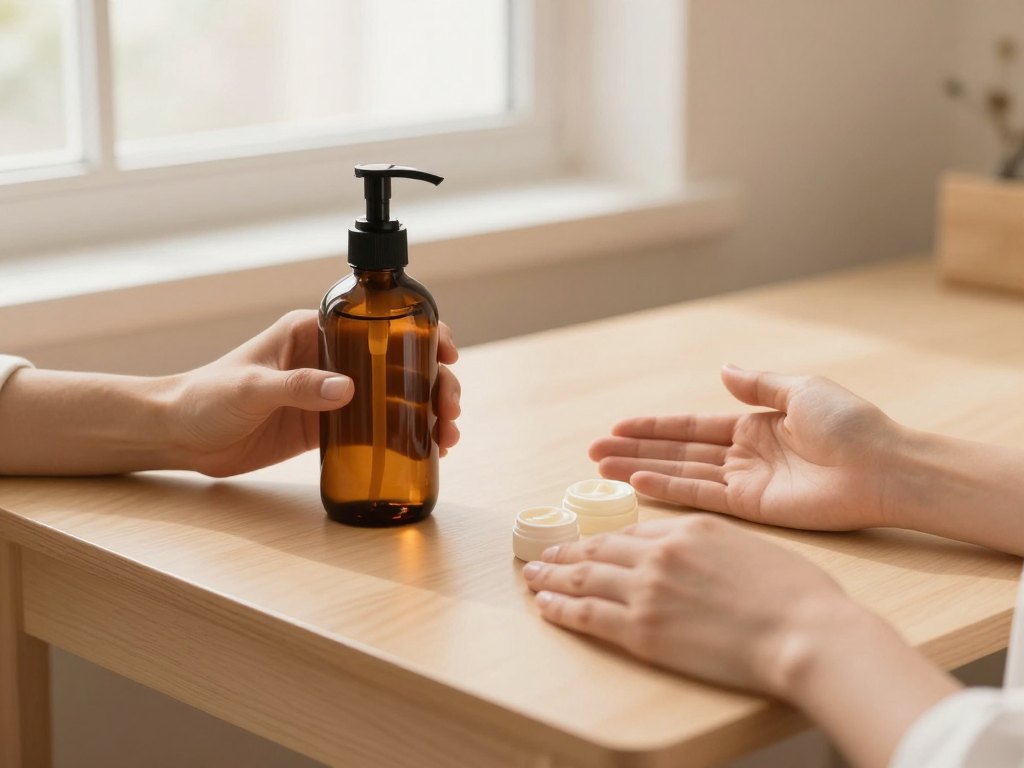
How the course works
The course is delivered online as self-paced video lessons with supporting materials. You decide when to study and can pause, rewind and revisit any lesson. There are no fixed class times, so it fits around shifts at the studio.
The modules follow the order in which a client meets you: first the knowledge behind the service, then the cosmetics, the consultation, the sale and finally the situations that do not go smoothly. We recommend working through them in sequence, because later modules build on earlier ones.
Practical tools are part of the lessons: algorithms for common tasks and communication scripts you can adapt to your own words. Use them as a starting point and make them sound natural in your own voice.
The programme
Six modules take you from the basics of tanning to confident client communication.
1Module 1 — How tanning worksThe science and equipment behind the service, in plain language.4 lessons
- How skin forms a tan, step by step
- How tanning lamps work and what makes them different
- Types of equipment and what the client experiences
- Session timing and the logic of a tanning plan
2Module 2 — Skin phototypesUnderstanding the client in front of you.4 lessons
- What a phototype is and why it matters
- Recognising phototypes in a short conversation
- Choosing a sensible starting approach for each phototype
- Questions to ask a first-time client
3Module 3 — Tanning cosmeticsChoosing products with knowledge instead of guesswork.4 lessons
- What cosmetics do before, during and after a session
- Accelerators, bronzers and moisturisers compared
- Matching products to phototype and goal
- Explaining ingredients and benefits in simple words
4Module 4 — Consulting clientsA repeatable structure for every conversation.4 lessons
- Greeting a client and setting the tone
- Discovery questions that reveal what the client wants
- Building a tanning plan and recommendations
- Explaining studio rules and safety guidance clearly
5Module 5 — Selling without pressureHelpful recommendations that clients welcome.4 lessons
- A helpful mindset for selling in a service setting
- Scripts for suggesting cosmetics at the right moment
- Presenting session packages and memberships
- Answering "it is too expensive" and "I will think about it"
6Module 6 — Difficult situationsAlgorithms for the moments that test your patience.4 lessons
- Late arrivals, cancellations and missed bookings
- A client who wants to tan longer than advised
- Complaints about results or skin discomfort, and when to suggest seeing a doctor
- Handling a conflict and keeping the relationship
What you get
- 24 self-paced video lessons
Six modules covering knowledge, cosmetics, consulting, selling and tricky situations.
- Practical examples
Each topic is shown through situations you meet in a real studio.
- Step-by-step algorithms
Clear sequences you can follow when you are unsure what to do next.
- Ready-made communication scripts
Phrases for common conversations that you can adapt to your own style.
- Study on your own schedule
Watch on a phone, tablet or computer whenever it suits you.
- Ongoing access to the material
Return to any lesson whenever you need a refresher.
- 14-day refund policy
If the course is not right for you, you can ask for a refund within 14 days.
Is this course for you?
This course is for you if…
- Tanning studio administrators who want to speak about the service with confidence
- Newcomers to the industry who need a clear foundation before their first shifts
- Studio staff who want a structured way to advise clients and recommend products
- Owners or managers looking for a clear reference to help new team members learn the work
Probably not a fit if…
- People looking for medical training or a way to diagnose or treat skin conditions
- Anyone who wants a personal coaching programme rather than recorded lessons
- Experienced specialists who already run their own training for their team
After the course
After the course, a client's question stops being a moment of doubt. You know how tanning works, you can place a client's phototype, and you can explain a sensible plan in a few simple sentences.
Recommending cosmetics becomes a natural part of the consultation, because you understand what each product does and who it suits. Clients feel guided rather than sold to.
When something goes wrong, you do not improvise under pressure. You have an algorithm, a calm script and a clear idea of when to suggest the client speak to a doctor.
The result is a more confident working day for you and a better experience for the people who walk through the door.
Questions before you buy
How much time do I need each week?
There is no fixed schedule. Many students study a few lessons a week alongside their work, but you can go faster or slower. The lessons are short enough to fit around studio shifts.
Do I need any experience?
No. The course starts from the basics of how tanning works and builds up step by step. Prior experience in a studio helps you apply ideas faster, but it is not required.
How does access work after payment?
After your payment is confirmed you receive access to the course and can start straight away. You can study on any device and move through the lessons at your own pace.
What is the refund policy?
You can ask for a refund within 14 days of purchase if the course is not what you expected.
What format are the lessons in?
The course consists of self-paced video lessons with practical examples, algorithms and communication scripts as supporting materials.
Will the material stay available?
Yes. Once you have access you can come back to any lesson whenever you need a reminder or want to train a new colleague yourself.
Does the course teach medical topics?
No. It focuses on client service, cosmetics and communication. Where a client reports discomfort, the lessons teach you how to respond calmly and when to suggest seeing a doctor, but they do not teach diagnosis or treatment.
Can I use the scripts exactly as written?
You can, but they work best when you adapt them to your own voice and your studio's style. The lessons show you how to adjust them so they sound natural.
Become the expert clients ask for
Start the lessons today and bring clear answers, useful recommendations and calm confidence to your next shift.