Cooking · All levels
Bake bakery-style sourdough loaves in your own kitchen
Fifteen tested recipes, from dark Baltic rye to crisp wheat baguettes, taught step by step in online lessons you can follow at your own pace.
- 15 sourdough bread recipes
- 2 bonus masterclasses
- Unlimited access
- Self-paced online lessons
- 14-day money-back guarantee
Why good sourdough feels so hard to repeat
Many home bakers know the cycle. One weekend a loaf comes out tall, fragrant and crackly. The next weekend, using what seems to be the same method, it spreads flat, tastes too sharp or turns out dense in the middle. Without a clear explanation of why, it is hard to improve.
Sourdough rewards understanding more than luck. The starter, the flour, the temperature of the dough and the timing of each stage all affect the result. Rye behaves differently from wheat. A dough with malt, beer or fruit needs different handling than a plain white loaf. Short recipes in a book rarely explain these differences.
This course is built around that gap. Instead of one universal formula, you work through a collection of fifteen distinct recipes, each with its own character. As you move from one to the next, you see how the same fermentation principles apply to very different doughs.
By the end you are not just copying instructions. You know what a dough should look and feel like at each stage, and you can choose a recipe to suit the flour in your cupboard, the time you have and the people you are baking for.
What you will be able to do
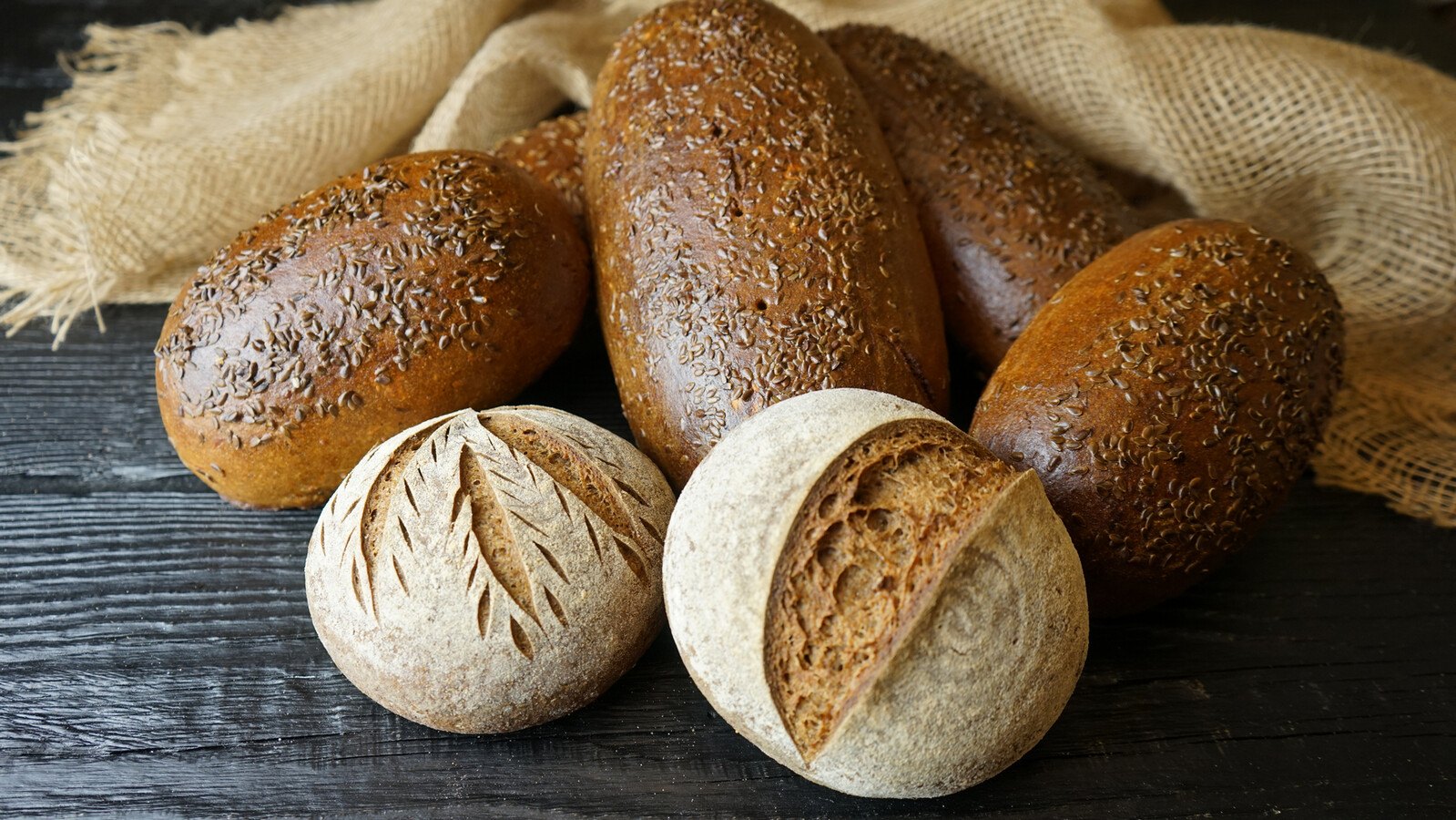
- Bake dark rye breads with a deep flavour
Work with rye starter, malt and seeds in the style of traditional Baltic and Northern European loaves.
- Handle wet, sticky rye doughs with confidence
Learn how rye differs from wheat so you stop fighting the dough.
- Flavour bread with beer, fruit and spices
Add dark beer, cranberries, black currant, cherry, saffron or rosemary without upsetting the crumb.
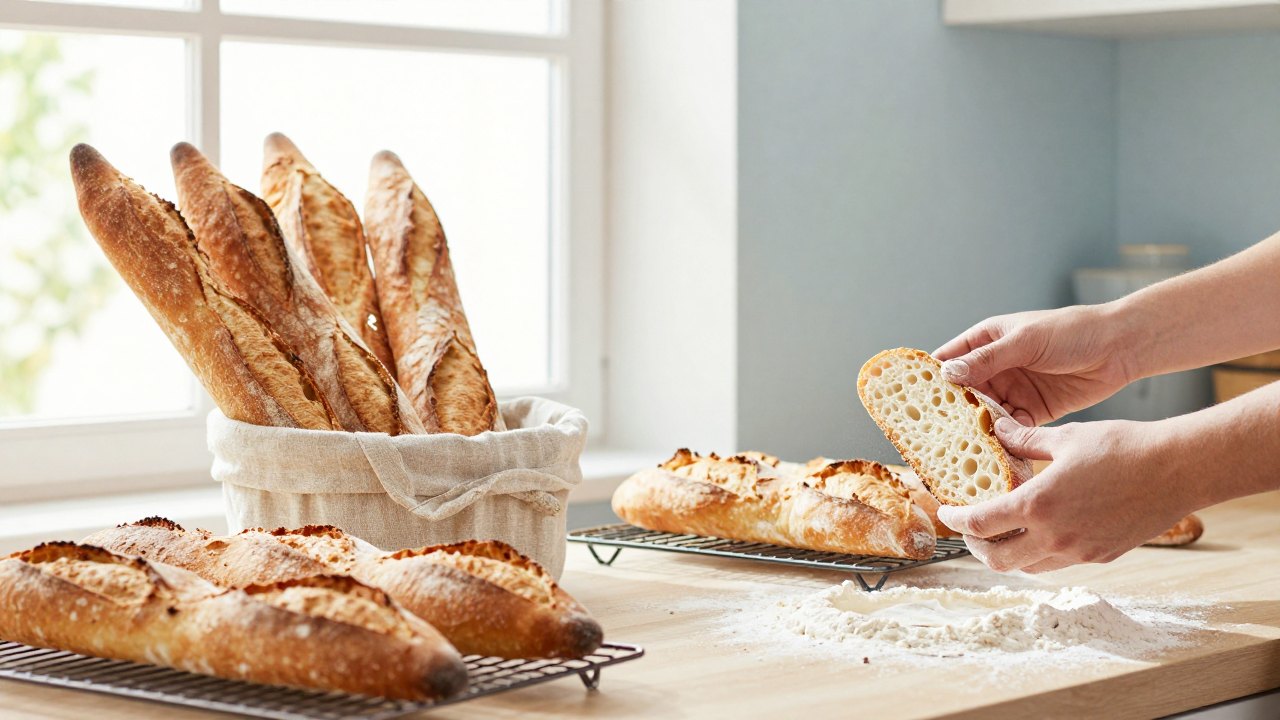
- Shape and bake wheat baguettes
Build structure, shape the dough and bake for a crisp crust and an open crumb.
- Make sweet and savoury loaves
Try chocolate, pumpkin, carrot, garlic and caramelised onion breads.
- Bake in a tin or free-standing
Choose the right approach for rolls, tin loaves and hearth breads.
- Plan a bake around your week
Fit mixing, resting and baking into a realistic home schedule.
- Build a repertoire of reliable favourites
Finish with a set of recipes you can return to and adapt.
- 15
- sourdough bread recipes
- 5
- curriculum modules
- 2
- bonus masterclasses
- ∞
- access to the lessons
Learn through variety, not repetition
The core of the method is contrast. You begin with sweet-sour rye breads, move to beer and regional loaves, then to fruit, vegetable and chocolate doughs, and finish with lighter wheat breads and baguettes.
Each recipe changes one or two things: the flour blend, the type of starter, the sweetener, the baking style. Because the changes are small and deliberate, you can see what each one does to the dough and the finished loaf.
- Compare rye-heavy and wheat-heavy doughs
- See how malt, syrup and beer affect crumb and crust
- Understand why some doughs are tinned and others free-standing
- Learn to adjust a recipe to your own oven and flour
How the course works
The course is delivered online through a learning platform. After payment you open the lessons and work through the recipes in any order you like. There are no fixed dates and no deadlines, so you can bake one loaf a week or several, depending on your schedule.
Each recipe is its own lesson, with the method explained step by step and the ingredients and stages laid out so you can follow along at the counter. You can pause, repeat a stage and return to a lesson whenever you need.
The programme also includes two bonus masterclasses, one on a fluffy French-style loaf and one on bread-based desserts. They sit alongside the main recipes and are yours to use once you enrol. Access to the course has no time limit.
The programme
Fifteen recipes grouped by style, plus two bonus masterclasses.
1Module 1 — Sweet-sour rye classicsRye breads with seeds, berries and malt in the Baltic tradition.4 recipes
- Latvian sweet-sour bread with seeds
- Black currant sweet-sour bread with cranberries
- Rye-wheat bread on a Detmolder starter
- Black bread with red fermented malt, Latvian style
2Module 2 — Beer, syrup and regional loavesDark, aromatic breads from across Northern and Central Europe.4 recipes
- Bread with dark unfiltered beer
- Narochansky bread
- Finnish black bread with syrup
- Pumpernickel, German wholegrain rye bread
3Module 3 — Fruit, vegetable and chocolate breadsSweeter and more colourful loaves with natural flavours.4 recipes
- Carrot bread
- Chocolate bread
- Sunny pumpkin bread with saffron and apple
- Cherry bread
4Module 4 — Savoury rolls and wheat breadsLighter breads for everyday meals and sharing.3 recipes
- Tin rolls with rosemary and Himalayan salt
- Garlic bread with caramelised onions
- Wheat baguettes
5Module 5 — Bonus masterclassesTwo extra sessions that come with your purchase.2 masterclasses
- Fluffy French loaf masterclass
- Bread desserts masterclass
What you get
- 15 sourdough bread recipes
Rye, wheat, sweet, savoury and spiced loaves in step-by-step lessons.
- Two bonus masterclasses
A fluffy French loaf and bread desserts.
- Unlimited access
Return to any lesson whenever you want to bake.
- Self-paced learning
Start when you like and move at your own speed.
- Recipe-based structure
Each loaf is a separate lesson, so you can jump straight to what you want to bake.
- 14-day money-back guarantee
Try the course and request a refund within 14 days if it is not for you.
Is this course for you?
This course is for you if…
- Home bakers who want more variety than a basic white sourdough loaf
- Anyone who enjoys dark rye and traditional Northern European breads
- Bakers who get inconsistent results and want to understand why
- Food lovers who like baking bread for family and friends
- People who prefer to learn at their own pace in recorded lessons
Probably not a fit if…
- Anyone looking for one-to-one coaching or personal feedback on every loaf
- Readers who want a quick, no-fuss loaf without any fermentation time
- Professional bakers who need commercial production methods
- People who do not want to bake with sourdough at all
After the course
Once you have worked through the recipes, you will have baked a wide range of loaves and learned how different doughs behave. A dark rye, a fruit bread and a baguette should no longer feel like three separate mysteries, because you will have seen how each one is built.
You will be able to choose a recipe to match the occasion, from a hearty loaf for the weekend to rolls for a dinner table or a sweet bread for a gathering. You can also adapt recipes by changing flours, flavours and shapes, because you know which parts of the method matter most.
Because access has no time limit, the course stays useful as your skills grow. You can return to a recipe months later, try it again with a new flour and compare the results.
Questions before you buy
How much time do I need each week?
It is entirely up to you. A bake takes a few hours of mostly waiting time spread over a day or two, and watching a lesson takes much less. Many people bake one loaf a week, but you can go faster or slower.
Do I need any experience?
Some familiarity with baking helps, but you do not need to be an expert. The lessons explain each stage, and you can start with the recipes that suit your confidence.
Do I need my own sourdough starter?
Sourdough baking relies on an active starter, so you should have one or be ready to prepare one. Some recipes use a rye starter, so it is worth reading the ingredients before each bake.
How does access work after payment?
After you pay, you get access to the course on the learning platform. You can start straight away and work through the lessons in any order.
What format are the lessons in?
The course is delivered as online lessons with each recipe taught step by step. You can watch them on a computer, tablet or phone and repeat any part you need.
Does the material stay available?
Yes. Access to the course is unlimited, so you can return to any recipe whenever you like.
What is the refund policy?
If the course is not what you expected, you can ask for a full refund within 14 days of purchase.
Are the bonus masterclasses included?
Yes. The fluffy French loaf and bread desserts masterclasses are included with your purchase.
Start baking better bread this week
Get all 15 recipes and the two bonus masterclasses, with unlimited access.