Business · All levels
Sell more in fashion retail without pressuring a single customer
Twelve practical lessons on starting a calm conversation, understanding what the customer needs and leading them to a purchase through service and confidence.
- 12 video lessons
- Real shop-floor situations
- For beginners and experienced staff
- Access right after payment
- 14-day refund policy
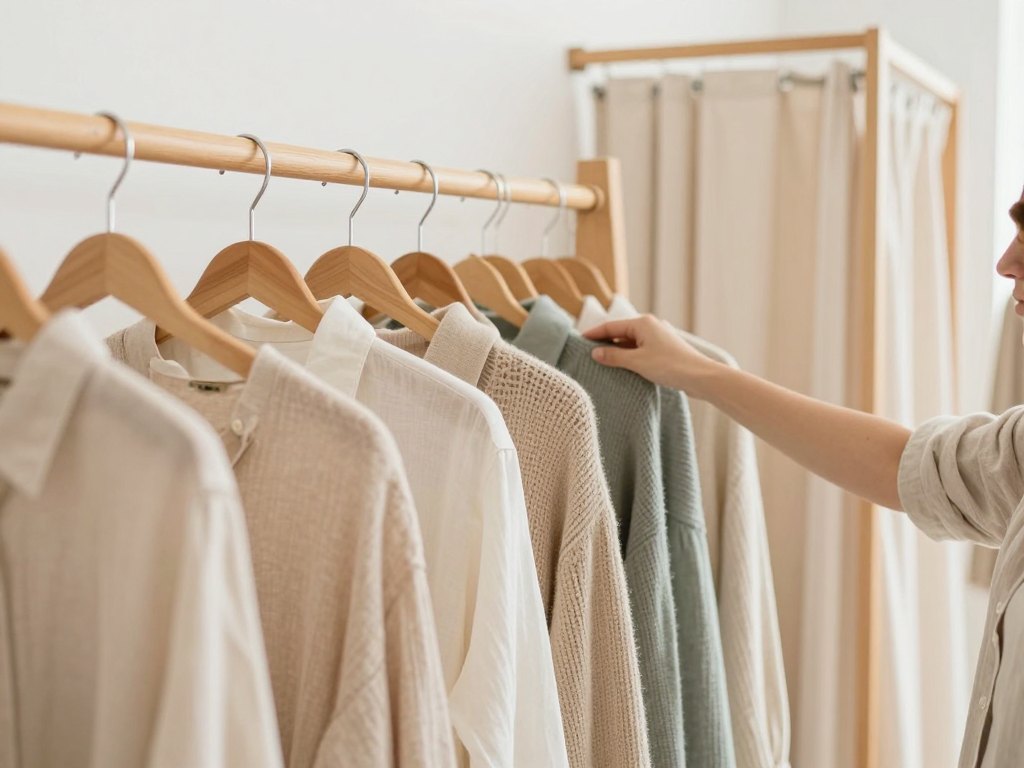
Why selling more does not mean selling harder
Most people who work on a shop floor know the uncomfortable moment. A customer walks in, you want to help, and you are not sure how. Say too much and they back away. Say too little and they leave without trying anything on.
Many sales assistants respond by choosing one of two extremes. Some stay silent and wait to be asked. Others become insistent, repeat the same phrases and push items the customer never wanted. Neither approach feels good, and neither builds the loyal customers a fashion shop depends on.
Soft selling is a third option. It treats the sale as the natural result of a good conversation: you start the dialogue calmly, find out what the person really wants, and help them reach a decision they feel good about. The customer feels looked after, not handled.
This course is built around that idea. Instead of abstract theory, it works through situations that come up in a real shop every day, so you can recognise them and know what to do next.
What you will be able to do
- Start a conversation without intruding
Approach customers in a way that feels welcoming rather than pushy.
- Read what a customer actually wants
Notice behaviour and ask questions that reveal the real need.
- Recognise different types of visit
Tell a browser from a comparer from someone ready to buy, and respond accordingly.
- Present items through benefits and styling
Help customers picture how a piece fits into their life and wardrobe.
- Answer doubts calmly
Respond to hesitation and 'I will think about it' without pressure.
- Suggest extra items naturally
Offer complementary pieces as a helpful idea, not a sales trick.
- Stay confident in tricky situations
Handle demanding customers and busy moments with a steady manner.
- Bring customers back
Close the visit in a way that makes people want to return.
- 12
- video lessons
- 4
- modules
- 3
- lessons in each module
- 24/7
- self-paced access
A course built on the shop floor
The lessons are based on real situations from fashion retail rather than textbook examples. You will meet the customer who says 'I am just looking', the one who tries on five items and buys none, and the one who is clearly in a hurry. Each situation is a chance to practise a calmer and more effective way of responding.
The programme is written for sales assistants in shops selling clothing, underwear, shoes, children's goods and accessories. It works equally well if you are brand new to the job or have years of experience and want to refresh your approach.
Nothing in the course asks you to become a different person. The aim is to give you a clear structure for conversations you already have every day, so that you feel more at ease and customers feel more at ease with you.
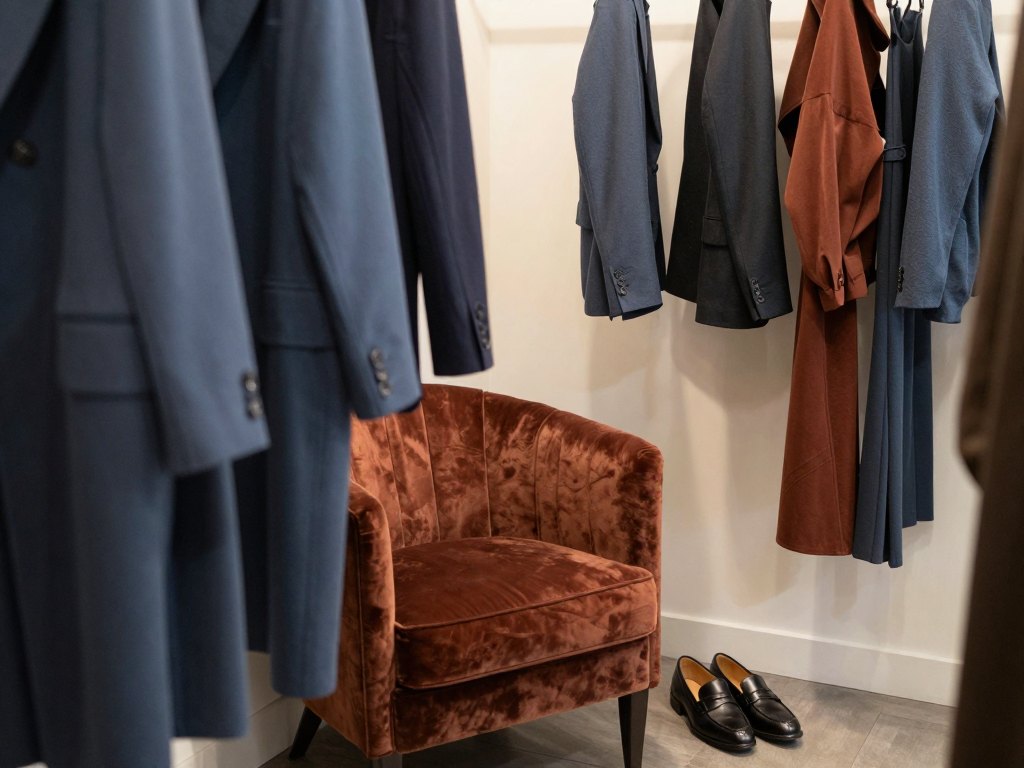
How the course works
The course is a set of recorded video lessons that you can watch whenever it suits you. Access opens immediately after payment, so you can start on the same day, on a break between shifts or at home in the evening.
The twelve lessons are grouped into four modules that follow the natural order of a customer visit: the first contact, understanding the customer, leading them to a decision, and finishing the visit with good service. You can go through them in order, or return to the module that matches the situation you are facing at work this week.
Each lesson is short enough to watch and then try out straight away. The most effective way to learn is to take one idea per day into your shift, notice what happens, and come back to the lesson when you want to refine it.
The programme
Twelve lessons in four modules, following the order of a real customer visit.
1Module 1 — Starting the conversationHow to make the first contact welcoming rather than intrusive.3 lessons
- Why customers avoid pushy assistants
- The first moments on the shop floor
- Greetings and opening questions that invite a reply
2Module 2 — Understanding the customerHow to find out what the person really needs before offering anything.3 lessons
- Reading behaviour and signals
- Questions that reveal the real need
- Browsing, comparing or ready to buy: adjusting to the visit
3Module 3 — Leading to the purchaseHow to help a customer decide, calmly and without pressure.3 lessons
- Presenting items through benefits and styling
- Handling doubts and 'I will think about it'
- Suggesting additional items naturally
4Module 4 — Service and confidenceHow to keep a steady, confident manner and finish the visit well.3 lessons
- Building a calm and confident manner
- Difficult situations on the shop floor
- Closing the sale and inviting the customer back
What you get
- 12 recorded video lessons
Watch on any device, at your own pace.
- Immediate access after payment
Start the same day you order.
- Practical examples from retail
Situations drawn from real work in fashion shops.
- A clear structure for conversations
A simple order to follow from greeting to farewell.
- Material you can revisit
Return to any lesson whenever a situation comes up at work.
- A 14-day refund policy
Try the course and ask for a refund within 14 days if it is not for you.
Is this course for you?
This course is for you if…
- Sales assistants in clothing, shoe, underwear, children's goods or accessories shops
- Newcomers who want a confident start in retail
- Experienced sellers who feel their approach has become routine
- Anyone who dislikes pushy selling and wants a calmer way to help customers
Probably not a fit if…
- People looking for tactics to pressure customers into buying
- Shop owners who mainly want to learn about managing a team or an assortment
- Those who expect a live one-to-one coaching programme
After the course
When you finish the lessons, a customer walking through the door will feel less like a test and more like an opportunity for a good conversation. You will know how to start it, what to listen for and how to guide it forward.
You will also have a set of simple phrases and habits to rely on when a customer hesitates, compares prices or simply says they are looking. Instead of improvising under pressure, you will have a calm response ready.
Over time, this kind of service tends to show in how customers feel about the shop: they are more relaxed, more willing to try things on and more likely to come back. The course gives you the skills; the results depend on how consistently you apply them in your own shop.
Questions before you buy
How much time do I need per week?
There is no fixed schedule. The twelve lessons are short enough to fit between shifts, so many learners take two or three a week and practise each idea at work before moving on.
Do I need previous experience in sales?
No. The course suits newcomers and experienced assistants alike. It starts with the basics of contact with customers and builds from there.
How does access work after payment?
Once your payment is confirmed, the lessons become available straight away. You can begin immediately and continue at your own pace.
What is the refund policy?
You can ask for a refund within 14 days of your purchase if the course is not what you expected.
What format are the lessons in?
The course consists of self-paced video lessons. You can watch them on a computer, tablet or phone whenever you like.
Will the material stay available?
Yes. The lessons stay available to you after you finish, so you can return to any module whenever you need a reminder.
Is the course only for people who work in clothing shops?
It is designed for fashion retail, including clothing, shoes, underwear, children's goods and accessories. The principles of calm, service-led selling also carry over to other shops with personal service.
Is this about pressuring customers to buy?
No, the opposite. The course shows how to sell through attention, service and confidence, so that customers decide freely and feel good about it.
Start selling in a way that feels natural
Begin the first lesson today and try one new idea on your next shift.