Communication · All levels
Turn awkward first minutes into warm, easy conversations
A course that mixes language, culture and the psychology of communication, so you can talk to new people without dread.
- 7 core lessons
- Bonus lesson on business contacts
- Exercises after every lesson
- Webinar session included
- 14-day refund policy
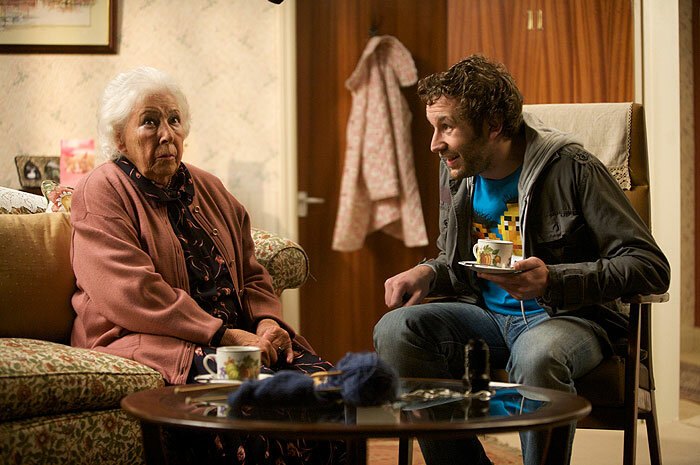
Why small talk feels so hard
Many people can discuss their work or a favourite book for hours, yet freeze when a stranger at a party asks a simple question. The silence stretches, the mind goes blank, and the conversation ends before it began. Afterwards you replay it and wish you had said something warmer.
The problem is rarely a lack of words. Small talk is not an exchange of information. It is a way of creating a warm, safe atmosphere in which two people feel a genuine emotional connection. Once you understand that, the rules become much simpler than they look.
This course treats small talk as a learnable skill. It is written as a teaching essay: practical material, examples from real life, light humour, a little psychology of communication and a cast of characters with strong personalities. The aim is that you enjoy reading it as much as you learn from it.
You will learn how to begin without panic, how to keep a quiet person talking, how to politely step away from conversations you do not want, and how to finish with style. Every example and dialogue comes with a clear explanation, so you always understand why a phrase works.
What you will be able to do
- Explain what makes a conversation feel warm
You will know the four ingredients that turn a polite exchange into a real connection.
- Open a chat even if you are shy
Three simple tricks designed for introverts.
- Dodge intrusive questions without guilt
Four ways to decline an answer without offending anyone.
- Choose safe topics that are still interesting
Five non-obvious subjects that break the ice and soften social distance.
- Draw out a silent conversation partner
Use open questions and a simple strategy to get people talking.
- Show that you are a great listener
Sincere phrases for empathy, understanding and polite disagreement.
- Recognise five difficult types of speaker
Choose from calm to sarcastic phrases to leave the conversation gracefully.
- End a conversation beautifully
Four graceful closing options, plus how to read the signals that it is time to wrap up.
- Apply small talk at work
Build professional contacts and support your career with a dedicated bonus lesson.
- 7
- core lessons
- 1
- bonus lesson on business small talk
- 12
- extra conversation topics in the webinar
- 4
- ways to close a conversation
Culture and psychology, not just phrases
A list of ready-made sentences will not help when the conversation takes an unexpected turn. That is why each lesson explains the thinking behind the phrases: what the other person feels, what they expect from you and how the tone of a remark changes its meaning.
You will see how an apparently casual exchange is built, why some questions open people up and others close them, and how humour and gentle irony help in a culture that values understatement. You will also learn the delicate wording for disagreeing without turning a chat into a quarrel.
- Four building blocks of a warm conversation
- Open questions and why they work
- Empathy phrases you can use immediately
- Polite ways to disagree and to step away

How the course works
The core of the programme is seven lessons that you can study at your own pace. Each lesson is a short, engaging essay with examples and dialogues, and every example is explained so that nothing is left to guesswork. You can read a lesson in one sitting or split it over a few evenings.
After each lesson you complete check exercises to lock in what you have learned. They help you notice which phrases and strategies you already use naturally and which ones need more practice.
The programme also includes a bonus lesson on small talk for building business connections and developing a career, plus a webinar session on making a strong impression in the first minutes of a conversation. The webinar goes through situations where small talk is expected, gives more topics to talk about and offers advice for sensitive subjects.
The programme
Seven core lessons, a bonus lesson and a webinar session, grouped into six modules.
1Module 1 — What small talk is really forThe purpose of small talk and the four ideas it rests on.1 lesson
- Why small talk is about atmosphere, not information
- The four building blocks of a warm, safe conversation
- Creating an emotional connection in the first minutes
2Module 2 — Starting well and avoiding awkward questionsBegin comfortably and keep your boundaries politely.2 lessons
- Three tricks that help even the shyest introvert begin
- Four ways to sidestep tactless questions without guilt
- Five safe but interesting topics for any occasion
- Melting the distance and lifting the social mask
3Module 3 — Drawing people out and steering the talkKeep a conversation alive and moving in a good direction.2 lessons
- The surprising benefits of open questions
- The OMA strategy for talking to a quiet person
- Ways to show you are an excellent listener
- Sincere phrases for understanding and empathy
- Gentle wording for inviting discussion and disagreeing
4Module 4 — Difficult partners and graceful endingsLeave unwanted talks politely and close good ones well.2 lessons
- Five types of unpleasant conversation partner
- Phrases for quick, elegant self-removal, from calm to sarcastic
- Four beautiful ways to end a conversation
- Bonus: how to tell when it is time to wrap up
5Module 5 — Bonus lesson: small talk at workUse the same skills to build professional relationships.1 bonus lesson
- Small talk for creating and strengthening business connections
- Supporting your career with everyday conversation
- Check exercises to consolidate the material
6Module 6 — Webinar: a strong first impressionA session that applies everything to real situations.1 webinar
- Situations in which small talk is essential
- Twelve more topics and ways to start and continue any conversation
- Ten tips for handling political subjects when you must
- Five ways to ruin a conversation and how to avoid them
What you get
- Seven core lessons
Engaging essays with examples, dialogues and explanations.
- A bonus business lesson
Small talk for professional connections and career growth.
- Check exercises
Practice tasks after every lesson to consolidate the material.
- A webinar session
Making a lasting impression from the first minutes of a conversation.
- Ready-to-use phrase lists
Wording for polite exits, empathy, disagreement and closing a chat.
- Ongoing access
Study when it suits you and return to any lesson later.

Is this course for you?
This course is for you if…
- You feel nervous about meeting new people and want to start conversations more easily
- You want to steer a chat in the direction you prefer and answer awkward questions elegantly
- You want to leave a conversation feeling good, perhaps having learned something or made a friend
- You enjoy reading light, well-written texts with real substance
- You work or plan to work in a setting where social conversation builds relationships
Probably not a fit if…
- You are looking for personal coaching or one-to-one feedback
- You want a grammar textbook or a full language course
- You expect a script that works without any practice
- You are not interested in culture and psychology behind the phrases
After the course
After the course you will walk into a room of strangers with a plan. You will know how to open with a light question, which topics are safe, and how to keep the other person talking without interrogating them.
When someone asks something intrusive, you will have several graceful answers ready. When someone is draining or rude, you will know how to step away politely and without guilt.
At work you will be able to use the same tools to build trust with colleagues and contacts. Most importantly, you will begin to see conversations as an enjoyable exchange rather than an exam.
Questions before you buy
How much time do I need each week?
There is no fixed schedule. Most people comfortably study one lesson with its exercises over a few evenings, so an hour or two a week is plenty.
Do I need any prior knowledge?
No special background is needed. You should be comfortable reading short dialogues and following explanations. Every example is explained, so you can learn at your own level.
How does access work after payment?
Once your payment is confirmed you receive access to the course materials in your account and can start straight away.
What is your refund policy?
You can request a full refund within 14 days of purchase if the course is not what you expected.
What format are the lessons in?
The core lessons are written essays with examples and dialogues, followed by check exercises. The programme also includes a webinar session on first impressions.
Will the material stay available?
Yes. The lessons remain in your account, so you can return to them whenever you need a refresher.
Does the course cover conversation at work?
Yes. A bonus lesson is dedicated to small talk for building business connections and supporting your career.
Is there personal coaching or feedback?
No. This is a self-paced programme with exercises that let you check your own progress. It does not include one-to-one coaching.
Make your next conversation an easy one
Start the lessons today and practise at your own pace.