Wellbeing · Beginner
Build eating habits that last without dieting or constant willpower
A step-by-step, science-led programme that helps you stop fighting food and make a healthy lifestyle a normal part of your week.
- 7 modules, 21 lessons
- Start at any time
- Self-paced video lessons
- Practical tasks and materials
- 14-day refund policy
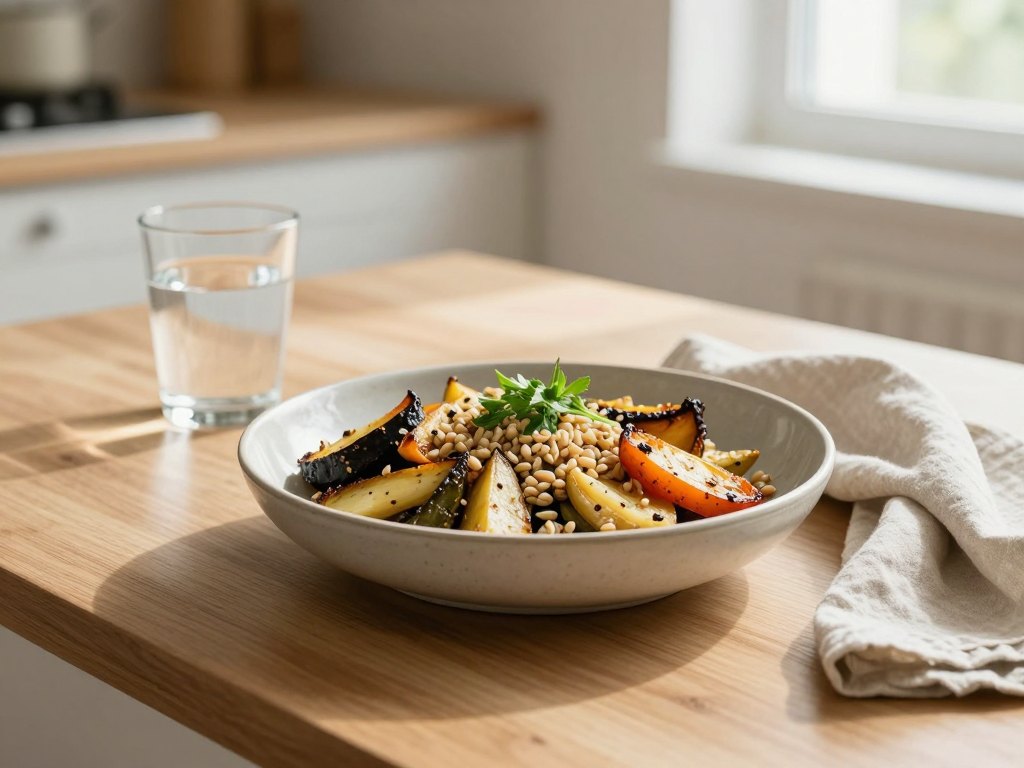
Why diets keep failing you
Most people have tried at least one diet. You cut something out, follow strict rules for a few weeks, feel hungry and tired, and then a single stressful evening undoes everything. The result is usually guilt, a heavier relationship with food and a sense that you simply lack willpower.
The problem is rarely willpower. Diets ask you to live in a way that is not sustainable, and they rarely explain why anything works. When the rules end, nothing remains: no skills, no understanding, no habits. So the old patterns return, often with a few extra kilograms.
This course takes a different route. Instead of another list of forbidden foods, it teaches you how nutrition actually works, based on evidence rather than trends, and then helps you turn that knowledge into small, repeatable habits. You change one thing at a time, so progress feels manageable rather than overwhelming.
The aim is simple: a way of eating and moving that you enjoy, that fits a normal life with work, family and social events, and that you can still follow a year from now.
What you will be able to do
Practical abilities you build step by step over the programme.
- Spot the difference between a diet and a habit
Understand why short-term restriction fails and what to do instead.
- Build a balanced plate without weighing everything
Use simple visual guidelines you can apply at home, at work and in restaurants.
- Read hunger and fullness signals
Learn to recognise real hunger and stop eating without feeling deprived.
- Apply energy balance in a gentle way
Understand how calories work and set a realistic framework for gradual weight change.
- Introduce new habits one at a time
Use a proven method for making small changes stick.
- Handle slips without starting over
Respond calmly to a bad day instead of abandoning the whole plan.
- Separate nutrition facts from myths
Question popular claims and judge sources of information with confidence.
- Add everyday movement and good recovery
Build activity and sleep routines that support your eating habits.
- Plan your long-term routine
Finish with a personal system for maintaining results.
- 7
- modules
- 21
- video lessons
- 1
- habit introduced at a time
- 2
- ways to study: on your own or with a curator
A calm, systematic approach
The programme is built around a systematic view of healthy living. Nutrition, movement, sleep and stress all influence each other, so the lessons look at them together while keeping the focus on eating habits. You will see how small decisions in one area make the others easier.
Everything in the course relies on evidence. Where a popular belief is not supported by research, the lessons say so plainly and explain what the research suggests instead. You will not be asked to follow a rigid menu or to give up foods you love.
Throughout the course you decide your own pace. You can move quickly through topics you already know and spend more time where you feel unsure. The goal is understanding, not memorising rules, so that you can make good choices in situations the course never mentioned.
How the course works
The course is delivered online as a series of video lessons grouped into seven modules. You can start at any time, because there is no fixed cohort date. Each module introduces one theme, explains the reasoning behind it and finishes with a small, concrete task to apply in daily life.
You can study on your own, following the order of the modules at the pace that suits you, or choose the option with a curator who gives feedback and helps you stay on track, where that option is available at checkout. In both cases the lessons and materials are the same.
The recommended approach is to give each module a week or so and to practise the task before moving on. This keeps the changes small and gives each habit time to settle. If a week is too busy, simply pause and return when you are ready; nothing expires on a schedule.
The programme
Seven modules take you from understanding why diets fail to running your own long-term routine.
1Module 1 — Leaving diets behindUnderstand why restriction fails and set a realistic starting point.3 lessons
- Why diets stop working
- Evidence-based nutrition versus trends
- Taking an honest look at your starting point
2Module 2 — Eating without extremesLearn the basics of a balanced diet in plain language.3 lessons
- Hunger and fullness signals
- Building a balanced plate
- Protein, fats and carbohydrates explained simply
3Module 3 — Energy balance without obsessionUse calories as a tool, not a source of stress.3 lessons
- How energy balance really works
- Setting a gentle framework for gradual change
- Portions, labels and everyday estimates
4Module 4 — Building habits that stickTurn knowledge into small routines.3 lessons
- Choosing one change at a time
- Triggers, routines and rewards
- Planning for busy days and eating out
5Module 5 — Slips, stress and emotional eatingStay consistent when life gets difficult.3 lessons
- Why breakdowns happen
- Stress, mood and eating
- Recovering after a slip without guilt
6Module 6 — Movement, sleep and recoverySupport your eating habits with everyday lifestyle choices.3 lessons
- Everyday activity as a foundation
- Choosing exercise you will actually keep doing
- Sleep and recovery basics
7Module 7 — Making it permanentCreate your own long-term system.3 lessons
- Reviewing your progress honestly
- Plateaus and how to respond to them
- Your personal long-term routine
What you get
- Seven modules of video lessons
Clear explanations you can watch on any device.
- Practical tasks for each module
Small assignments that turn ideas into daily habits.
- Supporting materials
Reference notes and worksheets to keep next to you.
- Start at any time
No waiting for a cohort date or a fixed schedule.
- Your own pace
Study on your own or with a curator, depending on the option you choose.
- Ongoing access to the lessons
Return to any module whenever you need a refresher.
- 14-day refund policy
Try the course and ask for a refund within 14 days if it is not right for you.
Is this course for you?
This course is for you if…
- You have tried several diets and want something sustainable instead
- You want to lose weight gradually without constant hunger
- You are confused by conflicting nutrition advice and want a clear, evidence-based view
- You like practical steps and want to change one habit at a time
- You want healthy living to become a normal part of your routine
Probably not a fit if…
- You are looking for a strict menu to follow without understanding the reasons
- You need treatment for a medical condition or an eating disorder, which requires a healthcare professional
- You want extreme or very fast results in a few days
- You are not willing to practise small tasks between lessons
After the course
By the end you will no longer think of food in terms of good and bad, or of success and failure. You will understand how your meals work together, know roughly how much you need and recognise the moments when you tend to overeat.
You will have a set of habits that you introduced one by one, which means they are already part of your week rather than a plan you hope to start on Monday. When a holiday, a busy period or a bad day interrupts them, you will know how to return calmly.
Most importantly, you will have a way of judging new nutrition claims for yourself. The next fashionable diet will not need to be tested on your own body, because you will have the knowledge to recognise what is solid and what is noise.
Questions before you buy
How much time do I need each week?
Plan on a few hours a week: watching the lessons for a module and practising its task. Because the course is self-paced, you can spend more or less time depending on your schedule.
Do I need any prior knowledge?
No. The course starts from the basics and explains every term in plain language. No special equipment, gym membership or cooking skill is required.
How does access work after payment?
Once your payment is confirmed you receive access to the lessons and materials and can start immediately. There is no fixed start date, so you begin whenever you like.
What is your refund policy?
You can request a refund within 14 days of purchase if the course does not suit you.
What format are the lessons in?
The lessons are recorded video lessons, supported by practical tasks and written materials. You can watch them on a computer, tablet or phone.
Will the material stay available?
Yes. You can return to any lesson whenever you want to review a topic or repeat a module.
Do I need to count calories?
Not as a daily chore. The course explains how energy balance works and gives you simple ways to estimate portions, so you understand the principles without obsessive tracking.
Can I study with a curator?
The programme can be taken on your own or with a curator who helps you stay on track. Check the options shown at checkout to see what is available.
Is the course suitable if I have a health condition?
The course is general education about eating habits and is not medical advice or treatment. If you have a health condition, talk to your doctor before changing your diet or activity.
Start building habits you can keep
Begin with the first module today and change one small thing at a time.