Sport · Beginner
Learn to play Russian billiards with a sound technique
A step-by-step video programme that takes you from your first stance to aiming, combination shots and thinking a few shots ahead.
- 5 video lessons
- Homework after every lesson
- Step-by-step structure
- 14-day money-back guarantee
Why so many players stop improving
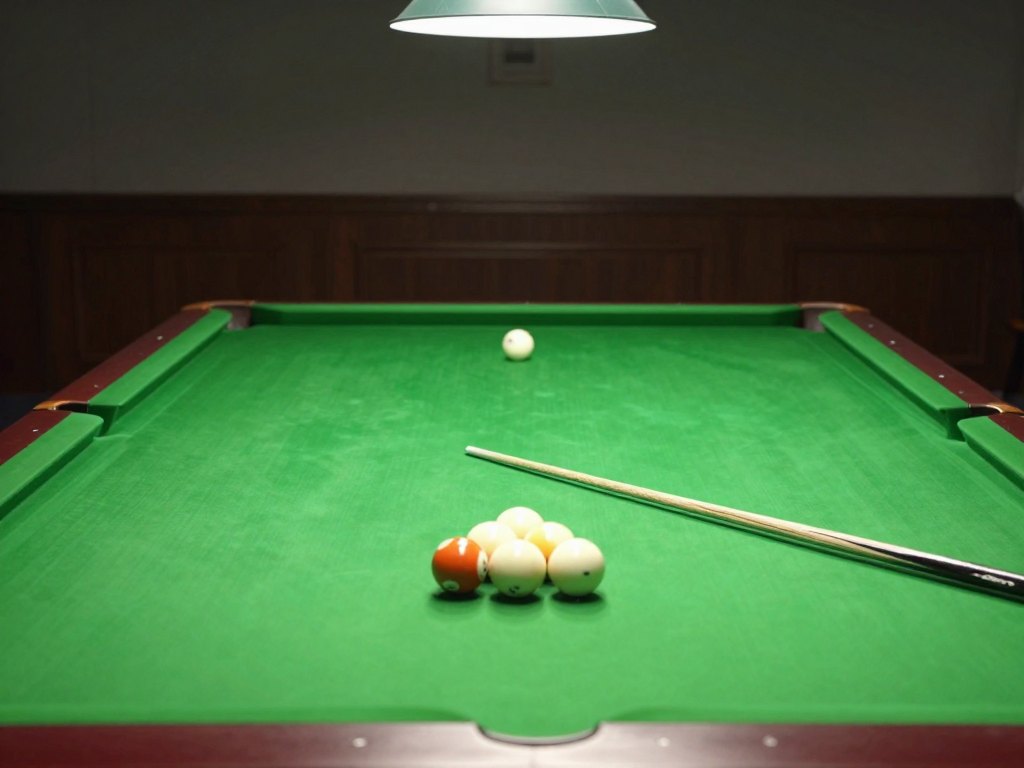
Most people learn billiards by watching friends and copying what looks right. For a while it works, and then progress stops. The same shots keep missing, the cue ball goes where it should not, and nobody can explain exactly why.
The reason is usually simple: small mistakes in stance, grip and stroke were never corrected, and they now sit underneath everything else. A player who aims well but stands badly will miss in unpredictable ways, and that is very hard to fix by playing more games.
This course goes back to the foundations and builds them in the right order. You start with how to stand, hold the cue and make a clean stroke, then move on to straight shots, cutting, combination shots and the first ideas of positional play.
Each lesson is short and focused on one topic. You watch it, then go to the table and practise the drills that come with it. The aim is not to watch more video but to change how you play.
What you will be able to do
- Take a stable, repeatable stance
You will learn the stages of getting into position and the most common mistakes to avoid.
- Hold the cue correctly
Understand where the grip should be and why a relaxed hand makes the stroke cleaner.
- Build five types of bridge
Choose the right bridge for the situation instead of using one habit for every shot.
- Play straight shots with control
Practise the basic strokes that send the cue ball forward, stop it or draw it back.
- Aim at a ball you must cut
Use two basic aiming methods and apply them with drills you repeat on your own.
- Play half-ball combination shots
See how the strength of the hit affects the way the ball rebounds from the aiming ball.
- Recognise typical early-game situations
Learn the first safety replies and ways to leave the cue ball well.
- Think a few shots ahead
Start planning the next position, even if you are still new to the game.
- Practise on your own with purpose
Follow homework drills that target the exact skill from each lesson.
- 5
- video lessons
- 5
- modules
- 5
- types of bridge covered
- 14 days
- money-back guarantee
The idea behind the method
The course follows one principle: every skill is built on the one before it. You cannot aim well from an unstable stance, and you cannot judge a combination shot if your straight shot is not reliable. So the lessons come in a fixed order, and each one prepares you for the next.
Technique comes first. The opening lesson takes the stance, the cue grip and the bridge apart step by step, so that you see what a correct position looks like and where beginners most often go wrong.
Practice comes second. After each lesson there are drills to do at the table, and the lessons stress that understanding aiming or rebound angles comes from repeating well-chosen exercises, not from theory alone.
Thinking comes last. In the closing lesson you learn that even in your first few games some situations call for planning several shots in advance. This is the habit that separates tidy play from random potting.
How the course works
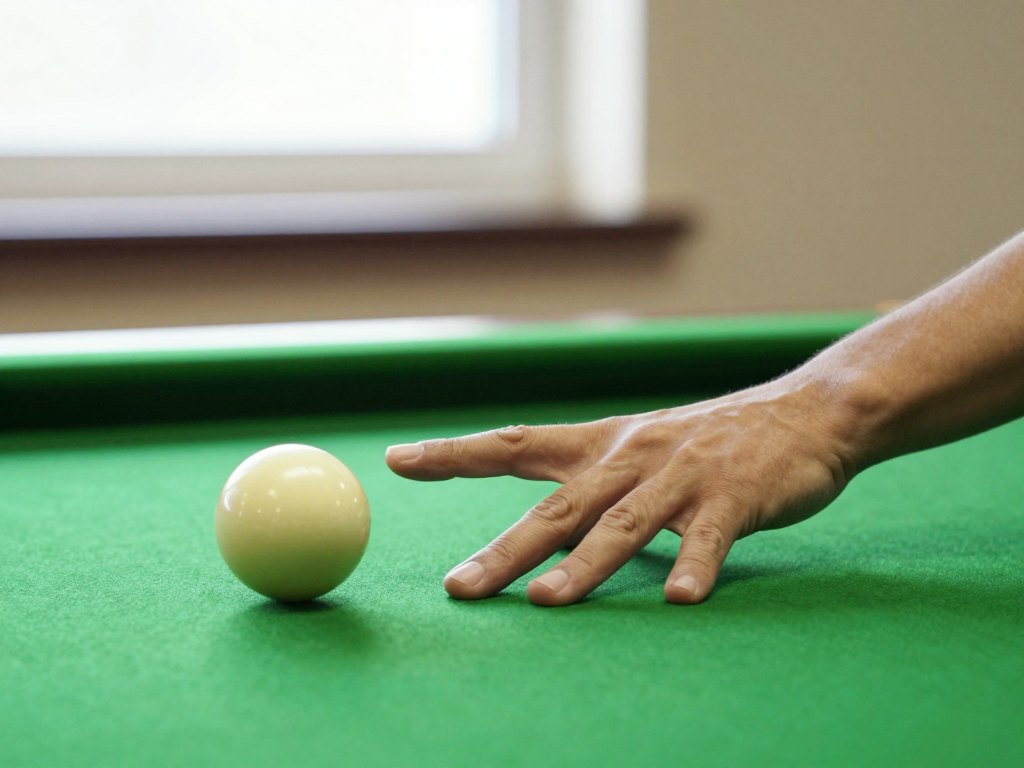
The course is delivered online as a set of video lessons that you watch at your own pace. You can watch a lesson in one sitting, return to a tricky part, and then take the drills to a real table whenever you have time to play.
Every lesson ends with practical tasks for independent work. The recommended approach is to watch one lesson, practise its drills until the movements feel natural, and only then move to the next. Rushing through all five in an evening will not change your game; steady repetition will.
You do not need special equipment beyond access to a billiard table and a cue. The lessons are written for people who are new to the game as well as for players who want to tidy up habits they have built over time.
The programme
Five modules, one lesson each, in the order in which the skills build on each other.
1Module 1 — Stance and bridgesThe base of every shot: how you stand, hold the cue and support it.
- Getting into the stance step by step
- Holding the cue and making the stroke
- The most common beginner mistakes
- Five main types of bridge
- Drills for independent practice
2Module 2 — Straight shotsWhy straight balls are the foundation and how to control the cue ball on them.
- Playing the straight shot with a follow-through (the follow shot)
- Rolling the cue ball forward
- Drawing the cue ball back
- Drills to fix each stroke
3Module 3 — Cutting an object ballLearn to aim at balls that are not in a straight line.
- The first method of aiming
- The second method of aiming
- Key mistakes and how to spot them
- Homework drills for building a feel for the cut
4Module 4 — Half-ball combination shotsThe basic combination shot and the rebound of the ball from the aiming ball.
- Why the half-ball hit matters
- How the strength of the hit changes the rebound
- Drills you should master before moving on
5Module 5 — Exits and opening repliesStart thinking about what happens after the shot.
- Basic opening replies
- Leaving the cue ball in a good place
- Planning several shots ahead
- Putting it all together in a short practice game
What you get
- Five recorded video lessons
Each lesson explains one topic from start to finish.
- Homework for every lesson
Practical tasks you can do at a table on your own.
- A clear learning order
A step-by-step plan so you always know what to practise next.
- Access through your account
Open the lessons whenever suits you, from any device.
- Support through the lessons
Explanations of common mistakes so you can correct yourself.
- A calm, structured pace
No pressure to finish quickly; repeat any lesson as often as you like.
Is this course for you?
This course is for you if…
- You are new to Russian billiards and want to start with correct technique.
- You have played for fun for a while and feel your progress has stalled.
- You prefer learning from structured lessons rather than copying other players.
- You can get to a billiard table regularly to do the homework drills.
- You want a clear plan that explains why each skill matters.
Probably not a fit if…
- You expect to become a tournament player after watching five lessons.
- You do not have any chance to practise at a table.
- You are looking for personal one-to-one coaching at the table.
- You are an advanced player seeking tactics for competitive matches.
After the course
After finishing the programme, you will have a stance and a stroke you can rely on, and you will know how to check them yourself when a shot goes wrong. That alone makes practice more productive, because you are no longer guessing.
You will be able to choose a bridge for the situation, aim at balls you need to cut with a method you understand, and play basic half-ball combination shots with a sense of how force changes the rebound.
You will also start to look at the table differently. Instead of thinking only about the ball in front of you, you will think about where the cue ball will end up and what the next shot will be.
From here you can keep practising with the drills you have collected, or move on to deeper topics such as combination shots with spin and aiming through the whole table, with a much firmer base.
Questions before you buy
How much time do I need per week?
The video lessons are short, so watching takes little time. Most of the effort goes into the drills, so plan a few table sessions of an hour or so each week, depending on how fast you want to move.
Do I need any previous experience?
No. The course starts with the stance and the grip, so complete beginners can follow it. Players with some experience will find it useful for fixing habits.
What do I need to take the course?
A device to watch the videos and regular access to a billiard table and cue, because every lesson comes with practical drills.
How does access work after payment?
After you pay, the lessons become available in your account right away. You can log in from a computer, tablet or phone and start with the first lesson.
What format are the lessons in?
Recorded video lessons, each followed by practical exercises to do on your own. You can pause, rewind and rewatch as often as you like.
Will the material stay available?
Yes. Your lessons remain in your account so you can go back to them whenever you want to refresh a technique.
What if the course is not right for me?
You can ask for a full refund within 14 days of purchase. Just contact our support team and we will take care of it.
Does the course work for left-handed players?
The principles of stance, aiming and rebound are the same for everyone. Left-handed players simply mirror the positions shown in the lessons.
Start building your technique
Five focused lessons, practical drills and a clear order of learning, backed by a 14-day money-back guarantee.