Wellbeing · Beginner
Learn to give a traditional rolling pin massage at home
Five recorded modules take you from your own posture and choice of tool to massaging another person, a closing rite and songs for the session.
- 5 recorded modules
- 18 specific lessons
- E-book included
- Atlases and extra materials
- 14-day refund policy
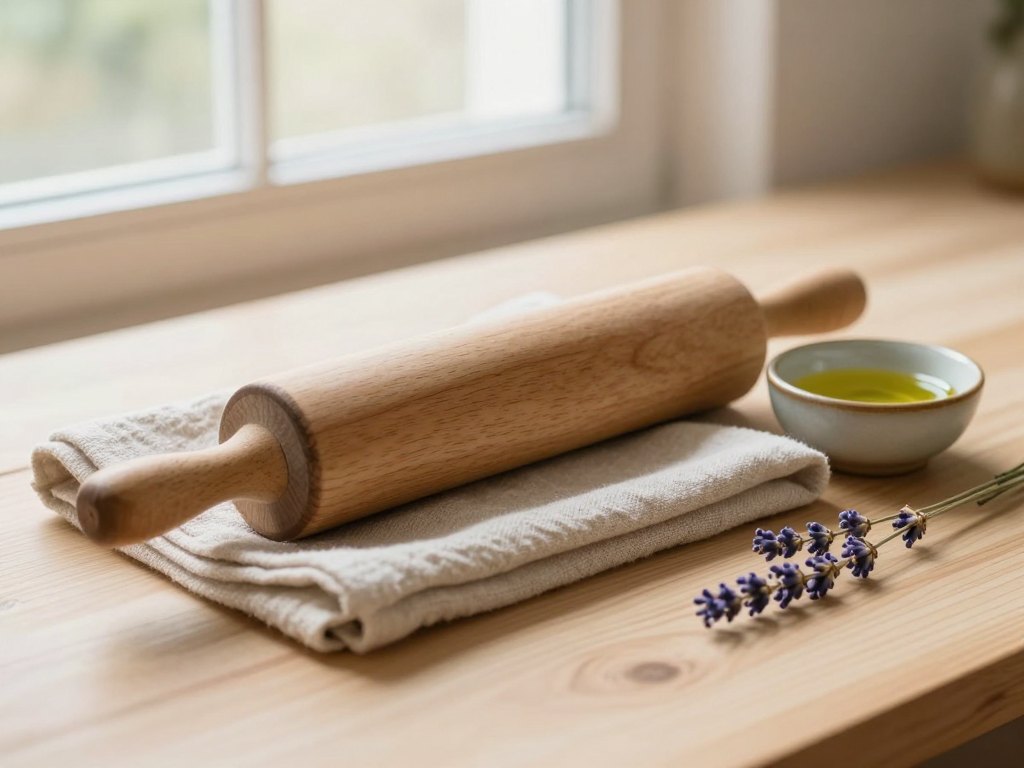
A old folk technique, taught step by step
Rolling pin massage is a traditional way of working with the body using a wooden rolling pin, the whole weight of your body and a slow, rhythmic touch. Many people have seen it described or demonstrated, but it is hard to learn from a short clip. Where do you stand, how do you hold the pin, and how do you keep from tiring your hands after ten minutes?
This programme answers those questions in order. It starts with you: your stance, your support and the way you move. Only then does it move on to the tool, the first movements and work on another person.
The lessons are recordings of live sessions, so you see the technique carried out in real time, with explanations of why each movement is made the way it is. You can pause, rewind and repeat a lesson until the movement feels natural.
The course is meant for home use, with family and friends. It is not a medical programme and does not replace professional care. It is a practical introduction to a craft, with its songs and customs included.
What you will be able to do
By the end of the five modules you will have worked through each of these skills.
- Set up your body for the work
Find a stable stance and a correct support so the effort comes from your whole body, not only your hands.
- Choose a suitable rolling pin
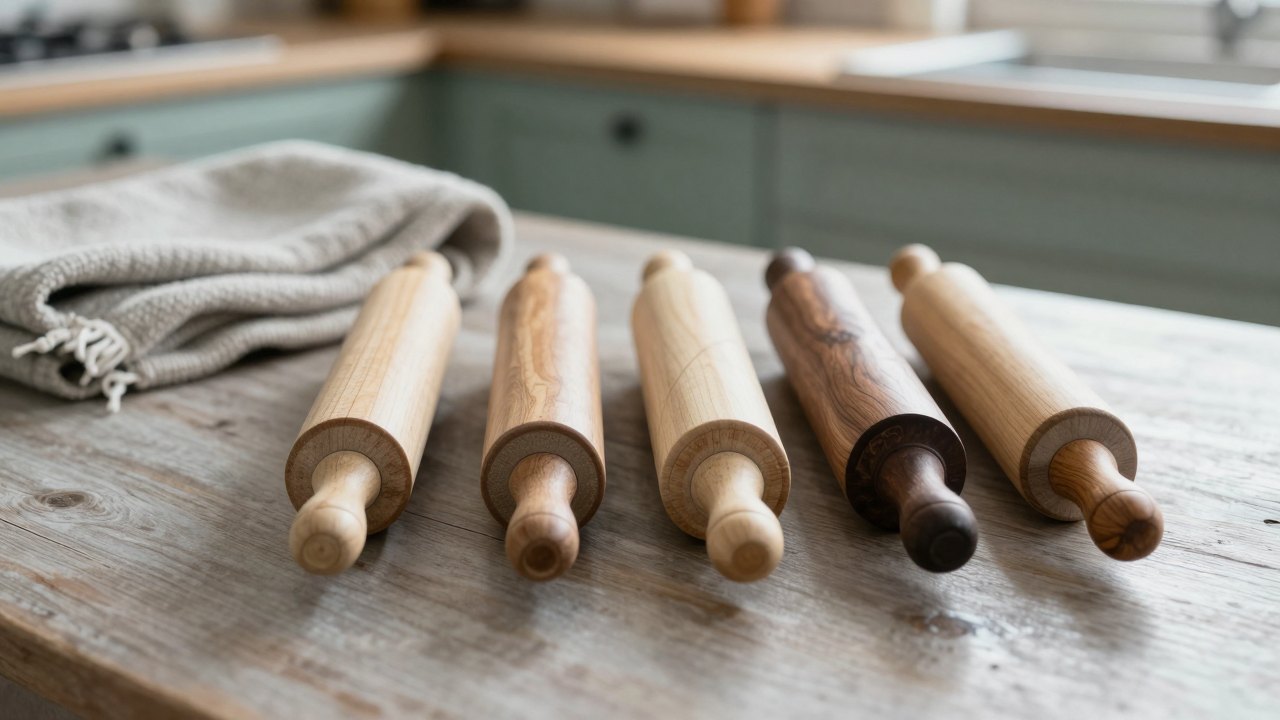
Understand how size and shape change the feel of the session and pick a pin for yourself.
- Practise the massage on yourself
Learn the basic movements on your own body before you work on anyone else.
- Work on the feet, shins, thighs and sacrum
Follow the sequence for the lower body as shown in the lessons.
- Use the named movements
Practise the figure-eight, infinity, scaling, butterfly and corkscrew movements.
- Work the back, neck, shoulders and arms
Move on to the upper body in a second stage of practice.
- Close a session properly
Learn the essential closing element and the traditional closing words.
- Carry out the traditional rite
Learn the stages of the rite performed with flour, honey, oil and herbs.
- Use songs and lullaby elements
Sing from the belly and use simple songs to set the mood of a session.
- 5
- recorded modules
- 18
- lessons in the programme
- 1
- e-book included
- 3
- parts: self-practice, practice with a partner, rite and songs
Who this style of massage is for
The technique appeals to people who like hands-on, traditional practices and want something they can share with those closest to them. You do not need a background in massage, anatomy or folk traditions. The first module is built for someone who has never held a rolling pin for this purpose.
Because the work relies on posture and body mechanics, it also suits those who are tired of massaging only with their hands and want a technique that spreads the effort across the body.
If you are interested in the cultural side, the programme includes the rite with its stages and spoken lines, and a full module of songs. If you are only interested in the physical technique, you can focus on the modules about movements and practice and treat the rest as optional.
How the course works
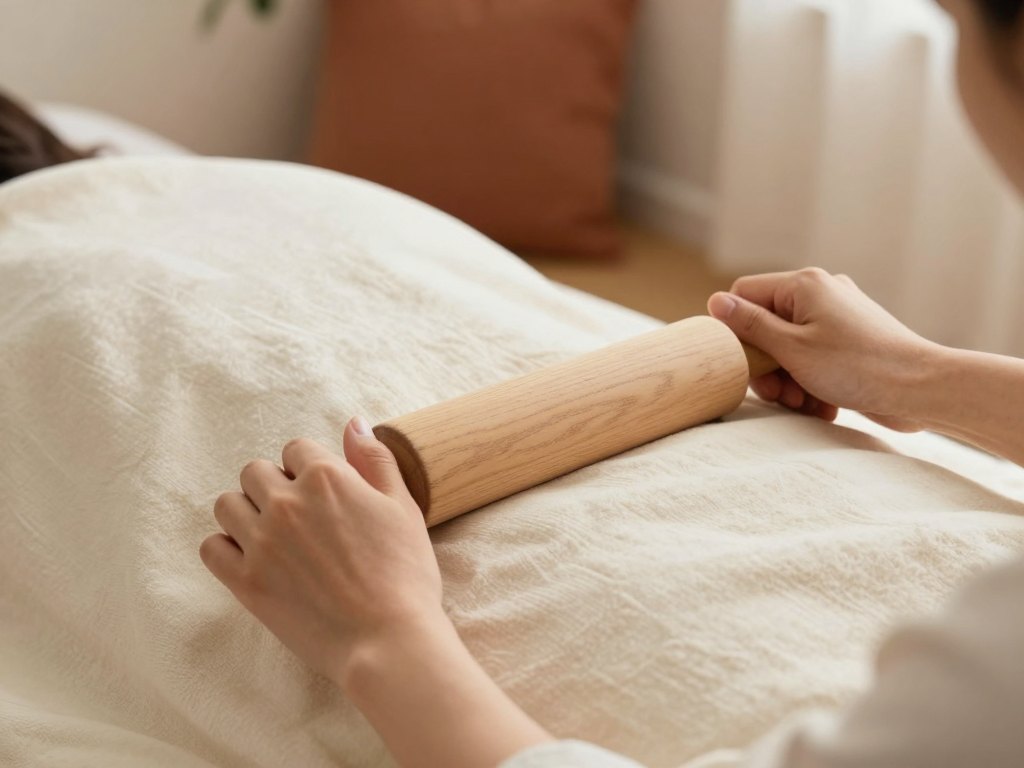
The programme is a recording of live sessions, divided into five modules. You watch the lessons on your own schedule and in your own order of repetition. Between lessons you practise: first on yourself, then with a willing partner, as the modules suggest.
There is no fixed weekly workload. Many learners watch one lesson, then spend a few days practising before moving on, because the movements are physical and need repetition more than they need extra theory.
Alongside the video lessons you receive an electronic version of a book on rolling pin massage and other household body practices, together with additional atlases and supporting materials. Use them as a reference when you want to check a movement or a zone of the body without re-watching a lesson.
The programme
Five modules, from your own posture to the closing rite and songs.
1Module 1 — Building your body for the workPosture, support and tools before the first movement.3 lessons
- Aligning your body for rolling pin work
- Finding a stable stance and a correct support
- Choosing a rolling pin that suits you
2Module 2 — Self-massage and working on another person, part 1Start with your own body, then move to the lower body of a partner.4 lessons
- Self-massage with the rolling pin
- Working the foot, ankle, shin, thigh and sacrum
- The figure-eight, infinity, scaling, butterfly and corkscrew movements
- Using candles during a session
3Module 3 — Working on another person, part 2The upper body and how to finish a session.3 lessons
- Rolling pin work on the back, neck, shoulders and arms
- The essential element of every session
- The traditional closing: to money or to reason?
4Module 4 — The rolling pin riteThe traditional ceremony and how it is built.3 lessons
- The stages of the rite
- Working with flour, honey, oil and herbs
- The spoken lines used during the rite
5Module 5 — Songs for body workVoice, breath and songs to accompany a session.5 lessons
- Songs for body work
- Elements of lullaby trance
- How to sing from the belly
- Exercises to release the abdominal diaphragm
- Types of songs and when to use them
What you get
- Recorded video lessons
Five modules recorded from live sessions, watchable at your own pace.
- An electronic book
A book on rolling pin massage and other household body practices.
- Atlases and supporting materials
Reference materials to check zones of the body and movements.
- Lessons on technique and posture
Detailed attention to stance, support and tool choice.
- A lesson on the traditional rite
Its stages and spoken lines explained step by step.
- A module of songs
Breath, voice and song exercises to complement your practice.
- Access in your account
Everything is delivered online after payment and opens in your learner account.
- A 14-day refund policy
If the course is not what you expected, you can ask for a refund within 14 days.
Is this course for you?
This course is for you if…
- You want to learn a traditional massage technique to use with family and friends.
- You are a beginner and want a clear order: posture first, then tools, then practice.
- You enjoy hands-on crafts and want to try a method that uses your whole body.
- You are interested in the customs around the technique, including the rite and the songs.
- You prefer to learn from recordings and practise at your own pace.
Probably not a fit if…
- You are looking for a professional qualification or a document confirming training.
- You want personal feedback on your technique from a teacher.
- You expect medical treatment or a cure for a health condition.
- You are not comfortable with a practice that includes traditional rites and spoken lines.
After the course
When you finish, you will be able to prepare yourself and your space, hold the rolling pin correctly and guide it with your whole body. You will know the sequence of movements for the lower and upper body and how to close a session.
You will be able to try the practice on yourself and on someone close to you, in a calm and comfortable way. If you choose to, you will also know how the traditional rite is carried out, and you will have a first set of songs and breathing exercises to accompany your work.
Because the lessons stay in your account, you can return to a movement or a module any time you want to refresh your practice.
Questions before you buy
How much time do I need each week?
There is no fixed schedule. Plan on a few hours a week, one lesson at a time, plus short practice sessions. You can move faster or slower depending on how much you want to repeat.
Do I need any experience or special knowledge?
No. The course starts with posture and tool choice and assumes you have never done this kind of massage. You will need a rolling pin and a partner willing to be practised on once you reach the second module.
How does access work after payment?
After you pay, the course appears in your learner account, where you can start watching straight away. The access details are shown on the order page and in your confirmation.
What is your refund policy?
You can ask for a refund within 14 days of purchase if the course does not suit you.
What format are the lessons in?
They are recorded video lessons taken from live sessions, supported by an electronic book, atlases and other materials. Everything is self-paced.
Will the material stay available?
Yes. The lessons and materials remain in your account, so you can return to them as often as you like.
Will I get feedback on my practice?
This is a self-study programme. Practise at your own pace and compare your technique with the lessons and materials.
Is this a medical or professional course?
No. It is a practical introduction to a traditional technique for home use and is not a substitute for medical care or professional training.
Start learning the technique
Five modules, 18 lessons and an e-book, available as soon as you order.