Languages · Beginner
Help your child read English with confidence and without tears
Thirty playful video lessons take children aged 7 and up from the alphabet to simple sentences and a first short book, step by step.
- 30 video lessons
- Interactive practice tasks
- Printable materials
- Automatic task checking
- Access from any device

Why reading English is so hard for children
English reading is not just recognising letters. The language has more than 40 sounds but only 26 letters, so some sounds have no letter of their own, others are written in several ways, and the same letter can sound different depending on its neighbours. Add diphthongs and exception words, and learning to read can feel like climbing a mountain.
Perhaps your child studies English at school but still reads badly. Perhaps they memorise the rules and still make mistakes, or they read aloud without understanding what the words mean. Dictations may be a source of stress, bad marks may be hurting their confidence, and some children simply dislike the subject and feel shy about speaking.
Most of these problems have the same root: the reading rules were never put into a clear system. Children under ten learn best through play, pictures and frequent changes of activity, not through long lists of rules to memorise.
This course is built around that idea. It presents the rules as simple formulas and clear diagrams, moves from easy to difficult, and keeps every lesson light enough that a child wants to come back for the next one.
What your child will be able to do
The programme follows a clear path from the very first letters to a first book.
- Recall the alphabet confidently
Letters and their names are refreshed before any rules are introduced.
- Read single letters correctly
Learn how each letter sounds in common words, step by step.
- Recognise common letter combinations
Pairs of letters that make a single sound become familiar patterns.
- Read and understand individual words
Reading is always tied to meaning, not just pronunciation.
- Handle exception words more calmly
Words that break the rules are grouped and practised on their own.
- Read and understand simple sentences
Short texts with pictures and questions build comprehension.
- Read a first short book
The final modules prepare your child to read a story from start to finish.
- Follow spoken English more easily
Lessons use immersion, so listening skills improve alongside reading.
- 30
- video lessons
- 6
- modules from alphabet to first book
- 4 months
- of access on the standard plan
- 7+
- recommended age of the child
The method behind the lessons
The course was designed for primary-school children who cannot yet read English or want to understand the reading rules better. Its format follows the age and psychology of this group: explanations are short, clear and free of complicated vocabulary, so every child can follow them.
All the information is packed into simple formulas and tidy diagrams. Because the material moves from simple to complex, children absorb the rules almost without noticing, and each new step rests on something they already know.
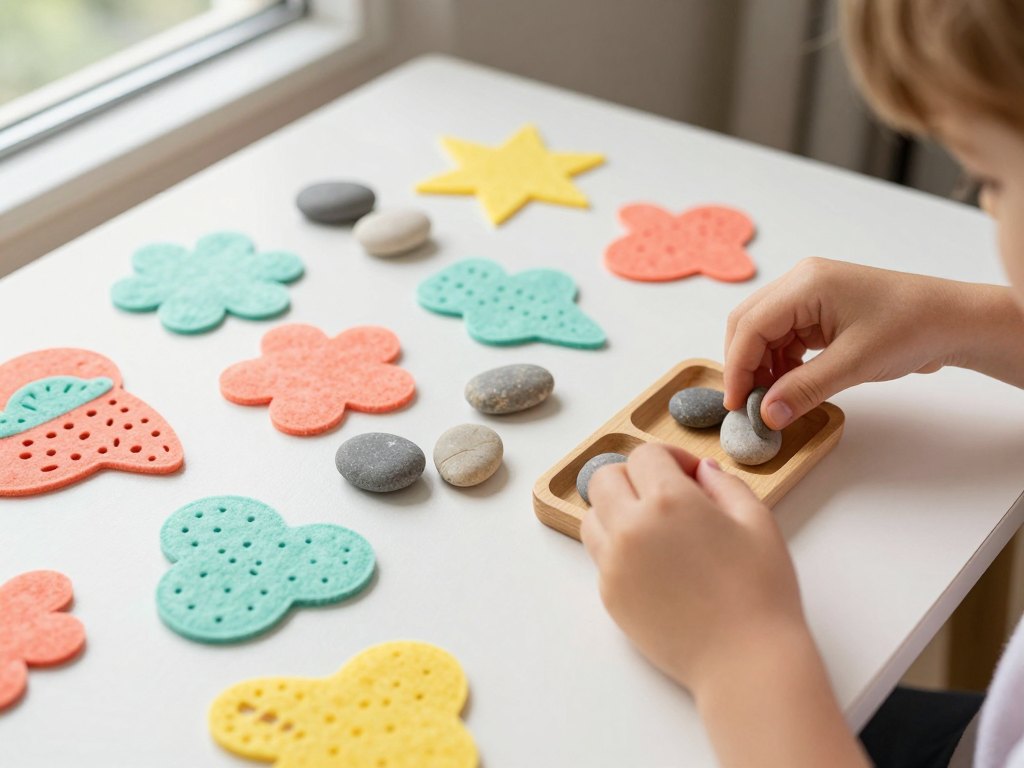
Play is the natural learning environment for a child under ten, so practice is built from games, quick tasks and frequent changes of activity. Every lesson aims for emotional involvement. When a child enjoys the lesson, good results follow naturally.
Visual material matters too. Each lesson comes with a colourful video presentation and ready-to-print materials, and the course includes rule books with fun exercises for independent work.
How the course works
All materials live in your personal account on the learning platform. The video lessons are recorded in professional quality and you can watch them as many times as you like, at a pace that suits your child. If a topic needs another pass, you can go back to it at any point.
Each lesson contains practical tasks, games and exercises that consolidate the new material. Your child moves on to the next lesson after completing them. Special check lessons at the end of each block help you follow progress: successful results in the test mean your child is ready for new topics, while mistakes show which lessons are worth revisiting.
The lessons use immersion: the teaching is visual and well structured, so it needs no translation, and children get used to hearing the language while they learn to read. Every lesson also has a detailed explanation for parents, so you can support your child even if you do not speak English yourself. Questions can be asked in the lesson comments.
You need a stable internet connection and a computer, laptop or tablet. A smartphone works too, but a larger screen is more comfortable for a child. Some lessons include materials to download and print.
The programme
Six modules and thirty lessons, each followed by a check so you can see when your child is ready to move on.
1Module 1 — The alphabet and the sounds of EnglishRefresh the letters and learn to hear the difference between a letter name and its sound.5 lessons
- Revisiting the alphabet letter by letter
- Letter names and letter sounds
- Vowels and consonants for beginners
- Playing with sounds and first short words
- Check lesson: alphabet and sounds
2Module 2 — Reading single lettersLearn how each letter usually sounds and read the first simple words.5 lessons
- Short vowel sounds in simple words
- Consonants and their main sounds
- Reading three-letter words
- Practice with printable sound cards
- Check lesson: single letters
3Module 3 — Letter combinationsMeet the pairs and groups of letters that produce a single sound.5 lessons
- Common consonant pairs
- Vowel pairs and their sounds
- Silent letters in familiar words
- Reading words with letter combinations
- Check lesson: letter combinations
4Module 4 — Long vowels and tricky wordsUnderstand how vowels change in different positions and how to handle exceptions.5 lessons
- The final e rule explained simply
- Diphthongs without the difficult vocabulary
- Words that break the rules
- Preparing for dictation
- Check lesson: long vowels and exceptions
5Module 5 — From words to sentencesRead with understanding, matching words to pictures and meaning.5 lessons
- Reading and understanding single words
- Matching words and pictures
- Reading short sentences aloud
- Answering questions about a sentence
- Check lesson: words and sentences
6Module 6 — Your first bookPut everything together and read a short story from beginning to end.5 lessons
- Getting ready for the first book
- Reading a short story aloud
- Understanding what you have read
- Retelling the story in simple words
- Final review and next steps

What you get
- 30 recorded video lessons
Colourful presentations designed for children from age 7.
- Interactive practice tasks
Games and exercises after each lesson to consolidate new knowledge.
- Automatic task checking
Your child gets instant feedback on the exercises.
- Check lessons
Tests that show whether to move on or revisit a topic.
- Printable materials
Ready-made sheets and cards to download and print.
- Parent notes for every lesson
Clear explanations for adults who do not know English.
- Comments under each lesson
A place to ask questions and get feedback.
- Access from any device
Study from anywhere, at any time that suits your family.
Is this course for your child?
This course is for you if…
- Your child is 7 or older and cannot yet read English
- Your child knows the rules but still makes reading mistakes
- Your child reads aloud but does not understand the text
- Your child finds dictations hard or worries about marks
- Your child dislikes English and feels shy about speaking it
Probably not a fit if…
- Children under 7 who cannot read in any language yet
- Learners looking for advanced grammar or essay writing
- Families who want live one-to-one teaching as the core of the course
- Parents who expect results without regular short practice
After the course
By the end of the programme your child should know the alphabet well, understand how letters and letter combinations are read, and be able to read and understand individual words and simple sentences.
The final module leads to a first short book, a moment that often changes how children feel about the language. Reading stops being a source of stress and becomes something they can do on their own.
Because the lessons use immersion, your child will also be more used to hearing English, which makes later study easier. You will also see from the check lessons exactly where your child is strong and where more practice is useful.
Questions before you buy
How much time does my child need each week?
There is no fixed schedule. The course is self-paced, and short regular sessions of a few lessons a week suit most children aged 7 and up. You can speed up or slow down depending on how your child feels.
Does my child need any English before starting?
No. The course is made for children who cannot yet read English, as well as those who want to understand the rules better. It starts by revisiting the alphabet.
I do not speak English. Can my child still study?
Yes. The lessons are visual and structured so that they need no translation, and every lesson has a detailed explanation for parents.
How does access work after payment?
After you pay, the lessons are available in your personal account on the learning platform. You can watch them on a computer, laptop, tablet or smartphone, as often as you like during your access period of four months.
What format are the lessons?
Recorded video lessons with colourful presentations, interactive tasks, games, check lessons and printable materials. Some materials need to be downloaded and printed.
Will the material stay available?
All lessons stay in your account for the whole access period, and you can repeat any lesson at any time. Printable sheets that you download can be kept for further practice.
How can I track my child's progress?
Each block ends with a check lesson. Successful results mean your child is ready for the next topic, while mistakes show which lessons to revisit. You can also ask questions in the comments.
What is the refund policy?
If the course is not right for you, you can ask for a refund within 14 days of purchase.
Start reading English together
Give your child a clear, playful path from the first letters to a first book.