Parenting · Beginner
Help your child learn to read and count through play
A story-led video programme for ages 3 to 7 that turns reading and maths into a journey around the world, with every lesson ready to use at home.
- Video lessons for ages 3 to 7
- Three difficulty levels
- Printable tasks for each lesson
- Parent guide with every lesson
- 14-day refund policy
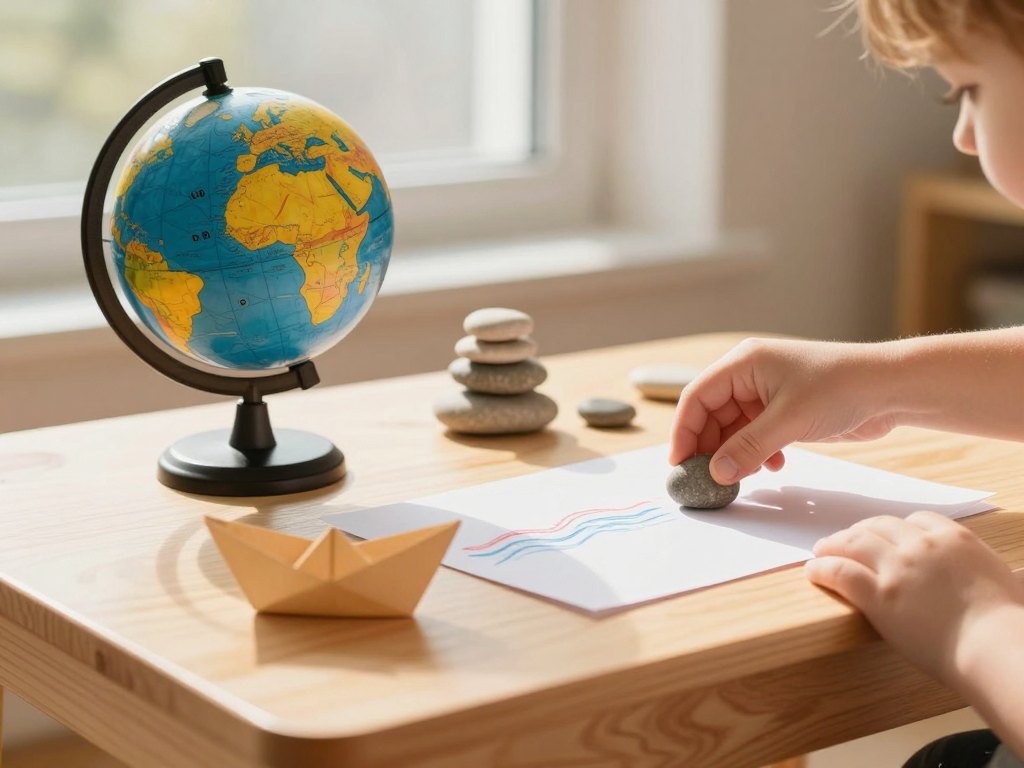
Learning at home should not feel like a battle
Most parents want to prepare their child for school without turning the kitchen table into a classroom. In practice, it is hard. Sessions start with good intentions, then stall because there is no plan, no suitable materials and not enough time to invent new games every evening.
Children between three and seven learn best when they are curious. A lesson that begins with a question about the sea, the forest or the city holds attention far longer than a page of letters. Reading and counting then become tools for finding out more, not chores that have to be finished.
This programme is built around that idea. Each lesson is a short journey to a new topic. Inside the journey sits a carefully ordered portion of reading, writing and maths, moving from simple to complex, so your child progresses without noticing the effort.
You do not need teaching experience. Every lesson comes with a guide that tells you what to prepare, what to say and which games to repeat later without the video.
What you will be able to do
Outcomes for you and your child after working through the programme.
- Teach letters and early reading step by step
Follow a sequence that moves from simple sounds to words and short texts.
- Introduce counting and early maths with real objects
Use everyday items and craft materials to make numbers concrete.
- Practise writing through drawing and hands-on tasks
Prepare a young hand for letters with playful, low-pressure exercises.
- Run a regular routine of short, enjoyable sessions
Replace irregular cramming with a rhythm that suits your family.
- Choose the right difficulty for your child
Pick from three levels depending on age and previous experience.
- Widen your child's horizons with topic-based learning
Explore nature, places and everyday phenomena together.
- Combine screen time with movement
Use active breaks so your child is not simply sitting in front of a screen.
- Repeat favourite games away from the screen
Turn the best activities from each lesson into offline play.
- 3 to 7
- years: the age range covered
- 3
- difficulty levels in the programme
- 6
- modules in the curriculum
- 1
- set of printable tasks with every lesson
Why learning through the world around us works
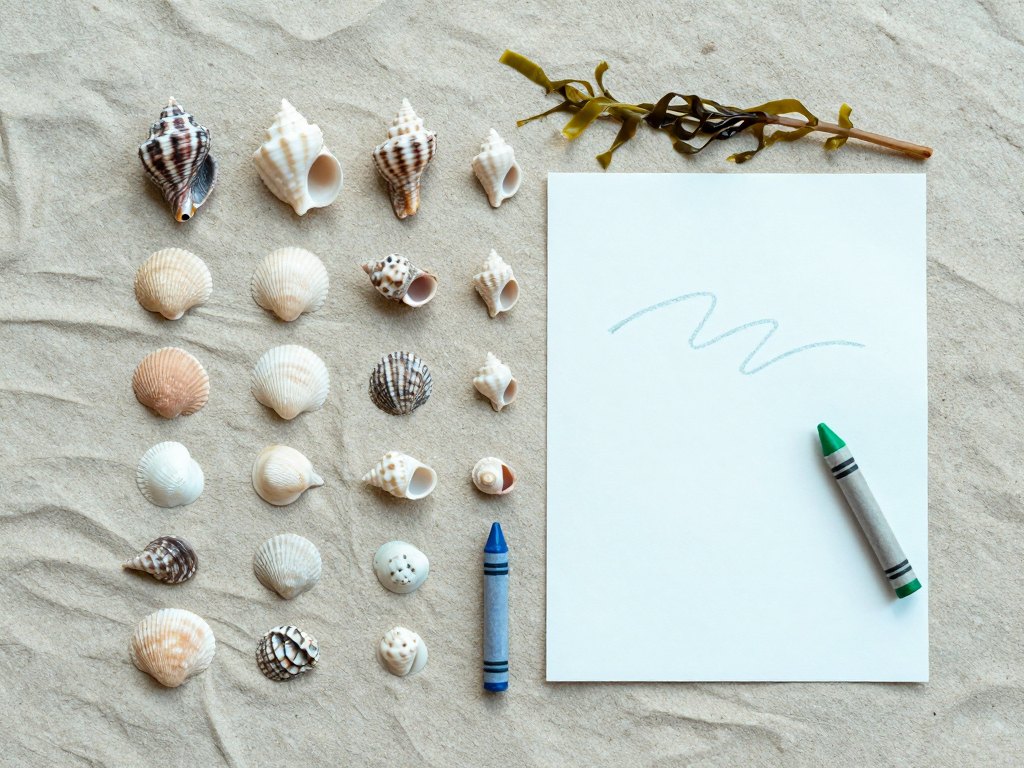
Young children do not separate subjects the way a timetable does. A conversation about the sea is also a conversation about counting shells, sorting by size, spotting the first sound in a word and drawing waves. The programme respects this by combining subjects inside one topic.
Because the topics change from lesson to lesson, your child always has something new to look forward to. The repetition that every learner needs happens naturally: the same letters, numbers and ideas come back in different settings, which strengthens memory without boredom.
The aim is not speed. It is to support a child's natural wish to find things out and to give that wish a clear direction. A child who enjoys learning at four tends to arrive at school confident and willing to ask questions.
How the course works
After payment you receive access to the video lessons and additional materials on the learning platform. You can start straight away and work at the pace that suits your family, whether that is a few lessons a week or one a day.
Each lesson includes a guide for the parent. Read it before you sit down with your child: it lists what to prepare, usually simple craft items or natural materials such as leaves, stones or paper. The lesson also contains practical tasks to print. If you cannot print them, you can work from the screen or simply copy the drawings by hand.
We strongly recommend watching the lessons together with your child. An adult who takes part and shows interest makes the biggest difference to results. If your child asks to watch a lesson again from the beginning, that is a good sign: repetition is one of the best ways to learn. Any game from a lesson that your child enjoys can also be played again without the video.
The programme
Six modules that combine exploring the world with reading, writing and maths. Topics and tasks are available at three difficulty levels.
1Module 1 — Getting started with the world around usMeet the format, prepare your space and take the first journey.Self-paced
- How a lesson is structured and how to prepare
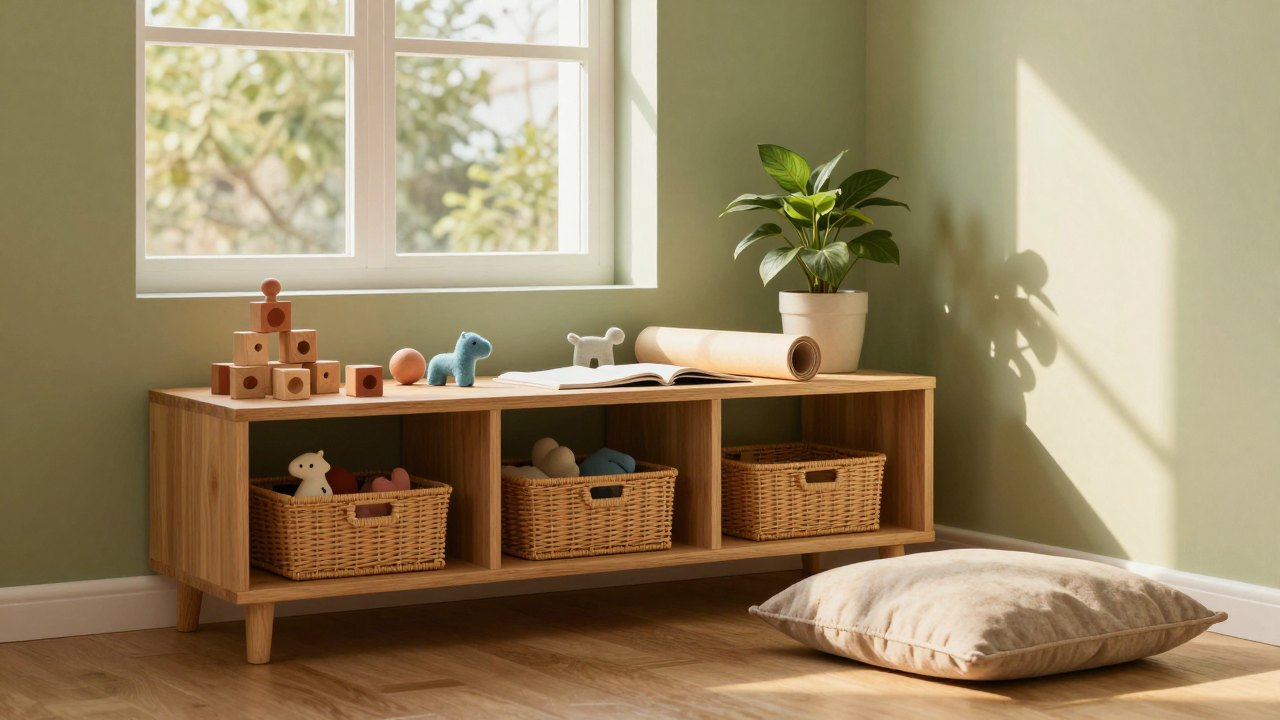
- Setting up a calm learning corner at home
- A first journey: exploring a new place together
- Playing back what we saw without the video
2Module 2 — Sounds, letters and first wordsBuild the foundations of reading in a gentle sequence.Self-paced
- Hearing the first sound in a word
- Meeting letters through objects and pictures
- Joining sounds into syllables
- Reading the first simple words
- Choosing the right difficulty level for your child
3Module 3 — Numbers and countingMake quantity visible and understandable with everyday objects.Self-paced
- Counting objects and comparing groups
- Recognising and writing numbers
- Sorting, patterns and sequences
- Simple adding and taking away with real items
4Module 4 — Preparing the hand for writingPlayful exercises that lead towards confident writing.Self-paced
- Drawing lines, shapes and waves
- Making letters from craft and natural materials
- Copying letters and short words
- Working from a printed sheet, the screen or a hand-drawn copy
5Module 5 — Topic journeys: nature and placesThematic lessons where reading and maths are used to explore the world.Self-paced
- A journey to the sea
- Forest, plants and animals
- Weather and the seasons
- Our town and the things around us
- Reading and counting inside a story
6Module 6 — Moving, repeating and growingActive breaks, review games and next steps.Self-paced
- Movement breaks between tasks
- Review games for letters and numbers
- Turning lesson games into everyday play
- Planning the next steps with your child
What you get
Everything included with your purchase.
- Video lessons
Story-led lessons you can watch together as many times as you like.
- Three difficulty levels
Content for children aged 3 to 7 with different levels of preparation.
- Thematic task sets
A set of original learning tasks for every lesson.
- Parent guide for each lesson
Clear instructions on what to prepare and how to run the activity.
- Printable and on-screen worksheets
Print them out, use them on screen or redraw them by hand.
- Movement activities
Active moments built into lessons so children are not just watching.
- Ongoing access
Return to any lesson whenever you need it.
- 14-day refund policy
Try the programme and ask for your money back within 14 days.
Is this course for you?
This course is for you if…
- You are a parent or carer of a child aged 3 to 7
- You want to teach your child to read, write, think and solve simple problems
- You find it hard to study regularly, effectively and with enjoyment
- You would like to broaden your child's view of the world and help them find a new interest
- You prefer ready-made materials and clear guidance to inventing activities yourself
Probably not a fit if…
- You are looking for one-to-one tutoring or live lessons with a teacher
- You expect your child to learn entirely alone, without an adult taking part
- You need a programme for teenagers or older school pupils
- You want an intensive cram course with a guaranteed result by a fixed date
After the course
After working through the programme, you will have a routine that your family can sustain. Sessions are short and predictable, and your child knows that a new journey is waiting at the next lesson.
Your child will have met letters, early reading, counting and writing in a logical order, and will have practised them across many topics. You will know how to adjust the level, which games to repeat and how to turn everyday moments into small learning opportunities.
Most importantly, the time you spend together stays enjoyable. Children remember how learning felt as much as what they learned, and a positive start is a lasting advantage.
Questions before you buy
How much time do we need each week?
There is no fixed schedule. Many families work for 15 to 30 minutes a few times a week, but you can go faster or slower depending on your child's mood and attention.
Do I need any teaching experience or special knowledge?
No. Every lesson comes with a guide for parents that explains what to prepare and how to run the activities.
What age is the programme suitable for?
It is designed for children from 3 to 7 years old, with three difficulty levels so you can choose content that matches your child's preparation.
How does access work after payment?
Once your payment is confirmed you receive access to the video lessons and additional materials on the learning platform. You can start immediately and study on your own schedule.
What format are the lessons in?
They are recorded video lessons with printable tasks and a parent guide. The tasks can also be completed on screen or copied by hand if you cannot print.
What materials do we need?
Mostly simple things: paper, pencils, basic craft supplies or natural materials such as leaves and stones. Each parent guide lists exactly what to prepare.
Should my child watch alone?
We recommend watching together. Your involvement helps your child stay engaged, and many games can be repeated afterwards without the video.
Is there a refund policy?
Yes. If the programme is not right for you, ask for a refund within 14 days of purchase.
Will the material stay available?
Yes. The lessons and materials remain available in your account, so you can repeat them or use them again with a younger child.
Start the first journey with your child
Order the programme and begin learning to read, write and count through discovery.