Gardening · All levels
Grow richer harvests on loose, fertile soil with less effort
A three-month programme that shows you, step by step, which garden jobs matter and which you can safely drop, so you keep your back and your free time.
- Weekly video modules
- Checklists and practical tasks
- Soil, seedlings, fruit, vegetables
- Bonus strawberry course
- 14-day refund policy
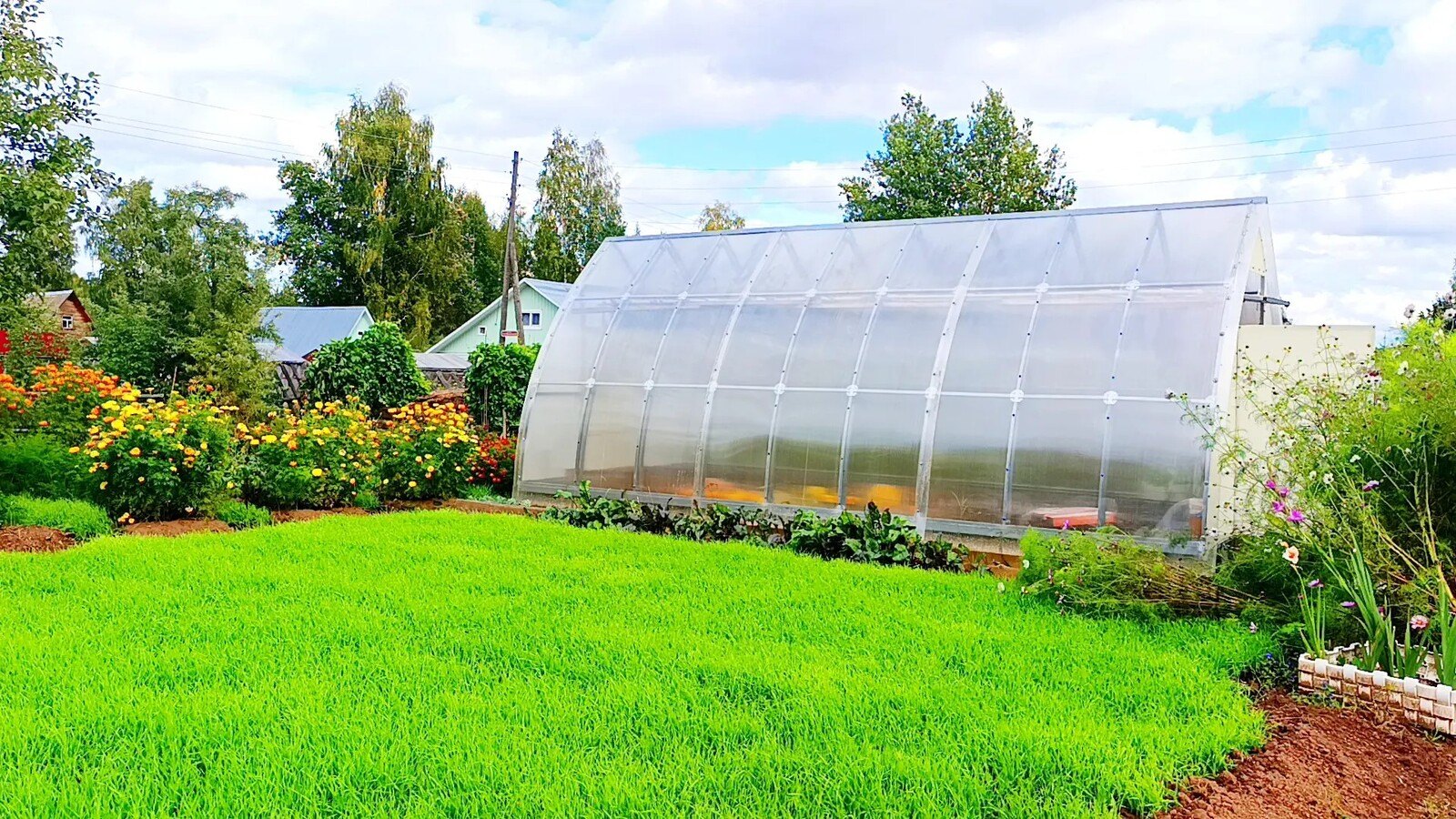
Why the garden can feel like endless work
Many gardeners love their plot but never seem to catch up with it. The soil sets hard like asphalt after rain, weeds return a fortnight after weeding, and the autumn dig-over leaves you with a sore back and a modest harvest. When a wet summer arrives, all that effort can feel wasted.
Questions pile up. Why do honeysuckle and currant bushes produce no berries? What do the microorganisms in the soil actually do, and which ones help you? How do you protect plants without reaching for a bottle of chemicals every weekend? Advice from neighbours and videos often contradicts itself, and it rarely says where to start.
This course is built on one idea: good growing practice is the best protection against disease, and once you understand how the soil and plants work, you can do less and still harvest more. The material draws on long experience from plant nurseries, variety-testing stations and pest-control centres, and it is explained in plain language for any region.
Instead of a pile of tips, you get a system. You begin with the soil, move on to seedlings, then fruit, berries and vegetables, and finish with protecting everything naturally, following the order of the gardening year.
What you will be able to do
- Improve soil fertility without digging over
Use methods that let the ground rest and recover instead of turning it every autumn.
- Deal with virgin land and heavy weed cover
Prepare a new plot without heavy machinery and without exhausting yourself.
- Choose and sow green manures
Pick plants that act as natural ploughs for clay, sandy or acidic soil.
- Mulch at the right time
Decide what to sow and when, so the ground stays soft and fertile through the season.
- Grow strong peppers, tomatoes and cucumbers from seed
Set the right temperature, light and watering, and know when to prick out and harden off.
- Diagnose seedling problems
Understand why young plants fall over, stretch or turn yellow, and correct it.
- Plant and prune fruit trees and berry bushes
Get planting depth, spacing, feeding and pruning right for apples, currants, raspberries, honeysuckle and gooseberries.
- Run a greenhouse microclimate
Manage ventilation, watering and light, and shape tomatoes, cucumbers, peppers and aubergines.
- Plan beds and crop rotation
Lay out an open-ground vegetable garden that keeps the soil healthy year after year.
- Prevent and handle pests and diseases
Use prevention first, then simple natural remedies for the most common problems.
- 3 months
- of weekly module releases
- 7
- topic modules in the programme
- 6 months
- of access to the materials
- 1
- bonus strawberry course
Work with nature instead of against it
The core method of the programme is simple: let the soil do the heavy lifting. Rather than turning the ground over every year, you learn how cover crops, mulch and mowing instead of pulling out weeds can build structure and feed soil life.
The same thinking runs through the rest of the course. Healthy, well-fed plants in the right conditions resist disease better, so most of the lessons teach you what to do at the start of the season to avoid problems later.
- Mow weeds rather than fight them
- Let green manures loosen the soil
- Mulch to keep moisture and softness
- Water less often but more thoughtfully
- Treat prevention as your main tool
How the course works
Each week a new module opens with video lessons, written summaries and practical tasks. You study at your own pace, apply each step to your own plot, and move on when you are ready. The three-month schedule follows the gardening season, so what you learn matches what your garden needs.
The programme consists of video lectures, checklists and practical assignments, and includes the bonus strawberry course. You can follow it alone, in the evenings or at weekends, and return to any lesson when a particular job comes up.
The product described here is the self-paced programme, which gives you the whole system of lessons and materials to work through at your own speed.
The programme
Seven modules that follow the order of the gardening year, from the ground up, plus a bonus strawberry course.
1Module 1 — Soil without heavy diggingRaise fertility without hauling tonnes of manure or peat.5 lessons
- Ploughing a plot without overstraining your back
- What to do with virgin land and a thick layer of weeds
- Mowing instead of pulling: how it changes the soil
- Natural ways to enrich the soil without chemicals
- Methods for restoring soil without turning it over
2Module 2 — Green manures and mulchingHelpers for the soil and for your back.4 lessons
- Which plants work as the best natural ploughs
- Improving clay, sandy and acidic soils
- When and what to sow so the ground stays soft without digging
- Mulching: materials, timing and mistakes
3Module 3 — Seedlings from variety to transplantingStrong young plants for the whole season.5 lessons
- Choosing varieties of peppers, tomatoes and cucumbers
- From seed to sturdy bush: the growing technology
- Ideal temperature, light and watering
- Why seedlings fall, stretch or turn yellow
- Pricking out and hardening off before planting out
4Module 4 — Fruit and berry cropsVarieties, care and feeding for orchard and berry patch.6 lessons
- Choosing berry varieties for your region
- Planting saplings: depth, spacing and feeding
- Pruning fruit trees and berry bushes
- Seasonal care: watering, feeding and disease protection
- Raising yields without chemical stimulants
- Apples, honeysuckle, currants, raspberries and gooseberries: care, pruning and varieties
5Module 5 — Vegetables in protected cultivationGreenhouses, tunnels and the microclimate inside them.6 lessons
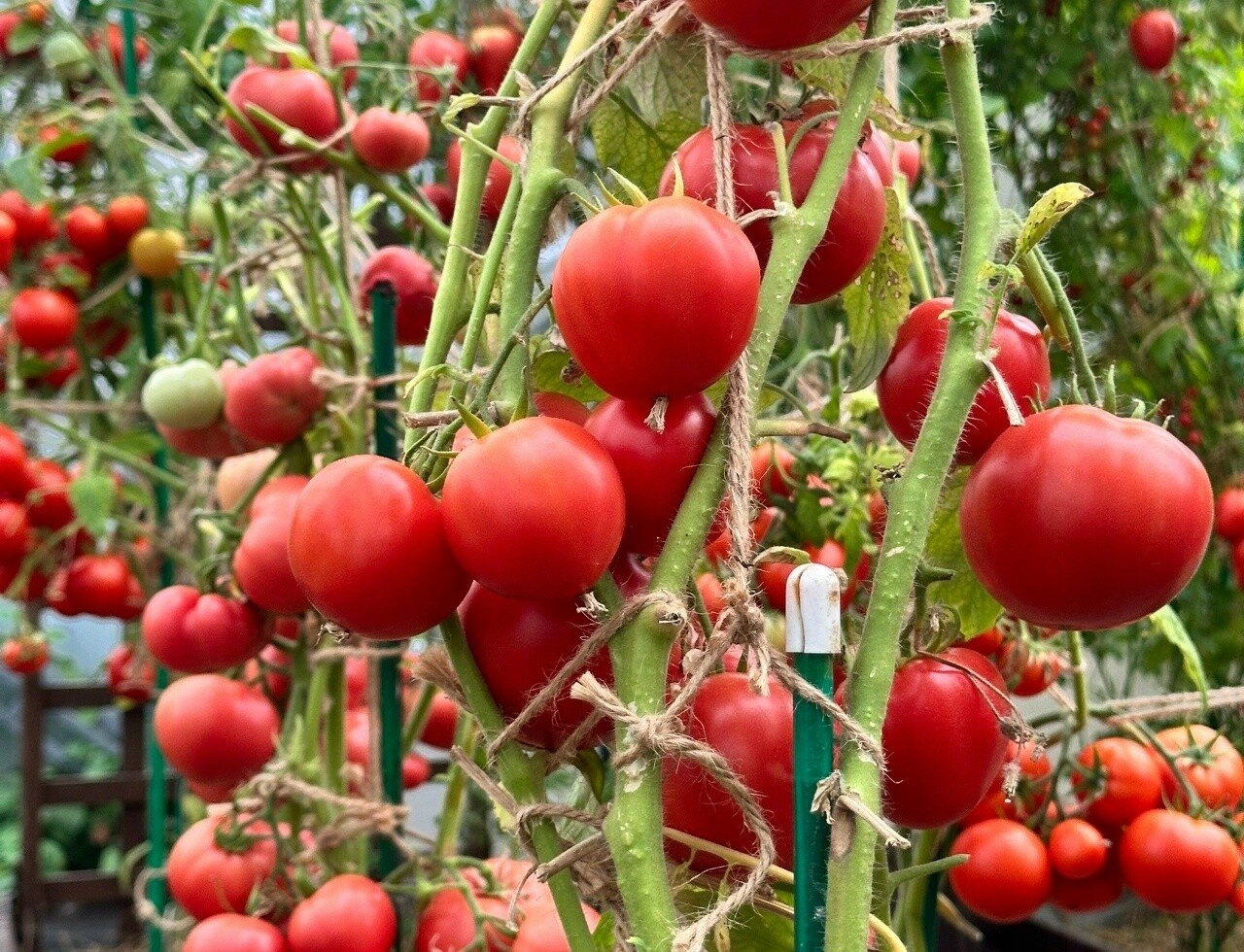
- Tomatoes in the greenhouse: varieties, shaping and side-shoot removal
- Cucumbers: tying up, shaping and care
- Peppers and aubergines: encouraging abundant fruiting
- Greenhouse microclimate: ventilation, watering and light
- Disease prevention under cover
- Choosing a greenhouse, cold frame or hoops for each crop
6Module 6 — Vegetables in open groundBed layout and rotation that keep the soil healthy.5 lessons
- Planning beds and crop rotation
- Cabbage: dealing with slugs and other tricks
- Root crops: carrots, beetroot and radishes without chemicals
- Legumes: peas and beans as nitrogen fixers
- Squash family: courgettes, patty pans and pumpkins
7Module 7 — Pests and diseasesA safe medicine cabinet and a prevention-first approach.5 lessons
- A safe gardener's first-aid kit: folk remedies that work
- Prevention instead of treatment: simple methods
- Colorado beetle, aphids, slugs and mole crickets
- Protection against late blight, powdery mildew and black leg
- Attracting beneficial insects to your plot
8Bonus module — StrawberriesA complete course on growing garden strawberries.Bonus course
- Choosing and planting strawberry varieties
- Seasonal care and feeding
- Protecting strawberries from common problems
What you get
- Weekly video lessons
New modules open once a week for three months.
- Written summaries
Concise notes to revisit when a job comes up in the garden.
- Checklists
Seasonal lists of what to do, and what you can skip.
- Practical assignments
Tasks that you apply directly to your own plot.
- Master classes
Extra practical sessions alongside the main modules.
- Bonus strawberry course
A full course on strawberries included with the programme.
- Six months of access
Study at your own pace and return to the lessons all season.
Is this course for you?
This course is for you if…
- You have a garden or vegetable plot and want to spend less time and strength on it
- Your soil is heavy, hard or poor and you want to improve it without chemicals
- You grow, or want to grow, seedlings, tomatoes, cucumbers or berry bushes
- You are new to gardening and need a clear order to follow
- You are experienced but want to simplify your routine and understand the reasons behind each job
Probably not a fit if…
- You want a quick fix with no practical work in the garden
- You expect one-to-one consultations on your own plot
- You are looking for ornamental or landscape design rather than growing food
- You need guaranteed harvests regardless of weather and region
After the course
By the end of the three months you will have a garden plan that follows the season. You will know which jobs deserve your time, how to feed the soil without turning it over, and how to read your plants when something goes wrong.
Your seedlings will start the season stronger, your beds will have a rotation that supports the soil, and you will have a first-aid approach to pests and diseases that begins with prevention. You will also know what each of your crops wants at each stage of the year.
Weather will still surprise you, as it surprises every gardener. The difference is that you will have the knowledge to respond calmly, protect your back and keep time free for rest.
Questions before you buy
How much time do I need each week?
A new module opens weekly. Plan a few hours to watch the lessons, read the summaries and apply the tasks in your garden. You decide the pace and can catch up later.
Do I need gardening experience?
No. The programme starts with the soil and moves step by step through the year, so beginners can follow it, while experienced gardeners will find new methods and explanations.
How does access work after payment?
After payment you receive access to the course materials. Modules open weekly over three months, and the materials remain available to you for six months.
What is the refund policy?
You can request a refund within 14 days of purchase.
What format are the lessons in?
Self-paced video lectures with written summaries, checklists and practical assignments, plus master classes and a bonus strawberry course.
Will the material stay available?
Yes, you can return to every lesson during your access period of six months and revisit topics as the seasons change.
Will this work in my region?
The lessons are written so that an amateur gardener in any region can adapt the advice to their own plot, including choosing varieties suited to local conditions.
Do I need special equipment?
No. Many methods are designed to replace heavy machinery and expensive purchases. Some topics, such as greenhouses, are useful if you have one but not required.
Make this season easier
Start with the soil, follow the gardening year and spend more time enjoying your harvest.