Parenting · Beginner
Get your child ready for first grade in 15 minutes a day
A practical programme for parents that replaces drilling letters and numbers with play that builds the foundations of learning.
- Self-paced video lessons
- 15 minutes of practice a day
- Games and exercises for home
- Made for children aged 5–7
- 14-day refund policy
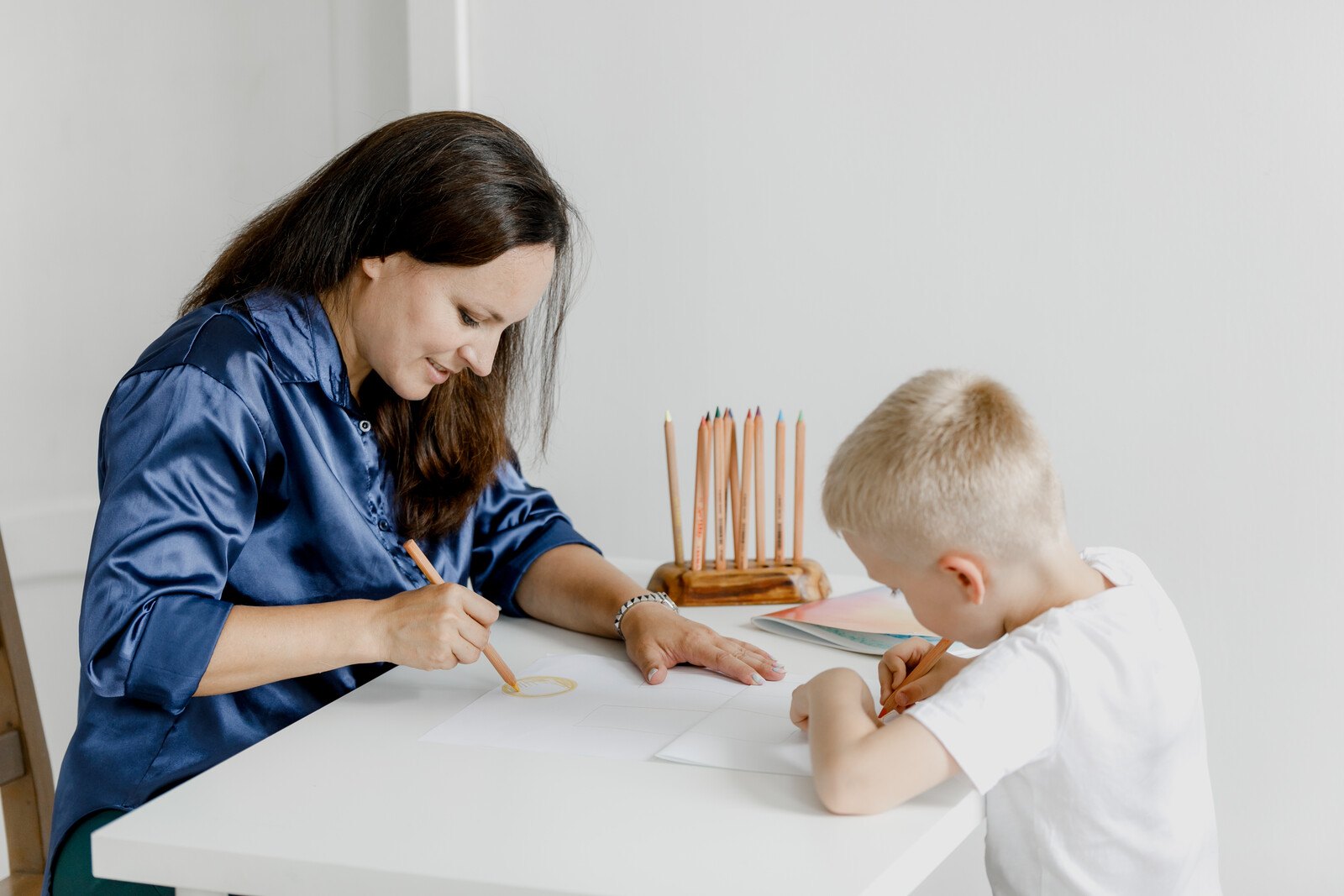
Why school readiness is more than reading and counting
When a child is about to start first grade, most parents reach for the obvious things: flashcards, copybooks, early reading drills. It feels responsible. Yet many children who can recite the alphabet still struggle to sit through a lesson, hold a pencil comfortably or keep their attention on one task.
The reason is often not a lack of knowledge. Learning at school depends on a quieter foundation: how well a child senses their own body, tells left from right, and feels the world through touch. It also depends on whether early movement patterns, known as reflexes, have settled as they should. When this foundation is shaky, writing feels like hard physical work and school becomes a daily struggle.
This programme looks at readiness from that angle. It shows you what to observe in your child, how to test it with simple games, and what to practise so that learning becomes easier. You do not need a teaching background or special equipment, and you do not need an hour a day. Short, regular practice is the whole idea.
What you will be able to do
Practical skills for you, as the parent who knows your child best.
- Judge whether your child is ready for school
Learn what actually signals readiness, and why it is not the ability to read, write or count.
- Run a short readiness check at home
Use game-like exercises to see how your child's brain hemispheres work together.
- Support the basic senses behind learning
Understand how touch and the other basic senses shape the way a child takes in information.
- Test your child's sense of touch
Try a simple exercise that shows how your child perceives the world through the hands.
- Build orientation in body and space
Practise left, right, up, down, front and back through play, the skills that reading and writing rely on.
- Recognise reflexes that get in the way of writing
Find out why some children dislike writing and what lies behind it.
- Use an exercise that eases writing difficulties
Apply a simple movement exercise that helps children with the grip and handwriting.
- Fit preparation into 15 minutes a day
Build a light daily routine that you and your child can both enjoy.
- Prepare your child as a whole person
Look past academic drills and plan for body, senses, attention and mood together.
- 15 min
- of practice a day
- 5
- modules in the programme
- 5–7
- age of the child
- 3
- areas of focus: senses, orientation, reflexes
Play first, paperwork later
The method behind the programme is simple: before a child can learn to write, the body has to be ready to write. That means a comfortable sense of the hands, a clear feeling for direction, and a calm movement system that does not fight the pencil.
Each lesson explains one piece of this picture and then gives you something to try straight away. You play with your child, watch how they respond, and adjust. Over a few weeks the games become part of your day, and you will often notice that tasks that used to end in tears begin to feel easier.
- Observe before you teach
- Short games instead of long drills
- One clear exercise per topic
- Practice that suits a family routine
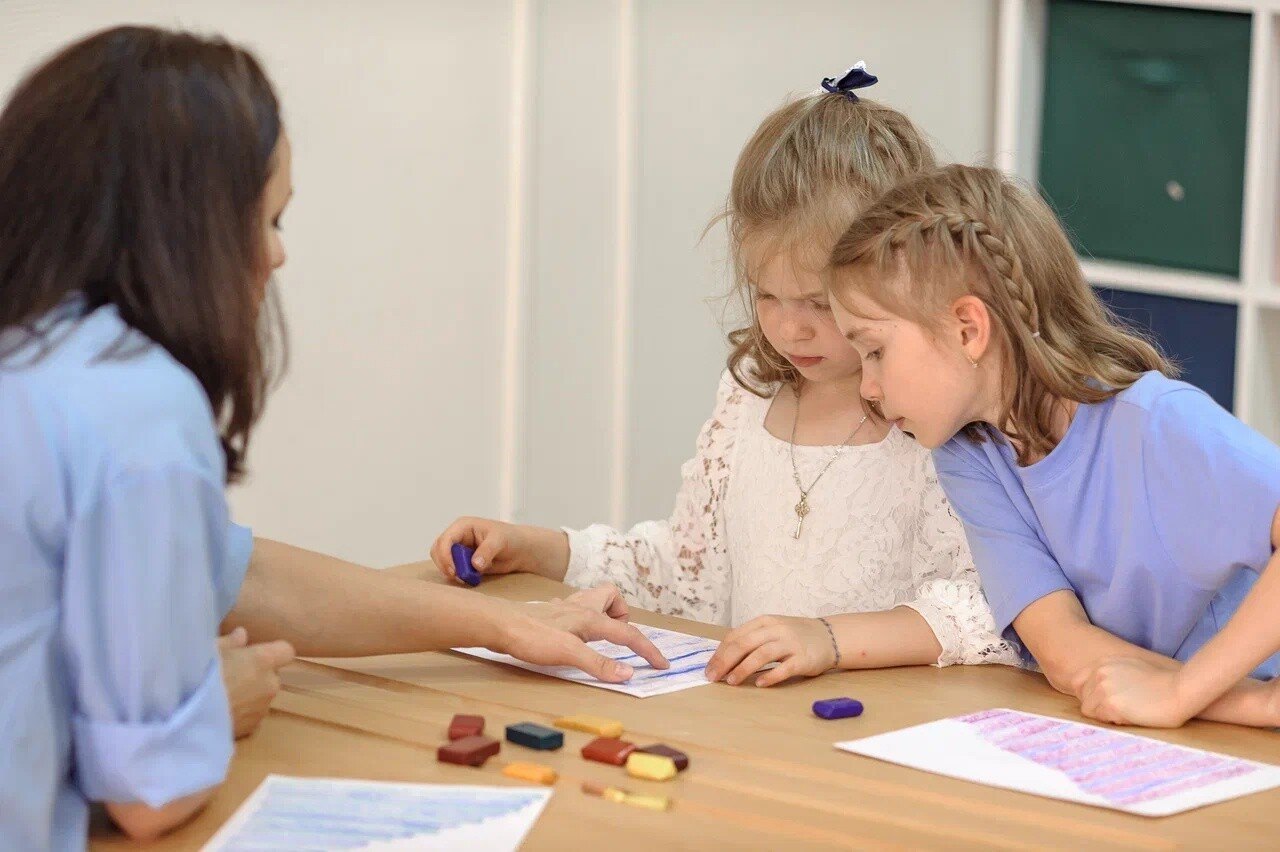
How the course works
The programme is delivered as self-paced video lessons on an online learning platform. After payment you receive access and can start the same day. You decide when to watch: during a quiet evening, at the weekend or in small pieces over the week. Nothing is scheduled, so there is no live session to miss.
Each module follows the same rhythm. You first learn why a topic matters for learning, then see how to check it with your child, and then get games and exercises to practise. We suggest that you watch a lesson on your own first and then try the activity with your child the next day, keeping to about fifteen minutes.
The lessons are written for parents without any special training. Terms are explained in plain language, and every exercise can be done at a kitchen table or on the living-room floor. You can come back to any lesson as often as you like, which is useful because children change quickly and a game that was too hard in September may be just right in November.
The programme
Five modules take you from observing your child to a settled daily routine.
1Module 1 — Is your child ready to learn?What readiness really means and how to check it at home.3 lessons
- What to look at when judging readiness for school
- Why reading, writing and counting are not the test
- A simple way to see how the two brain hemispheres cooperate
- Game-style exercises for a readiness check at home
2Module 2 — The senses behind successful learningHow basic senses prepare a child for school and for life.3 lessons
- The basic senses and why they matter for learning
- How touch affects the way a child takes in information
- An exercise to assess your child's sense of touch
3Module 3 — Orientation in the body and in spaceDirections as the hidden base of reading and writing.3 lessons
- Left, right, up, down, front, back: why they matter
- How a feeling for direction shapes reading and writing
- Games to develop orientation with your child
4Module 4 — Reflexes that make learning harderWhy some children dislike writing and what helps.4 lessons
- Why many children do not like to write
- The palmar reflex as a common obstacle to handwriting
- A simple exercise that eases writing difficulties
- Preparing the child as a whole, not only academically
5Module 5 — Your 15-minute daily routinePutting it all together in a rhythm that lasts.3 lessons
- Planning a short practice slot that fits your day
- Choosing games that match what your child needs
- Learning easily: reading, writing and counting through play
What you get
- Self-paced video lessons
Watch whenever it suits you, on a phone, tablet or computer.
- Ready-to-use games and exercises
Activities you can start with your child right after each lesson.
- A simple readiness check
Exercises that help you see where your child is today.
- A daily 15-minute routine
A realistic plan rather than a long list of tasks.
- Access on the learning platform
Your lessons are available right after payment.
- Material that stays available
Come back to any lesson as your child grows.
- A 14-day refund window
If the programme is not right for you, you can ask for your money back within 14 days.
Is this course for you?
This course is for you if…
- Parents of children aged 5–7 who will soon start first grade
- Parents who want to prepare their child without pressure or long drills
- Parents who notice that their child dislikes drawing, writing or sitting still
- Caregivers and teachers who would like practical games for small children
- Anyone who prefers to learn at home, at their own pace
Probably not a fit if…
- Parents looking for a programme that teaches a child to read fluently in a few days
- Families who want personal one-to-one consultations about a medical diagnosis
- Those who expect a replacement for a doctor's or specialist's assessment
- Parents who do not have 15 minutes a day to spend playing with their child
After the course
By the end of the programme you will know your child better. You will be able to say how they handle touch, direction and movement, and which small difficulties may be making school harder than it needs to be. Instead of worrying in general terms, you will have specific things to observe and specific games to play.
Your evenings can also look different. Rather than negotiating over copybooks, you will have a short, cheerful routine that your child recognises and often asks for. Starting school will still be a big change, but you will go into it with a clearer picture and practical tools.
The programme is about preparation and understanding, not guarantees. Every child develops at their own pace, and if you have concerns about health or development, a qualified specialist remains the right person to ask.
Questions before you order
How much time do I need each week?
The routine is built around about 15 minutes of practice a day with your child. Beyond that, you need a little time to watch the lessons, which you can spread over as many days or weeks as you like.
Do I need any prior knowledge or special training?
No. The programme is written for parents and explains every idea in plain language. You do not need a background in teaching or psychology.
What age is the programme meant for?
It is designed for children who are preparing for first grade, roughly between 5 and 7 years old.
How does access work after payment?
After you pay, you receive access to the lessons on the online learning platform. You can start straight away and watch at your own pace.
What format are the lessons in?
The lessons are recorded videos with explanations and demonstrations of games and exercises. You can watch them on a computer, tablet or phone.
Will the material stay available?
Yes. Once you have access, you can return to the lessons whenever you need them, for example when your child reaches a new stage.
What is the refund policy?
You can request a refund within 14 days of your purchase if the programme is not what you expected.
Do I need special equipment?
No. The games and exercises use things most families already have at home, such as paper, pencils and a bit of floor space.
Can this replace a medical or specialist assessment?
No. The programme helps you observe and support your child through play, but it does not replace a professional diagnosis. If you are worried, please consult a qualified specialist.
Start preparing your child this week
Fifteen minutes a day of play can make the first school year calmer for both of you.