Photography · All levels
Create more than twenty portrait looks with one softbox
A practical studio course that shows how one large light source can produce very different results for women's and men's portraits.
- 20+ lighting setups
- Homework with reviews
- Jargon-free video lessons
- 14-day refund
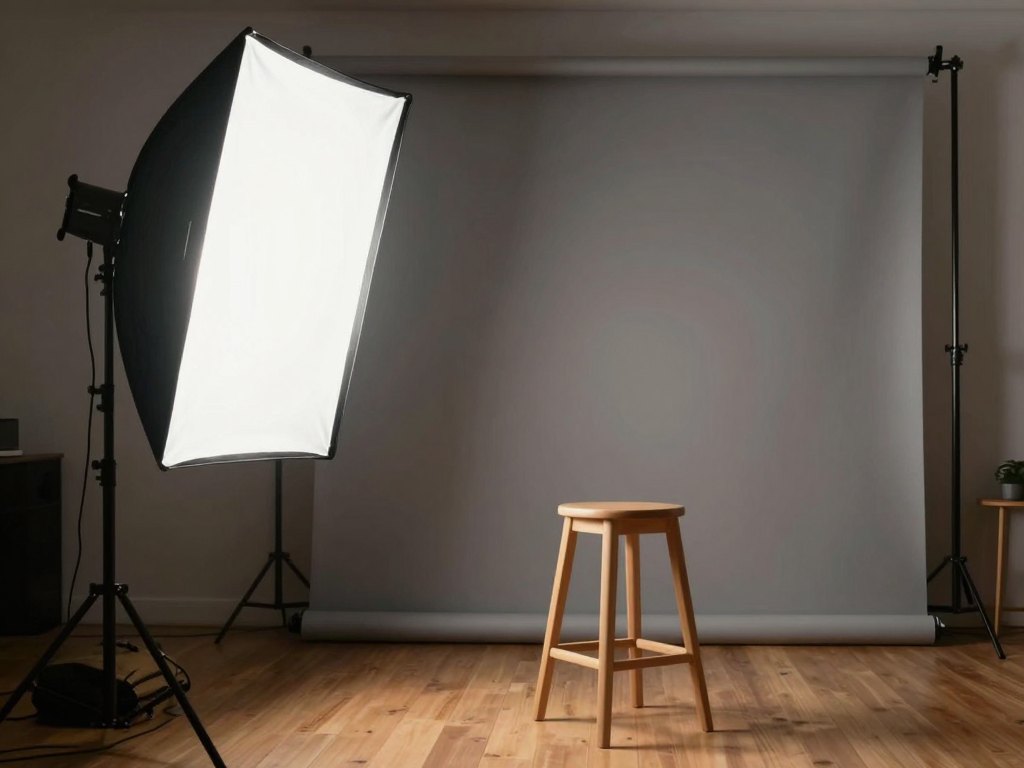
One light, many possibilities
Many photographers believe that good studio portraits need a rack of equipment: several flashes, grids, snoots and a long list of accessories. In practice, most people start with one large softbox, use it in a single way, and wonder why their pictures look flat or look just like everyone else's.
The problem is rarely the equipment. It is that nobody explained what the light is actually doing. A softbox moved thirty centimetres closer, turned a few degrees or paired with a simple reflector can change the mood of a portrait completely. Once you understand those controls, one light stops feeling limiting and starts feeling like a complete toolkit.
This course is built around exactly that idea. It walks through more than twenty lighting setups for female and male portraits, all created with just one large softbox. Each setup is explained in plain language, so you can see why it works, copy it, and then adapt it to your own models and your own space.
The lessons avoid complicated terminology. Instead of memorising theory, you learn by looking at the light, building the setup, shooting and reviewing the result. That is the same way the craft is learned in a real studio.
What you will be able to do
- Build more than 20 portrait lighting setups
Each one uses only a single large softbox.
- Control softness, contrast and shadow shape
By changing distance, angle and height with intent.
- Light a female portrait for different moods
From clean and soft to dramatic and sculpted.
- Light a male portrait that shows character
Emphasise texture, structure and presence.
- Read the light on a face before you shoot
Spot problems in seconds and fix them calmly.
- Use reflectors and cards to refine a scheme
Fill shadows or deepen them with simple tools.
- Adapt a setup to different faces and clothing
Adjust for glasses, hair, skin and background.
- Plan a complete shoot from one lighting idea
Turn a single scheme into a consistent series.
- 20+
- lighting setups
- 1
- large softbox needed
- 6
- modules
- 24
- video lessons
Why a single light source is the best way to learn
When you work with several lights, it is hard to tell which one is responsible for what you see. Beginners often add another light to fix a problem, and the picture becomes more complicated without becoming better. Working with one source removes that confusion.
With a single softbox, every change has a visible cause. If the shadow under the nose lengthens, you know why. If the eyes lose their sparkle, you know which adjustment brought it back. This clarity is what builds real skill, and it carries over directly when you later add more lights.
It is also practical. A large softbox is one of the most affordable and widely owned pieces of studio equipment. You do not have to buy anything unusual to follow the course, and you can apply every lesson in a small room as long as you can place the light and the model with some space between them.
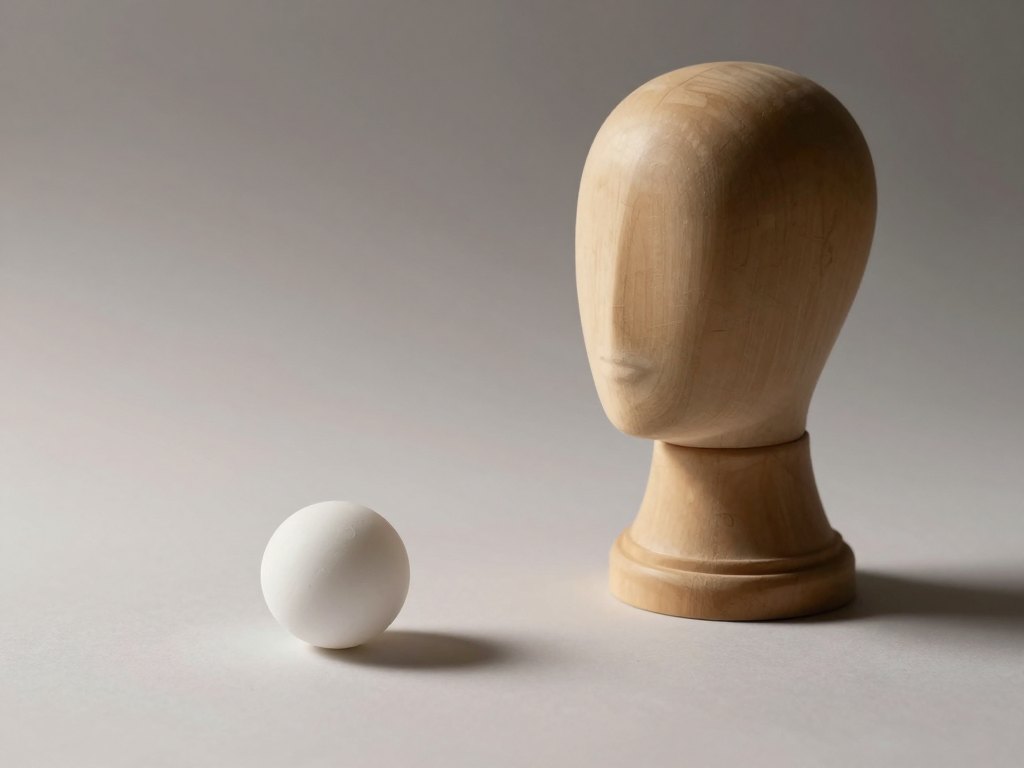
How the course works
The course is made of recorded video lessons with sharp picture and clear sound, so you can see every detail of the setup. Lessons are grouped into six modules. Each module starts with the principles behind a family of lighting schemes and then moves on to concrete setups that you can reproduce.
Learning to light is a practical skill, so the course includes homework assignments and your own test shoots. You build a setup, take the pictures, and compare your result with the explanations in the lessons. Assignments are reviewed, and questions about the material are answered, so you do not have to work through problems alone.
You can study at your own pace. Many learners watch one or two lessons, then book a short session with a model or a friend to practise, and return to the next lesson once they have the results in front of them. There is no need to rush through the programme, and the lessons stay available so you can come back to any setup whenever you need it.
The programme
Six modules take you from understanding the softbox to building complete portrait sessions around it.
1Module 1 — Getting to know your softboxHow a large light source behaves and what you can control.4 lessons
- What a large softbox does to light and shadow
- Distance, size and angle: the three main controls
- Reading the light on a face
- Preparing your space and equipment for the course
2Module 2 — Foundations of female portrait lightingThe core schemes that flatter and shape a face.4 lessons
- Soft frontal light and its variations
- Short light and broad light compared
- Side light for shape and mood
- Refining the scheme with reflectors and cards
3Module 3 — Female portrait setups in practiceComplete looks you can build from start to finish.4 lessons
- Clean beauty-style setups
- Dramatic low-key portraits
- Bright high-key portraits
- Combining several looks in one session
4Module 4 — Male portrait lightingUsing a soft source to create strong, characterful results.4 lessons
- Creating a strong look from a soft source
- Emphasising texture and facial structure
- Edge light and contour effects
- Half-length and full-length male setups
5Module 5 — Adapting and refiningMaking a scheme work for real people and real situations.4 lessons
- Adjusting for different faces and skin tones
- Dealing with glasses, hair and clothing
- Controlling how light falls on the background
- Spotting and fixing the most common lighting mistakes
6Module 6 — Practice, feedback and your own seriesTurning what you learned into a body of work.4 lessons
- Planning a shoot around one lighting scheme
- Reviewing homework shots and learning from them
- Building a consistent portfolio set
- Where to go next with your lighting skills
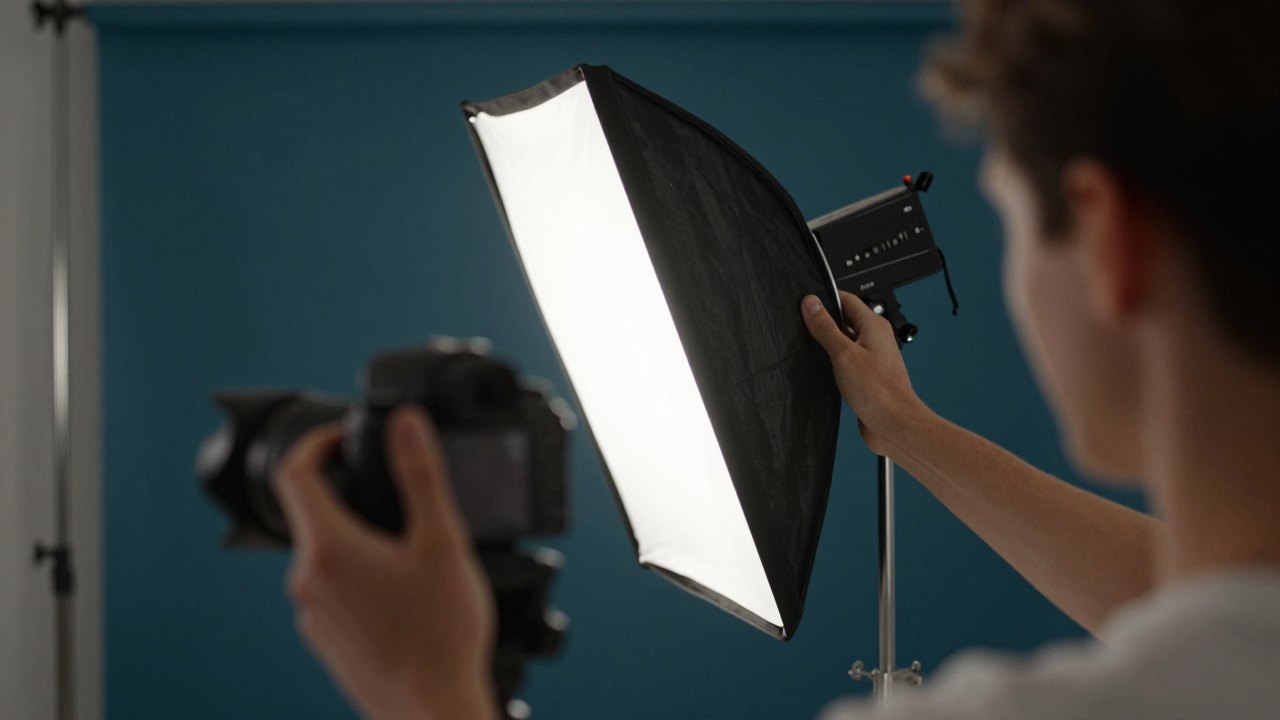
What you get
- Video lessons in clear, high-definition quality
Close-up views of the setups and professional sound.
- More than 20 documented lighting setups
Each explained so you can rebuild it yourself.
- Homework assignments
Practical tasks that make sure the material sticks.
- Reviews of your assignments
Feedback so you can see what to improve.
- Answers to your questions
Support when something in a lesson is unclear.
- Plain-language explanations
No complicated terms, no filler.
- Access that stays with you
Return to any lesson whenever you want.
Is this course for you?
This course is for you if…
- You photograph portraits and want to understand studio light rather than guess at it.
- You own one large softbox and want to use it far more creatively.
- You are a beginner who wants clear, jargon-free explanations and practical tasks.
- You already shoot in a studio and want ready-to-use schemes for women's and men's portraits.
- You are ready to practise with real shoots instead of only watching lessons.
Probably not a fit if…
- You are looking for a course about photo retouching or editing software.
- You want to learn only with multi-light setups and large equipment lists.
- You are not planning to do any practical shooting or homework.
- You expect results without photographing anyone.
After the course
When you finish, you will no longer walk into a studio wondering where to place the light. You will have a repertoire of more than twenty schemes and an understanding of why each one works, so you can choose a look on purpose and build it within minutes.
Your portraits will become more consistent. Instead of relying on luck, you will know how to adjust the light for a different face, a different outfit or a different background, and how to fix the usual problems quickly.
You will also have a set of your own practice photographs from the homework, which can form the start of a portfolio series. From there you can add more lights, new tools or a new style, with a solid understanding of the foundation.
Questions before you buy
How much time do I need each week?
It depends on your pace. A comfortable routine is a couple of lessons plus one practice shoot per week, which usually takes a few hours. You can go faster or slower.
Do I need any prior experience?
No specific experience is required. The lessons are explained simply and suit beginners as well as photographers who already shoot in a studio. You should know the basics of operating your camera.
What equipment do I need?
The course is built around one large softbox, so you need a studio flash with a large softbox, a camera, and some space to place the model. Simple reflectors or white and black cards are helpful.
How does access work after payment?
Once your payment is confirmed, you receive access to the course materials online. You can start right away and study whenever it suits you.
What is your refund policy?
If the course is not what you expected, you can request a refund within 14 days of purchase.
What format are the lessons in?
The lessons are recorded video with clear picture and sound, supported by practical homework assignments.
Is there feedback on my work?
Yes. The course includes homework with reviews, and questions about the material are answered, so you can see how to improve your shots.
Will the material stay available?
Yes. The lessons remain available to you, so you can return to any setup or revisit a module whenever you like.
Start shaping light with confidence
Pick up one softbox, follow the lessons and build your first setups this week.