Dance · All levels
Move from imagination to improvisation and your own choreography
A contemporary dance programme that uses play as the starting point, so you stop copying steps and begin creating movement of your own.
- 5 modules, 20 lessons
- Self-paced video lessons
- Practice tasks after every module
- Access stays with you
- 14-day refund policy
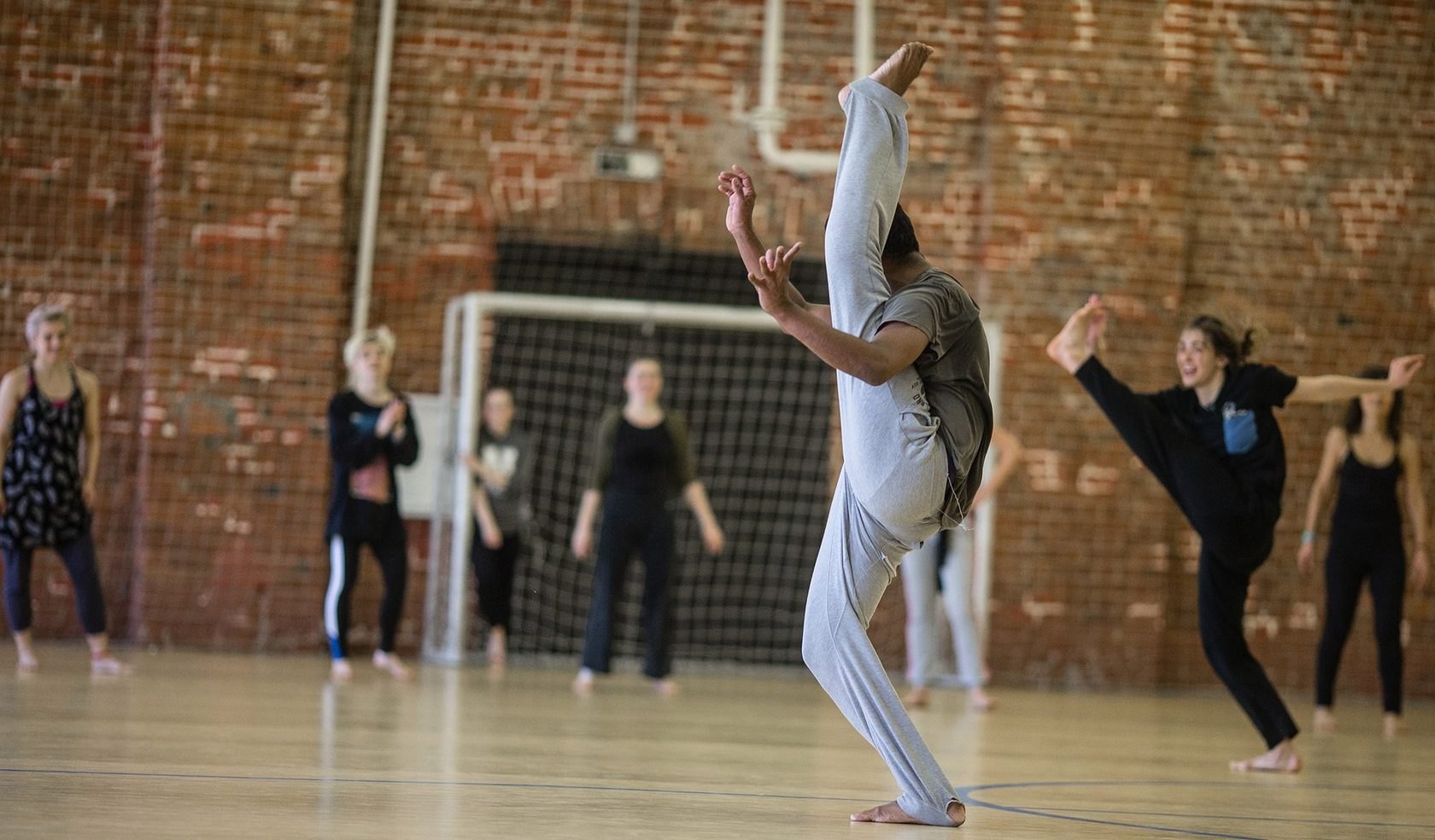
Why so many dancers freeze when the music starts without a plan
Many people who love dance can learn a combination quickly and still feel lost the moment someone says, "just improvise." The body knows steps, but the head goes quiet. The result is stiff, careful movement that looks borrowed from someone else.
The problem is rarely talent. Most classes teach you to reproduce shapes, and very few teach you how an idea becomes a movement. Without that bridge, improvisation feels risky and choreography feels like something only other people can do.
This programme starts from a different place: play. Children do not worry about how they look when they invent a game, and that same freedom is the best entry point into contemporary dance. Step by step, the lessons turn simple games into improvisation, and improvisation into structured movement you can repeat and share.
You do not need a studio or a partner, and you do not need a particular dance background. You need some floor space, comfortable clothes and curiosity about how your own body moves.
What you will be able to do
- Warm up through play
Use simple games to wake up your body and attention before you dance.
- Start moving from an image or idea
Translate a picture, a story or a feeling into physical action.
- Improvise without a plan and without freezing
Use clear tasks and limits to keep going when you run out of ideas.
- Listen to your own movement habits
Notice what you repeat and learn to step outside your usual patterns.
- React to space, music and other people
Make choices in the moment instead of waiting for the next count.
- Capture the best material from an improvisation
Pick moments worth keeping and remember them well enough to repeat.
- Build a short choreographic phrase
Connect selected movements into a sequence with a beginning and an end.
- Shape a small piece for an audience
Decide on structure, dynamics and focus so your piece reads clearly.
- 5
- modules
- 20
- video lesson topics
- 3
- stages: play, improvisation, choreography
- 14 days
- refund window
The method: a game first, a dance second
Every module follows the same loop. You begin with a game that has one simple rule, such as moving only as fast as a slow breath or leading a movement with an elbow. The rule takes the pressure off your head and gives your body something specific to do.
Next you extend the game into a free improvisation, keeping the rule in the background. Finally you look back at what you did and choose what is worth developing. This loop gradually trains the skill that matters most in contemporary dance: noticing an impulse, following it and shaping it.
- Start with a game that has a single rule
- Stretch the game into a free improvisation
- Choose the strongest moments to keep
- Shape the chosen material into a phrase
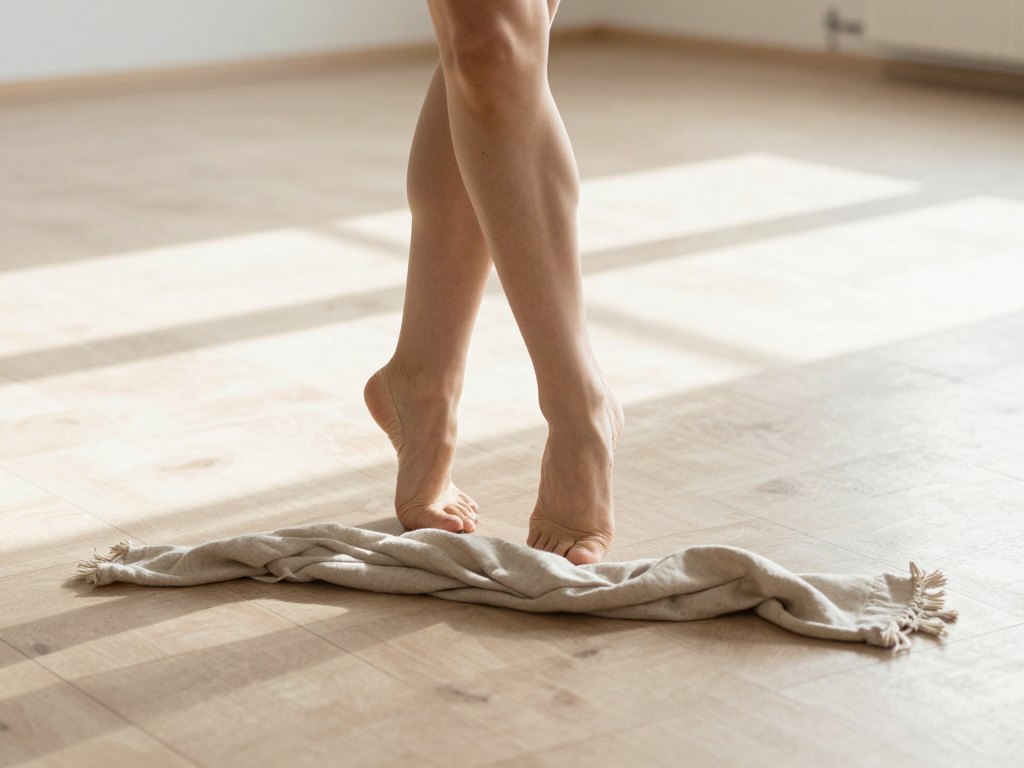
How the course works
The programme is delivered online as recorded video lessons that you can watch whenever it suits you. Each lesson is built around one idea and ends with a practice task, so you always know what to do with your body after you press stop.
You move through five modules in order, because each one builds on the previous one. A sensible pace is one or two lessons per week, repeating the practice tasks between viewings. If you prefer to work intensively, you can also take a module over a few days and return to it later.
You can work alone in a living room, or invite a friend to try partner tasks together. Filming yourself is encouraged in the later modules, because watching your own improvisations is one of the fastest ways to see what to keep.
The programme
Five modules take you from your first game to a finished short piece.
1Module 1 — The playful bodyLower the pressure and wake up curiosity.4 lessons
- Why play is a serious tool in dance
- Games with one simple rule
- Warming up attention and body together
- Your first free minutes of movement
2Module 2 — Imagination into movementTurn images, objects and stories into physical action.4 lessons
- Moving from a mental picture
- Objects, textures and weight as starting points
- Telling a tiny story without words
- Exploring one image in many different ways
3Module 3 — Improvisation skillsStay present, make decisions and keep going.4 lessons
- Following an impulse without judging it
- Working with limits and tasks
- Responding to space and music
- Moving out of your habitual patterns
4Module 4 — From improvisation to materialCapture, remember and repeat what you discover.4 lessons
- Filming and reviewing your improvisations
- Choosing the movements worth keeping
- Remembering and repeating material precisely
- Developing one idea through variation
5Module 5 — Building choreographyShape selected material into a short piece.4 lessons
- Connecting movements into a phrase
- Rhythm, dynamics and contrast
- Structure: beginning, development and ending
- Preparing a short piece to show others
What you get
- Recorded video lessons
Twenty lesson topics across five modules, watchable on any device.
- Practice tasks
Clear exercises after each lesson so you apply what you learned.
- A repeatable structure
The same game, improvisation and selection loop in every module.
- Self-paced access
Study when you want and return to lessons as often as you like.
- Material that stays with you
Lessons remain available after you finish the programme.
- A 14-day refund window
If the course is not right for you, you can ask for your money back.
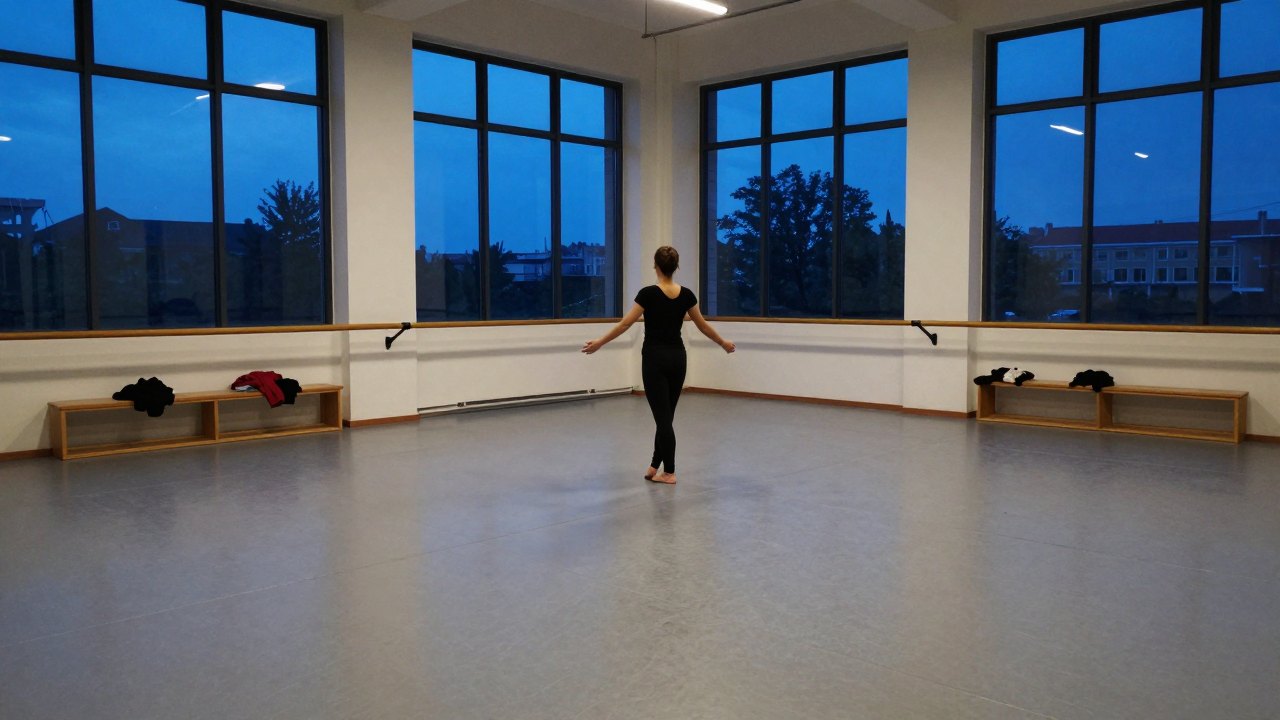
Is this course for you?
This course is for you if…
- Dancers who can learn steps but feel stuck when asked to improvise
- Beginners who want a friendly way into contemporary movement
- Dance teachers looking for fresh playful exercises for their own work
- Anyone curious about creating short pieces of choreography
Probably not a fit if…
- People looking for a strict technique class with set exercises only
- Those who expect personal feedback on their dancing from a teacher
- Anyone wanting a fast route to professional stage performance
After the course
When you finish, you will have a set of games and tasks you can use any time you want to warm up, explore or get unstuck. Improvisation should feel less like a test and more like a conversation between you and the space.
You will also have at least one short phrase or piece that you made yourself, with a clear structure you can repeat. Whether you show it to friends, use it in class or simply keep it for yourself, it will be genuinely yours.
Most importantly, you will have a working method for turning an idea into movement, which you can keep applying long after the last lesson.
Questions before you buy
How much time do I need each week?
Plan on one to two lessons a week plus some practice time, so about two to three hours. Because the course is self-paced, you can go faster or slower.
Do I need dance experience?
No. The course is designed for all levels. Beginners will find the games approachable, and experienced dancers will find new ways to approach improvisation.
What space and equipment do I need?
A clear area of floor where you can move freely, comfortable clothes and a device to watch the lessons. A phone or camera is useful for filming yourself in the later modules.
How does access work after I pay?
Once your payment is confirmed, you receive access to the lessons straight away and can begin at once. You can watch on a computer, tablet or phone.
What format are the lessons in?
They are recorded video lessons with practice tasks. There are no fixed class times, so you decide when to watch and practise.
Will the material stay available?
Yes. The lessons stay available to you, so you can return to any module whenever you want to repeat an exercise.
What if the course is not right for me?
You can request a refund within 14 days of purchase, and we will return your payment.
Is this a group or one-to-one programme?
It is a self-paced video programme that you complete on your own. It does not include personal coaching.
Start moving from your own ideas
Begin with the first game today and see how quickly improvisation starts to feel natural.