Education · All levels
Know your paraglider inside out and choose equipment with confidence
A theory video course on how a paraglider and its components are built, so you can inspect, choose and care for your gear on solid knowledge.
- Self-paced video lessons
- 5 modules, 15 lessons
- Theory for any pilot level
- Access that stays with you
- 14-day refund policy
Why equipment theory matters for every pilot
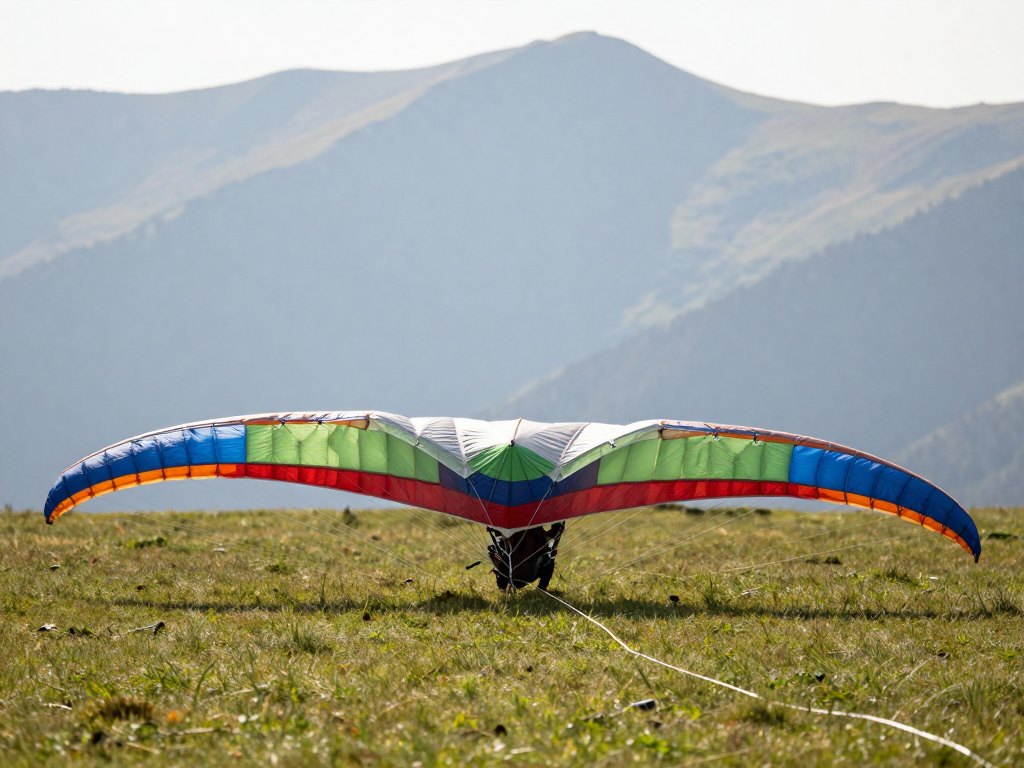
Paragliding is widely regarded as an extreme sport, and safety in it rests on three things: theory, practice and equipment. Most pilots spend their energy on the second one. They fly, they train in the field, they build feel for the wing. The first and the third often get less attention than they deserve.
Many clubs and schools do not run full theory classes as part of their training. As a result, a pilot can fly for a season without being able to explain how the canopy keeps its shape, what the different line tiers do, or why a particular wing suits one pilot and not another. Questions about the gear are answered by rumour on the hill.
This course closes that gap for the equipment itself. It walks you through the paraglider as a system: the canopy, the line set, the risers, the harness and the reserve. You learn what each part is for, how the parts work together and what to look at when something seems wrong.
The point is not to turn you into an engineer. The point is that you stop treating your equipment as a black box, and start making decisions about it from knowledge instead of habit.
What you will be able to do
- Name and explain the main parts of a paraglider
From canopy cells and ribs to the trailing edge and the brake lines.
- Describe how the line system is laid out
Understand how load is carried from the wing down to your harness.
- Identify the parts of the risers and controls
Know what each handle, link and pulley does in flight.
- Recognise the components of a harness
See how the seat, back protection and connection points fit together.
- Explain how a reserve parachute is housed and deployed
Understand where it sits and why placement matters.
- Match a wing to your level of training
Judge wing class and size instead of buying a wing that is too advanced.
- Carry out a structured pre-flight equipment check
Follow a repeatable order so nothing is skipped.
- Spot early signs of wear on lines and fabric
Know when to keep flying and when to service or replace parts.
- Store and transport your gear properly
Avoid the everyday habits that shorten the life of a wing.
- 5
- modules
- 15
- video lessons
- 3
- safety principles: theory, practice, equipment
Theory as the base of pilot training
The course is built on a simple idea: practice is always stronger when it rests on good theory. A pilot who knows why a line set is arranged the way it is will handle the wing, and notice its behaviour, with more understanding.
Equipment is the third pillar of safety. A wing should be chosen to match the pilot's level of training. Reaching for a wing in a higher class than your skills justify is one of the most common mistakes, and a whole module here is devoted to avoiding it.
The material is useful at any stage. A beginner gets the vocabulary and the picture of the whole system. A continuing pilot fills in the gaps that field training rarely covers, and learns to look at gear with a more critical eye.
How the course works
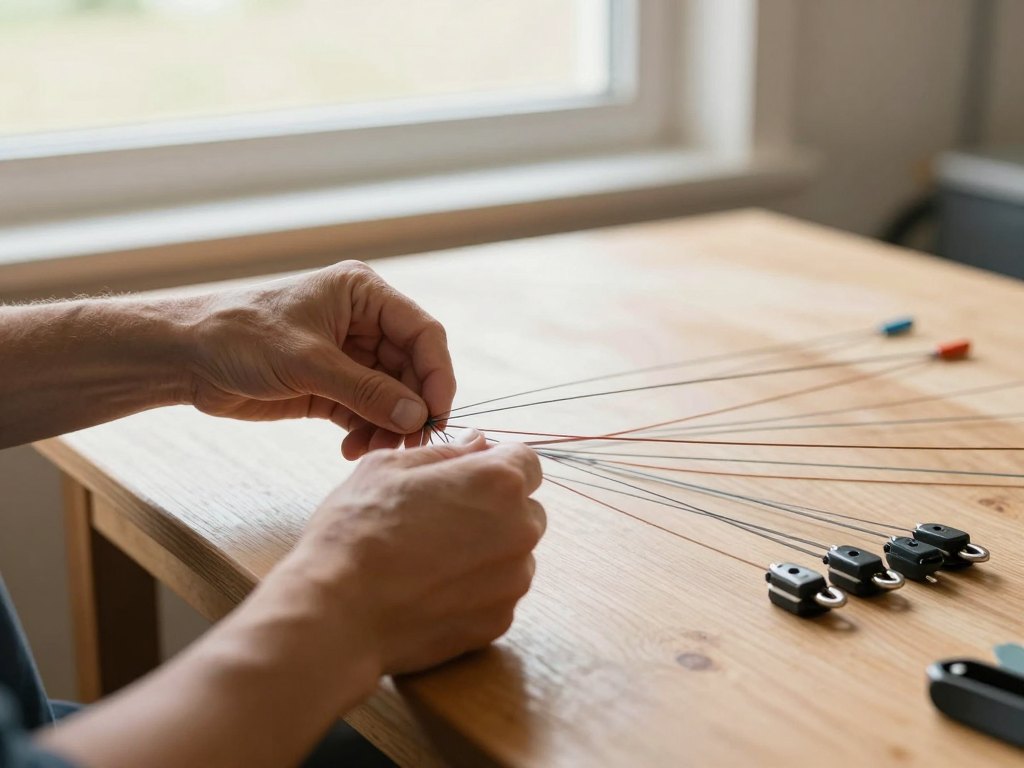
The course is a library of recorded video lessons that you watch at your own pace, on a computer, tablet or phone. Lessons are grouped into modules that follow the equipment from the wing downward, so each topic builds on the one before.
There is no fixed schedule. You can watch a lesson or two in an evening, then return to the topic with your own gear laid out in front of you. Many pilots find it useful to rewatch a lesson before a season starts or before buying new equipment.
Once you have paid, access to the lessons opens in your account and stays available, so you can come back whenever a question about your equipment comes up.
The programme
Five modules take you from the canopy to the harness, then to choosing and caring for your gear.
1Module 1 — The wing as a systemHow a canopy is built and why it holds its shape.3 lessons
- The main parts of a paraglider
- Canopy cells, ribs and internal structure
- Fabrics and materials used in a wing
2Module 2 — Lines and risersHow loads travel from the canopy to the pilot and how the wing is controlled.3 lessons
- Layout of the line system
- Risers, speed system and brake handles
- Line materials and checking them for wear
3Module 3 — Harness and reserveThe components that connect you to the wing and protect you.3 lessons
- Harness types and their key components
- Where the reserve parachute sits and why
- Connecting the wing to the harness
4Module 4 — Choosing equipment for your levelMatching the wing and the rest of the kit to your training.3 lessons
- Wing classes and pilot level
- Wing size and weight range
- Buying new or used equipment
5Module 5 — Inspection and careHabits that keep equipment reliable season after season.3 lessons
- A step-by-step pre-flight equipment check
- Storage and transport of the wing
- Signs that your equipment needs service
What you get
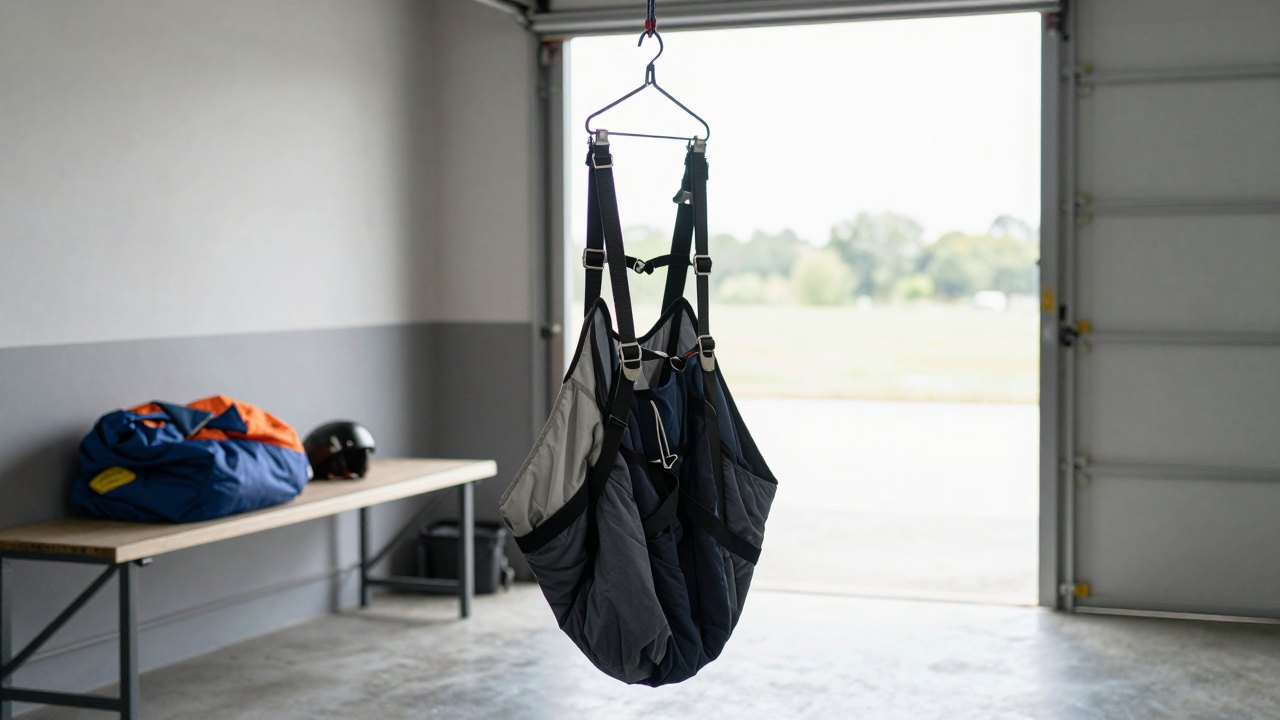
- Recorded video lessons
Fifteen lessons across five modules, watchable on any device.
- A clear picture of the whole system
Wing, lines, risers, harness and reserve explained in one place.
- A repeatable inspection routine
An order of checks you can use before every flight.
- Guidance on choosing equipment
A framework for matching gear to your level of training.
- Self-paced access
Study when it suits you and pause or replay any lesson.
- Lasting availability
The lessons stay in your account after purchase.
Is this course for you?
This course is for you if…
- New pilots who want to understand the gear they are learning on
- Continuing pilots who never had a full theory class on equipment
- Pilots planning to buy a new or used wing and wanting to choose sensibly
- Anyone who wants a structured routine for checking their equipment
Probably not a fit if…
- Anyone looking for hands-on flying instruction in the field; this is a theory course
- Pilots who expect to learn flying technique or manoeuvres from these lessons
- People who want a replacement for professional servicing of their equipment
After the course
You will look at your paraglider differently. Instead of a bag of fabric and lines, you will see a system whose parts have clear jobs, and you will know the names to describe them.
Before a flight you will have a routine for checking the equipment in a sensible order. When something looks unusual, you will have a better idea of whether it is normal or a reason to stop and get advice.
When the time comes to buy a new wing or harness, you will ask better questions, judge the answers more critically and be less tempted to choose a wing beyond your current level.
Questions before you buy
How much time do I need per week?
There is no schedule. The course is made of short video lessons, so one or two lessons a week is enough to finish comfortably, and you can go faster or slower.
Do I need any previous experience?
No. The lessons start from the basic parts of a paraglider. Pilots with some flying experience will still find it useful for filling gaps in equipment knowledge.
How does access work after payment?
After you pay, the course appears in your account and you can start watching straight away, on any device with a browser.
What is the refund policy?
You can request a refund within 14 days of purchase if the course is not what you expected.
What format are the lessons in?
Recorded video lessons that you watch on your own schedule, grouped into five modules.
Will the material stay available?
Yes. The lessons remain in your account after purchase, so you can return to them whenever you need.
Will this course teach me to fly?
No. It is a theory course about equipment. It supports practical training but does not replace flying instruction in the field.
Can it replace a professional equipment check?
No. The course helps you understand and inspect your gear, but servicing and repairs should be done by qualified specialists.
Get to know your equipment
Start the lessons today and build your flying on solid theory.