Fitness · Intermediate
Design outdoor and combined workouts that are varied, safe and effective
A structured video programme that explains how to build training sessions from bodyweight work, running, simple equipment and proven interval formats.
- Self-paced video lessons
- 8 clear modules
- Five interval formats explained
- Technique and biomechanics
- 14-day refund
Why workouts outside the gym need their own method
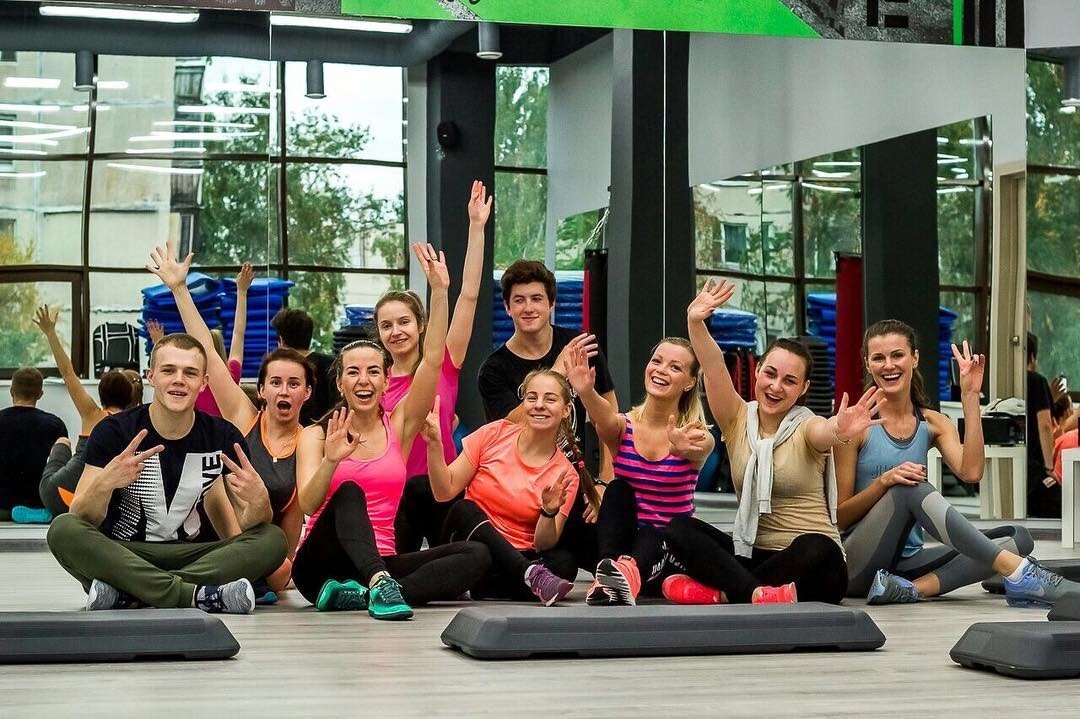
Many people who train outdoors simply repeat a few familiar exercises. A run, some push-ups, maybe a set of squats by a bench. The sessions feel hard, but there is no logic behind them, so progress stalls and boredom arrives quickly.
Trainers face the same problem from the other side. Clients want to leave the gym, try something more dynamic, or train in a park during the summer. Without a method, planning those sessions becomes guesswork: how long should the work intervals be, which qualities are you actually developing, and how do you keep technique clean when you are tired?
This course gives you that method. It starts with the kinds of outdoor training and the principles behind a well-built session, then moves into combined training, where elements of cyclic work, circuits, strength and gymnastic complexes are blended into one plan.
Along the way you will look at the ten physical qualities every athlete needs, the main interval formats, the different kinds of endurance and the biomechanics of the key movements. By the end you can write a complete workout and explain why every part of it is there.
What you will be able to do
- Choose the right type of outdoor training
Tell bodyweight work and running training apart and decide which fits a goal.
- Structure a training session outdoors
Apply the principles of building a training process when you have limited space and kit.
- Use simple equipment effectively
Work with balls, rollers, bars and similar tools without turning the session into a random circuit.
- Coach technique on the main muscle groups
Break down and set correct movement patterns for the major muscle groups.
- Write complete training complexes
Put exercises together into balanced blocks you can run with a group or on your own.
- Develop the ten physical qualities
Understand what each quality is and how to train it in a combined programme.
- Programme with EMOM, AFAP, AMRAP, chipper and Tabata
Pick a work format that matches the goal, the level and the time available.
- Train endurance in a targeted way
Separate general and special endurance, including speed, coordination and strength endurance.
- Analyse weightlifting, gymnastic and athletic movements
Read the biomechanics of common movements and spot where technique breaks down.
- 8
- modules in the programme
- 10
- physical qualities covered
- 5
- interval formats explained
- 4
- types of complexes: cyclic, circuit, strength, gymnastic
The method: from quality to format to session
The course follows one simple chain of thinking. First you decide which physical quality or combination of qualities a session should develop. Then you choose the format that suits it, and only then do you pick the exercises.
This order protects you from the most common mistake: starting with a list of fashionable movements and trying to make a workout out of them. When the goal and format come first, every exercise has a job, and the session stays coherent whether it takes place in a park or a small hall.
- Start from the quality you want to develop
- Match it to a work format and a load structure
- Select exercises and check their technique
- Write the complex and test it on yourself first
How the course works
The course is delivered online as a series of video lessons grouped into modules. You study at your own pace, in any order of days and times that suits you, and return to a lesson whenever you want to check a detail before your next workout.
Each module builds on the previous one. The early modules give you the vocabulary and principles of outdoor training, and the later ones go deeper into combined training, endurance and movement analysis. Because the final modules assume you know the earlier ideas, we suggest following the order shown in the programme.
The best way to learn this material is to use it. After each module, try the ideas in your own training or with a client, write a short complex and note what worked. The lessons are designed so that you can do exactly that without special facilities: a patch of open ground, your own body weight and a few simple tools are enough.
The programme
Eight modules take you from the basics of outdoor training to the biomechanics of complex movements.
1Module 1 — Kinds of outdoor trainingThe main directions of outdoor work and when to use each.2 lessons
- Training with your own body weight
- Running training as part of a session
2Module 2 — Building the training process outdoorsPrinciples that turn a set of exercises into a plan.2 lessons
- Principles of structuring an outdoor workout
- Planning load, rest and progression in open spaces
3Module 3 — Training with extra equipmentGetting the most from simple, portable tools.3 lessons
- Working with balls
- Using rollers and similar tools
- Bars and other fixed or portable supports
4Module 4 — Technique for the main muscle groupsBreaking down and setting movement patterns, then using them in practice.3 lessons
- Analysing and setting technique for the main muscle groups
- Practical writing of training complexes
- Checking and correcting a finished complex
5Module 5 — Combined training: qualities and formatsWhat an athlete needs to develop, and the shapes a session can take.5 lessons
- The ten physical qualities every athlete develops
- Cyclic training
- Circuit training
- Strength complexes
- Gymnastic complexes
6Module 6 — Work formats in combined trainingTime structures that organise the effort inside a session.5 lessons
- EMOM
- AFAP
- AMRAP
- Chipper
- Tabata
7Module 7 — EnduranceSeparating the kinds of endurance so that each one is trained on purpose.4 lessons
- General endurance
- Special endurance: speed endurance
- Special endurance: coordination endurance
- Special endurance: strength endurance
8Module 8 — Biomechanics and modality-focused techniqueReading movement quality across three families of exercises.4 lessons
- Biomechanical analysis of weightlifting movements
- Biomechanical analysis of gymnastic movements
- Biomechanical analysis of athletic movements
- Setting technique in movements of a chosen modality
What you get
- Structured video lessons
Eight modules that follow a clear logic from principles to practice.
- Lesson topics you can revisit
Return to any lesson before planning a new session.
- Format reference
Interval formats and endurance types explained in one place.
- Movement analysis
Technique breakdowns for weightlifting, gymnastic and athletic movements.
- Practical writing tasks
Exercises that end with a complete training complex of your own.
- Online access after payment
Your lessons are available in your account as soon as the order is complete.
- 14-day refund
If the course is not for you, ask for a refund within 14 days.
Is this course for you?
This course is for you if…
- Fitness trainers who want to add outdoor and combined sessions to their offer
- Active people who train on their own and want a clear structure instead of random workouts
- Group instructors who plan classes and need new formats and ways to build them
- Students of sport and physical education looking for practical programming tools
Probably not a fit if…
- Complete beginners looking for a first general fitness course with no background in training
- People who want a ready-made workout to copy rather than a method for building their own
- Anyone expecting one-to-one coaching or live supervision of their technique
After the course
Once you have worked through the modules, you stop asking what to do today and start asking what you want to develop. You can look at a goal, a time limit and a place, and assemble a session around them within minutes.
You can explain your choices. If a client wonders why a block is built as an AMRAP rather than a circuit, or why the warm-up includes a particular movement, you have a clear, simple answer based on qualities, formats and biomechanics.
You also see technique more clearly. Knowing how weightlifting, gymnastic and athletic movements are put together makes it easier to notice small faults early, before they become habits or injuries.
The result is a toolbox you can keep using for years: a set of principles, formats and movement patterns that adapt to any season and any place you choose to train.
Questions before you buy
How much time do I need each week?
There is no fixed schedule. Many learners spend two to four hours a week on the lessons and a short practice session. You can go faster or slower depending on your week.
Do I need any previous knowledge?
You should be comfortable with basic exercises and general training terms. The course explains the rest, but it is not a first introduction to fitness.
How does access work after payment?
You pay online by card, and your lessons become available in your account straight away. You can log in from a computer, tablet or phone.
What is the refund policy?
You can request a full refund within 14 days of purchase if the course is not what you expected.
What format are the lessons in?
The course consists of recorded video lessons organised into modules. You can pause, replay and study at your own speed.
Will the material stay available?
Yes. The lessons remain in your account so that you can come back to them whenever you plan a new workout.
Do I need special equipment?
No. Open space and your body weight are enough to start. Simple tools such as balls, rollers and bars are covered in one module, and you can add them as you go.
Is this course suitable for training clients?
Yes. The lessons are designed to help you plan sessions, explain your choices and coach technique, which are the skills you use with clients.
Build your next workout with a method
Start the first module today and write a complete outdoor session by the end of the week.