Business · Beginner
Go from a restaurant idea to a launch-ready plan
A video programme for future owners that turns a vague dream into a concept, a budget, a team plan and an opening checklist.
- Pre-recorded video lessons
- Practical task in every lesson
- Expert feedback on your answers
- 14-day money-back guarantee
Why so many first restaurants struggle
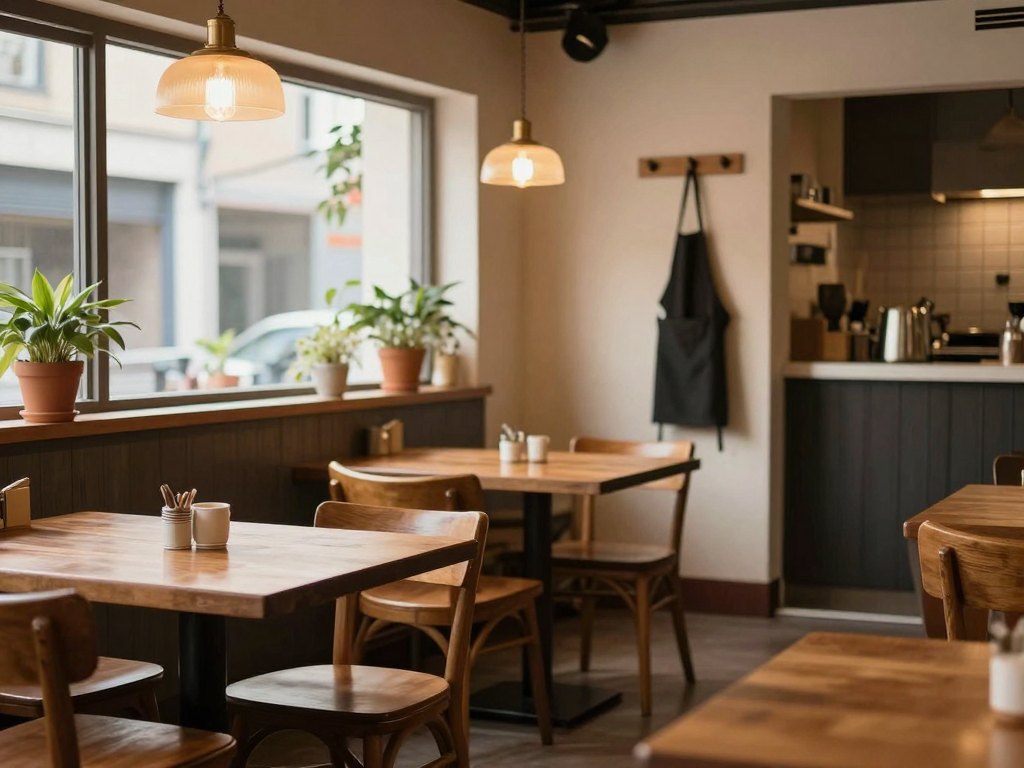
Almost everyone who dreams of opening a restaurant starts with the same picture: a full dining room, happy guests, a menu you are proud of. Far fewer people start with a sheet of paper that shows rent, payroll, food cost and the number of guests needed each evening to break even. That gap between the dream and the numbers is where first ventures most often get into trouble.
Hospitality is also a business with many moving parts at once. You need a concept that fits a real location, a layout that lets the kitchen and the floor work together, a menu that is profitable as well as tasty, suppliers you can rely on, and a team that delivers the same standard on a quiet Tuesday and a packed Saturday. Learning each of these by trial and error is slow and expensive.
This programme is built for people who plan to open their first venue and want a structured path instead of scattered advice. It walks through the decisions in the order you will actually face them, and every lesson ends with a practical task so that you build your own project while you learn.
You do not need previous experience in the industry. The method is balanced so that a complete beginner can follow it, while the practical assignments keep the material useful for anyone who already has a concept in mind and wants to test it.
What you will be able to do
By the end of the programme you will have worked through the main decisions of an opening and have your own project on paper.
- Define a restaurant concept that fits its audience
Describe who you are serving, what you offer and why guests will choose you over the place next door.
- Evaluate a location before you sign a lease
Use a simple checklist to compare premises on traffic, space, cost and suitability for your concept.
- Build a startup budget and an operating forecast
List one-off investments and monthly costs, and see what revenue you need to cover them.
- Design a menu with food cost in mind
Balance dishes that guests love with margins that keep the business healthy.
- Plan the kitchen and dining room layout
Think through equipment, flows and zones so the team can work efficiently.
- Recruit and organise your first team
Describe roles, responsibilities and a hiring plan for the floor and the kitchen.
- Set service standards for your staff
Write clear expectations for greeting, serving and handling difficult moments.
- Prepare an opening plan and a first-months routine
Turn the project into a timeline with owners, deadlines and key checkpoints.
- 6
- modules
- 24
- video lessons
- 1
- practical task per lesson
- 14
- day refund window
The method: learn a step, then apply it to your project
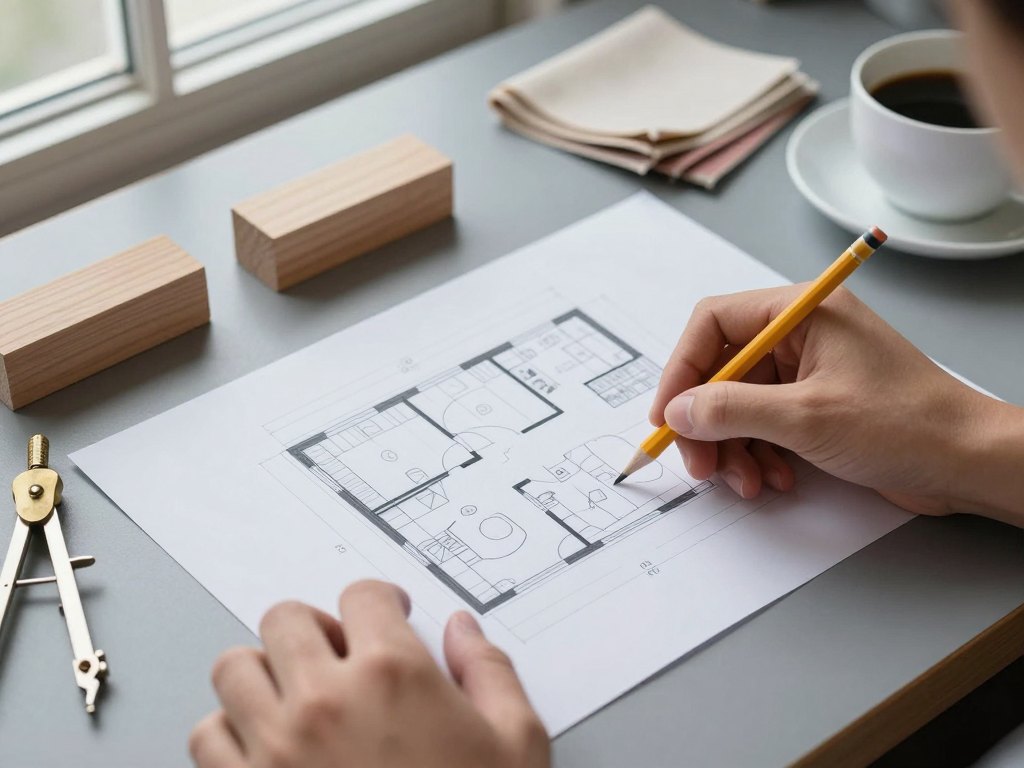
Watching videos rarely changes how you work, so the programme is organised around application. Each lesson explains one idea, shows how it works in a real venue, and then asks you to do something with it: draft a concept statement, calculate a cost, sketch a floor plan, write a job description.
Your answers are attached to the lesson, and an expert reviews them, comments on what works and points out what needs to be fixed. This feedback loop is what separates a guided programme from a library of recordings. You see your own gaps early, while they are still cheap to correct.
By the last module your separate task answers add up to a complete first version of your restaurant project, which you can show to a partner, a landlord or an investor, or simply use as your own working plan.
How the course works
The lessons are recorded in advance in professional quality, so you can study from anywhere and at the time that suits you. Each lesson can be watched as many times as you like during the access period that comes with your plan.
Every lesson contains a practical assignment. To get the most from the programme, complete it before moving on and attach your result to your answer in the lesson. The expert assigned to you then reviews the answer and leaves comments.
If you have organisational questions about access or the platform, you can send them to the support team. A steady pace of a few lessons a week works well for most people, but you decide the rhythm.
The programme
Six modules that follow the real order of decisions when you open a restaurant.
1Module 1 — From idea to conceptTurn a general wish into a clear, testable restaurant concept.4 lessons
- What makes a restaurant concept work
- Choosing your guests and your format
- Positioning against nearby competitors
- Writing a one-page concept statement
2Module 2 — Location and premisesJudge premises on facts rather than first impressions.4 lessons
- What to look for in a location
- Reading the traffic and neighbourhood
- Understanding lease terms and risks
- Comparing premises with a scoring sheet
3Module 3 — Money and budgetPut numbers behind the concept before spending anything.4 lessons
- Startup costs and where they hide
- Monthly operating costs and payroll
- Revenue, margin and break-even point
- Building your first financial plan
4Module 4 — Menu, kitchen and suppliersCreate an offer that guests enjoy and the business can afford.4 lessons
- Structuring a menu around your concept
- Calculating food cost for each dish
- Planning the kitchen and equipment
- Choosing and managing suppliers
5Module 5 — Team and service standardsBuild the people side of the venue from the start.4 lessons
- Roles in the dining room and the kitchen
- Hiring and onboarding your first team
- Writing service standards for staff
- Training routines that keep quality steady
6Module 6 — Opening and the first monthsBring everything together into a launch plan.4 lessons
- Building an opening timeline and checklist
- Preparing guests and the local audience
- Running the first weeks day to day
- Reviewing results and adjusting the plan

What you get
- Pre-recorded video lessons
Professional-quality recordings you can watch in any place and at any time.
- A practical task in each lesson
Assignments that turn the theory into your own project.
- Expert review of your answers
Comments that show what is working and what to correct.
- Repeat viewing
Re-watch any lesson as often as you need during your access period.
- A complete first project draft
Concept, budget, menu logic, team plan and opening timeline in one place.
- Study at your own pace
No fixed class times, so the programme fits around work and family.
- Support with organisational questions
Help with access and platform questions whenever you need it.
- 14-day money-back guarantee
Try the first lessons and ask for a refund within 14 days if it is not right for you.
Is this course for you?
This course is for you if…
- You plan to open your first restaurant, cafe or bar and want a structured plan.
- You are a business owner thinking of entering hospitality and need to understand the basics.
- You have a concept in mind and want to test it against real numbers before investing.
- You like learning by doing and welcome feedback on your work.
Probably not a fit if…
- You are looking for personal one-to-one consulting on your specific venue.
- You expect a ready-made business plan without doing any of the work yourself.
- You want a guaranteed financial result from opening a restaurant.
After the course
When you finish, you will no longer be guessing. You will have a written concept, a budget with real assumptions, a view of what an acceptable location looks like, a menu logic based on costs, and a plan for the team and the opening.
You will also be able to hold a more informed conversation with landlords, contractors, suppliers and potential partners, because you understand the questions they are likely to ask and the numbers that matter.
Most importantly, you will know what you still do not know. That is a strong position from which to make the next decision, whether it is to go ahead, to adjust the concept or to wait until the plan is stronger.
Questions before you buy
How much time do I need each week?
It depends on your pace. Most people manage a few lessons a week, including the practical tasks. Because the lessons are pre-recorded, you can speed up in quiet weeks and slow down in busy ones.
Do I need restaurant experience?
No. The programme starts from the basics and is balanced so that a complete beginner can follow it. If you already work in hospitality, the practical tasks still help you apply the ideas to your own project.
How does access work after payment?
Once your payment is confirmed, you receive access to the lessons through your account. Each lesson can be watched repeatedly during the access period that comes with your plan.
What is the refund policy?
You have 14 days from purchase to ask for a full refund if the programme is not what you expected.
What format are the lessons in?
They are pre-recorded video lessons in professional quality. Each one includes a practical assignment that you complete and attach to your answer.
Will anyone look at my work?
Yes. An expert reviews your answers to the assignments, leaves comments and points out what should be corrected.
Will the material stay available?
You can return to the lessons and re-watch them throughout your access period, so you can revisit a module when you reach that stage of your project.
Is this the right course if I already run a restaurant?
It is designed for people opening a venue. If you already run one, you may find the budget, menu and team modules useful as a check on your current setup, but the focus stays on launching.
Start planning your restaurant this week
Begin with the first module and turn your idea into a concept you can test.