Communication · All levels
Speak about yourself and your work with calm confidence
A practical programme on interview technique, communication psychology and speech, so that cameras, journalists and audiences stop feeling like exams.
- 24 video lessons
- Interview, psychology and speech
- Self-paced learning
- 14-day refund policy
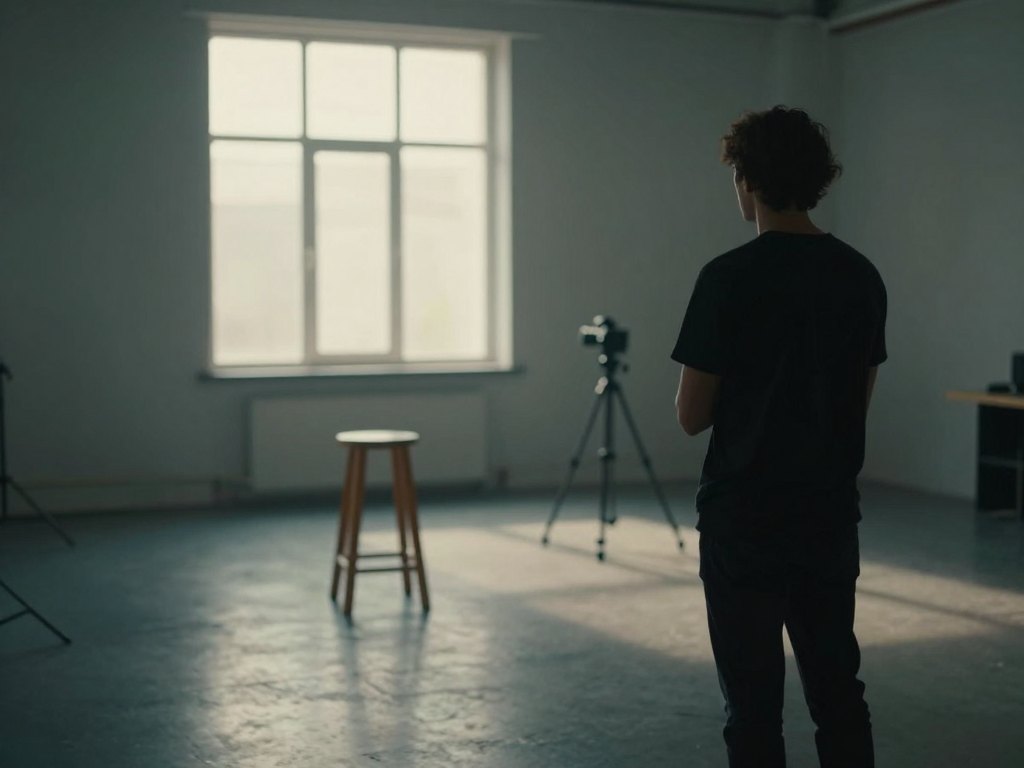
When you have to talk about yourself, and it does not go well
Sooner or later most professionals end up in front of a camera, an interviewer or a room full of people, and are asked to explain who they are or what they do. It might be a company video, a conversation with a journalist, an online masterclass, a webinar or a live stream for your own channel.
You prepare for a long time. You rehearse what you want to say, you think about the opening and the closing. Then you watch the recording and you are still not happy: the voice sounds strange, the sentences wander, you run out of breath, and the answer to the one difficult question was not what you meant at all.
The good news is that this is fixable, because it is a set of skills and not a talent you either have or lack. Interviews follow a logic that can be learned. Fear can be understood and managed. Breathing, diction and intonation can be trained step by step.
This programme brings those skills together in one place. It treats an interview the way a good school would treat a subject: with clear theory, specific techniques and a lot of practical advice you can apply the same day.
What you will be able to do
The programme is built around the situations that make people nervous, and gives you a method for each of them.
- Feel steady in front of a camera
Understand what happens to you during filming and how to stay natural.
- Prepare for an interview properly
Work out the goal, the audience and the key messages before you speak.
- Handle any question without freezing
Use simple techniques to stay composed when a question surprises you.
- Answer questions you would rather avoid
Respond honestly and calmly without being drawn into a trap.
- Win over the person across from you
Build rapport with an interviewer or a host in the first minutes.
- Improvise on almost any topic
Speak confidently with little preparation using verbal improvisation exercises.
- Work with the fear of public speaking
Recognise what you are afraid of and reduce its hold on you.
- Speak clearly without running out of air
Use breathing, diction and intonation to sound clear and engaging.
- Present a consistent image of yourself
Make what you say, how you sound and how you come across work together.
- 24
- video lessons
- 5
- modules
- 3
- subject areas: interview, psychology, speech
The problems this programme is designed to remove
People come to learn interview and speaking skills with a very similar list of worries. Some are afraid of public speaking in general. Others are afraid of looking incompetent, foolish, funny or unconvincing in front of colleagues, clients or viewers.
Many also fear what comes back at them: tough questions from a journalist, a hostile reaction in the room, or negative comments under a video posted online. And for a surprising number of people the obstacle is the voice itself, with a flat tone, an unpleasant intonation, unclear speech or a regional accent they feel self-conscious about.
The programme addresses each of these directly. The aim is not to turn you into someone else, but to let you appear as a knowledgeable, composed expert who is comfortable with the situation and with their own voice.
How the course works
The programme is organised as 24 video lessons that you take online at your own pace. There are no fixed class times, so you can study in the evening, at the weekend or in short sessions between other commitments, and return to any lesson as often as you like.
The lessons are grouped into subjects, much like school subjects: interview technology, communication psychology and speech. Each subject builds one layer of the skill. Interview technology teaches you the structure and logic of the conversation, psychology deals with confidence and improvisation, and speech training works on your breath and voice.
The best way to use the material is to watch a lesson, then practise straight away: record yourself answering a question, read a paragraph aloud with the breathing technique, or prepare your next real interview using the preparation steps. Short and frequent practice works better than a single long session at the end.
The format is deliberately practical. Expect explanations of why techniques work, followed by clear things to try, so that you can notice a difference in your next recording or presentation.
The programme
Five modules across three subject areas. The lessons below are the topics you will work through.
1Module 1 — Interview technologyWhat an interview is and how to make it work for both you and the interviewer.6 topics
- What an interview is and what makes it successful
- Goals and types of interviews
- Knowing your interview audience
- How to prepare for an interview
- How to build rapport with the person across from you
- How to answer questions you do not want to answer
2Module 2 — Psychology of communicationConfidence, improvisation and a consistent sense of yourself.3 topics
- Verbal improvisation: speaking about any topic with little preparation
- Dealing with fear of interviews and public speaking
- Building a coherent image of yourself
3Module 3 — Speech: breath and voiceThe physical foundation of confident speaking.2 topics
- Breathing for long, calm speech without gasping
- Working with resonators to change the timbre of your voice
4Module 4 — Speech: clarity and expressionMake every word easy to understand and pleasant to listen to.3 topics
- Standard pronunciation
- Intonation that supports your message
- Diction exercises for clear articulation
5Module 5 — Putting it togetherCombine preparation, psychology and voice in your own real situations.3 topics
- Planning a camera or audience appearance from start to finish
- Reviewing your own recordings: strengths and weak spots
- Building a personal practice routine

What you get
- 24 self-paced video lessons
Available online whenever you want to study.
- Three subject areas in one programme
Interview technology, communication psychology and speech training.
- Practical techniques for each topic
Methods you can try straight after each lesson.
- Preparation approach for real interviews
A repeatable way to get ready for any conversation on camera or in front of people.
- Voice and breathing exercises
Training for breath control, diction, intonation and timbre.
- Continued access to the material
Return to any lesson when a new situation comes up.
Is this course for you?
This course is for you if…
- Business owners, company directors and senior managers who want to talk about their company on video or in front of an audience
- PR managers and press officers who work with the media and speak in public
- Trainers, online teachers and webinar hosts who communicate with an audience
- Beginning video bloggers who want to speak naturally and run live broadcasts
- Anyone who wants to work on fears and self-doubt around speaking
Probably not a fit if…
- People looking for one-to-one personal coaching or a live in-person workshop
- Anyone expecting a quick fix with no practice: the techniques work only if you try them
- Those who need a formal qualification, as the programme does not provide one
After the course
When you finish, an invitation to an interview or a recording session should feel different. You know how to prepare: what the goal is, who you are talking to and what you want the audience to remember.
If a question catches you off guard, you have techniques to pause, organise your thoughts and answer without panic. If you need to talk about something with little notice, you have practised improvising.
Your voice is also more reliable. You can breathe through longer sentences, speak more clearly and vary your intonation so that you sound engaged rather than tense.
Most importantly, you have a way of reviewing yourself. You can watch a recording, see what worked and decide what to adjust, which is how the skill keeps growing long after the last lesson.
Questions before you buy
How much time do I need each week?
There is no fixed schedule. Many learners set aside two to three hours a week for watching lessons and practising, but you can go faster or slower depending on your calendar.
Do I need any previous experience?
No. The programme starts from the basics and suits beginners as well as people who already speak in public and want to polish their skills.
How does access work after I pay?
Once your payment is confirmed you receive access to the lessons online. You can start immediately and study whenever it suits you.
What is the refund policy?
If the course is not what you expected, you can request a refund within 14 days of purchase.
What format are the lessons in?
The lessons are recorded video, which you can watch on a computer, tablet or phone, together with the practice suggestions that go with each topic.
Will the material stay available?
Yes. You can come back to any lesson later, for example before an important interview or presentation.
Do I need special equipment?
A phone or webcam is enough for recording your practice. A quiet room helps with the voice exercises.
Will the course take away my nerves completely?
Some tension before speaking is normal. The course helps you understand it, manage it and keep it from getting in the way.
Start speaking with more confidence
Begin the lessons today and prepare for your next interview, recording or presentation with a clear method.