Cooking · Beginner
Choose olive oil with confidence instead of guessing at the shelf
A practical course on reading labels, recognising quality and using olive oil well in your kitchen, so you stop paying for marketing.
- 6 modules, 22 lessons
- Self-paced video lessons
- Label-reading guidance
- 14-day refund policy
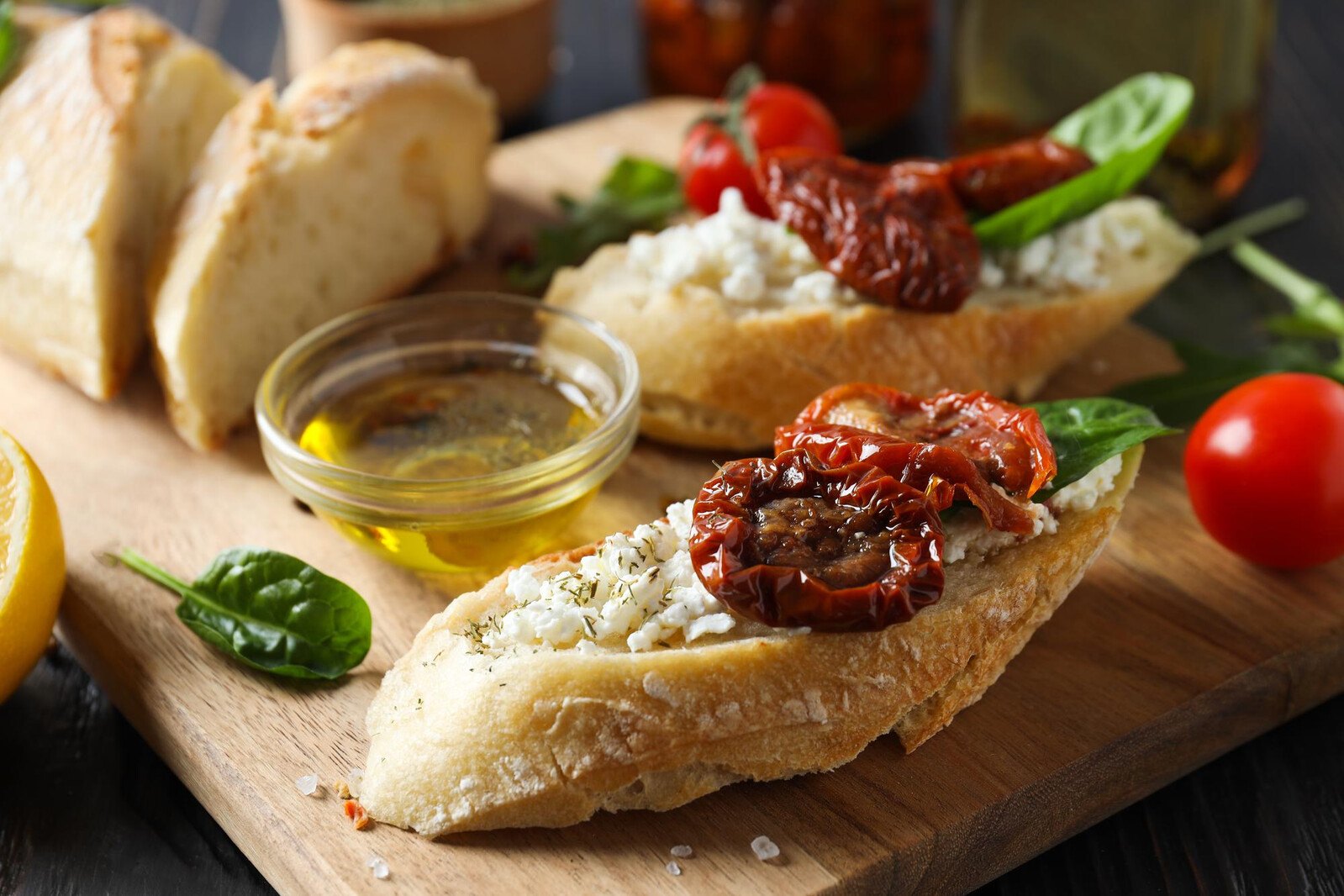
Why choosing olive oil feels like a gamble
Walk down the oil aisle of any supermarket and you will see dozens of bottles with elegant labels, golden colours and reassuring words. Most buyers pick one by price, by design or by habit. Very few can say why one bottle costs three times more than the next, or whether the more expensive one is actually better.
The truth is that the quality of olive oil is not decided by the bottle. It depends on how fresh the oil is, where the olives were grown, which varieties were pressed, how the oil was stored and whether the label tells the whole story. These are learnable facts, but they are rarely explained in a clear, practical way.
This course gives you that foundation. It is built for people who want to understand what they are buying, avoid overpaying for packaging, and bring better flavour to the table every day. You will learn the vocabulary of the trade, the signals that matter on a label and the habits that keep a good oil good once it is in your kitchen.
It also goes beyond buying. Olive oil is more versatile than most home cooks realise, and the lessons show how to use it with intention, from simple everyday meals to unexpected ideas that will surprise your guests.
What you will be able to do
- Tell real quality from clever marketing
Learn which claims on a bottle carry meaning and which are just decoration.
- Read an olive oil label line by line
Understand harvest information, origin statements and producer details.
- Explain Extra Virgin, BIO, DOP and IGP
Know what each term guarantees and what it does not.
- Judge freshness and the role of acidity
See why the harvest year matters and what acidity does and does not tell you.
- Recognise how olive varieties shape flavour
Match the character of an oil to the dishes you cook.
- Store oil so it keeps its quality
Choose containers, places and quantities that protect flavour.
- Use olive oil with care in everyday meals
Pick the right oil for dressing, finishing, sautéing and baking.
- Try unconventional uses in your own kitchen
Bring fresh ideas to desserts, drinks and simple dishes for guests.
- 6
- modules
- 22
- video lessons
- 14 days
- refund policy
Learning to taste, not just to read
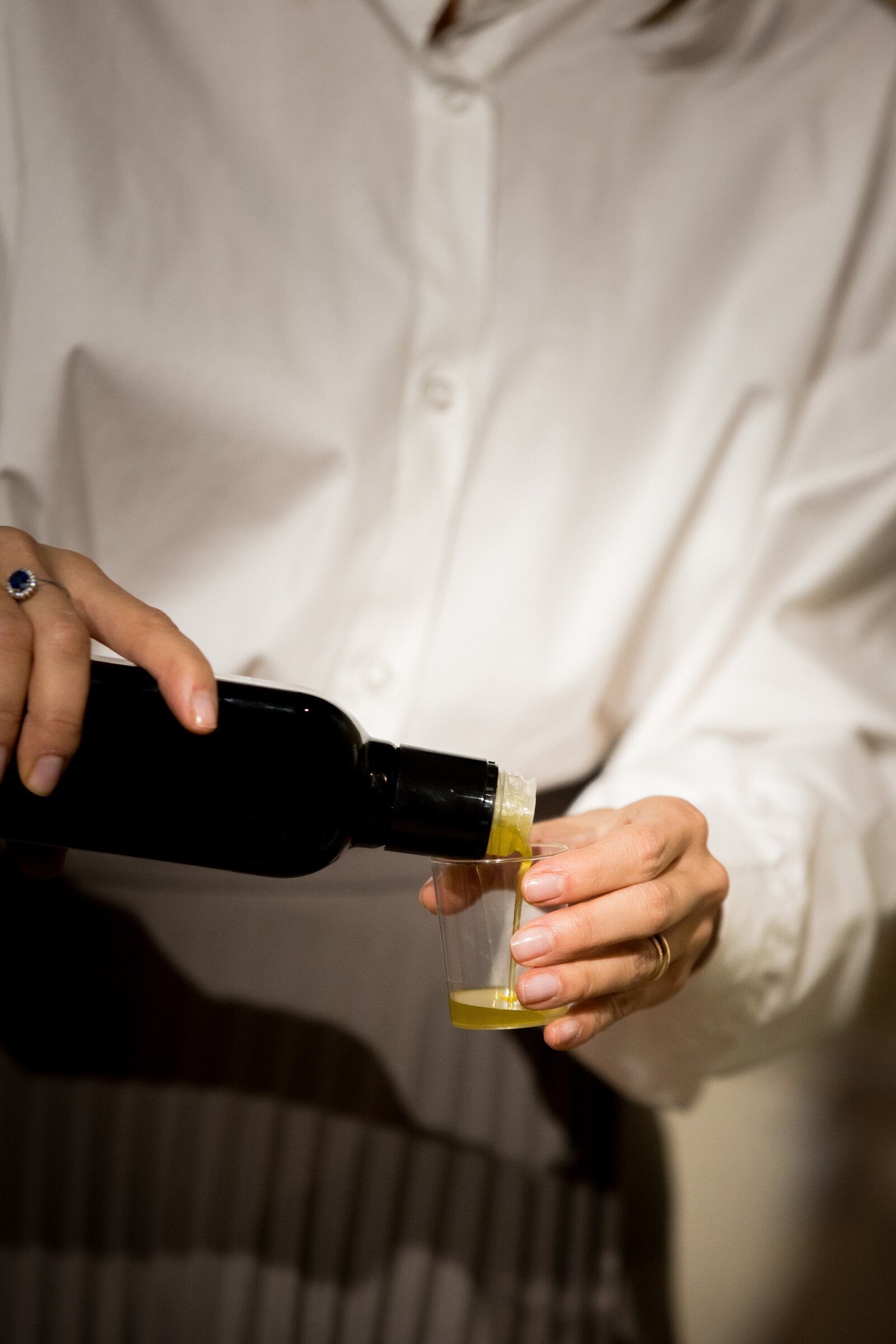
A label can tell you a great deal, but your own senses complete the picture. The course introduces the basic approach professionals use to evaluate oil: look, aroma, taste and the sensations that follow.
You will practise with a small cup and any oil you already have at home. By comparing two bottles side by side, you begin to notice the difference between a fresh, lively oil and one that has gone flat, and you build a vocabulary to describe what you find.
- How to pour and warm a tasting sample
- What to notice in the aroma
- How bitterness and pungency are understood
- Simple comparisons you can repeat at home
How the course works
The course is delivered online as a series of self-paced video lessons grouped into six modules. You can move through them in order, which we recommend, or return to the part you need before your next shopping trip. There are no deadlines and no live sessions you have to attend.
Each module builds on the last. You begin with what olive oil actually is and how it is made, move on to labels and quality terms, and then learn about varieties, flavour, storage and everyday use. The final module is about creative ideas, so you finish with something to try in your own kitchen right away.
Most lessons end with a short practical task, such as checking a bottle you own against what you have just learned. These tasks take a few minutes and turn information into habit, which is what changes how you shop.
The programme
Six modules that take you from the basics of olive oil to confident buying and creative cooking.
1Module 1 — What olive oil really isThe basics of how olive oil is made and why it differs from other oils.4 lessons
- From olive to oil: the journey in plain language
- Why harvest time and freshness matter
- The main categories of olive oil explained
- Why most shoppers choose blindly
2Module 2 — Reading the labelLearn what the information on the bottle really tells you.4 lessons
- The parts of an olive oil label
- Harvest year, origin and producer details
- Warning signs of vague or misleading wording
- Practice: decoding three real labels
3Module 3 — Quality terms demystifiedThe words that appear on bottles and what they stand for.4 lessons
- Extra Virgin: what the term means and does not mean
- BIO and organic labelling
- DOP and IGP protected origins
- Acidity: what it measures and why it is not everything
4Module 4 — Varieties and flavourHow the olive variety and the region shape taste.4 lessons
- Olive varieties and their typical character
- Delicate, medium and robust oils
- Introduction to tasting at home
- Matching oils to dishes
5Module 5 — Buying and storingPractical habits for the shop and the kitchen.3 lessons
- A simple checklist for buying olive oil
- Understanding price: when to pay more and when not to
- Storing oil to protect flavour
6Module 6 — Olive oil in your kitchenUsing the oil with intention and trying fresh ideas.3 lessons
- Everyday use: dressing, finishing and cooking
- Olive oil as part of a balanced way of eating
- Unconventional ideas to surprise your guests
What you get
- 22 self-paced video lessons
Organised in six modules you can follow at your own speed.
- A label-reading framework
A repeatable way to assess any bottle you meet.
- Short practical tasks
Quick exercises that use oil you already have at home.
- A buying checklist
A simple list to take with you to the shop.
- Tasting guidance
Step-by-step help to compare oils with your own senses.
- Ideas for the kitchen
Everyday and unusual ways to use olive oil.
- Ongoing access
Return to the lessons whenever you need a refresher.
- 14-day refund policy
Try the course and ask for a refund within 14 days if it is not right for you.
Is this course for you?
This course is for you if…
- Home cooks who want to buy better olive oil without overpaying
- People who care about healthy eating and want to choose ingredients thoughtfully
- Food lovers who enjoy experimenting and surprising their guests
- Anyone confused by Extra Virgin, BIO, DOP and IGP on the shelf
- Specialists in nutrition and food who want a clear grounding in olive oil
Probably not a fit if…
- Professional oil producers looking for technical production training
- Anyone expecting a medical or treatment programme
- People who want a guided tasting session with physical samples sent to them
- Those who prefer live, instructor-led classes with fixed schedules
After the course
When you next stand in front of a shelf of olive oils, you will know what to look for. You will turn the bottle, find the harvest information, check the origin and judge whether the wording is honest. Instead of relying on design or discounts, you will rely on a method.
At home, you will store your oil properly, use the right oil for the right dish and notice differences that you could not detect before. Your cooking becomes a little more intentional, and your purchases become more consistent.
You will also have a few new ideas to try. Olive oil can do more than dress a salad, and the final lessons give you inspiration to experiment with confidence.
Questions before you buy
How much time do I need each week?
There is no fixed schedule. Many learners take one or two modules a week, which is roughly an hour or two of viewing plus the short tasks, but you can go faster or slower.
Do I need any prior knowledge?
No. The course starts from the basics and explains every term it uses. An interest in food and a willingness to taste and compare is all you need.
Do I need special equipment or expensive oils?
No. A small cup and one or two bottles you already own are enough to follow the practical tasks.
How does access work after payment?
Once your payment is confirmed, you receive access to the course and can start the first lesson right away. You can watch on a computer, tablet or phone.
What format are the lessons in?
The lessons are recorded video lessons, grouped into modules, with short practical tasks and a buying checklist to support what you learn.
Will the material stay available?
Yes. The lessons remain available to you, so you can return to a module before a shopping trip or when you want a refresher.
What is the refund policy?
You can request a full refund within 14 days of purchase if the course is not what you expected.
Is this a health or medical programme?
No. The course is about choosing and using olive oil as a food and as part of everyday cooking. It does not diagnose or treat any condition.
Start choosing better olive oil
Join the course and learn to buy, store and enjoy olive oil with confidence.