Beauty · Intermediate
Work confidently with complex feet and know where your role ends
An advanced online programme for pedicure specialists and podologists, built with a dermatologist, an endocrinologist and an orthopaedist.
- Developed with three medical specialists
- Clear step-by-step algorithms
- Test and practice task
- 90 days of access
- 14-day refund policy
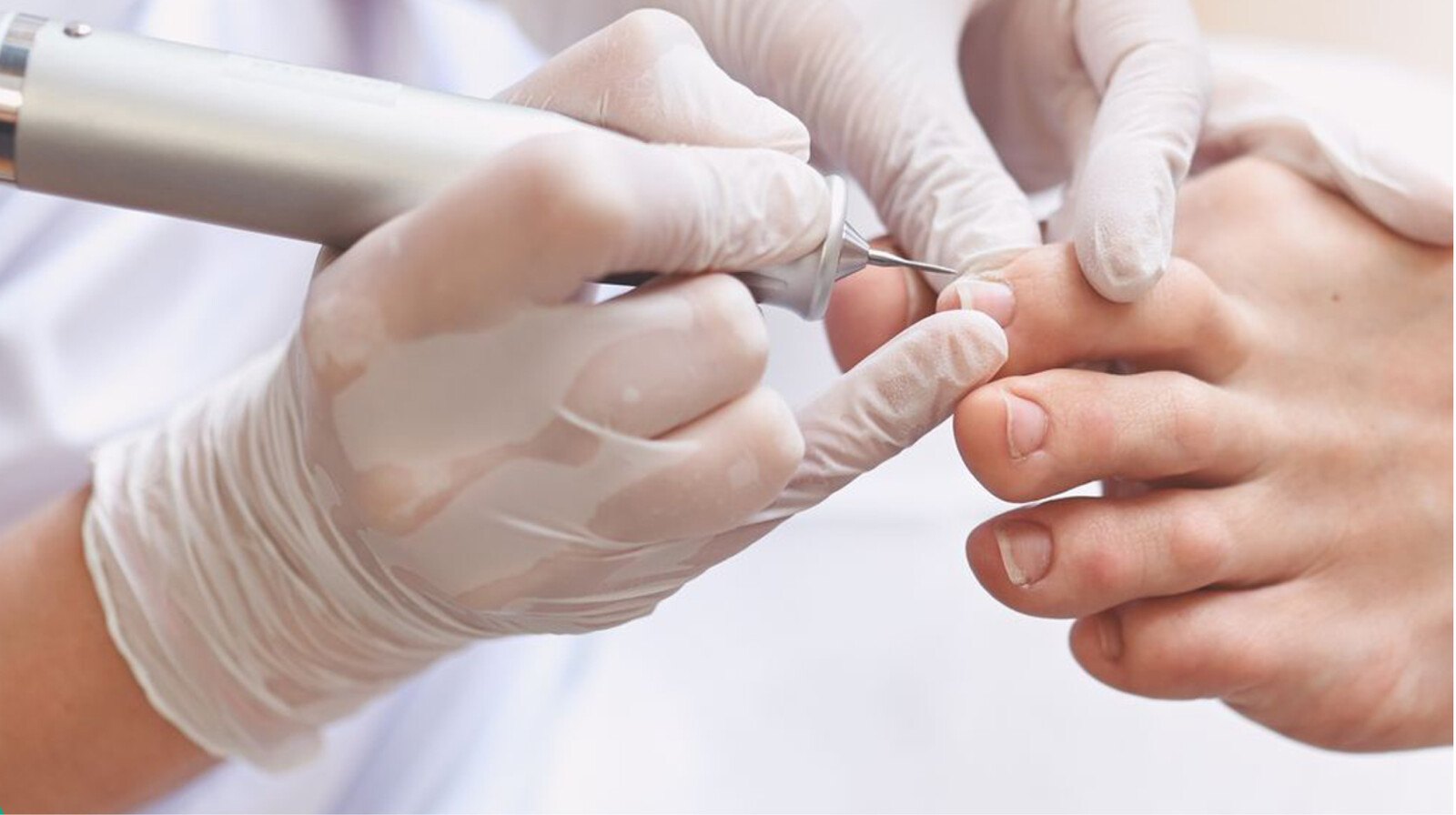
When the foot in front of you is not a simple case
Sooner or later every pedicure specialist meets a client whose feet do not fit the standard routine. The heels are cracked deeply, the skin is thick and yellowed, the soles are covered in dry plaques, or the client mentions diabetes in passing. In these moments a confident, well-practised routine can turn into guesswork.
The usual reaction is one of two extremes. Some specialists treat everything with the same procedure and hope for the best. Others send every complicated client away and lose both the client and the income. Neither approach helps the person in the chair, and neither helps your reputation.
This programme gives you a third option. It explains what is happening in the skin in each common condition, which changes you can safely work with as a non-medical specialist, and which signs mean the client should see a doctor first. You learn to see the foot as a whole, including skin type, load, footwear and general health, rather than as a surface to be smoothed.
The material was developed together with practising doctors: a dermatologist, an endocrinologist and an orthopaedist. That means you hear the same problem from several angles and can build teamwork with medical colleagues instead of working in isolation.
What you will be able to do
After the programme you will be able to:
- Assess the skin and foot before every procedure
Use a consistent examination routine to spot what is safe to treat and what is not.
- Work with cracks and fissures step by step
Choose the right approach and products for different depths and causes.
- Recognise psoriasis, keratodermas and atopic dermatitis
Understand their typical appearance and adapt your procedure accordingly.
- Take extra care with clients who have diabetes
Know the precautions, risks and warning signs that shape your whole approach.
- Treat calluses and corns with a clear plan
Understand the causes, including pressure and biomechanics, and not only the symptoms.
- Define the limit of your responsibility
Decide when to proceed, when to adapt and when to refer the client to a doctor.
- Give practical home-care recommendations
Advise clients on products and habits that support better progress between visits.
- Cooperate with medical specialists
Communicate clearly with doctors and build interdisciplinary work around the client.
- 3
- medical specialties behind the programme
- 6
- modules
- 24
- lesson topics
- 90 days
- of access
Algorithms instead of improvisation
The core idea of the programme is that a difficult foot becomes manageable when you have a sequence to follow. For each condition you get a clear scheme: what to look at, what to ask the client, what to do, what to avoid and what to recommend for home care.
Because the skin can change in many different ways, the lessons explain the nuances of treating skin with different changes rather than offering a single universal method. You learn why the same technique suits one client and is wrong for another, which makes your decisions easier to explain and to repeat.
- Check the skin and the client's history first
- Match the technique to the condition, not to habit
- Adapt tools, pressure and products to what you see
- Finish with home-care guidance that supports results
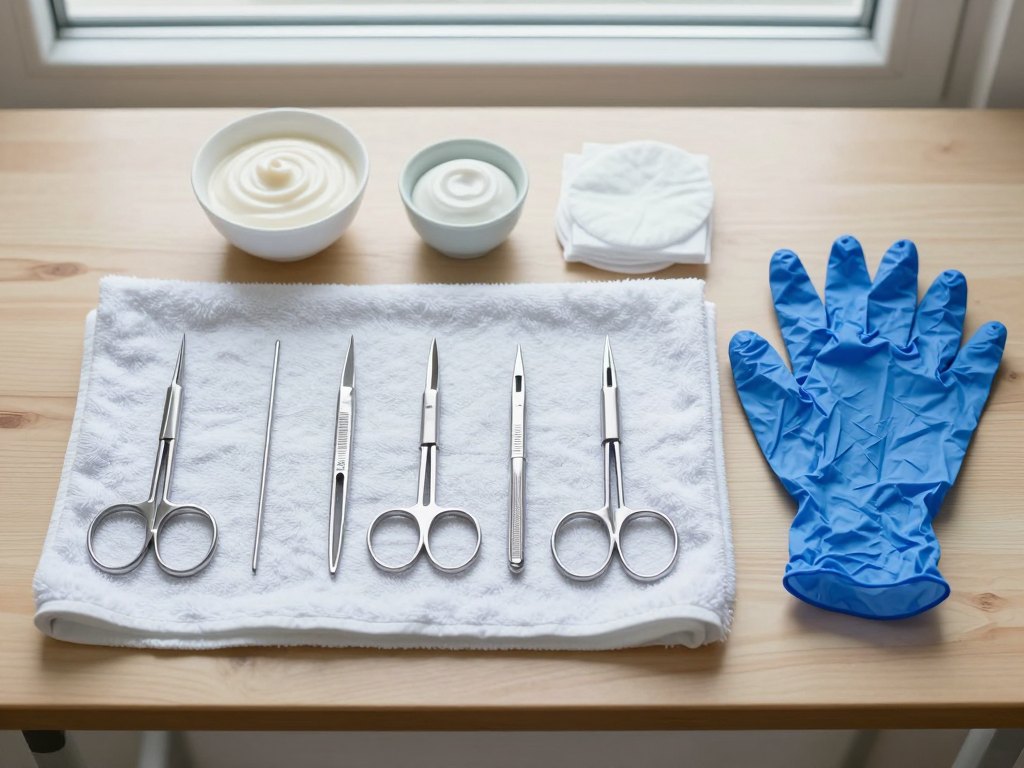
How the course works
This is an online programme for practising professionals. The lessons are delivered through a learning platform and you follow them at the pace that fits your working schedule. The programme runs as a group with a fixed start, and your access lasts 90 days from the start, which is enough time to study, review difficult topics and revisit them with real clients in mind.
Each module combines theory with practical guidance. The theory explains the skin and foot conditions in clear language, drawing on the viewpoints of a dermatologist, an endocrinologist and an orthopaedist. The practical parts turn that knowledge into working schemes you can apply on the next client.
At the end you complete a test and a practice task. They are there so that you check your understanding against real situations before you rely on it at work.
The programme
Six modules move from examination and skin basics to specific conditions and client communication.
1Module 1 — Seeing the complex footHow to examine the foot and skin and set the boundaries of non-medical work.
- What makes a foot complex
- Examining skin, nails and load patterns
- Questions to ask before you start
- Where non-medical work ends and medical care begins
2Module 2 — Cracks and dry, thickened skinCauses of cracked heels and a clear approach to treating them.
- Why skin cracks: causes and risk factors
- Working with shallow and deep fissures
- Choosing tools and products for dry skin
- Home-care plans that improve results
3Module 3 — Chronic skin conditionsPsoriasis, keratodermas and atopic dermatitis in the pedicure setting.
- Psoriasis of the feet: what you see and how to adapt
- Keratodermas and thickened soles
- Atopic dermatitis and sensitive skin
- Safe procedures and when to refer
4Module 4 — Diabetes and the footSpecial precautions when working with clients who have diabetes.
- How diabetes changes skin and sensation
- Risk signs you must never overlook
- Adjusting procedures and tools for safety
- Advice for daily foot care
5Module 5 — Calluses, corns and pressureUnderstanding the load behind skin changes.
- Calluses and corns: how they form
- Biomechanics and pressure points
- Working with painful or recurring calluses
- Footwear and daily habits
6Module 6 — Working as part of a teamCommunication with clients and doctors, plus final assessment.
- Explaining findings to clients in plain language
- Building cooperation with medical specialists
- Test
- Practice task
What you get
- Six modules of video lessons
Structured topics covering the most common complex skin conditions of the feet.
- Medically informed content
Material developed with a dermatologist, an endocrinologist and an orthopaedist.
- Working algorithms and schemes
Clear sequences you can follow with real clients.
- Home-care guidance
Principles for advising clients on routines and products.
- A test and a practice task
Tools to check that you have understood and can apply the material.
- 90 days of access
Study, rewatch and review at your own pace within the access period.
- 14-day refund policy
If the programme is not what you expected, you can ask for a refund within 14 days of purchase.
Is this course for you?
This course is for you if…
- Practising pedicure specialists who want to handle complex skin confidently
- Podologists who want a more structured approach to skin changes
- Specialists who often meet clients with cracks, psoriasis or calluses
- Professionals who want to work alongside doctors with clarity about responsibilities
Probably not a fit if…
- Complete beginners with no experience in pedicure or foot care
- Anyone looking for medical training or a way to diagnose and treat diseases
- Those who want to learn hands-on techniques in person at a venue
- Learners who cannot spend time on study during the access period
After the course
After the programme, a complicated foot is no longer a source of anxiety. You enter the appointment with a clear examination routine, a view of what can safely be done and a plan for what to recommend afterwards.
Your clients notice the difference. They get explanations instead of vague reassurance, and care guidance that fits their skin and lifestyle. When a case belongs with a doctor, you can say so calmly and explain why, which builds trust rather than losing it.
You also gain a shared language with medical colleagues. That makes cooperation easier, protects clients and helps you work within the limits of your role with confidence.
Questions before you buy
How much time do I need each week?
The programme is self-paced within the 90-day access period. Many learners plan a few hours a week, but you can go faster or slower depending on your schedule.
Do I need previous experience?
Yes, the programme is intended for practising pedicure specialists and podologists. You should already be comfortable with the basics of professional foot care.
How does access work after payment?
After payment you receive access details for the learning platform. Your 90-day access period applies from the programme start.
What is the refund policy?
You can request a refund within 14 days of purchase, in line with our refund policy.
What format are the lessons in?
The lessons are online video lessons supported by practical schemes and guidance, with a test and a practice task at the end.
Does the material stay available?
Yes, throughout your 90-day access period you can return to any lesson as often as you like.
Will the course teach me to treat medical conditions?
No. It covers non-medical podology: how to recognise skin changes, work safely within your role, give home-care advice and know when to refer a client to a doctor.
Is the course practical?
Yes. The focus is on working schemes and a practice task so you can apply the knowledge with real clients.
Make complex feet part of your confident practice
Join the programme and work with clear algorithms, medical perspective and a better understanding of your role.