Photography · All levels
Photograph newborns with confidence, from the first shoot to the final edit
A step-by-step online programme that takes you through safe handling, light, posing, styling and client communication over about two and a half months.
- 2.5 months of guided learning
- 24 video lessons in 6 modules
- Practical shooting assignments
- 14-day refund policy

Why newborn photography feels so difficult at first
Photographing a baby in the first weeks of life looks effortless in the finished pictures. Soft light, a sleeping child, a calm and tidy set. Behind those images sit many skills that a portrait or family photographer does not use every day, and that is why so many capable photographers feel lost at their first newborn session.
A newborn cannot be directed. The session depends on the baby's mood, the temperature of the room, the timing of feeds and the nerves of the parents. If you do not know how to read these signals, you spend the session reacting instead of creating, and the pictures show it.
There is also the question of responsibility. Parents trust you with a very small child, so you need to know how to handle, support and pose a baby safely, and how to keep the whole session calm. Learning this by trial and error on real clients is stressful for everyone.
This course gives you a structured path instead. You start with the foundations of safety and preparation, move through light, posing and styling, and finish with editing and working with clients, with practical assignments at every stage so that you are shooting from the first weeks.
What you will be able to do
- Prepare a calm, safe newborn session
Set up the space, temperature and props so the baby stays comfortable.
- Handle and support a baby correctly
Learn safe ways of holding, moving and settling a very small child during the shoot.
- Shape soft, natural light
Use window light and simple modifiers to get gentle, even skin tones.
- Pose newborns in classic and airy styles
Work step by step through the main poses and the logic behind them.
- Style a set with fabrics, wraps and props
Choose colours and textures that suit the baby and the family.
- Shoot in the studio and with plants
Adapt your approach to a controlled studio set and to a softer, plant-themed look.
- Edit images in a consistent style
Build a repeatable editing routine so a whole gallery looks coherent.
- Communicate with parents before and during the session
Explain the process, set expectations and keep parents at ease.
- Plan and deliver a complete client session
Run a shoot from the first enquiry to the delivered gallery.
- 2.5 months
- of guided learning
- 6
- modules
- 24
- video lessons
- 6
- practical assignments
A programme built around real shooting
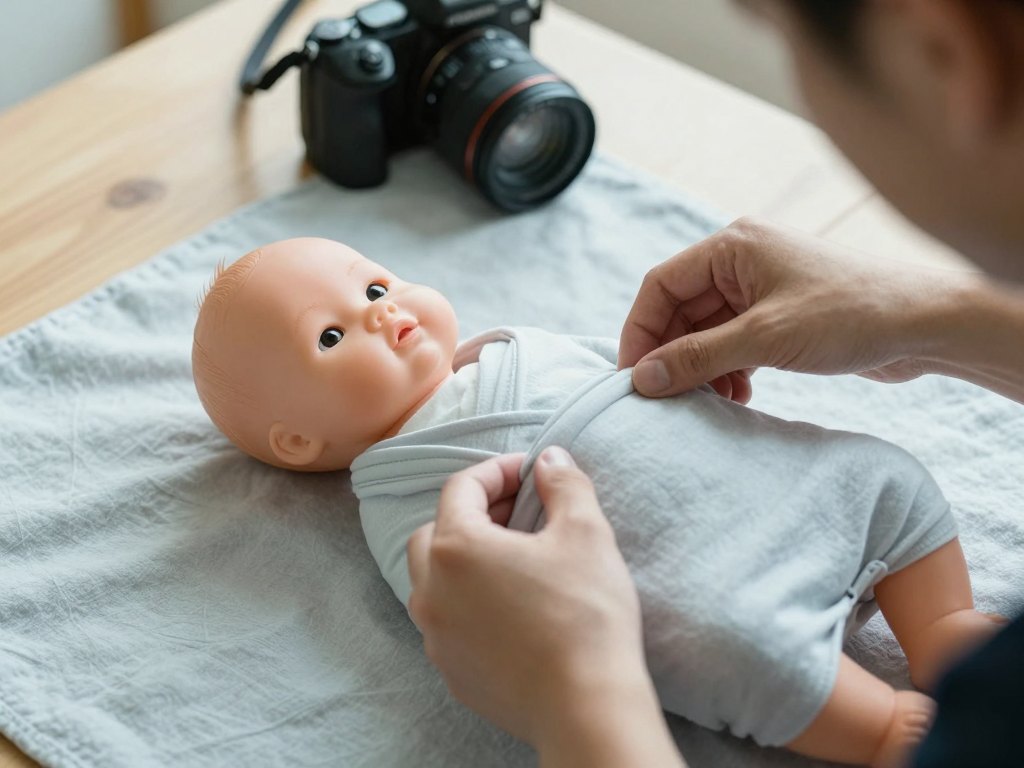
Theory alone does not teach you to photograph a baby. That is why each module of the course ends with a practical task that you complete with a model, a doll or a real session, depending on what you have access to at that point.
The order of the lessons follows the order of a real session. You first learn what to do before the baby arrives, then how to handle the first minutes, how to build light and poses, and only then how to finish and deliver the images. This makes the programme easy to follow even if you have never photographed a newborn.
The material is useful whether you already work as a photographer and want to add newborn sessions, or you are starting from a simple camera and a wish to learn a new genre.
How the course works
The course is delivered online as video lessons with supporting materials. The programme is designed to take around two and a half months at a steady pace, which means you move through one module at a time, practise, and then continue.
Each lesson focuses on one topic and ends with a short summary of what to apply. Modules finish with a practical assignment, so you can check your understanding by shooting rather than only watching.
You can study in the evenings or at weekends. If a week is busy, you simply pause and return to the same lesson later, and everything remains available to revisit whenever you need to refresh a specific skill.
The programme
Six modules that follow the natural order of a newborn session.
1Module 1 — Foundations and safetyUnderstand the genre and prepare for a safe, calm session.4 lessons
- What makes newborn photography different from other genres
- Safe handling and supporting a baby during the shoot
- Reading the baby's signals: sleep, hunger and comfort
- Preparing the room, temperature and equipment
2Module 2 — Light and camera settingsCreate soft, flattering light and a clean technical base.4 lessons
- Working with window light at home and in a studio
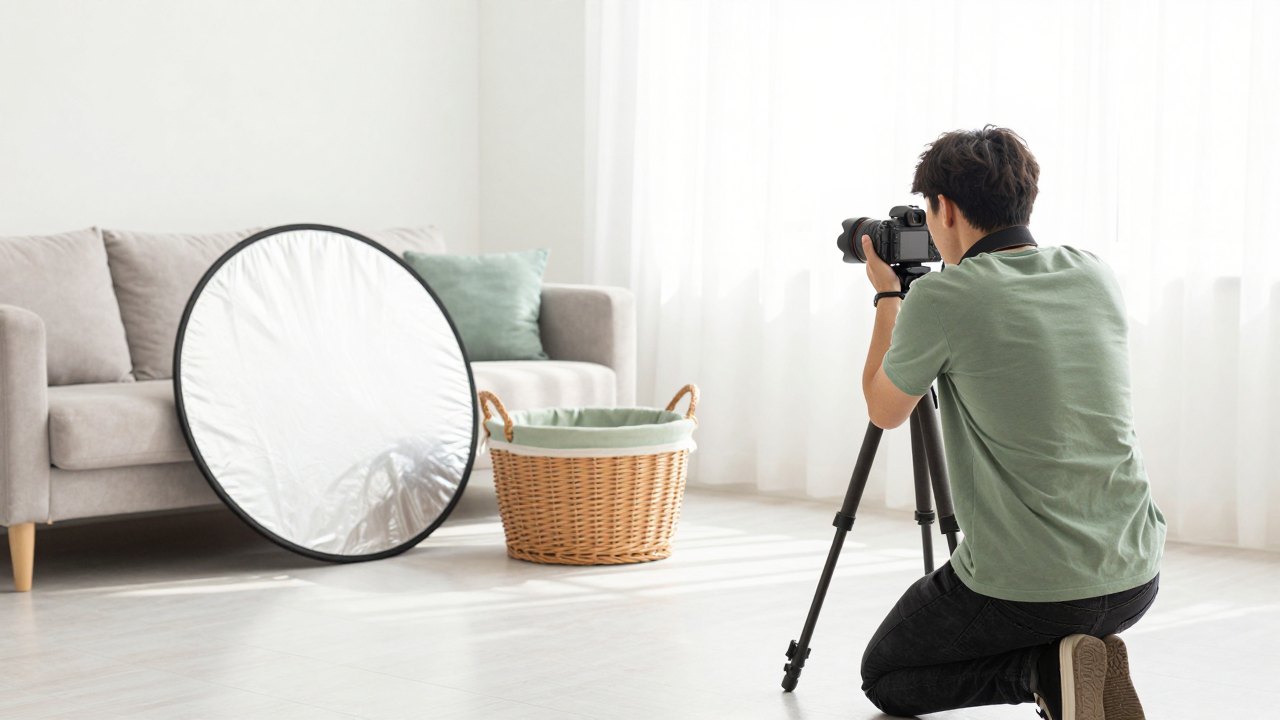
- Simple modifiers: reflectors, diffusers and backdrops
- Camera settings for sleeping babies
- Colour, skin tones and white balance
3Module 3 — Posing basicsLearn the main poses and the reasoning behind each one.4 lessons
- Building a posing flow for the session
- Back, side and tummy poses step by step
- Portraits with parents and siblings
- Details: hands, feet and small moments
4Module 4 — Styling and setsDesign sets that look natural and suit the family.4 lessons
- Choosing colours, fabrics and wraps
- Props and how to use them without clutter
- Airy studio images with soft textures
- Outdoor and plant-themed sessions
5Module 5 — Editing and deliveryTurn your raw files into a finished, consistent gallery.4 lessons
- Selecting the best frames from a session
- Retouching skin and removing small distractions
- Creating a consistent editing style
- Preparing and delivering the final gallery
6Module 6 — Working with clientsRun the whole session professionally and calmly.4 lessons
- Answering first enquiries and explaining the process
- Preparing parents for the session day
- Running the session from arrival to goodbye
- Planning your next steps as a newborn photographer
What you get
- 24 video lessons in 6 modules
Structured in the order of a real newborn session.
- Practical assignments
One task at the end of each module so you can apply what you learn.
- Supporting materials
Notes and reference material to keep next to you while you shoot.
- Self-paced access
Study at the pace that suits your week and return to any lesson.
- Ongoing access to the lessons
The material stays available after you finish.
- 14-day refund policy
If the course is not what you expected, you can ask for a refund within 14 days.
Is this course for you?
This course is for you if…
- Photographers who want to add newborn sessions to their work
- Beginners who are drawn to baby photography and want a clear starting point
- Parents with a camera who want to take better pictures of their own baby
- Portrait or family photographers who feel unsure about handling very small children
Probably not a fit if…
- Anyone looking for a quick shortcut without practising
- Those who want in-person workshops rather than online lessons
- Learners who are not ready to shoot assignments between modules
After the course
By the end of the programme you will have a clear, repeatable way of running a newborn session. You will know how to prepare the space, keep the baby safe and comfortable, build light and poses, and edit a gallery in a consistent style.
You will also have a set of practice images made during the assignments, which helps you see your own progress and choose the kind of newborn work you enjoy most.
Most importantly, you will feel calmer in front of a very small client. That calm is something parents notice immediately, and it makes both the session and the pictures better.
Questions before you buy
How much time do I need each week?
The programme is planned for about two and a half months. Most learners spend a few hours a week on lessons and one practical assignment per module, but you can go faster or slower.
Do I need any experience?
No specific experience in newborn photography is required. Basic familiarity with your camera is helpful, and the lessons explain the rest step by step.
What equipment will I need?
A camera that lets you control exposure manually and a lens you are comfortable with are enough to start. The lessons show simple ways to set up light using what you already have.
How does access work after payment?
Once your payment is confirmed you receive access to the lessons online. You can start right away and study on your own schedule.
What format are the lessons in?
The course consists of recorded video lessons with supporting materials and practical assignments. Everything is delivered online.
Does the material stay available?
Yes. The lessons remain available after you finish, so you can come back to any topic before a new session.
What is your refund policy?
You can request a refund within 14 days of purchase if the course is not right for you.
Will I be able to practise without a real baby?
The assignments are designed so that you can start with a doll or a model for light and posing practice, and move to real sessions when you feel ready.
Start learning newborn photography
Join the programme and shoot your first calm, well-lit newborn session within weeks.