Music · All levels
Teach children to love music through games they ask to repeat
A year-long library of video lessons in music games, rhythm, songs and ukulele for parents, teachers and music leaders.
- Self-paced video lessons
- Games for every season
- Ukulele and rhythm lessons
- 12 months of access
- 14-day refund policy
Why music lessons with children so often fall flat
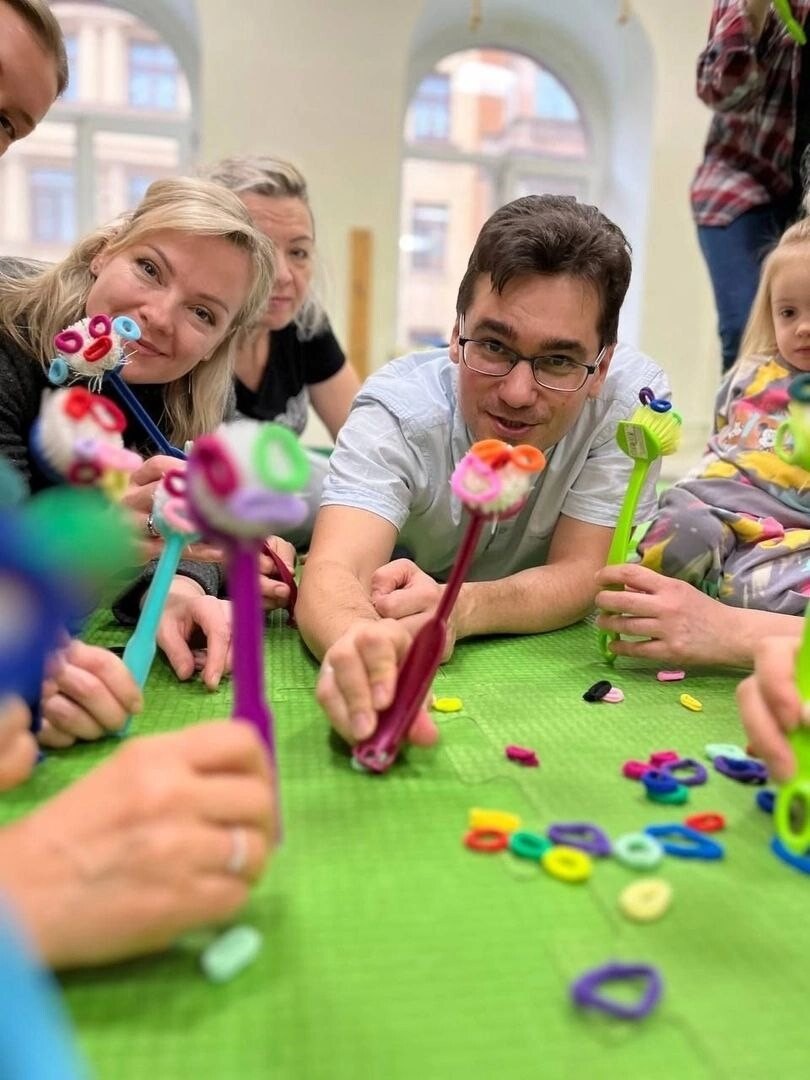
Most adults who work with children know the moment: you put on a recording or open a songbook, and within two minutes the group has lost interest. Children do not want to sit and listen to music being explained. They want to move, play, laugh and take part.
The approach in this course joins music with play. Instead of lecturing about rhythm, melody or composers, you give children a game in which they discover those things themselves. The children ask to play again, and without noticing they practise rhythm, listening, imagination and cooperation.
This programme is a library of ready-to-use lessons built on that idea. Each lesson shows a game or an activity, explains how it is structured and how to run it, and gives you the music and the steps to repeat it in your own group or at home.
You do not need to be a professional musician. If you can follow a demonstration, clap a rhythm and want to enjoy music with children, you can start using the first lessons straight away.
What you will be able to do
Practical abilities you can use in your very next session with children.
- Run a music game from start to finish
Explain the rules simply, keep the group engaged and finish on a high note.
- Plan a music session with a clear structure
Move from warm-up to main activity to calm ending in a sensible order.
- Introduce classical and jazz through play
Use games set to well-known music so children meet it without pressure.
- Teach rhythm with voice, body and instruments
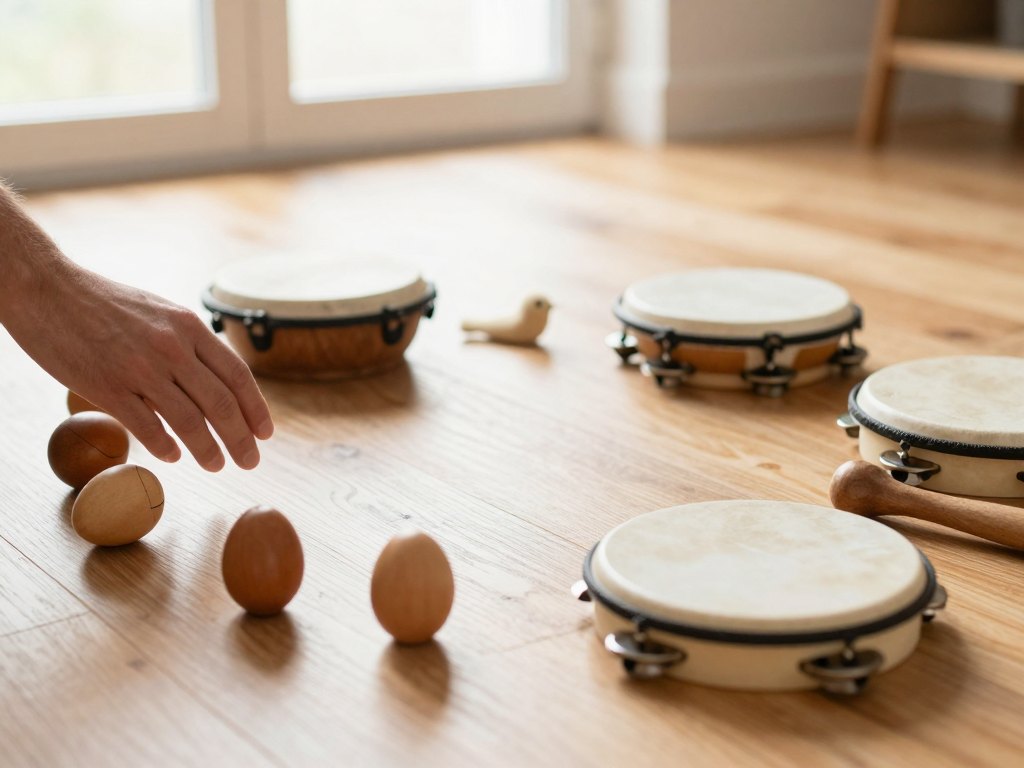
Combine clapping, drums, bells and simple patterns in short exercises.
- Accompany children's songs on the ukulele
Learn the first chords through songs that children already enjoy singing.
- Use your voice playfully in a group
Lead vocal games that build confidence even in shy children.
- Build imagination into musical activities
Turn a melody into a story, a character or a movement.
- Encourage teamwork through shared music-making
Set up games where children listen to each other and play together.
- Prepare seasonal sessions and small concerts
Use autumn, winter and spring material for lessons, parties and performances.
- 12 months
- of access to the library
- 6
- modules in the programme
- 25
- courses in the wider school library
- 4
- main benefits for children: imagination, joy, music culture and teamwork
The method: music and play together
Every lesson follows the same simple idea: the game comes first and the musical learning happens inside it. A child who is pretending to be a bird, passing a rhythm around a circle or following a melody with a coloured wand is practising listening and coordination without feeling it.
This is why the lessons work for mixed ages and mixed abilities. Children who are shy can join through movement, and children who love to perform can lead. The same activity can be made simpler or more demanding depending on your group.
- Games that children want to repeat
- Music from classical to jazz and folk
- Clear steps for adults to follow
- Activities that need very little equipment
How the course works
The programme is a self-paced library of video lessons. You choose where to begin: with the ukulele, with rhythm games or with seasonal material that fits the time of year. There is no fixed schedule, so you can watch a lesson in the evening and try the game the next morning.
Lessons are organised in modules by theme, from games for preschool-age children to ukulele songs, rhythm and beatboxing, and seasonal sessions with songs and small concerts. Some modules also include lectures on the theory behind the activities, so that you understand why a game works and can adapt it.
You get access to the whole library for twelve months from your purchase. You can return to any lesson as often as you like during that time, repeat favourite games with different groups and build your own session plans from the pieces.
The programme
Six modules covering games, songs, rhythm, instruments and seasonal sessions.
1Module 1 — Music games with preschool childrenThe foundations of a playful music session.4 lessons
- Basic theory and structure of a music session with young children
- Game sequences that keep attention from start to finish
- Starting games: greeting, warm-up and getting the group together
- Calm games for the end of the session
2Module 2 — Games with voice and rhythmUse voice, body and simple patterns as the first instruments.5 lessons
- We love rhythm: clapping and body percussion games
- Games with the voice: sounds, echoes and call-and-response
- Rhythms of the day: patterns from everyday routines
- Rescue games for restless groups
- Games on a drum, bells and ukulele
3Module 3 — Ukulele with children's songsStart playing the ukulele through songs that children enjoy.4 lessons
- First steps on the ukulele: holding, tuning and strumming
- Beginner chords through simple children's songs
- Continuing with new songs and strumming patterns
- Popular melodies to play and sing together
4Module 4 — Playing to classical and other musicIntroduce children to adult music through games.4 lessons
- Games set to classical pieces
- Moving, listening and imagining with jazz
- Creating and playing: group music-making ideas
- Writing a song together with children
5Module 5 — Rhythm and beatboxingShort, energetic lessons for older children and mixed groups.4 lessons
- Beatbox basics: the first sounds
- A mini-course in rhythm patterns with the voice
- 28 games for musical immersion
- Brain-and-body games that go beyond ordinary coordination exercises
6Module 6 — Games for the seasons and small concertsReady-made material for the whole year.6 lessons
- Autumn games and songs, with a script and music for an autumn party
- Winter games, part one
- Winter games, part two with a script and music
- Games for the spring festival
- Games for the carnival week
- Autumn, winter and spring concerts: how to prepare and run them
What you get
- Video lessons in music games
Demonstrations of games you can copy with your own group.
- Ukulele lessons
Songs and chords for beginners, with step-by-step demonstrations.
- Rhythm and beatbox lessons
Short activities that build a sense of beat.
- Seasonal lesson material
Games and songs for autumn, winter and spring.
- Lectures on session structure
Short theory that explains how to plan a music session.
- Scripts and music for seasonal events
Support material for small celebrations and concerts.
- Twelve months of access
Watch at your own pace and revisit any lesson.
- Access on any device
Learn on a computer, tablet or phone.

Is this course for you?
This course is for you if…
- Parents who want to make music a joyful part of life at home
- Kindergarten and primary teachers looking for ready-made music activities
- Music leaders and club organisers who run sessions for children
- Beginners who want to learn the ukulele through simple songs
- Anyone who wants to make classical music and rhythm fun for kids
Probably not a fit if…
- People looking for an advanced course in music theory or composition
- Anyone who wants a strict conservatoire-style instrument programme
- Learners who expect personal feedback on their playing
- Those who want a short course finished in one evening
After the course
After working through the lessons, you will have a bank of games you can run without notes, a handful of songs you can accompany on the ukulele and a clear idea of how to structure a session so that it flows.
You will notice a change in how children respond. Instead of waiting to be entertained, they start suggesting variations, asking to play again and listening to each other. Over time, that interest grows into a real love of music.
You will also know how to adapt what you have learned: shortening a game for younger children, making it harder for older ones and linking it to the season, a holiday or a story that matters to your group.
Questions before you buy
How much time do I need each week?
It is up to you. Many learners watch one or two lessons a week and try the games with children in between. Because the course is self-paced, you can go faster during holidays and slower when you are busy.
Do I need musical experience?
No. The lessons begin with simple games and basic ukulele chords. If you can follow a demonstration and keep a steady beat, you can start.
How does access work after payment?
After your payment is confirmed, you receive access to the lessons through your account. Your access to the library lasts twelve months from the date of purchase.
What is your refund policy?
You can request a refund within 14 days of purchase. Contact our support team and we will take care of it.
What format are the lessons in?
The lessons are recorded video demonstrations, supported by lectures and supporting material for some topics. You can watch them on a computer, tablet or phone.
Does the material stay available?
Yes, for the full access period you can return to any lesson as often as you want, repeat games and rewatch demonstrations.
Do I need an instrument?
Not for most of the games, which use voice, movement and simple objects. For the ukulele lessons you will need a ukulele, and a drum or bells are useful for some rhythm activities.
Can I use the lessons with a group of mixed ages?
Yes. The games can be made simpler or more challenging, and the lessons explain how to adjust them for different groups.
Start playing with music this week
Get a full year of access to the lesson library and bring games that children love into your next session.