Cooking · All levels
Build layered mousse cakes that set, slice and taste right
Nine step-by-step cake lessons that show how each layer is made and why it works, so you can repeat the result in your own kitchen.
- 9 mousse cake lessons
- Step-by-step video
- Recipes for every layer
- Self-paced access
- 14-day refund
Why mousse cakes feel so hard to get right
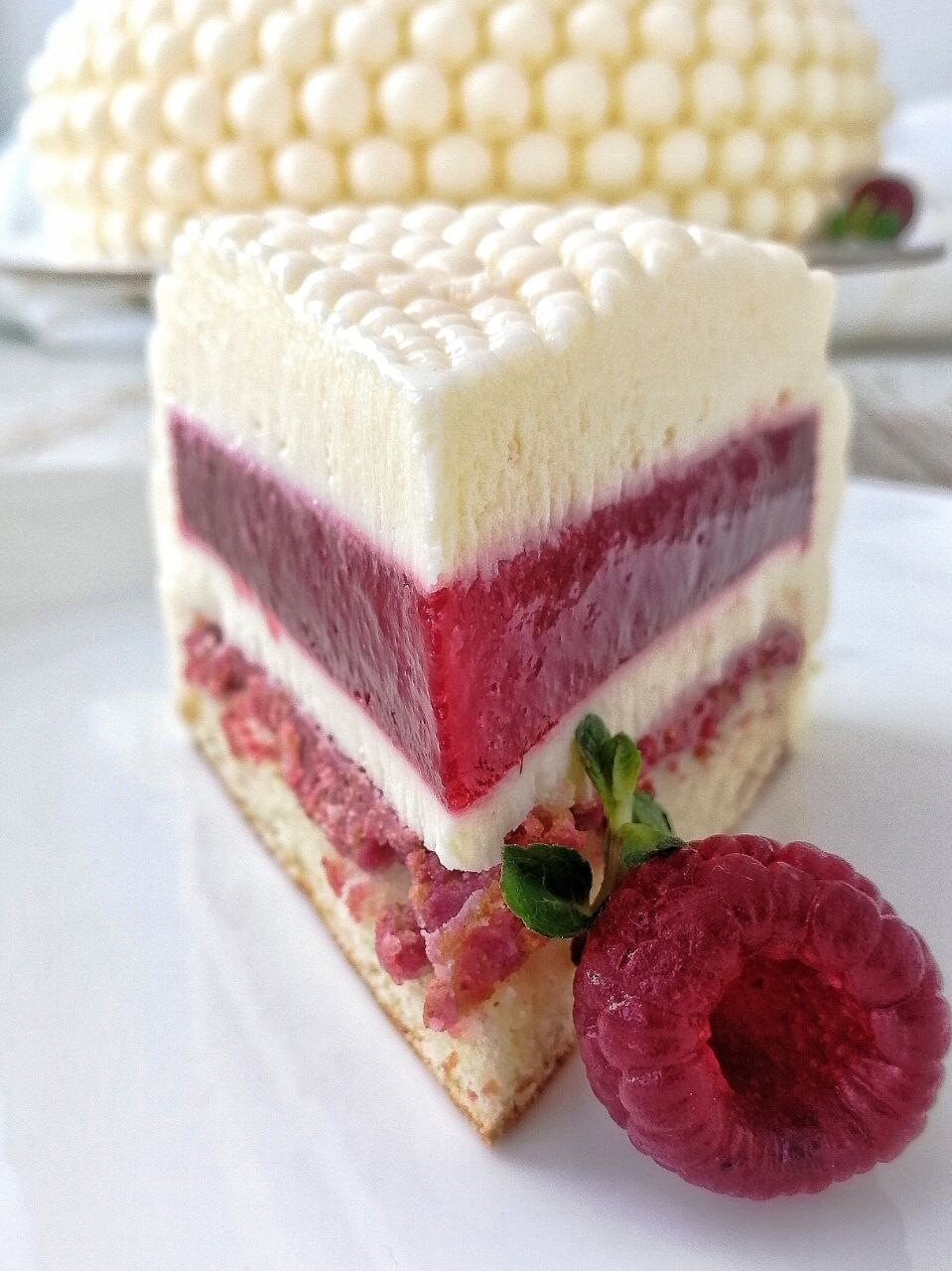
A modern mousse cake looks simple from the outside: a smooth glaze, a clean slice, a pretty cross-section. Inside there are usually five or six components, and each one has its own technique. A sponge that is too dry, a confit that is too runny or a mousse that sets unevenly can spoil the whole cake.
Many home bakers and young pastry cooks learn from short recipe videos that show what to do but not why. When something goes wrong, there is nobody to explain it. You end up following the recipe again and hoping for a different result.
This course takes the opposite approach. Each lesson follows one complete cake from the first layer to the final decoration, and explains the thinking behind every step. You see how flavours are paired, how textures are contrasted and how layers are assembled so the cake holds together.
By the end you will have nine tested flavour combinations to bake as they are, and a clear idea of how to adapt them to your own taste.
What you will be able to do
- Prepare sponges that suit a mousse cake
Fruit, nut, yogurt and chocolate-based sponges, each chosen to match its filling.
- Make confits and fruit fillings
Raspberry, cranberry, grapefruit, mango and passion fruit layers with a stable texture.
- Cook creamy layers and crémeux
Caramel, lime and basil, grapefruit and raspberry layers that slice cleanly.
- Prepare mousses with different bases
Yogurt, cultured-milk, mascarpone, caramel and dark chocolate mousses.
- Soak sponges with flavoured punches
Use tea-based and other soaking syrups to add flavour without making the cake soggy.
- Pair flavours with confidence
Combine fruit, tea, nuts, caramel and spices so that each layer supports the others.
- Assemble and glaze a cake neatly
Build the layers in the right order and finish with a glaze and decoration.
- Plan your work around the cake
Know which components can be made ahead and how they come together on assembly day.
- 9
- mousse cake lessons
- 4
- themed modules
- 14
- day refund window
Learn one cake as a system of layers
Every lesson treats the cake as a set of components that must work together: a sponge to give structure, a soaking to add moisture, a confit or crémeux for contrast, a mousse for lightness and a glaze for the finish.
Seeing the same logic applied to nine different flavour combinations helps you recognise the pattern. After a few cakes you start to see why a tart fruit layer sits beside a mild mousse, or why a crisp element is added to a soft cake.
- Sponge, soaking, filling, mousse and decoration in every lesson
- Contrasts of texture and acidity explained
- Flavour pairings you can adapt to your own taste
- Complete recipes for each component
How the course works
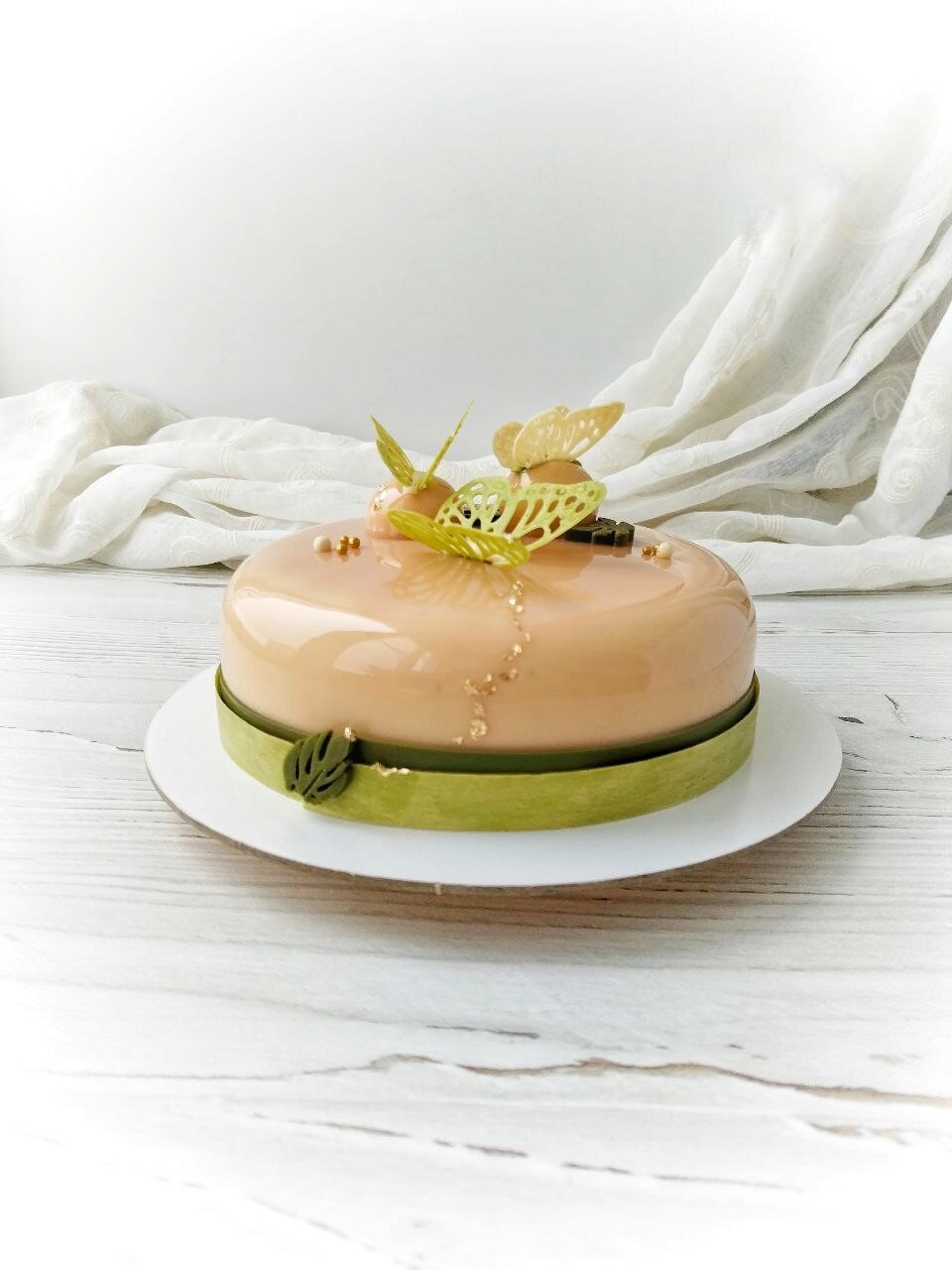
The course is a library of recorded video lessons. Each lesson covers one cake and shows the whole process step by step, from preparing the components to assembling and finishing the cake. You can watch the lessons in any order, although the modules group cakes by flavour family.
You work at your own pace. Many learners watch a lesson once, bake the cake the same weekend and return to the video to check details such as the order of layers or the finishing touches. Because the lessons are recorded, you can pause, rewind and watch as often as you like, on a computer or a mobile device.
Every cake comes with its recipes, so you can keep them next to your work surface while you cook. Questions about a particular lesson can be asked on the lesson page.
The programme
Four modules, nine cakes. Each lesson takes one cake from the first component to the finished decoration.
1Module 1 — Caramel and nut cakesRich, warm flavours built on caramel, coffee and hazelnut.2 lessons
- Crème caramel cake: caramel sponge, coffee praline, crème brûlée layers and vanilla-coffee mousse
- Noisette cake: hazelnut praline mousse, chocolate crémeux, nut sponge and crumbly base
2Module 2 — Tropical and tea-infused cakesFresh, bright combinations with fruit, citrus, coconut and tea.2 lessons
- Island cake: hazelnut, coconut and lime sponge, mango and passion fruit confit, caramel mousse
- Strawberry fresh cake: Earl Grey and lime mousse, strawberry confit, lime and basil crémeux, jasmine tea punch
3Module 3 — Yogurt and cultured-milk cakesLight, slightly tangy mousses paired with berries and citrus.3 lessons
- Berry yogurt cake: yogurt mousse, raspberry and strawberry filling, yogurt sponge with rose punch
- Ryazhenka and cranberry cake: olive-oil sponge with cranberry, cranberry-raspberry confit, ryazhenka mousse, glaze and chocolate decoration
- Grapefruit and yogurt cake: yogurt sponge, grapefruit-cardamom confit, grapefruit-raspberry crémeux, yogurt mousse
4Module 4 — Cream and chocolate cakesClassic crowd-pleasers with a modern finish.2 lessons
- Raspberry plombir cake: plombir-style cream on homemade mascarpone, raspberry confit and syrup, mascarpone mousse
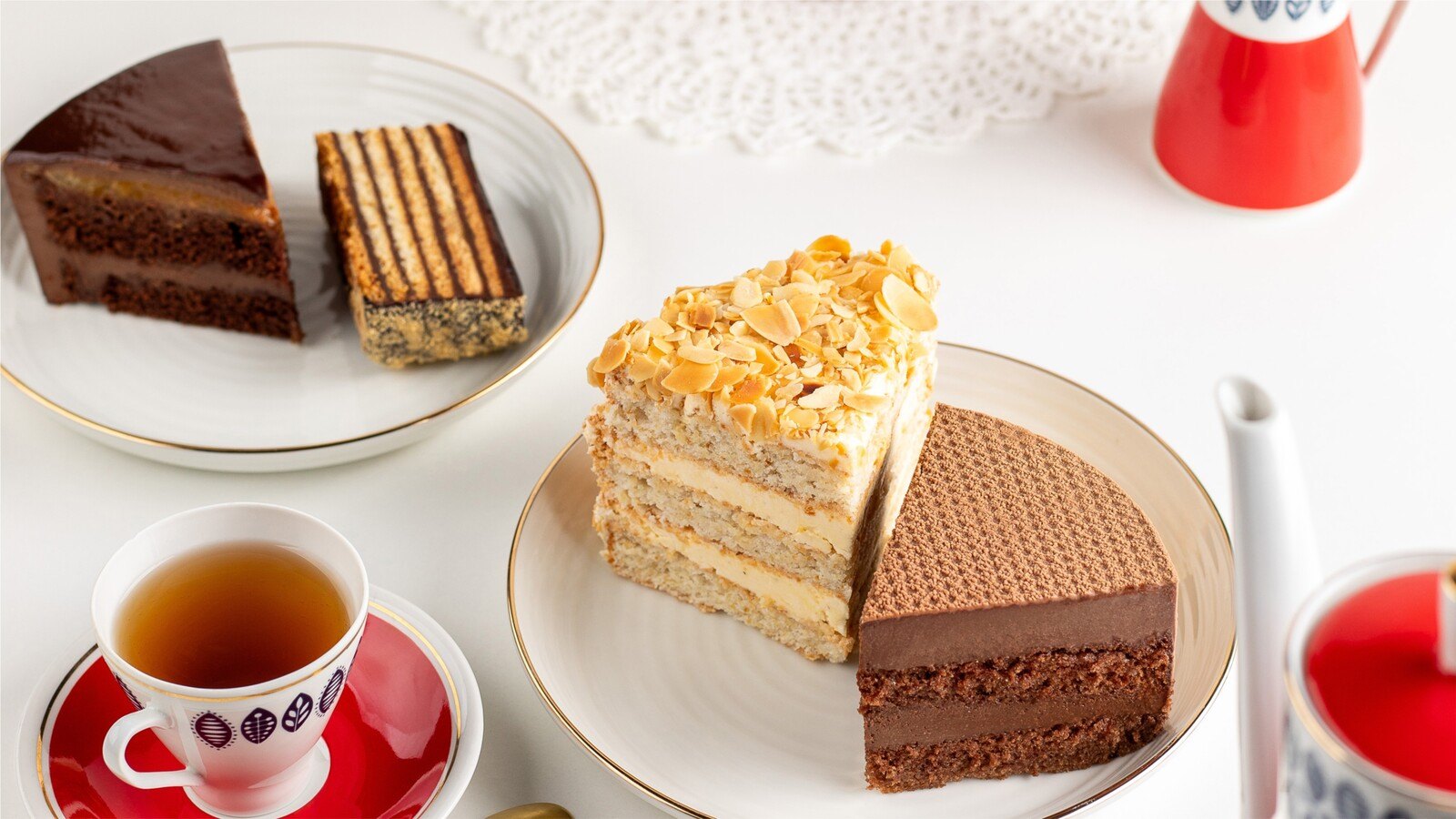
- Chocolate tangerine cake: chocolate-almond sponge, tangerine filling, passion fruit cream, dark chocolate mousse
What you get
- Nine full cake video lessons
Each one follows the cake from start to finish.
- Recipes for every component
Sponges, soakings, confits, creams, mousses and glazes.
- Self-paced access
Watch whenever you like and repeat any step.
- Use on any device
Watch on a computer, tablet or phone.
- Questions on lesson pages
Ask about a specific step where you are stuck.
- A reusable set of flavour ideas
Pairings you can adapt for your own cakes.
Is this course for you?
This course is for you if…
- Home bakers who want to move from simple sponge cakes to layered mousse cakes
- Beginner pastry cooks who want to understand how each layer works
- Café or small bakery owners looking for new flavour combinations
- Anyone who prefers to learn by watching a complete process rather than reading a recipe
Probably not a fit if…
- People looking for a one-to-one mentoring programme
- Those who want a quick recipe without any explanation
- Learners who are not willing to bake a cake at home to practise
After the course
After working through the lessons, you will be able to choose a flavour combination and plan the components of a mousse cake in the right order. You will know what each layer contributes and how it should behave when you slice the cake.
You will also have nine recipes that you can bake as they are for family celebrations, or adapt by swapping fruit, tea or nuts. The structure stays the same, so changing a flavour becomes a creative decision, not a risk.
Questions before you buy
How much time do I need each week?
There is no schedule. Most people watch one lesson and bake the cake over a weekend, which takes a few hours. You can go faster or slower as it suits you.
Do I need previous experience?
Basic baking experience helps, and the course suits beginners and more advanced home bakers alike. Each lesson shows the full process, so you will see every step.
How does access work after I pay?
Access opens right after payment. You will receive a confirmation, and you can go straight to the lessons and start watching.
What is the refund policy?
You can request a full refund within 14 days of purchase if the course is not what you expected.
In what format are the lessons?
Recorded video lessons, together with the recipes for each cake. You can watch on a computer, tablet or phone.
Does the material stay available?
Yes. The lessons stay in your account, so you can return to them whenever you plan to bake.
Do I need professional equipment?
A well-equipped home kitchen is a good start. Each lesson shows the tools used, so you can see what is needed for that cake before you begin.
Can I ask questions about a lesson?
Yes. You can post questions on the lesson pages and get answers about the specific step you are working on.
Bake your first mousse cake this weekend
Choose a flavour, follow the lesson and see the layers come together in your own kitchen.