Creative · Beginner
Repair damaged leather and add a new service
Twelve practical video lessons that show how to diagnose leather damage, choose materials and restore the surface, with a workbook and tool lists.
- 12 practical video lessons
- About 3 hours of content
- 20-page workbook
- Tool and equipment lists
- Support chat access
- Access that does not expire
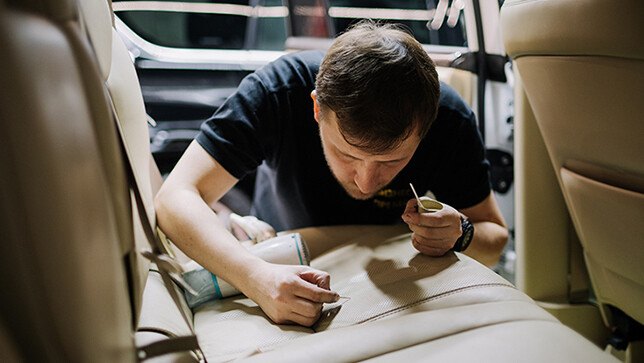
Leather looks permanent until it is damaged
Leather is one of the most durable materials in a car, a sofa or a jacket, yet it is also one of the easiest to damage. A key in a pocket leaves a scratch, a sun-faded seat cracks, and a worn bolster loses its colour. Replacing the whole part is expensive, so owners look for someone who can repair it.
That demand is why leather restoration is a useful skill for people in car care, upholstery and similar trades. The difficulty is that leather comes in many types, and each reacts differently to cleaners, fillers and paint. Guessing, or copying a short clip online, often turns a small scuff into a visible patch.
This course gives you a structured way in. It starts with how leather is made and how to recognise the type in front of you. It then moves through cleaning, repair of different kinds of damage, colour work and final protection, in the order you would follow on a real job.
The lessons are practical by design. Each one is built around an action you can repeat: assessing the damage, preparing the surface, applying a repair, painting and finishing. You come away with a method you can follow, not just a list of facts.
What you will be able to do
After the course you will be able to carry out the basic steps of leather repair with confidence.
- Identify the type of leather you are working with
Different finishes need different products and different care.
- Assess damage before you touch it
Tell a surface scuff from a crack or a deep cut and decide how to fix it.
- Prepare and clean leather for repair
Remove dirt and old residue without harming the finish.
- Repair scratches, cracks and worn areas
Follow a clear sequence of steps for each kind of damage.
- Choose the right materials and tools
Use the supplied lists to buy what you need and nothing you don't.
- Work with painting equipment
Understand how a spray gun and an airbrush are used for colour work.
- Finish and protect the restored surface
Seal the repair so it holds up in daily use.
- Offer leather repair as an extra service
Add a new item to the range of work you already do.
- 12
- practical video lessons
- 3 h
- of video content
- 20
- workbook pages
- 4
- modules
Learn the work in the order you will do it
The course follows a real repair from start to finish. You begin by looking at the material and the damage, then prepare the surface, then repair, then colour and finish. Nothing is taught out of context.
The workbook that goes with the lessons helps you keep notes, record what you decided and why, and plan the materials you will need before you start a job.
- Start every job with a diagnosis
- Prepare the surface before any repair
- Match colour and finish carefully
- Protect the result so it lasts
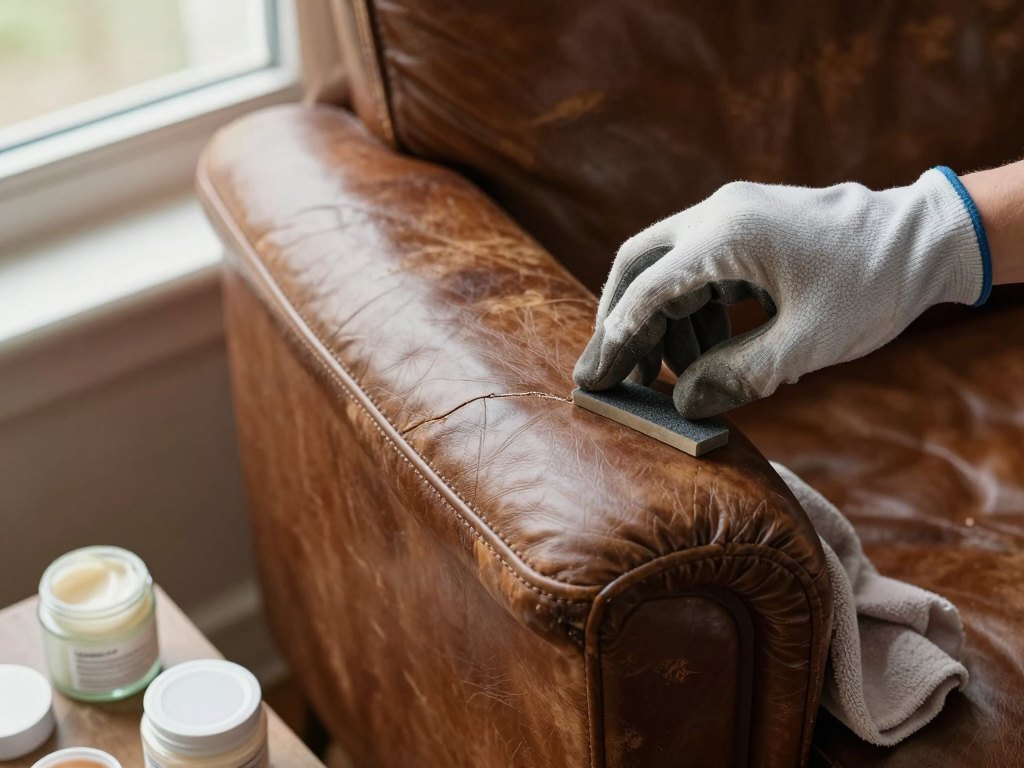
How the course works
The course is a library of recorded video lessons that you watch at your own pace. There are no fixed class times and no deadlines. Total viewing time is about three hours, so you can finish it in a few evenings or spread it over several weeks.
Because the subject is hands-on, we suggest you pause the video, try each step on a spare piece of leather or an old part, and then return to the lesson. A 20-page workbook accompanies the lessons for notes and planning.
You also get access to a closed support chat where you can put questions to professionals. Alongside the lessons you receive lists of products and equipment for leather restoration, including painting equipment such as a spray gun and an airbrush, so you know what to prepare.
The programme
Twelve lessons in four modules, from understanding the material to finishing a repair.
1Module 1 — Understanding leatherWhat leather is and how to read the damage in front of you.3 lessons
- Types of leather and how to recognise them
- Typical damage: scratches, cracks, scuffs and wear
- Planning the job: what to repair and what to leave
2Module 2 — Tools, materials and preparationWhat you need on the bench and how to prepare the surface.3 lessons
- Materials and tools for leather restoration
- Cleaning and degreasing the surface
- Removing old coatings and preparing for repair
3Module 3 — Repairing the damageStep-by-step repair of the most common problems.3 lessons
- Repairing scratches and shallow scuffs
- Filling and levelling cracks and deeper damage
- Restoring worn areas and edges
4Module 4 — Colour and finishingPainting, finishing and protecting the restored leather.3 lessons
- Working with a spray gun and an airbrush
- Colour matching and applying the paint
- Final finish, protection and aftercare advice
What you get
- 12 practical video lessons
About three hours of recorded instruction.
- A 20-page workbook
For notes, checklists and planning your jobs.
- Lists of products and equipment
Everything for leather restoration, plus painting equipment.
- Access to a support chat
Ask professionals your questions directly.
- Lifetime access
Return to the lessons whenever you need a refresher.
- 14-day refund policy
Try the course and ask for a refund if it is not right for you.
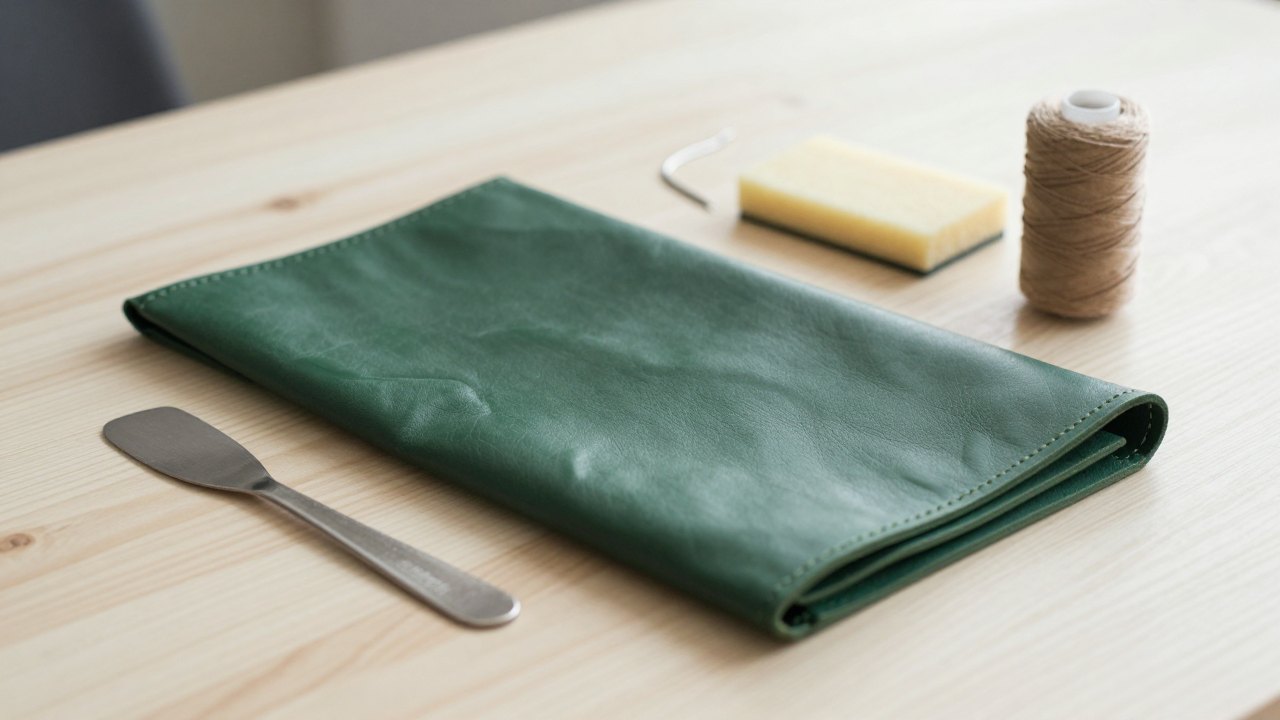
Is this course for you?
This course is for you if…
- Beginners who want to learn a practical, hands-on skill from scratch
- People in related trades such as car care or upholstery who want to widen their services
- Studio owners who need a clear training resource for their staff
- Car owners who want to understand how leather repair works before commissioning it
Probably not a fit if…
- Anyone looking for a live, in-person workshop with a tutor beside them
- People who do not want to practise and expect results from watching alone
- Those looking for a business or marketing course, since this one focuses on the repair technique
After the course
When you finish, you will know how to approach a damaged leather surface in a methodical way. You can identify the material, judge how serious the damage is and plan the repair before you pick up a tool.
You will know which materials and equipment to buy, how to prepare a surface, and how to apply and finish a repair so it lasts. The lists and the workbook stay with you as a reference for every new job.
As with any craft, skill comes with repetition. The course gives you the foundations and a clear method, and your own practice builds on that with every repair.
Questions before you buy
How much time do I need per week?
The video content lasts about three hours in total, and you set the pace. Many learners spend an hour or two a week, plus extra time to practise the techniques on spare leather.
Do I need any previous experience?
No. The course starts with the basics of leather and its damage, so it suits beginners as well as people from related trades.
How does access work after I pay?
After payment you receive access to the lessons and materials online. Your access does not expire, so you can learn when it suits you.
What is the refund policy?
You can request a refund within 14 days of purchase if the course is not what you expected.
What format are the lessons in?
They are recorded, self-paced video lessons, supported by a 20-page workbook and lists of products and equipment.
Will the materials stay available?
Yes. You can return to the lessons and the supporting materials whenever you like.
Do I need special equipment to start?
You will need tools and materials for the practical work. The course gives lists of what to prepare, including painting equipment such as a spray gun and an airbrush.
Can I ask questions while I learn?
Yes. The course includes access to a closed support chat where you can put questions to professionals.
Start learning leather restoration
Get the lessons, the workbook and the equipment lists, and begin your first repair at your own pace.