Business · All levels
Learn to organise and run a lean programme at work
Master the core lean tools, plan an improvement project and gain the skills to lead lean initiatives in your company on your own.
- Recorded video lessons
- Graded practical assignments
- Teacher feedback on your work
- Final lean project
- 14-day refund policy
Why improvement efforts stall
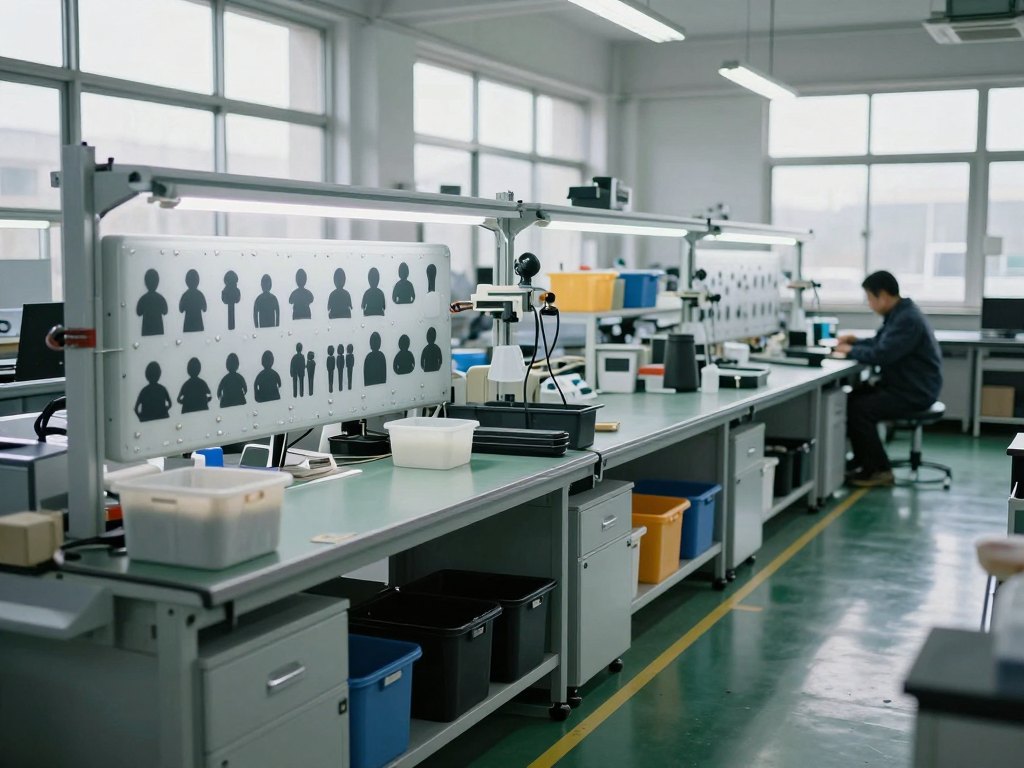
Many companies know they waste time, materials and effort. Orders wait in queues, people redo work, and managers spend their days putting out fires instead of improving how things are done. Everyone agrees things could be better, but few people know where to start.
Lean is a practical answer to this problem. It is a set of tools and a way of thinking that helps teams see waste in their processes, remove it step by step and keep the gains. It is used in factories, offices, services and small businesses alike.
Reading about lean is easy. Turning it into a working programme is harder. You need to choose the right tools, analyse real processes, involve colleagues and plan changes that survive after the first enthusiasm fades.
This programme is built around that gap. It walks you through the tools, then through the organisation of a full lean programme, and finishes with a project of your own so that you leave with something you can use at work.
What you will be able to do
- Apply core lean tools and methods
Understand when each tool fits and how to use it on real work.
- Analyse a process from start to finish
Describe how work flows today and where time and effort are lost.
- Design a future state for a process
Sketch a simpler, faster way of working and the steps to reach it.
- Organise a lean programme in a company
Set goals, choose pilot areas and plan the stages of rollout.
- Prepare a lean improvement project
Turn your findings into a structured written project.
- Run improvement activities on your own
Lead sessions and follow up on results without outside help.
- Involve and motivate your colleagues
Explain the purpose of changes so that people support them.
- Link improvements to company strategy
Choose initiatives that matter for costs, quality and speed.
- 6
- modules
- 22
- lessons
- 2 a week
- live sessions on a schedule
- 1
- final lean project
Who this programme is designed to serve
The programme is aimed at people who want to improve how an organisation works, not just learn vocabulary. That includes managers who are responsible for results, specialists who are asked to lead improvements, and entrepreneurs who want their own business to run with less waste.
You do not need to work in manufacturing. The same ideas apply wherever there is a repeatable process: order handling, document flow, customer service, logistics, production or maintenance. If work moves through several steps and people, there is something to improve.
Each part of the course moves from understanding an idea to applying it. You will see the logic of a tool, work through examples, and then complete an assignment that asks you to use it on a process you know.
How the course works
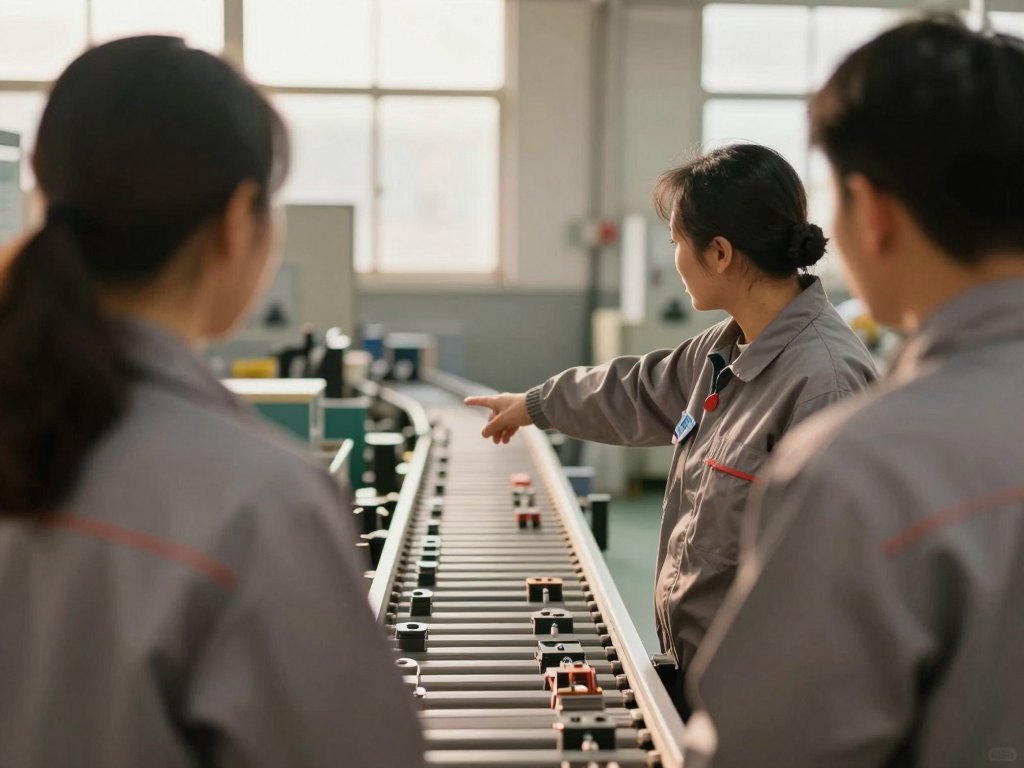
The lessons are recorded, so you can watch them when it suits you and return to any of them as often as you need. Alongside the recordings, live sessions take place twice a week on a set schedule, giving you a chance to follow the topics with a group.
Each lesson includes a practical assignment. You attach your result to the lesson, a teacher reviews it, leaves comments and points out what should be corrected. Access to the next lessons opens once the assignment is completed, which keeps the learning steady and practical rather than passive.
Knowledge checks help you see your real progress and fix the material in memory. The programme closes with a final project in which you bring everything together into a plan for organising lean in a company. Plan your own pace, and set aside regular time each week so that the assignments do not pile up.
The programme
Six modules take you from the basic ideas of lean to a complete project and the skills to run programmes independently.
1Module 1 — Foundations of leanThe ideas and vocabulary behind lean management.4 lessons
- What lean is and why organisations use it
- Value, waste and the customer's point of view
- The principles of continuous improvement
- Lean in manufacturing, services and offices
2Module 2 — Lean tools and methodsThe main instruments and how to choose between them.4 lessons
- Organising the workplace and standard work
- Visual management and simple control boards
- Flow, pull and reducing queues
- Quality at the source and preventing errors
3Module 3 — Analysing processesSeeing how work really flows and where it gets stuck.4 lessons
- Observing the process at the place of work
- Mapping the current state
- Finding the biggest losses of time and effort
- Designing the future state of a process
4Module 4 — Organising a lean programmeFrom a single improvement to a company-wide programme.4 lessons
- Linking company strategy and the improvement strategy
- Setting goals and measures for the programme
- Choosing pilot areas and building the team
- Planning stages, responsibilities and follow-up
5Module 5 — The lean projectTurning your analysis into a structured project.3 lessons
- Structure of a lean organisation project
- Describing the situation, goals and expected effects
- Presenting and defending your project plan
6Module 6 — Running programmes independentlyLeading changes inside the company without outside help.3 lessons
- Leading improvement sessions with a team
- Overcoming resistance and keeping momentum
- Sustaining results after the first changes

What you get
- Recorded video lessons
Watch at any time and rewatch as often as you like.
- Live sessions twice a week
Scheduled sessions that follow the programme topics.
- Practical assignment in every lesson
Tasks that make you apply each tool right away.
- Teacher review of your work
Comments and corrections on the results you submit.
- Knowledge tests
Checks that show how well you have absorbed the material.
- A final lean project
A written plan for organising lean that you can take to work.
- Step-by-step access
Later lessons open as you complete your assignments.
- Lasting access to the lessons
Return to the material whenever you need a refresher.
Is this programme for you?
This course is for you if…
- Managers who want to reduce waste and costs in their department or company
- Specialists who have been asked to start or lead an improvement initiative
- Business owners who want their processes to run faster and more smoothly
- Quality, production and operations staff who want a structured method
- People who want to move into lean and continuous improvement work
Probably not a fit if…
- Anyone looking for a quick fix without doing practical assignments
- People who only want a theoretical overview and do not plan to apply it
- Those who cannot set aside regular time each week for lessons and tasks
- Readers expecting personal one-to-one consulting on their own company
After the course
When you finish, you will be able to look at a process and see where effort is wasted, and you will have a vocabulary and a set of tools to explain it to colleagues. Instead of vague ideas about getting better, you will have concrete steps to propose.
You will also have a finished project that describes how a lean programme could be organised in your company, with goals, stages and responsibilities. It gives you a solid starting point for a conversation with management or your team.
Most importantly, you will be able to run improvement activities on your own and keep them going. That is the difference between a one-off initiative and a habit of improving how the organisation works.
Questions before you buy
How much time do I need each week?
The lessons are recorded, so you set your own pace. As a guide, plan a few hours a week for watching lessons, completing assignments and, if you wish, joining the live sessions held twice a week.
Do I need prior knowledge of lean?
No. The programme starts with the basic ideas and builds up from there. Some work experience in a company or team will help you choose good examples for your assignments.
Is it only for people in manufacturing?
No. Lean ideas apply to any repeatable process, including offices, services, logistics and small businesses. You can base your assignments on the process you know best.
How does access work after payment?
After you pay, you get access to the programme in your account. Lessons open step by step as you complete the practical assignments.
What format are the lessons in?
Recorded video lessons, each with a practical assignment. Live sessions take place twice a week on a schedule, and a teacher reviews the work you submit.
Will the material stay available?
Yes. You can return to the recorded lessons as many times as you need, so you can revisit a topic when you start a real project.
What if I fall behind?
Because the lessons are recorded, you can continue at your own pace. Completing each assignment unlocks the next lessons, so you always pick up where you stopped.
Can I get my money back?
Yes. If the programme is not what you expected, you can request a refund within 14 days of purchase.
Start building your lean skills
Take the first lesson, complete your first assignment and begin turning lean ideas into results at work.