Cooking · All levels
Pour latte art you are proud to serve
22 detailed video lessons on milk, steam wand settings, steaming technique and the pour itself, taught by a two-time national latte art champion.
- 22 detailed video lessons
- Self-paced learning
- Milk and equipment guidance
- Access stays available
- 14-day refund policy

Why latte art feels harder than it looks
Almost everyone who owns an espresso machine has tried to pour a heart and ended up with a white blob. The cup looks nothing like the photos, and it is hard to tell what went wrong. Was it the milk, the steam wand, the jug, the speed of the pour, or simply the angle of your wrist?
The truth is that latte art is the final step of a chain. If the milk is poorly chosen, the foam is too airy or too thin. If the steam wand is not set up properly, the texture never becomes silky. If the technique is rushed, even perfect milk will not draw a clean pattern. Practising only the last step, the pour, means repeating the same mistakes for weeks.
This course takes the whole chain apart. It starts with the ingredients and the equipment, moves on to the way milk is steamed, and only then turns to the drawing itself. You see each step demonstrated in detail, so you can compare your own cup with what the lessons show and fix one thing at a time.
The lessons are recorded by a two-time national latte art champion, so the explanations come from years of competition and daily work behind the bar. They are meant for people who love coffee at home just as much as for professionals who want to sharpen their craft.
What you will be able to do
By following the lessons and practising along, you will build these skills step by step.
- Choose milk that suits latte art
Understand how the choice of milk affects texture, sweetness and how well a pattern holds.
- Set up the steam wand of your machine
Learn what to look for in the steamer settings so that you can produce stable, smooth milk.
- Steam milk with controlled technique
Practise the movements that give you fine, glossy microfoam instead of large bubbles.
- Pick the right jug and cup
See how the shape and size of your tools change the way the milk behaves.
- Pour basic patterns with confidence
Work from a simple shape toward more detailed drawings.
- Diagnose your own mistakes
Recognise common faults in texture and pouring and know which step to correct.
- Build a repeatable practice routine
Use short, focused sessions so that every cup teaches you something.
- Apply professional tips to daily work
Take the finer points of the craft and use them at home or behind the bar.
- 22
- detailed video lessons
- 6
- learning modules
- 4
- core topics: milk, steamer, steaming, drawing
- 2×
- national champion behind the lessons
A course built around the whole process
Most short tutorials show a quick pour and skip everything that happened before it. Here the order is deliberate. You learn how milk behaves first, how your machine delivers steam second, how to steam third, and how to draw last. Each stage builds on the one before.
The lessons include the details that rarely fit into a social media clip: the finer points of choosing milk, the adjustments of the steam wand, the differences in whipping technique and tools, and the nuances of the drawing itself. Together they form a complete picture of how a clean pattern is made.
You do not need a professional bar to follow along. A home espresso machine with a steam wand, a milk jug and a few cups will be enough to practise most of what is shown.
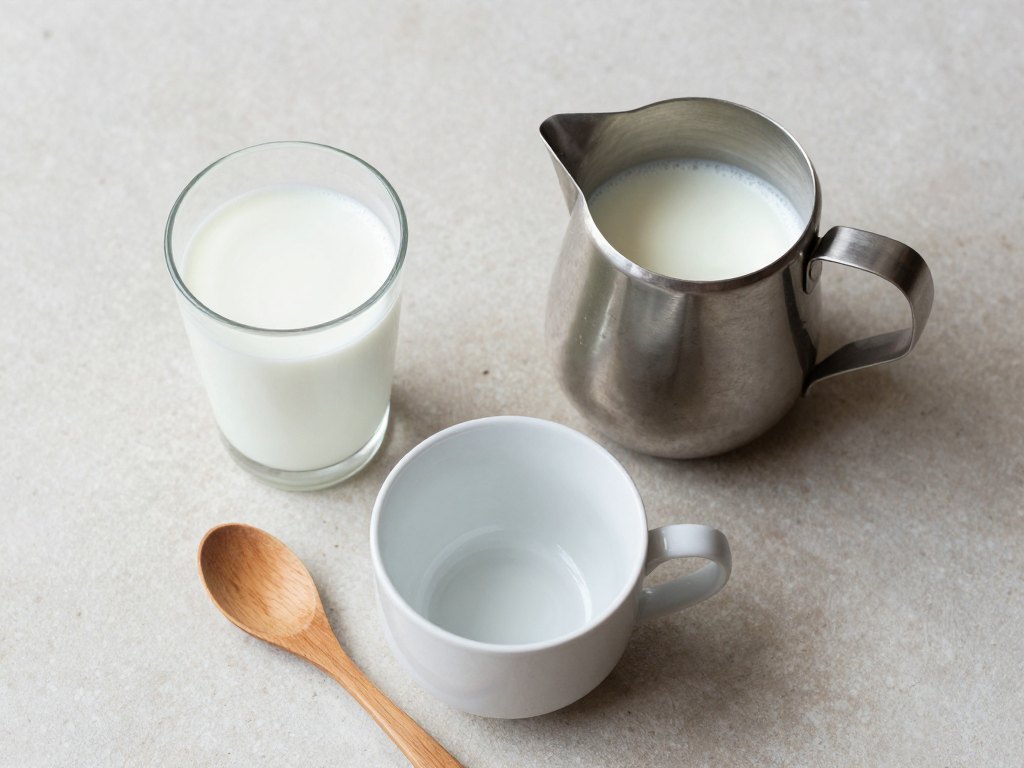
How the course works
The course is a library of recorded video lessons. After payment you receive access and can watch at any time, on any day, at the pace that suits you. There are no fixed class times and no deadlines, so you can fit the lessons around work and family.
We suggest watching a lesson, then practising what it showed with real milk and real cups. Many learners find it works well to take one or two lessons per session and then spend the rest of the time at the machine. Pause, rewind and rewatch the key moments as often as you need; the point is to see the movement clearly enough to copy it.
The material is arranged in six modules that follow the natural order of the craft, from ingredients to finished drawings. You can go through them in sequence or return to a single topic, such as steam wand settings, whenever a problem shows up in your cups.
The programme
Twenty-two video lessons in six modules, from the basics of milk to the art of drawing.
1Module 1 — Milk: the foundation of every patternHow the choice of milk shapes texture and the final drawing.4 lessons
- What makes milk suitable for latte art
- Comparing milk types and their behaviour in the jug
- Temperature and freshness: what to check before you start
- Common milk-related mistakes and how to avoid them
2Module 2 — Your machine and the steam wandGetting the equipment ready so that steam works for you.4 lessons
- How a steam wand works and what it needs from you
- Adjusting the steamer of your espresso machine
- Checking steam power before you pour
- Keeping the wand clean and consistent
3Module 3 — Steaming techniqueThe movements that turn cold milk into glossy microfoam.4 lessons
- Positioning the jug and the wand
- Introducing air: how much and for how long
- Swirling and texturing the milk
- Fixing foam that is too thick, thin or bubbly
4Module 4 — Jugs, cups and toolsHow the shape of your tools affects the result.4 lessons
- Choosing a milk jug that fits your hand and your drinks
- Why cup shape matters for drawing
- Preparing the espresso base for a clean canvas
- Setting up your workspace for practice
5Module 5 — The art of drawingTurning well-steamed milk into clear patterns.3 lessons
- The pouring motion: height, speed and angle
- Drawing your first basic pattern
- Building toward more detailed designs
6Module 6 — Refinement and practicePolishing your technique and keeping progress steady.3 lessons
- Reading your cups: what each flaw tells you
- Professional tips for consistency
- Planning your practice sessions
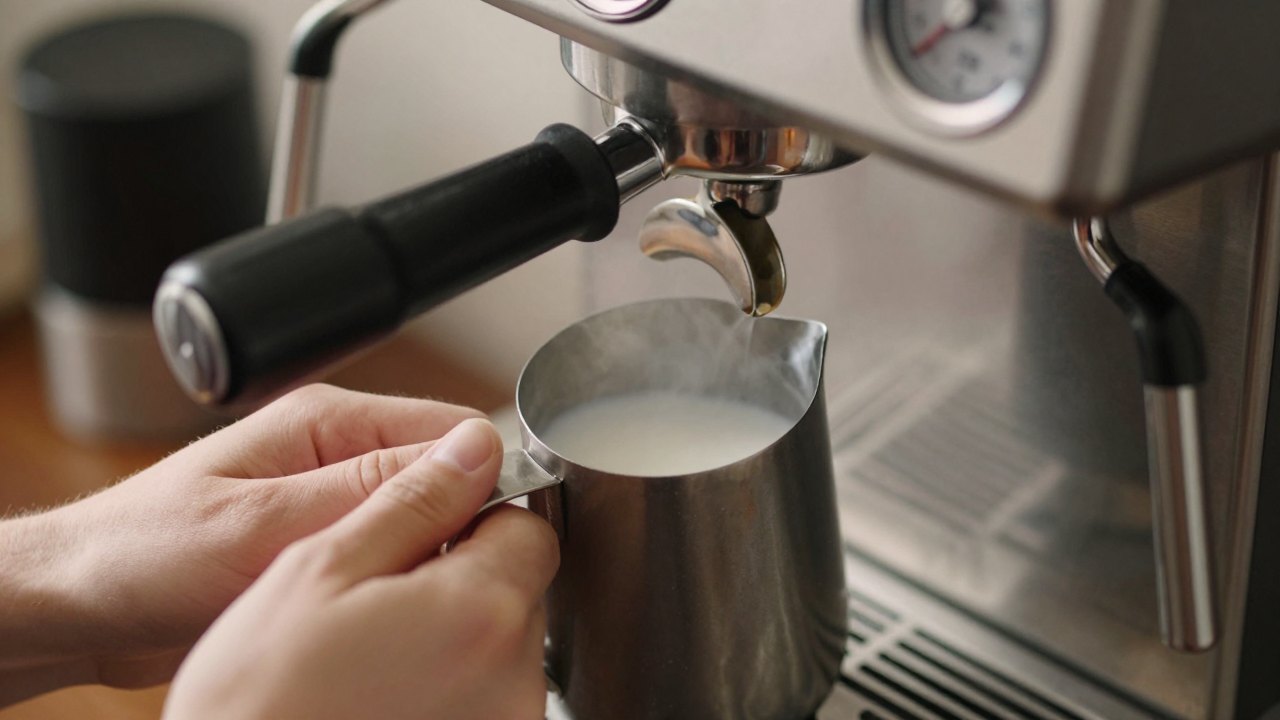
What you get
- 22 detailed video lessons
Recorded demonstrations covering milk, equipment, steaming and drawing.
- Self-paced access
Watch whenever you like, as many times as you like.
- A clear learning order
Six modules that move from the basics to the finished pour.
- Practical guidance on equipment
Advice on steam wand settings, jugs and cups.
- Troubleshooting help
Lessons dedicated to spotting and fixing typical mistakes.
- Ongoing availability
The lessons stay available to you after purchase.
- A 14-day refund window
If the course is not right for you, you can ask for your money back within 14 days.
Is this course for you?
This course is for you if…
- Home coffee lovers who own an espresso machine and want better milk drinks
- Beginner baristas who need a structured way to learn steaming and pouring
- Experienced baristas who want to refine technique and fix inconsistent results
- Café owners who want to give their team a shared reference for latte art
- Anyone who enjoys learning a hands-on craft at their own speed
Probably not a fit if…
- People without access to any espresso machine or steam source, since the course is built around practice
- Those looking for personal feedback on their cups from a mentor
- Learners who want a broad course on coffee roasting or brewing methods rather than milk and latte art
- Anyone expecting perfect patterns after a single evening without practising
After the course
Once you have worked through the lessons and practised regularly, you will understand why your milk behaves the way it does. Instead of guessing, you will know which setting or movement to change when the foam is too coarse or the pattern collapses.
You will have a method for steaming that you can repeat cup after cup, and a set of patterns that you can pour with growing control. Your home coffee will look closer to what you are served in a good café, and behind the bar you will work with more confidence and consistency.
Latte art remains a skill that grows with practice, and the lessons stay available to return to whenever you want to review a technique or move on to something more ambitious.
Questions before you buy
How much time do I need per week?
There is no fixed schedule. Many learners watch one or two lessons and then practise for a few sessions a week. Because the course is self-paced, you can go faster or slower depending on your time.
Do I need any previous experience?
No. The course starts with the basics of milk and equipment, so beginners can follow it. Experienced baristas can use it to refine their technique and jump to the topics they need.
What equipment do I need?
To practise, you will need an espresso machine with a steam wand, a milk jug, cups and fresh milk. The lessons explain how to choose and adjust these.
How does access work after payment?
Once your payment is confirmed, you receive access to the lessons through your account. You can start watching right away and continue at your own pace.
What format are the lessons in?
The course consists of 22 recorded video lessons with detailed demonstrations. You can pause and replay any part.
Will the material stay available?
Yes. Your lessons remain available after purchase, so you can come back to them whenever you want to review or practise a technique.
What is the refund policy?
You can request a refund within 14 days of purchase if the course does not meet your expectations.
Can I take the course on my phone or tablet?
The lessons are online videos, so you can watch them on any device with an internet connection. For practice, you will of course want to be near your machine.
Start pouring better milk drinks
Get all 22 video lessons and learn latte art one clear step at a time.