Dance · Beginner
Learn to dance kizomba from home, step by step
A structured video programme that takes you from your first basic step to smooth body movement, tarraxinha and urban kiz basics.
- 6 modules, 24 video lessons
- Warm-up in every lesson
- Detailed movement breakdowns
- Self-paced practice
- 14-day refund policy
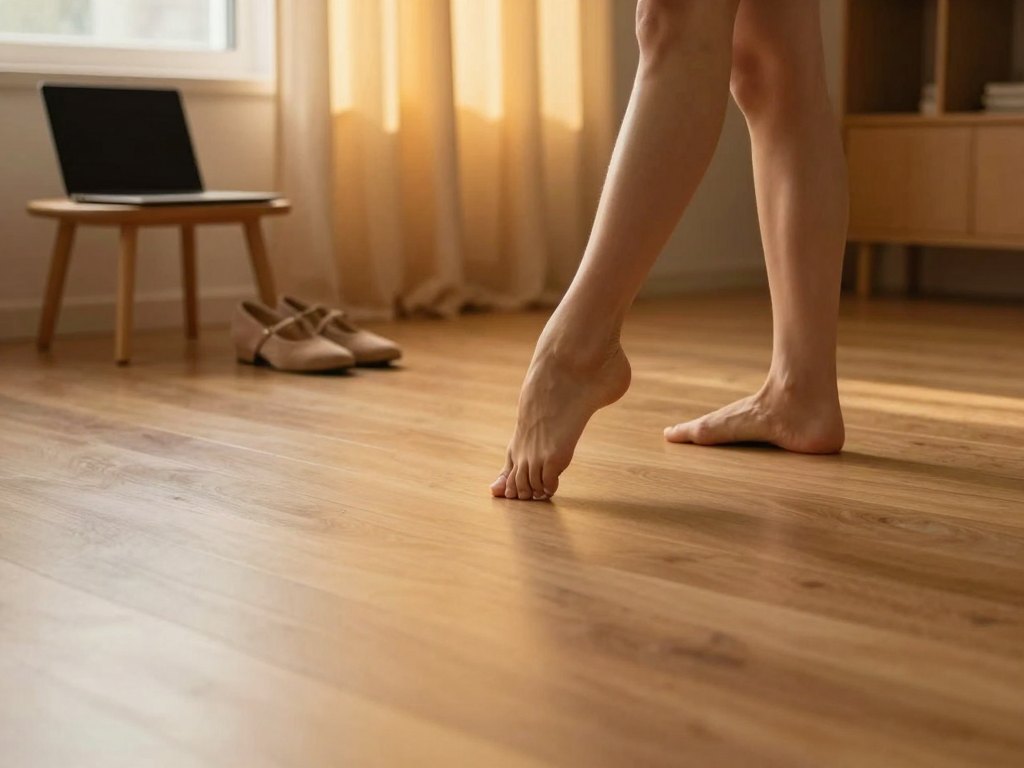
Why learning kizomba is hard when there is no class nearby
Kizomba is a dance you fall in love with quickly and learn slowly. The music is warm, the connection between partners is close, and the movement looks effortless on a dance floor. Yet in many cities there are no regular classes at all, or they run only once a week at a time that does not suit you.
Travelling to workshops in other cities is one answer, but it is expensive and tiring, and a single weekend of new material is hard to retain. Many people end up copying fragments from short social media clips, which rarely explain what the body is actually supposed to do.
This programme was built for exactly that situation. Each lesson takes one idea, shows it, and then explains it in plain language: which part of the body moves, in what order, in which direction, and why. You can pause, rewind and repeat as many times as you need, in your own living room, at your own speed.
The goal is not to impress anyone with complicated patterns. The goal is a solid foundation: a confident basic step, a body that responds to the music, and enough understanding to keep improving on your own and on the dance floor.
What you will be able to do
- Warm up the body properly before dancing
A short routine for spine, hips and shoulders that you can reuse before every practice.
- Dance the basic step in rhythm
Move on the spot and in every direction while keeping your weight and posture steady.
- Count and feel the beat of kizomba
Recognise the pulse of the music and place your steps on it.
- Change direction and stop cleanly
Control your balance so that your movement is deliberate rather than rushed.
- Perform a body wave with correct sequencing
Understand which part of the body leads and how the movement travels through it.
- Isolate chest, shoulders and hips
Move one part of the body while the rest stays calm and relaxed.
- Try your first tarraxinha movements
Work with slow, controlled movement and keep your balance while doing it.
- Dance simple urban kiz combinations
Link a few easy patterns into a short sequence you can repeat to music.
- Practise alone and with a partner
Use exercises that work whether or not you have someone to dance with.
- 6
- modules from warm-up to urban kiz
- 24
- video lessons
- 4
- lessons in every module
- 1
- warm-up routine to repeat each time
The method: one movement, explained in detail
Most beginners do not struggle because the steps are complicated. They struggle because nobody has told them what is happening between the steps: where the weight is, how the knee bends, when the hips follow, and how the upper body stays quiet. The lessons slow all of this down.
Each movement is introduced the same way. First you see it at normal speed so you know what the goal looks like. Then it is taken apart into small parts, and each part is described with everyday comparisons that are easy to remember. Finally the parts are put back together and practised to music.
This approach is especially useful for people who learn without a teacher in the room. When you understand the reason behind each movement, you can correct yourself, and you rely less on someone telling you that something looks wrong.
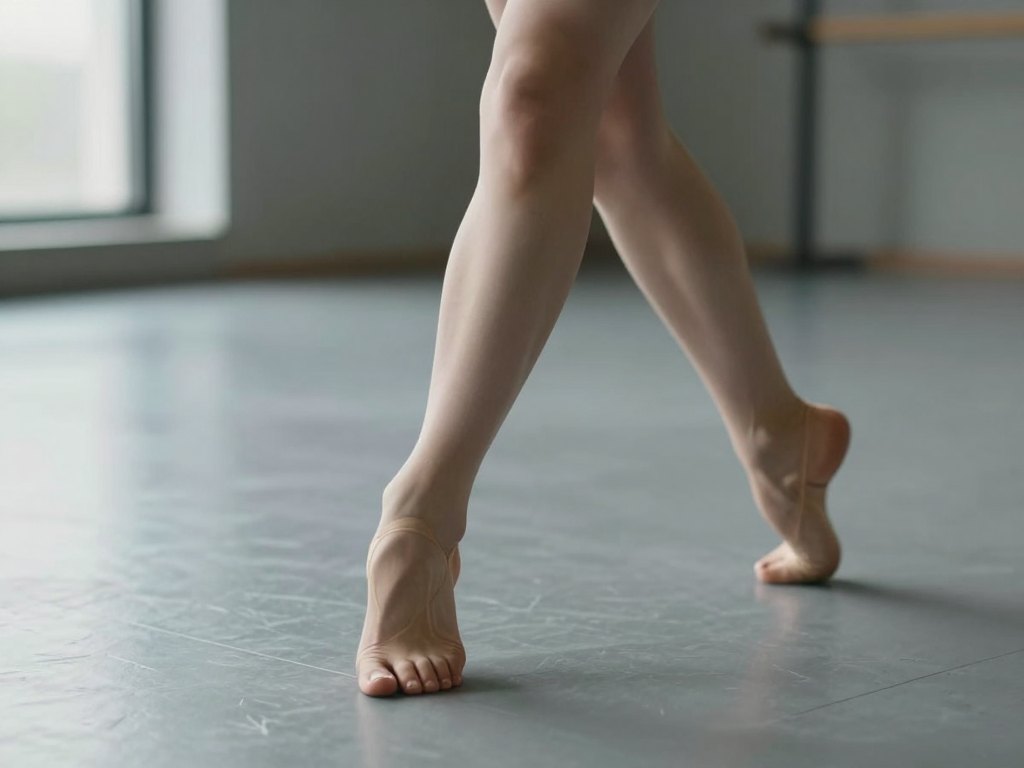
How the course works
The programme is a library of recorded video lessons that you watch in order or revisit by topic. Every module covers one area of kizomba and builds on the one before it, so the difficulty rises gradually. If you are completely new, start at the first lesson and follow the sequence.
Lessons are designed for a practice session, not just for watching. Begin with the warm-up so that your body is ready, watch the explanation once without moving, then dance along and repeat the difficult parts. A session of 30 to 60 minutes a few times a week is enough to make steady progress.
You will need a small clear space, comfortable shoes or socks that let you slide and pivot, and a device to play the videos. A mirror helps but is not required. Some exercises are written for a partner, but each has an alternative you can do alone, so lack of a partner does not stop you from learning.
The programme
Six modules that move from preparing the body to your first combinations.
1Module 1 — Posture, warm-up and rhythmPrepare the body and learn to hear the beat before you learn any steps.4 lessons
- Warm-up for the spine, hips and shoulders
- Posture and weight transfer
- Finding the beat in kizomba music
- Walking to the music
2Module 2 — The basic stepBuild a stable, comfortable basic step that everything else grows from.4 lessons
- The basic step on the spot
- Moving the basic step in all directions
- Stopping and changing direction cleanly
- Common mistakes in the basic step and how to fix them
3Module 3 — Basic movementsAdd the first simple movements that make your dancing look and feel like kizomba.4 lessons
- Side step and weight shift
- A simple turn with balance
- The body wave, part by part
- Linking basic movements into a short sequence
4Module 4 — Body plasticityDevelop control and smoothness through isolations and flowing exercises.4 lessons
- Chest and shoulder isolations
- Hip isolations and circles
- Combining isolations to music
- A flow exercise for the whole body
5Module 5 — Introduction to tarraxinhaLearn the principles of slow, controlled movement and try the first patterns.4 lessons
- Principles of slow, controlled movement
- Your first tarraxinha movements
- Balance and safe support
- Linking tarraxinha with the basic step
6Module 6 — Urban kiz and styleMeet the modern urban kiz rhythm and add personal styling.4 lessons
- Posture and rhythm in urban kiz
- Simple urban kiz combinations
- Styling and body lines for followers
- Practising at home and getting ready for the dance floor
What you get
- 24 recorded video lessons
Organised in six modules that follow a logical learning path.
- A warm-up for every practice
So your body is ready and the risk of strain is lower.
- Detailed movement breakdowns
Each step is explained part by part, including which body part moves and when.
- Exercises for solo and partner practice
Every drill has a version for dancing alone.
- Self-paced access after payment
Start right away and learn on your own schedule.
- Repeat as often as you like
Pause, rewind and revisit any lesson whenever you need.
Is this course for you?
This course is for you if…
- You love kizomba and want to start properly, even if you have never danced before.
- You live where classes are rare, irregular or inconvenient.
- You already attend classes and want extra material to practise between them.
- You want clear explanations of how movements work, not only a demonstration.
- You prefer to learn at your own speed and repeat lessons freely.
Probably not a fit if…
- You are looking for personal feedback on your dancing from a teacher.
- You want advanced patterns and expect to dance them after a few evenings.
- You expect to learn partner connection entirely without ever dancing with another person.
- You do not want to practise regularly between lessons.
After the course
When you finish the programme, you will have a basic step you trust, a body that has been warmed up and trained to move in isolation, and an understanding of the slow movement style of tarraxinha and the rhythm of urban kiz.
Walking into a social dance, you will know what to do with your weight, how to stay with the beat and how to move without stiffness. That confidence tends to make the biggest difference in how enjoyable the dancing feels for you and for your partners.
You will also have a routine for continuing to improve: a warm-up, a few focused drills and a way of analysing your own movement. From here you can go deeper into any style that appeals to you, whether in a class, at a workshop or on your own.
Questions before you buy
How much time do I need each week?
Two or three practice sessions of 30 to 60 minutes each are enough for steady progress. You can do more if you enjoy it or less if you are busy, since the lessons are self-paced.
Do I need dance experience?
No. The programme starts with posture, warm-up and rhythm, and it assumes no previous knowledge. Prior dance experience can help you move faster but is not required.
Do I need a partner?
No. The exercises are designed so that you can practise alone. Some drills can also be done with a partner if you have one.
How does access work after payment?
Once your payment is confirmed, the course is added to your account and you can begin straight away. You can watch on any device with an internet connection.
What format are the lessons in?
They are recorded video lessons. Each lesson shows a movement, breaks it down into parts and then lets you practise along.
Will the material stay available?
Yes. The lessons remain in your account so that you can return to them whenever you want to review a step or practise again.
What is your refund policy?
If the course is not right for you, you can request a refund within 14 days of purchase.
What space and equipment do I need?
A clear area of a couple of square metres, a device to play the video, and shoes or socks that let you pivot on the floor. A mirror is useful but optional.
Can I watch lessons out of order?
You can, but beginners benefit from following the order, because each module builds on the skills from the previous one.
Start dancing kizomba this week
Order the programme, do the first warm-up today and take your first steps to the music tonight.