Dance · Beginner
Move with fluid kizomba body control in 100 days
A hundred-day online programme that develops body plasticity, core figures and dancer fitness through short, regular practice you can do at home.
- 100-day programme
- Online video lessons
- Body plasticity training
- Basic figures and illusions
- 14-day refund policy
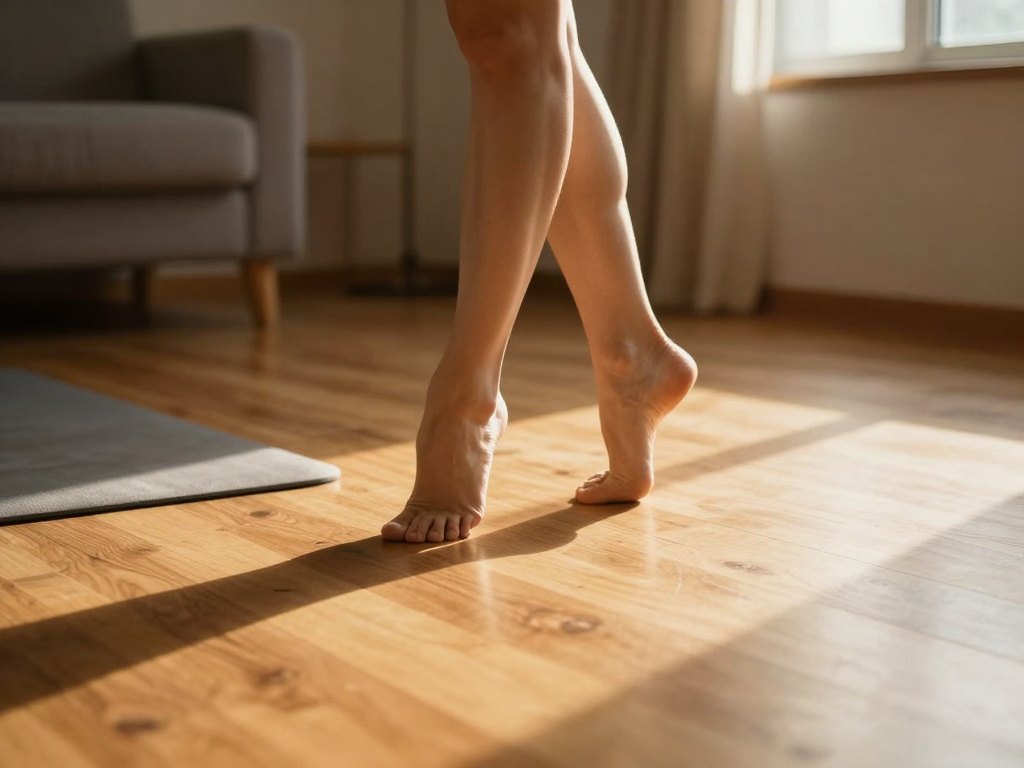
Why kizomba feels hard to start
Kizomba looks effortless from the outside: slow, connected, smooth. When you try it yourself, the picture changes. Your hips and torso do not move separately, your steps feel stiff, and the elegant body waves you admire seem to come from nowhere.
Many people try to fix this by attending a class once a week and hoping it adds up. A single hour a week rarely builds body awareness. Muscles and coordination are trained by small, frequent repetition, and without a plan it is hard to know what to practise between classes.
This programme is built around that idea. It stretches the learning over 100 days, so that movement, posture and the first figures become habits instead of things you forget by the next lesson.
It covers three things together: the plasticity of the body, the basic figures and the illusion-style techniques that make kizomba look light, and the general physical preparation a dancer needs to stay balanced and comfortable on the floor.
What you will be able to do
By the end of the 100 days you will have worked on each of these areas in practice.
- Isolate and connect hips, ribs and shoulders
Practise the separate body parts first, then join them into one flowing movement.
- Dance the basic kizomba figures with control
Learn the core building blocks step by step, from simple to more complex.
- Apply illusion techniques to your movement
Understand how small changes in weight and timing create the impression of effortless motion.
- Improve your posture and balance
Work on a stable centre so that slow, close movement feels secure.
- Build dancer-specific fitness
Strengthen the muscles and mobility that dance asks for, with general physical preparation.
- Practise efficiently at home
Use a clear daily routine rather than guessing what to rehearse.
- Develop a feeling for rhythm in your body
Link what you practise to the beat so movement becomes natural.
- Prepare for classes and social dancing
Arrive on the dance floor with a solid foundation and more confidence.
- 100
- days of structured practice
- 6
- modules in the programme
- 3
- focus areas: plasticity, figures, fitness
The reader we had in mind
This course is written for someone who loves the music and the atmosphere of kizomba but feels held back by their own body. Perhaps you are brand new to dancing, or you have taken a few classes and noticed that progress is slow.
You do not need a dance background. You need a little floor space, comfortable clothes and the willingness to spend a short time each day. The first lessons assume nothing and each new idea builds on the previous one.
If you have a partner, some of the work can be shared. If you do not, you can still make real progress, because a large part of the programme is solo training of the body.
How the course works
The programme is delivered online as video lessons arranged along a 100-day path. Each stage has a clear purpose, so you always know why you are doing an exercise and what it prepares you for.
You move from simple to more complex. Early lessons focus on posture, body awareness and basic movements. Later lessons add figures, transitions and the techniques that give the dance its smooth, illusion-like quality.
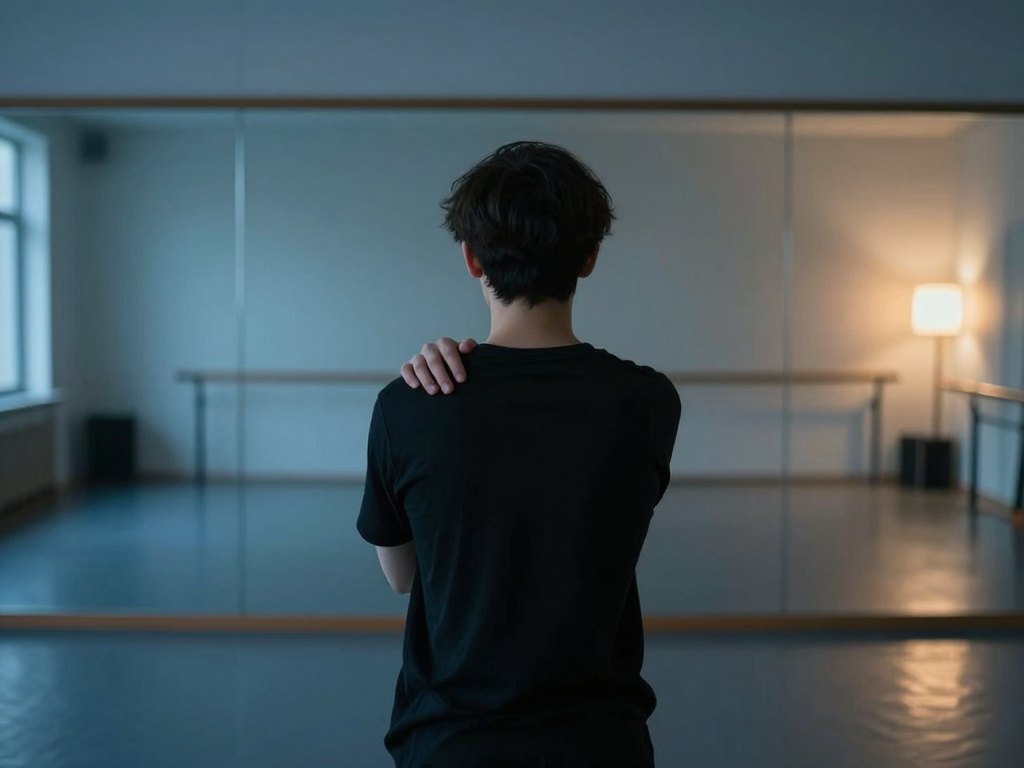
You can watch lessons on a phone, tablet or laptop and repeat them as often as you like. Many learners play a lesson on a larger screen and practise in front of a mirror. If you miss a day, you pick up where you stopped; the plan is meant to support your routine, not to punish a missed session.
The format is designed to fit into a normal working week. A short, regular session is more valuable than one long, tiring one, and the structure of the programme reflects that.
The programme
The 100 days are organised in six stages. Each stage builds on the one before it.
1Stage 1 — Posture, balance and body awarenessFind a stable, relaxed centre before adding movement.Days 1–15
- Standing posture and weight placement
- Breathing and relaxing the upper body
- Finding your centre of balance
- Simple walking patterns to the beat
2Stage 2 — Isolations and body plasticityTrain hips, ribs and shoulders to move independently.Days 16–35
- Hip isolations in all directions
- Rib and chest movements
- Shoulder and arm flow
- Combining isolations into one wave
- Mobility for the spine and hips
3Stage 3 — Basic figuresLearn the core movements that kizomba is built from.Days 36–55
- The basic step and its variations
- Turns and changes of direction
- Moving forward and backward with control
- Linking figures into short sequences
4Stage 4 — Illusion techniquesUnderstand the small details that make movement look effortless.Days 56–72
- Weight transfer and timing
- Creating the impression of floating
- Using pauses and accents
- Practising techniques slowly, then at tempo
5Stage 5 — General physical preparationSupport your dancing with strength, flexibility and endurance.Days 73–88
- Warm-up routine for dancers
- Core and leg strength
- Flexibility and recovery
- Stamina for longer dance sessions
6Stage 6 — Putting it togetherCombine plasticity, figures and techniques into longer practice.Days 89–100
- Building a personal practice routine
- Dancing sequences to music
- Reviewing mistakes and fixing them
- Planning your next steps in dance
What you get
- A 100-day structured video programme
Lessons organised stage by stage, from foundations to combined practice.
- Body plasticity exercises
Isolations and mobility work you can repeat on your own.
- Basic figures and illusion techniques
Clear explanations of how each movement is built.
- Dancer fitness routines
General physical preparation to support your technique.
- Access on any device
Watch on a phone, tablet or computer whenever it suits you.
- Repeatable lessons
Return to any lesson as often as you need.
- A 14-day refund policy
If the course is not right for you, you can request a refund within 14 days.
Is this course for you?
This course is for you if…
- You are new to kizomba and want a solid foundation before or alongside classes.
- You have taken some classes but feel stiff and want more fluid body movement.
- You prefer to practise at home at your own pace.
- You want to improve your fitness in a way that connects directly to dance.
- You like clear, step-by-step progress over a longer period.
Probably not a fit if…
- You are looking for personal feedback on your dancing from a teacher.
- You want to become a performer in a few weeks.
- You expect to learn partner work without ever practising solo.
- You already dance kizomba at an advanced level and need advanced material.
After the course
After 100 days of regular practice you will have a body that responds better to the music. Posture, balance and isolations are no longer things you think about; they are part of how you move.
You will know the basic figures, understand how they are built and be able to link them into simple sequences. The illusion-style details will help you see what makes experienced dancers look so smooth, and you will know how to practise them.
Just as important, you will have a routine. You will know how to warm up, what to rehearse and how to keep improving after the course ends. That makes it much easier to step into classes or social dancing with confidence.
Questions before you buy
How much time do I need each week?
The programme is designed around short, regular sessions. Plan a little time most days; even 20 to 30 minutes of focused practice is useful. You can adjust the pace to your schedule.
Do I need any dance experience?
No. The course starts with posture and body awareness and builds up gradually. It is also useful if you already attend classes and want more practice material.
Do I need a partner?
No. A large part of the training is solo work on the body. Partner work can be added later when you have someone to practise with.
How does access work after payment?
Once your payment is confirmed, you receive access to the course materials in your account. You can start straight away and follow the lessons at your own pace.
What format are the lessons?
The lessons are online video recordings. You can watch them on a phone, tablet or computer and pause or repeat any part.
Will the material stay available?
Yes. The lessons remain available in your account, so you can return to them whenever you want to review a technique.
What is your refund policy?
You can request a refund within 14 days of purchase if the course is not what you expected.
What space and equipment do I need?
A few square metres of clear floor, comfortable clothes and a screen to watch the lessons. A mirror is helpful but not required.
Start building your kizomba foundation
Begin the 100 days and let small daily practice change how you move.