Music · Beginner
Play the jaw harp with a steady, confident sound
Ten in-depth video lessons take you from your first twang to rhythms, breathing control and your own short melodies.
- 10 video lessons
- 90 minutes per lesson
- Rhythm practice patterns
- Breathing and throat techniques
- 14-day money-back guarantee
Why the jaw harp feels hard at first
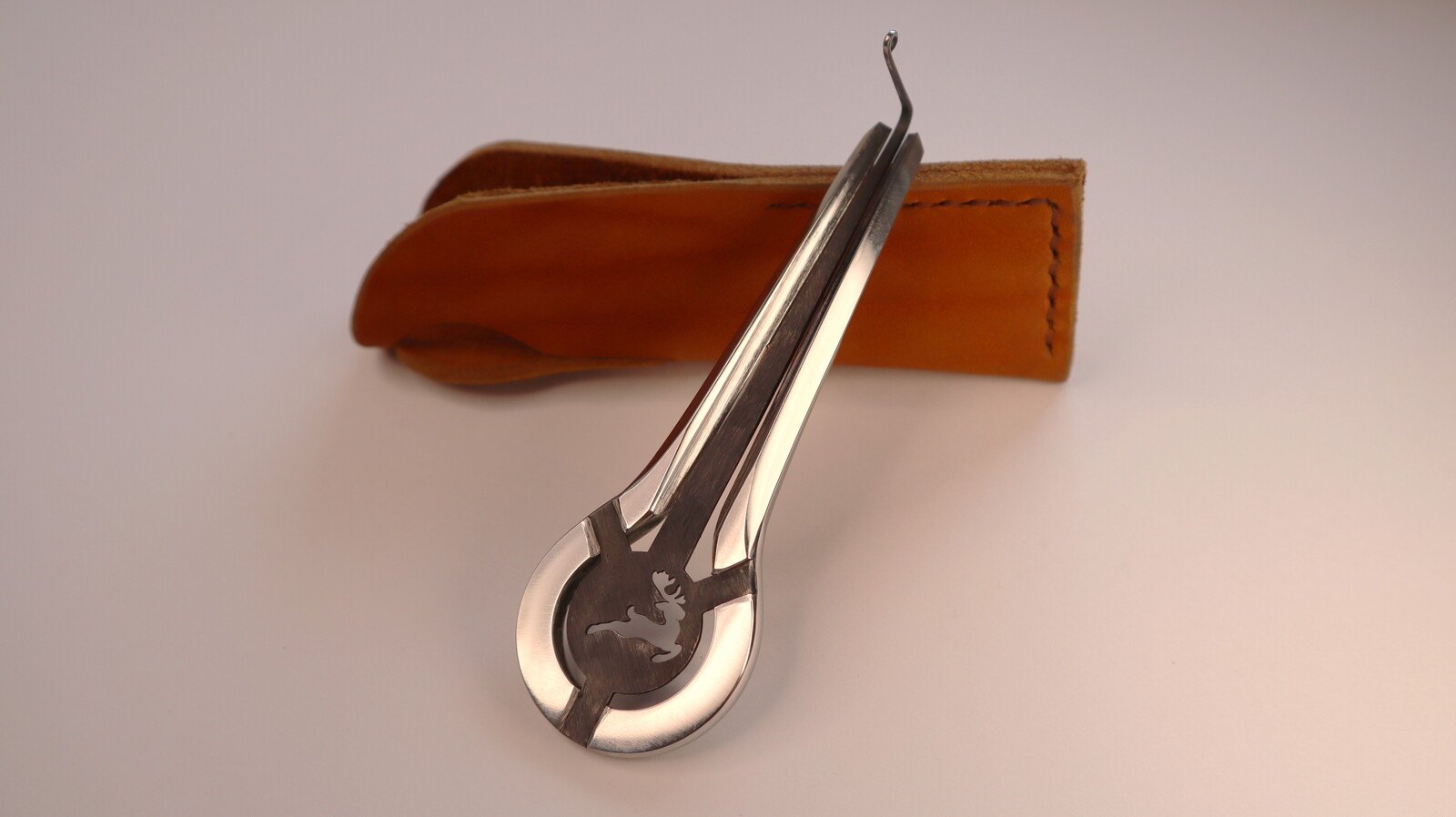
The jaw harp looks simple: a small metal frame, a flexible tongue and your mouth as the resonator. Then you pick one up and get a thin buzz, an uneven sound, or nothing but the click of metal against teeth. Most beginners decide they lack talent, when in fact nobody has shown them how the instrument is meant to be held and played.
Online videos tend to show a single trick at a time. You learn one rhythm, then get stuck, because the grip, the strike, the position of your lips and your breathing all work together. Without a clear order, practice turns into guessing and the sound never becomes even.
This course gives you that order. It starts with a correct set-up of the instrument and your body, then adds sound production, rhythm, breath and the work of the lips, tongue and throat. Only after that does it move to building melodies and compositions.
The aim is practical. By the end you should be able to sit down with your instrument, produce a clean tone on demand, play rhythms that you understand rather than copy, and start inventing your own phrases.
What you will be able to do
- Hold the instrument correctly
Learn the main grips and types of strike, and when each one is useful.
- Produce a clean, even tone
Work through all the main ways of extracting sound, so you are not limited to one trick.
- Play rhythms with understanding
Learn tempo, metre and note lengths, then practise rhythms built to train your strike.
- Control your breath while playing
Use breathing techniques to support the sound and stay relaxed through longer pieces.
- Shape sound with lips, tongue and throat
Change the timbre and pitch of the harp using the resonators of your mouth.
- Try basic throat and overtone techniques
Get a first introduction to ways of combining voice and instrument.
- Create your own short melodies
Follow a clear method for building phrases and patterns rather than waiting for inspiration.
- Assemble phrases into compositions
Learn how to give a piece a beginning, development and ending.
- Build body awareness through sound
Use simple exercises to notice vibration and tension while you play.
- 10
- video lessons
- 90 min
- per lesson
- 15 h
- of material in total
- 5
- learning stages
Technique first, then music
Every lesson follows the same simple pattern: a short explanation of the idea, a demonstration, and then guided practice that you repeat at your own pace. You are never asked to copy a finished piece without knowing which movement produces which part of the sound.
The method moves from the outside in. First the grip and strike, then the rhythm, then the breath and the shape of your mouth. Each layer builds on the previous one, so progress feels steady and you can tell exactly what to work on when something sounds wrong.
- Set up the instrument and your posture
- Practise the strike until it is automatic
- Add breath and mouth shape
- Combine the elements into patterns
How the course works
The course is made of recorded video lessons that you watch on your own schedule. Each lesson lasts about 90 minutes, which is long enough to explain an idea properly and practise it. You can pause, rewind and repeat any part as often as you need.
There is no fixed pace. Some learners take one lesson a week and spend the days between lessons practising the exercises. Others work through two lessons in a weekend. A reasonable approach is to watch once, practise for a few short sessions, and only then move on.
You will need a jaw harp of your own. The instrument is not part of the course, and the lessons are designed so that a well-made beginner instrument is enough to follow every exercise. A quiet room and a little privacy for practice will help more than any equipment.
The programme
Ten lessons in five stages, each building on the one before.
1Stage 1 — Setting up the foundationCorrect posture, grip and the first reliable sound.2 lessons · 3 hours
- Positioning the instrument and setting up correct playing technique
- Main types of grip and strike
- Producing your first steady tone
2Stage 2 — All the ways to produce soundA full map of sound extraction methods and how they differ.2 lessons · 3 hours
- Overview of the main ways of extracting sound
- Techniques for the lips, tongue and larynx
- Controlling volume, attack and sustain
3Stage 3 — Rhythm and breathUnderstanding rhythm theory and supporting it with the breath.2 lessons · 3 hours
- Rhythm theory: tempo, metre and note lengths
- Practice rhythms for developing your strike
- Breathing techniques for playing
- Staying relaxed and steady through longer phrases
4Stage 4 — Voice and bodyAdding throat techniques and bodily awareness to your playing.2 lessons · 3 hours
- Introduction to throat and overtone techniques
- Exercises for body awareness and sensing vibration
- Combining voice, breath and instrument
5Stage 5 — Melodies and compositionsMoving from exercises to music of your own.2 lessons · 3 hours
- Creating short melodic phrases and rhythmic patterns
- Building phrases into a complete composition
- Keys to deeper, more expressive playing
What you get
- 10 video lessons
Each lesson runs about 90 minutes and covers one stage of your development.
- Guided practice in every lesson
Exercises you can repeat until each movement becomes natural.
- Rhythm patterns for training
Patterns built to improve the evenness and speed of your strike.
- Breathing and body exercises
Simple routines to use before or after playing.
- A method for building melodies
A repeatable process you can use for the rest of your playing life.
- Access on any device
Watch on a computer, tablet or phone.
- Lasting access to the material
Return to any lesson whenever you want to refresh a technique.
- 14-day money-back guarantee
If the course is not right for you, you can ask for a refund within 14 days.
Is this course for you?
This course is for you if…
- You are a complete beginner who has never played a jaw harp, or you own one that mostly buzzes
- You have played a little but your sound is uneven and you want a proper foundation
- You want to understand rhythm instead of memorising patterns
- You enjoy a calm, gradual way of learning and are happy to practise a little most days
- You are curious about breath, voice and body awareness as part of playing
Probably not a fit if…
- You want to perform polished pieces within a few days
- You are looking for live feedback or one-to-one lessons; this is a recorded course
- You expect the course to include an instrument
- You are an advanced player who only wants advanced overtone repertoire
After the course
When you finish, your instrument should feel less like a puzzle and more like a tool you control. You will know how to hold it, how to get a clean tone, and what to adjust when the sound is not right.
You will be able to play rhythms that you understand, count them, and change them. Your breathing will be calmer during playing, and you will have a first feel for what the lips, tongue and throat can add to the sound.
Most importantly, you will have a method for creating your own phrases and short pieces. From there you can continue on your own, explore more advanced techniques, or simply enjoy playing for pleasure.
Questions before you buy
How much time do I need each week?
Each lesson lasts about 90 minutes. Many learners watch one or two lessons a week and practise for 15 to 30 minutes on most days. You can go faster or slower; the course has no deadlines.
Do I need any musical experience?
No. The course starts from the very beginning and explains rhythm theory from scratch. You do not need to read music or have played any other instrument.
Do I need to own a jaw harp?
Yes. You need your own instrument to practise, and the course does not include one. A good-quality beginner instrument is enough to follow all the lessons.
How does access work after I pay?
Once your payment is confirmed, you receive access to the lessons and can begin straight away. You can watch on a computer, tablet or phone.
What format are the lessons in?
They are recorded video lessons with demonstrations and guided practice. You can pause, rewind and repeat any section.
Will the material stay available?
Yes. The lessons stay available to you, so you can return to any technique whenever you need a refresher.
What is the refund policy?
If the course is not what you expected, you can request a refund within 14 days of purchase.
Is the course only about music?
The focus is on playing technique, rhythm and melody building. Breathing and body awareness exercises are included because they directly improve the sound and your comfort while playing.
Is it suitable for someone who already plays a little?
Yes. If your sound is uneven or you have picked up habits by ear, the early lessons help you reset your technique on a solid base.
Make your first clean sound this week
Ten lessons, your own pace and a method you can keep using long after the course ends.