Languages · Beginner
Start Japanese from zero and read both kana alphabets
Seven clear lessons that take you from your first character to simple sentences about yourself, at a pace that fits your week.
- 6 video lessons
- 1 live online lesson
- Homework with feedback
- Practice cards and audio
- 14-day refund
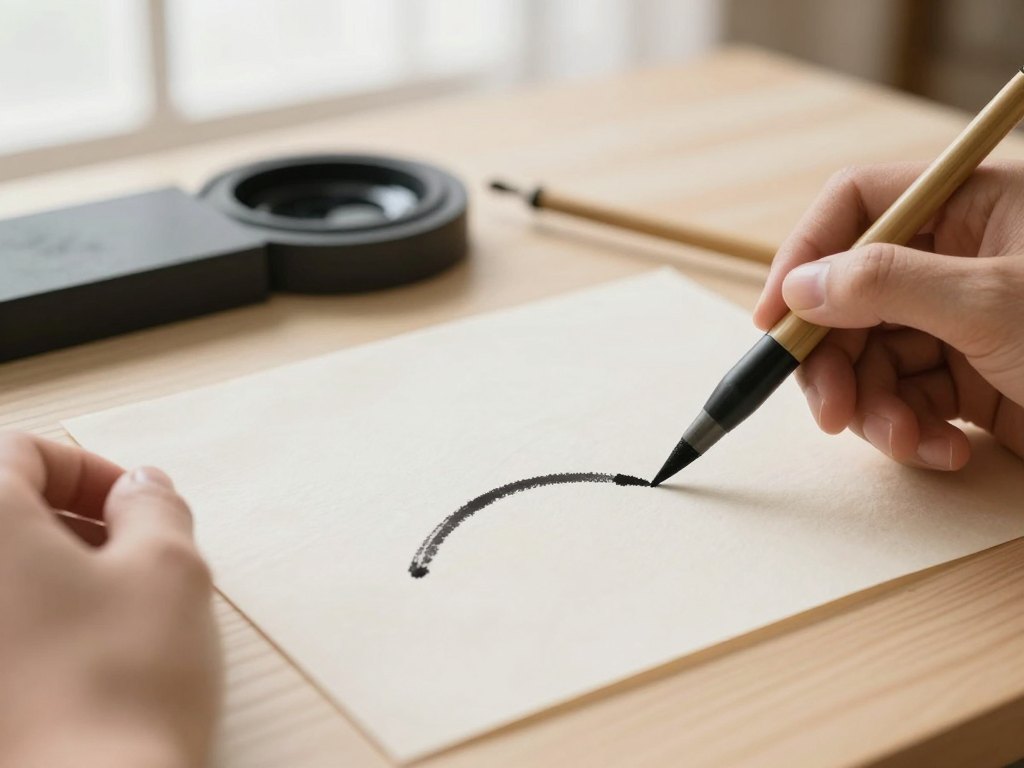
Why starting Japanese on your own feels so hard
Many people are drawn to Japan through films, music, food or travel, and then stall at the very first step. The writing looks unfamiliar, the sounds are new, and it is hard to tell where to begin or in what order to learn things.
Some learners try to teach themselves from apps and random videos. That works for a few days, then questions pile up: how exactly is this character written, why is this sound different, when do I use this greeting? Without anyone to answer, motivation fades.
Others consider a group class, but fixed schedules do not suit every adult life. Work, family and travel make it difficult to show up at the same hour every week, and falling behind in a group is discouraging.
This course was built for exactly that situation. It gives you a proper foundation in the Japanese writing systems and basic communication, in a clear order, with a teacher checking your work, and without a timetable you have to obey.
What you will be able to do
- Read and write all hiragana characters
You learn the correct stroke shapes and the sounds that go with them.
- Read and write all katakana characters
You use them to recognise loanwords and country names.
- Pronounce Japanese sounds more accurately
You compare your own voice with recordings of a native speaker.
- Form extra sounds from the basic characters
You learn how the additional phonetic combinations are built.
- Use everyday greetings and polite expressions
You know what they mean and when each one fits.
- Count up to 1000 and say your age
You learn how Japanese numbers are formed from simple parts.
- Name countries and state your nationality
You practise with real examples written in katakana.
- Build a basic sentence and introduce yourself
You apply first grammar rules in short speaking practice.
- Take part in a first live conversation
You greet, ask questions and use new vocabulary with a teacher.
- 7
- lessons in total
- 6
- recorded video lessons
- 1 h
- live lesson with a teacher
- 2
- alphabets covered: hiragana and katakana
The method: a native speaker plus a teacher who explains
The course combines two kinds of teaching that rarely come together at the beginner stage. A native speaker of Japanese shows you how characters are written and how words should sound, so correct habits form from the first day instead of having to be fixed later.
A Russian-speaking linguist and teacher explains grammar, cultural background and the history of the writing systems in detail, including the nuances that learners usually trip over. You get clarity from one side and authentic sound from the other.
Every lesson follows the same rhythm. You warm up by recalling what you have already learned, study new material, do written homework, and then practise with extra materials such as games, apps, cards and audio recordings. The repetition is deliberate, because reading and writing a new script is mostly a matter of regular practice.
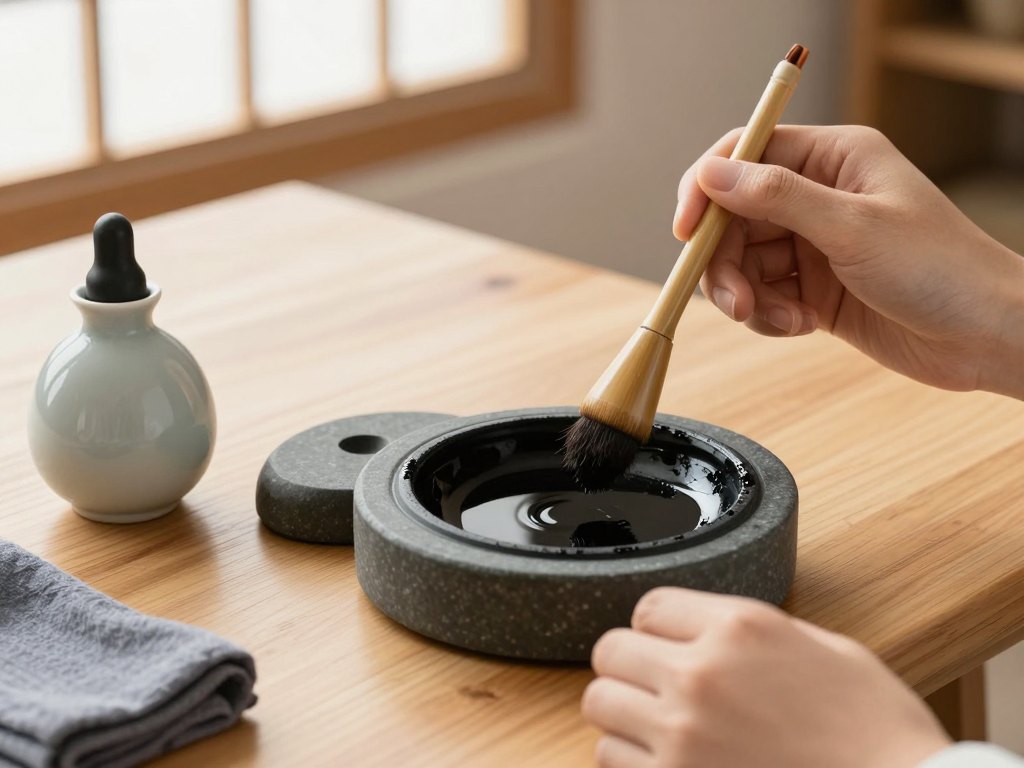
How the course works
The course is designed for complete beginners and assumes no previous knowledge of Japanese. You work through seven lessons in order. The first six are recorded video lessons that you can watch whenever it suits you, as often as you like. The seventh is a live one-hour session with one of the course teachers on an online platform.
After each lesson you complete a homework task and attach it for review. Teachers comment on your work and are available to answer questions, so you are never left guessing whether you wrote a character correctly. The teachers also keep an eye on your progress, which helps you carry on when your energy dips halfway through.
Alongside the lessons you receive supporting practice materials: writing sheets, flash cards, exercises, recommended games and apps, and separate audio recordings with the pronunciation of the characters and of country names. You decide how fast to move. Some people finish a lesson a day, others one a week; the order stays the same and the materials wait for you.
The programme
Seven lessons, each building on the last. Every lesson ends with homework and extra practice.
1Lesson 1 — Hiragana, the first halfMeet the Japanese writing systems and learn the first group of hiragana characters.Video lesson
- How the Japanese alphabets came to exist
- Hiragana from the A-row to the NO-row
- Correct stroke order and shape of each character
- Writing practice and homework with feedback
- Extra practice with games, apps and cards
2Lesson 2 — Hiragana, the second halfFinish hiragana, read your first words and learn how people refer to themselves and others.Video lesson
- Hiragana from the HA-row to the WA-row
- Checking your pronunciation against a native speaker
- Your first Japanese words
- Pronouns and their special features
- Name suffixes and their cultural context
- Listening to all hiragana in a separate audio recording
3Lesson 3 — Phonetics and greetingsLearn how additional sounds are built and start using polite everyday phrases.Video lesson
- Warm-up: recalling the hiragana
- Features of Japanese phonetics
- Making additional sounds from basic characters
- Greeting words: meaning and when to use them
- Politeness expressions and their cultural background
- Practice with copybooks, exercises and cards
4Lesson 4 — Katakana, the first half, and numbersReview hiragana, begin katakana, and learn to count.Video lesson
- Reviewing hiragana before moving on
- What katakana is and how it differs from hiragana
- Katakana from the A-row to the NO-row
- Counting up to 1000
- Saying your age
- The traditional Japanese calendar
5Lesson 5 — Katakana, the second half, and countriesComplete katakana and use it to read loanwords and country names.Video lesson
- Counting practice
- Katakana from the HA-row to the WA-row
- Loanwords and the specifics of katakana phonetics
- Names of countries in Japanese
- Saying your nationality
- A first look at kanji characters
- Audio recording of country names
6Lesson 6 — Final video lessonBring everything together with politeness, basic grammar and a short text to read.Video lesson
- Warm-up with katakana
- Politeness in the Japanese language and culture
- Basic grammar: how a sentence is built
- Introducing yourself
- Reading a Japanese folk tale
7Lesson 7 — Live lessonA one-hour online conversation with a course teacher to consolidate what you have learned.1 hour, live online
- Greeting each other in Japanese
- Asking your own questions and getting answers
- Checking material and pronunciation
- New vocabulary used immediately in speech
- Grammar practice and a short video

What you get
- Six recorded video lessons
Watch them on your own schedule and return to them whenever you need.
- One live lesson of about one hour
A conversation session with a teacher on an online platform.
- Homework for every lesson
Tasks you submit and receive comments on.
- Teacher feedback and answers
Ask questions along the way and get explanations.
- Extra practice materials
Games, app suggestions, cards and exercises for each stage.
- Audio recordings
Pronunciation of all hiragana characters and of country names.
- Progress follow-up
The teachers check how you are doing so you keep going.
- Continued access to the material
Revisit lessons and practice sheets whenever you like.
Is this course for you?
This course is for you if…
- You love Japan and want to get to know the language properly
- You are a complete beginner and need a clear first step
- You tried studying alone but found it hard to stay on track
- You cannot commit to a fixed group schedule but want to learn with support
- You want correct pronunciation and handwriting from the start
Probably not a fit if…
- You already read hiragana and katakana confidently and want intermediate grammar
- You are looking for a course that covers kanji in depth
- You expect to become fluent after seven lessons
- You prefer a weekly class with the same classmates
After the course
When you finish the seventh lesson, Japanese text will no longer look like a wall of unknown symbols. You will be able to read and write both kana alphabets, sound out new words, and recognise many loanwords and country names at a glance.
You will know the main greetings and polite phrases, count up to 1000, say your age and nationality, and put together a simple sentence to introduce yourself. You will also have had your first real conversation with a teacher, which is often the step that makes the language feel real.
Most importantly, you will have a solid base and a study habit. That makes the next stage, whether vocabulary, grammar or kanji, much easier to start, because the foundations are in place and you know how you learn best.
Questions before you buy
How much time do I need per week?
There is no fixed schedule. Each lesson comes with a video, homework and extra practice, so a short session several times a week works well. You can go faster or slower depending on your week.
Do I need any previous knowledge?
No. The course starts from zero and assumes you have never studied Japanese. You only need a notebook and pen for writing practice.
How does access work after payment?
After you pay, you receive access to the lessons online. You can start right away and move through them at your own speed.
What is the refund policy?
You can request a refund within 14 days of purchase if the course is not what you expected.
What format are the lessons in?
Lessons one to six are recorded video lessons with homework, practice materials and audio recordings. Lesson seven is a live one-hour session with a teacher on an online platform.
Will the material stay available after I finish?
Yes. The lessons and practice materials stay available in your account, so you can review characters and phrases whenever you wish.
Will I get feedback on my work?
Yes. You attach your homework after each lesson and the teachers comment on it. You can also ask questions about anything that is unclear.
Does the course teach kanji?
The course focuses on the two kana alphabets, pronunciation, basic phrases and grammar. Kanji are introduced briefly so you know what they are and how they fit in, but they are not studied in depth.
Begin your Japanese this week
Seven lessons, a teacher who checks your work, and a pace that is entirely yours.