Languages · All levels
Stop guessing and choose the right Italian preposition every time
Video lessons, tests and exercises that explain what each preposition means and when to use it, so your sentences sound natural.
- Video lessons
- Many tests and exercises
- Self-paced learning
- Material stays available
- 14-day refund

Why prepositions feel so hard
Prepositions are small words, but they decide whether an Italian sentence sounds right. You can know the vocabulary and the verb forms and still hesitate over whether to say a Roma or in Roma, di or da, su or sopra. Many learners simply guess and hope the listener understands.
The difficulty is real. Prepositions rarely map one to one onto your own language. One Italian word can cover several meanings, and one meaning can be expressed by several different words. On top of that, prepositions merge with articles to form new shapes such as nel, sulla and dagli, which makes the whole system look like a wall of exceptions.
Most textbooks give a short table and a few examples, then move on. You are left to learn the rest by trial and error, and mistakes become habits. Searching the internet for answers costs a lot of time, and the information you find is often incomplete or contradicts itself.
This course takes the opposite approach. It takes one preposition at a time, shows its main meanings, explains the logic behind them and then makes you use it again and again in tests and exercises. By the end, the choice stops feeling like a lottery and starts feeling like a pattern you recognise.
What you will be able to do
- Explain what each preposition means
Understand the core idea behind di, a, da, in, con, su, per and tra/fra instead of memorising isolated examples.
- Choose the right preposition in context
Decide quickly between pairs that cause the most mistakes, such as a and in, or da and di.
- Build articulated prepositions correctly
Combine prepositions with definite articles without stopping to check a table.
- Use prepositions of place and time
Talk about where you are, where you are going, when something happens and how long it lasts.
- Recognise verbs that take fixed prepositions
Learn common verb and preposition pairs as ready-made units.
- Spot and fix your own mistakes
Use the tests and answer explanations to see why an option is wrong, not only that it is wrong.
- Understand prepositions in spoken Italian
Follow everyday phrases and dialogues where the preposition carries the meaning.
- Return to the material whenever you need it
Use the lessons as a reference you can open again before a trip, an exam or a conversation.
- 6
- modules
- 23
- video lessons
- 8
- core prepositions explained in depth
- 14 days
- refund window
A grammar course built around practice
Understanding a rule and applying it in real time are two different skills. That is why this course is not only theory. Each lesson explains one idea, and then you practise it in tests and exercises until the choice becomes automatic.
The practice is varied on purpose. You complete short quizzes, fill in missing prepositions, correct sentences and match phrases to situations. Because you meet the same preposition in different settings, you learn how it behaves rather than how it looks in a single example.
The course is aimed at learners who already have some Italian and want to tidy up one of the most confusing areas of grammar. If you are a complete beginner, you can still follow it step by step, because the first module starts with how prepositions work in a sentence.
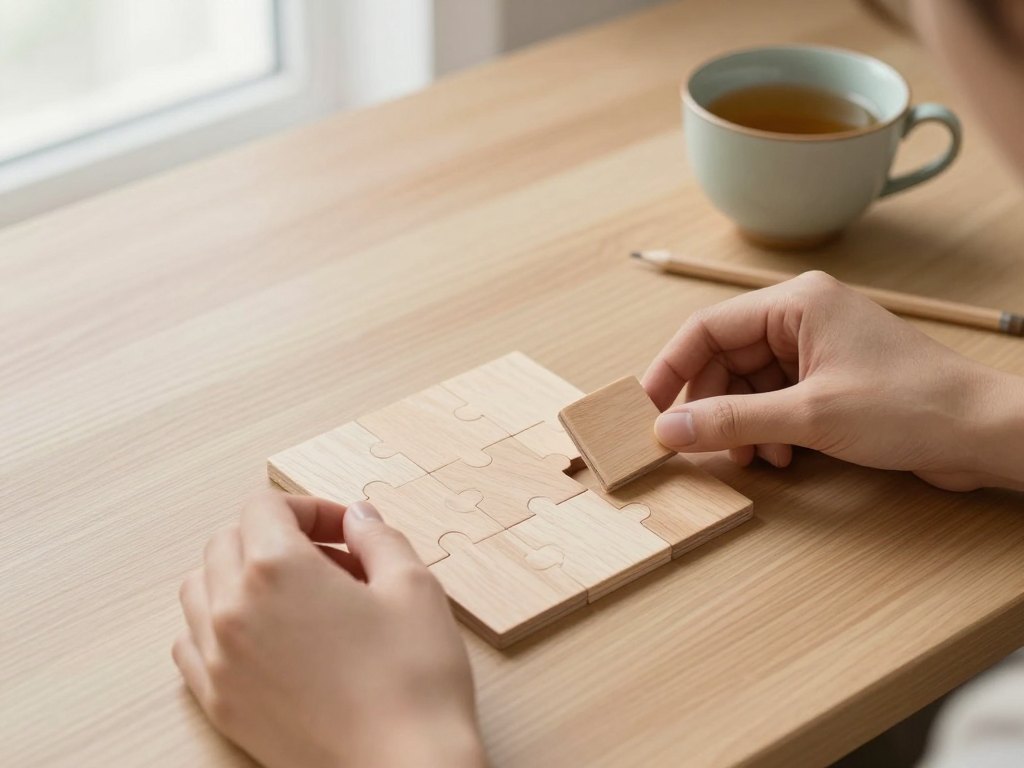
How the course works
The course is self-paced. The lessons are recorded videos that you can watch on a computer, tablet or phone whenever it suits you. You do not need to be online at a set time, and you can pause, rewind and repeat any explanation.
The programme is divided into six modules that follow a logical order. You start with the structure of prepositions and articulated forms, then move through the main prepositions in groups, then through place and time, and finish by using everything together in speech. Each module combines video explanations with tests and exercises.
Every lesson comes with practice materials, so you never watch passively. We suggest completing the exercises right after each video and returning to the tests a few days later. Spacing your practice like this helps the patterns settle in your memory.
The programme
Six modules, 23 lessons. Each module ends with a practice test that brings its topics together.
1Module 1 — How prepositions workThe structure behind the small words and the forms they take.4 lessons
- What a preposition does in an Italian sentence
- The eight simple prepositions at a glance
- Articulated prepositions: merging with the article
- Reading and remembering the table of articulated forms
2Module 2 — Di and daTwo prepositions that learners confuse most often.3 lessons
- Di: possession, origin, material and topic
- Da: origin, agent, time and purpose
- Di or da: comparing them side by side
3Module 3 — A, in and suPlace, direction and surface, and how to choose between a and in.4 lessons
- A with cities, time expressions and indirect objects
- In with countries, regions, transport and seasons
- Su: surfaces, topics and approximate numbers
- A or in: a practical decision guide
4Module 4 — Con, per and tra/fraCompany, means, purpose, duration and position between things.4 lessons
- Con: company, means and manner
- Per: purpose, duration and destination
- Tra and fra: between, among and within a period of time
- Per, da and a: choosing among similar meanings
5Module 5 — Prepositions of place and timeAnswering the questions where, where to, when and for how long.4 lessons
- Where you are: prepositions of location
- Where you are going: prepositions with verbs of movement
- Days, dates, months and periods: prepositions of time
- Useful fixed expressions with place and time
6Module 6 — Prepositions in speechPutting it all together in the way Italians actually talk.4 lessons
- Verbs that take a fixed preposition
- Adjectives and nouns followed by a preposition
- Everyday dialogues: hearing and using prepositions
- Final review test and error analysis

What you get
- 23 recorded video lessons
Clear explanations you can watch at your own pace and replay as often as you like.
- Tests and exercises throughout
Practice after each topic so you apply the rule immediately.
- A logical six-module structure
Each step builds on the previous one, from basic forms to real-life use.
- Comparison lessons for problem pairs
Dedicated lessons on the choices that cause the most mistakes.
- Final review test
A way to check what you have mastered and which areas need another look.
- Personal learning account
All lessons and materials are collected in one place, available from any device.
- Continued access to the material
Return to any lesson whenever you need a refresher.
- 14-day refund policy
If the course is not right for you, you can ask for a refund within 14 days.
Is this course for you?
This course is for you if…
- You are learning Italian and keep hesitating over which preposition to use.
- You have studied grammar tables but cannot apply them while speaking or writing.
- You want clear explanations with plenty of practice rather than long theory only.
- You prefer to study on your own schedule and revisit lessons when needed.
- You want a reliable reference on prepositions that you can return to later.
Probably not a fit if…
- You are looking for live one-to-one tutoring or personal correction of your speech.
- You want a general Italian course that covers vocabulary, listening and all grammar topics.
- You expect to master prepositions without completing any exercises.
- You have never seen any Italian and need an absolute-beginner starter course first.
After the course
When you finish, prepositions stop being a source of hesitation. You can build a sentence about where you live, where you are going, who you are with and when something happens, and the prepositions come naturally rather than from guesswork.
You will also understand the logic of the system. When you meet an unfamiliar phrase, you will have a good idea why the preposition is there and what it adds. This makes reading and listening easier, because you notice the small words that carry the meaning.
Just as importantly, you will have a complete set of lessons and exercises to come back to. If a particular pair still feels shaky after a month, you can open the lesson, review the explanation and practise again until it is secure.
Questions before you buy
How much time do I need each week?
The course is self-paced, so it depends on you. Many learners set aside two to four hours a week, watching a few lessons and completing the exercises that go with them. You can go faster or slower.
Do I need any previous knowledge of Italian?
Some basic knowledge helps, such as simple sentences and common verbs. The first module explains how prepositions work, so motivated beginners can follow along, though the examples will be easier with a few months of study behind you.
How does access work after payment?
After your payment is confirmed, the course is added to your personal account. You can log in and start straight away from any device with an internet connection.
What format are the lessons in?
The lessons are recorded video explanations, supported by tests and exercises. You can pause, rewind and repeat any part.
Will the material stay available?
Yes. The lessons and exercises remain in your account, so you can return to them whenever you want to review a topic.
What is the refund policy?
You can request a full refund within 14 days of purchase if the course does not meet your expectations.
Are there live sessions I must attend?
No. You can complete the whole programme on your own schedule, at whatever time of day suits you.
Will the course help me speak, or is it only theory?
It is designed to build practical skill. Each explanation is followed by exercises and tests, and the last module is devoted to using prepositions in everyday speech and dialogues.
Make prepositions work for you
Start the lessons today and replace guesswork with clear, practised rules.