Education · Beginner
Understand the ideas that make the Montessori method work
A clear, structured introduction to the philosophy, child psychology and teaching principles behind the method, taught in recorded video lessons you can revisit at any time.
- Self-paced video lessons
- Rewatch any lesson
- Teacher feedback on assignments
- 14-day refund policy
Why a solid foundation matters
The Montessori method is one of the most widely discussed approaches to raising and teaching children. Parents hear about it from friends, teachers meet it in job descriptions, and nurseries advertise it on their doors. Yet many people who use the word cannot say what actually distinguishes the method from other gentle, child-friendly approaches.
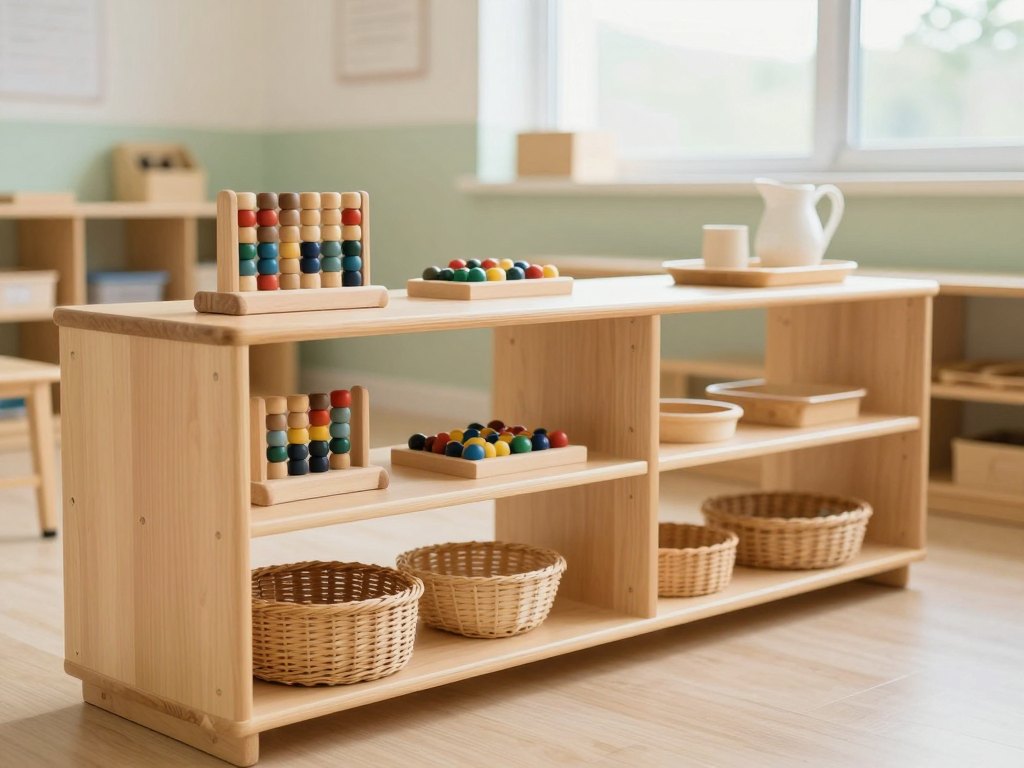
Without that understanding, it is easy to copy the surface: wooden materials, low shelves, quiet rooms. The deeper logic gets lost. Why does the child choose their own activity? What does freedom mean when there are also rules? What is the adult actually doing while the child appears to work alone?
This course answers those questions step by step. It starts with the philosophy behind the method, then moves to the psychology of child development, and finally to the practical role of the adult. You do not need prior training in education to follow it.
By the end you will have a coherent picture of how the method fits together, so that every later book, workshop or classroom visit makes more sense.
What you will be able to do
- Explain the core philosophy of the method
Describe in plain words what the approach believes about children and learning.
- Distinguish freedom from permissiveness
Understand how freedom and discipline support each other in a prepared setting.
- Describe how a child's mind develops
Follow the mechanisms of mental development from early childhood onwards.
- Recognise the main age periods
Relate each stage of childhood to the needs and abilities it brings.
- Define the role of the adult
See why observing, preparing and stepping back are active forms of teaching.
- Read the environment as a teaching tool
Judge a room, a shelf or an activity by what it offers the child.
- Separate the method from common myths
Answer typical questions and misconceptions with clear arguments.
- Plan your next step in learning
Choose further reading or training with a firm grasp of the basics.
- 6
- modules
- 19
- video lessons
- Unlimited
- rewatching of every lesson
- 14 days
- refund window
The approach behind the lessons
The course treats the method as a coherent system rather than a collection of tips. Each module builds on the previous one, so ideas are introduced before they are applied.
You begin with the underlying view of the child and of education. Next comes the question of freedom and discipline, which is often the most misunderstood part. Only then do we look at how development unfolds and what that means for the adult who works with children.
Throughout, the lessons explain the reasoning behind each principle. You are encouraged to question it, compare it with your own experience and form your own view, rather than simply accept it.

How the course works
The lessons are recorded in advance, so you can watch them whenever it suits you and as many times as you like. There are no fixed class times, which makes the course easy to fit around work and family.
Some lessons include practical assignments. When an assignment is part of a lesson, you complete it and attach your answer, and this unlocks the next lesson. A teacher reviews the answers, comments on them and points out anything worth revising.
If a question comes up while you study, you can write it in the comments under the lesson. Further questions can be raised during online meetings, where these are offered.
The course is built for focused, regular study. Many learners take one module at a time and pause to reflect before moving on.
The programme
Six modules move from the philosophy of the method to child development and the role of the adult.
1Module 1 — The ideas behind the methodThe philosophy that shapes everything else.3 lessons
- Where the method comes from and why it endures
- The view of the child at the heart of the approach
- Education as a science of observation
2Module 2 — Freedom and disciplineHow the two work together instead of competing.3 lessons
- What freedom means in a prepared setting
- Why limits and rules give children security
- Self-discipline and how it grows
3Module 3 — How a child's mind developsThe mechanisms of mental development in early life.4 lessons
- Learning without conscious effort in the earliest years
- Sensitive periods and why timing matters
- Movement, senses and the growth of thinking
- Independence as a driving force of development
4Module 4 — Periods of childhoodAge stages and the needs that define them.3 lessons
- Why development is described in stages
- Typical needs and abilities at each age
- What changes when a child moves to the next stage
5Module 5 — The role of the adultWhat the adult does, and what the adult holds back from doing.3 lessons
- Observation as the adult's main tool
- Supporting a child without taking over
- Respecting a child's right not to know yet
6Module 6 — The prepared environmentHow surroundings invite activity and independence.3 lessons
- What makes an environment prepared
- Order, beauty and accessibility in practice
- Common myths and honest answers to them

What you get
- 19 recorded video lessons
Organised into six modules that build on each other.
- Unlimited rewatching
Return to any lesson whenever you need a refresher.
- Practical assignments
Short tasks that help you apply each idea.
- Teacher feedback
Comments on submitted answers with notes on what to improve.
- Questions under each lesson
Ask in the comments and get a reply from the teaching team.
- Online meetings where offered
Opportunities to put questions live; dates are confirmed by the administrator.
- Mobile-friendly viewing
Watch on your phone or computer.
- Lasting access to the material
The lessons stay available after you finish.
Is this course for you?
This course is for you if…
- Aspiring teachers who plan to work in a Montessori-style group and want a firm starting point
- Parents who want to understand the method before choosing a nursery or school
- Educators from other approaches who want to see how this one works
- Nursery and school leaders who need a shared vocabulary for their team
Probably not a fit if…
- Anyone looking for a full professional training programme in a single course
- People who want ready-made classroom activities rather than an explanation of principles
- Learners who prefer live classroom teaching over recorded lessons
After the course
Once you finish, you will be able to talk about the method with confidence. You will know what it believes about children, why it gives them freedom within limits, and how the adult supports development without pushing it.
You will also be better placed to evaluate what you see. Visiting a classroom, reading an article or listening to a lecture will make more sense, because you will know which ideas are essential and which are decoration.
For many learners, this course becomes the base for further study. It helps you choose the next topic, whether that is a particular age group, creative work with children or the adult's role in a team.
Questions before you buy
How much time do I need each week?
It depends on your pace. Many learners finish one module in a week by watching a few lessons and completing the assignments, which takes roughly a few hours. Because the lessons are recorded, you can go faster or slower.
Do I need any previous knowledge?
No. The course starts from the basics and explains terms as they appear. Experience with children is helpful but not required.
How does access work after payment?
Once your payment is confirmed, you receive access to the lessons through your account. You can start immediately and study at your own pace.
What format are the lessons in?
The lessons are pre-recorded video, supported by assignments in some lessons. You can watch them on a phone or computer, as many times as you like.
Will I get feedback on my work?
Where a lesson includes an assignment, a teacher reviews your answer, comments on it and tells you what to revise. You can also ask questions in the comments under each lesson.
Do I have to complete assignments to continue?
In lessons that contain an assignment, yes. Submitting your answer unlocks the next lesson, which keeps the learning progressive.
What is your refund policy?
You can request a refund within 14 days of purchase. If the course is not what you expected, contact us within that period.
Does the material stay available after I finish?
Yes. Your lessons remain available, so you can come back to any module whenever you want to revisit the ideas.
Begin with the foundations
Start the lessons today and learn the ideas that give the method its meaning.