Psychology · Intermediate
See where psychoanalysis came from and where it stands today
A recorded course that follows the evolution of psychoanalytic thought from its beginnings to the present, so you can place every idea in context.
- Self-paced video lessons
- 18 academic hours of material
- Clear historical thread
- Lifetime access
- 14-day refund

Why the history of an idea matters
Anyone who studies depth psychology soon meets a crowd of schools, terms and disagreements. Drive, object, self, transference, the unconscious: each word carries a century of argument. Without the story behind them, the vocabulary feels like a pile of unrelated labels.
Many learners pick up psychoanalytic ideas from scattered books, lectures and conversations. The result is often a patchwork. You know a concept, but not who challenged it, what problem it was meant to solve, or why later thinkers revised it.
This course puts the pieces back in order. It follows psychoanalytic thought as one continuing conversation, from the first clinical observations of the late nineteenth century to the questions practitioners ask today.
The aim is not to memorise dates. It is to understand how the field arrived at its present shape, and what that means for the way you think, study or work.
What you will be able to do
- Trace the main lines of psychoanalytic thought
Follow the development of ideas from the early period to modern approaches.
- Explain why major theories were revised
Describe the problems and disagreements that pushed the field forward.
- Place any concept in its historical context
Know which school or period a term comes from and what it originally meant.
- Compare different traditions with confidence
See how classical, relational and depth-psychological views overlap and differ.
- Read primary sources with more ease
Approach classic texts knowing the debates they belong to.
- Describe the professional identity of an analyst
Understand what distinguishes the psychoanalytic way of working and thinking.
- Organise your own reading list
Choose what to study next based on a clear map of the field.
- Join professional discussions with a firmer footing
Use the vocabulary of the field accurately and in context.
- 18
- academic hours of material
- 5
- modules
- 15
- video lessons
- 24/7
- self-paced access
A map, not a list of theories
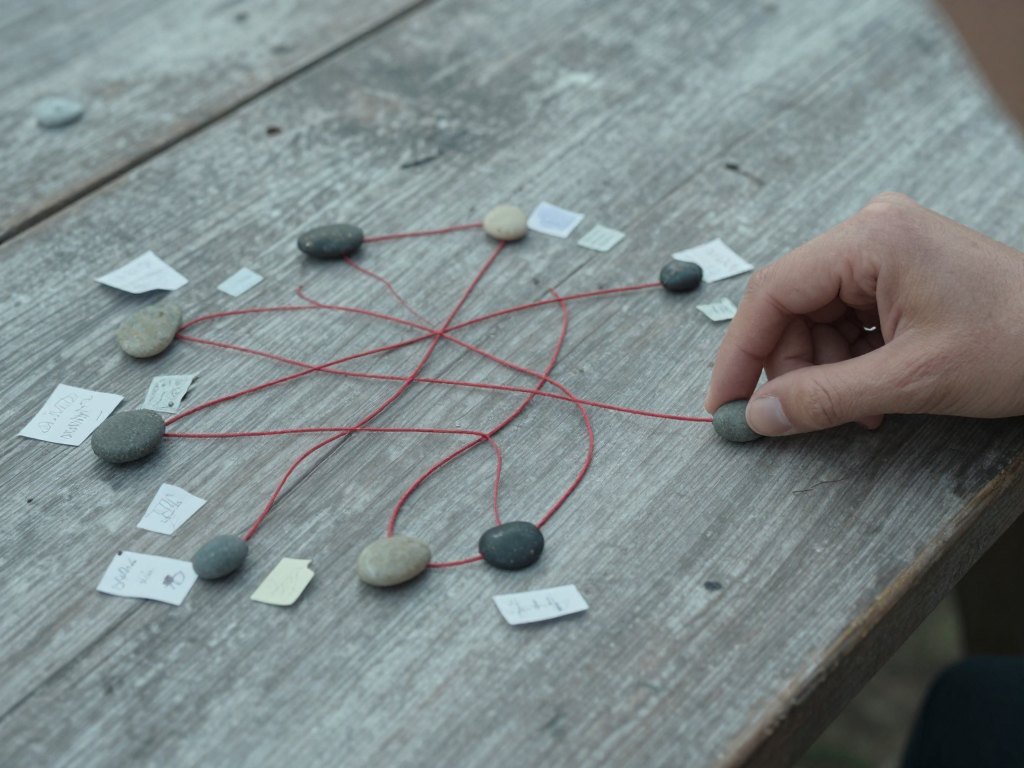
The course is built around one organising idea: psychoanalysis is best understood as a history of questions. Each period asked something the previous one could not answer, and each answer opened new problems.
Instead of presenting schools side by side as if they were products on a shelf, the lessons move through time and show how one position grew out of another. You will see where thinkers built on their predecessors, where they broke away, and where the same issue returned in a new form.
This approach suits both newcomers to the subject and people who already know several theories but have never seen how they connect. By the end, the separate parts should fit into a single picture you can carry with you.
How the course works
The course is delivered as recorded video lessons that you watch on your own schedule. There are no fixed class times, so you can study in the evening, at the weekend or in short sessions during the week, and return to any lesson as often as you like.
The material is organised into five modules that follow the history in order. We recommend going through them in sequence, because later lessons build on the ideas introduced earlier. Each lesson is a focused talk on one topic, so you can stop after a single lesson and pick up the thread later.
If you run into a technical problem with access or playback, support is available to help you. Your access to the lessons remains open, so you can revisit difficult passages whenever you wish.
The programme
Five modules take you from the origins of psychoanalysis to its contemporary landscape.
1Module 1 — The beginnings of psychoanalysisThe clinical and cultural setting in which the first ideas appeared.3 lessons
- The intellectual climate of the late nineteenth century
- From early clinical observations to a theory of the unconscious
- The first model of the mind and the method of free association
2Module 2 — The classical periodHow the founding theory was developed, defended and challenged.3 lessons
- Drives, development and the structure of the psyche
- Early disagreements and the first divisions in the movement
- Defining what a psychoanalytic method is
3Module 3 — New directions after the classical modelThinkers who shifted attention from drives to relationships and the self.3 lessons
- The turn towards early relationships
- Object relations and the inner world
- The self, the ego and changing views of the therapeutic process
4Module 4 — Depth psychology and parallel traditionsHow analytical and other depth-oriented approaches grew alongside the mainstream.3 lessons
- Where depth psychology and psychoanalysis part ways
- Symbols, images and the meaning of psychic material
- Dialogue and exchange between different schools
5Module 5 — Psychoanalysis todayThe modern field and the questions that remain open.3 lessons
- Contemporary relational and intersubjective ideas
- Psychoanalysis and neighbouring sciences
- What it means to think as an analyst: professional identity

What you get
- Recorded video lessons
Fifteen lessons covering the full historical arc, watchable at your own pace.
- 18 academic hours of content
A substantial body of material for serious study.
- Lifetime access
Return to any lesson whenever you need a refresher.
- Technical support
Help is available if you have trouble accessing the lessons.
- A structured route through the field
A clear order of topics that connects separate theories into one story.
- A 14-day refund window
Try the course and request your money back within 14 days if it is not right for you.
Is this course for you?
This course is for you if…
- Psychology students and early-career psychologists who want a solid grounding in the history of the field
- Practising counsellors who use depth-psychological ideas and want to understand their roots
- Readers of psychoanalytic literature who feel lost among schools and terms
- Anyone drawn to the history of ideas about the mind who is ready for serious material
Probably not a fit if…
- People looking for a quick set of self-help techniques
- Learners who want a step-by-step guide to clinical practice
- Those who expect live sessions or one-to-one feedback as part of the course
- Anyone hoping for a short, light overview in under an hour
After the course
When you finish, the names, schools and terms that once seemed scattered will sit on a single timeline in your mind. You will know why certain ideas arose, who disagreed with whom, and how those disagreements shaped the field.
Reading becomes easier. A classic text or a modern article will no longer arrive without context, because you will recognise the debate it belongs to. That makes your own further study faster and more focused.
You will also have a clearer sense of what the psychoanalytic tradition is and what it offers, which helps if you work with people, continue your education, or simply want to follow professional discussions with understanding.
Questions before you buy
How much time do I need each week?
It is up to you. Many learners spend two to four hours a week and finish in a few months, but because the course is self-paced you can go faster or slower.
Do I need prior knowledge of psychology?
No formal background is required. Some familiarity with basic psychological terms helps, but the lessons explain the ideas in the order they appeared.
How does access work after payment?
Once your payment is confirmed, you receive access to the lessons through your account and can start immediately.
What is your refund policy?
You can request a full refund within 14 days of purchase if the course is not what you expected.
What format are the lessons in?
They are recorded video lessons, so you can watch on a computer, tablet or phone whenever it suits you.
Will the material stay available?
Yes. The lessons remain in your account, and you can rewatch them as often as you like.
Is this a clinical training course?
No. It is an educational course on the history and development of psychoanalytic thought, not a guide to treating clients.
What if I have a technical problem?
Support is available for access and playback issues, so you will not be left on your own with a technical difficulty.
Start building your map of psychoanalytic thought
Order the course today and begin with the first lesson whenever you are ready.