Education · All levels
Turn children's why questions into real history adventures
Short animated stories answer the questions kids actually ask, from pirate parrots to the first fireworks. Games, quizzes and colouring pages make the facts stick.
- 14 animated history stories
- Games and quizzes
- Colouring pages
- New episodes included
- 14-day refund

History is best learned through curiosity
Children rarely ask for a history lesson. They ask why pirates kept parrots, whether unicorns were real, or who invented the first firework. These questions are the perfect doorway into the past, yet the answers we find online are often dry, confusing or simply wrong.
Textbooks tend to start with dates and rulers. For a young mind that is the least inviting place to begin. A child remembers a story with a surprise in it, a joke that lands, and a fact that makes them say, I did not know that. When history feels like an adventure, it stops being a subject and becomes a hobby.
This course is a library of short animated stories built around exactly those questions. Each episode takes one curious topic, tells it with humour, and keeps the facts honest. Where a popular myth exists, such as the idea that aliens built the pyramids, the story calmly explains what the evidence really shows.
Alongside the cartoons you get games, quizzes and colouring pages, so a child can move from watching to doing. Parents, grandparents and teachers can use the material together with children, or hand it over for an independent half hour of screen time that actually teaches something.
What your child can do afterwards
Outcomes you can notice at the dinner table, not just on a test.
- Explain why ancient Egyptians valued cats
A story that connects animals, daily life and belief in one memorable picture.
- Describe how the pyramids were built
The real story of planning, labour and tools, without the alien myths.
- Tell knights' tournaments from real battles
Understand why knights competed and what the events meant to a medieval town.
- Separate legends from evidence
Compare dragons, unicorns and sea monsters with what people actually saw and feared.
- Retell how dinosaurs were discovered
Follow how bones in the ground turned into one of science's great detective stories.
- Explain how dogs became our companions
See how a wild animal and early humans slowly learned to live together.
- Place vikings, ninjas and pirates on the map
Know who they were, where they travelled and what is true about them.
- Understand where everyday things come from
Money, fireworks and the New Year tree all have surprising beginnings.
- Ask better questions about the past
Learn the habit of asking how we know something, which is the heart of history.
- 14
- animated history stories
- 5
- themed modules
- 3
- kinds of activities: games, quizzes, colouring
- New
- episodes added to your access
The method: one question, one story, one activity
Every episode starts with a single question a child could ask out loud, for example why sailors were afraid of sea monsters or how people first tamed a dog. A clear question gives the story a purpose, and it tells the child what to listen for.
The story then answers the question with humour and surprising facts. The tone is light, but the content is not watered down. Animated scenes show how people lived, what they wore and what they believed, so the past feels like a place rather than a list.
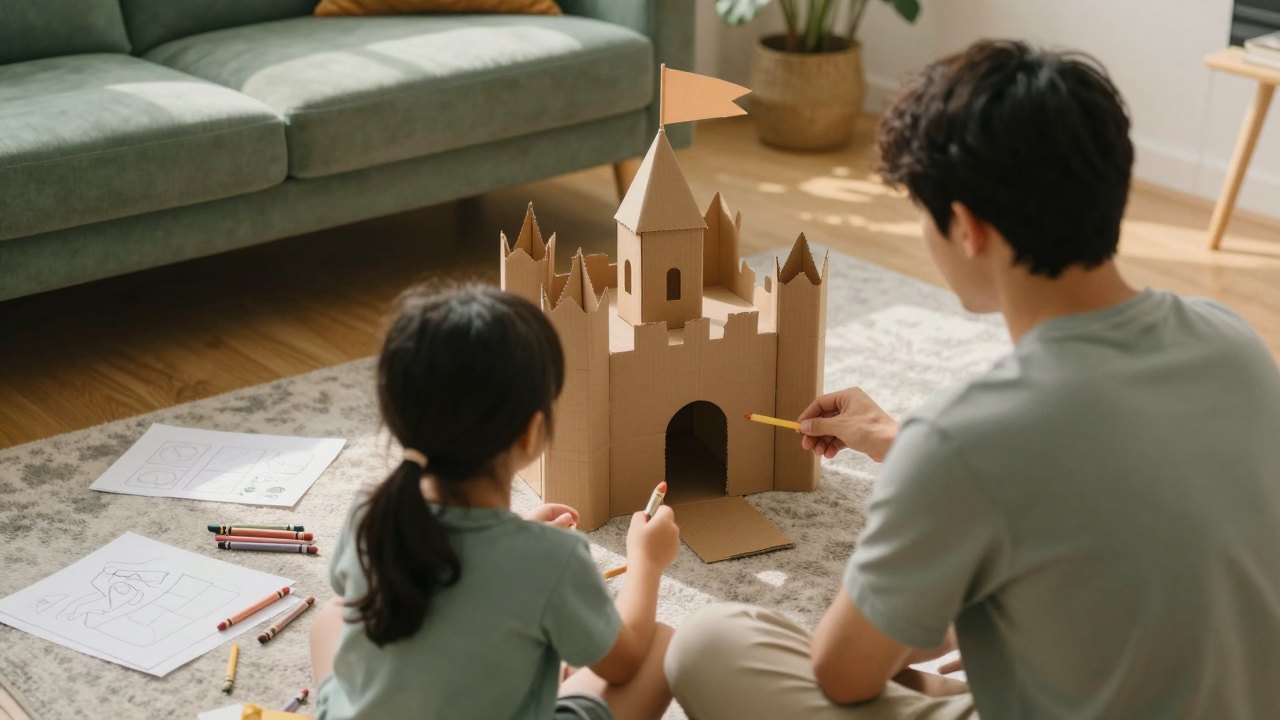
After the cartoon comes the part that makes learning stick: a game, a quiz or a colouring page connected to the topic. Recalling a fact while playing is far more effective than being told it once, and colouring gives younger children a calm way to revisit what they just saw.
The same pattern repeats in every module. Children quickly learn how it works and can choose episodes on their own, which builds confidence and independence.
How the course works
The course is a self-paced online library. After payment you get access to the existing animated stories, games, quizzes and colouring pages, and new material that is added to the library becomes available to you as well. There are no deadlines and no live sessions to attend.
Watch in any order, since each story stands on its own. Many families like to start with the topics their child already loves, such as dinosaurs or pirates, and then branch out. A typical visit is one cartoon followed by an activity, which fits comfortably into an evening or a rainy afternoon.
You do not need any special equipment beyond a device with a screen and an internet connection. Colouring pages can be printed or coloured on a tablet, and the games and quizzes run in the browser. Adults are welcome to watch along, and the stories give plenty to talk about afterwards.
The programme
Fourteen stories grouped into five themes. The library keeps growing, and new episodes are added to your access.
1Module 1 — Egypt, cats and monumentsTwo stories from the land of the pharaohs, told with facts rather than fantasy.2 stories
- Why did people in ancient Egypt love cats so much?
- How were the pyramids built? (No aliens required)
2Module 2 — Warriors, sailors and adventurersWho they really were, and what they actually did.4 stories
- Why did knights fight at tournaments?
- Who were the vikings and where did they sail?
- Who were the ninja, and did they really exist?
- Why did pirates keep parrots?
3Module 3 — Myths, legends and monstersWhere our favourite fantastical creatures came from, and what people believed.3 stories
- Why are there so many dragons in fairy tales?
- Were unicorns ever real?
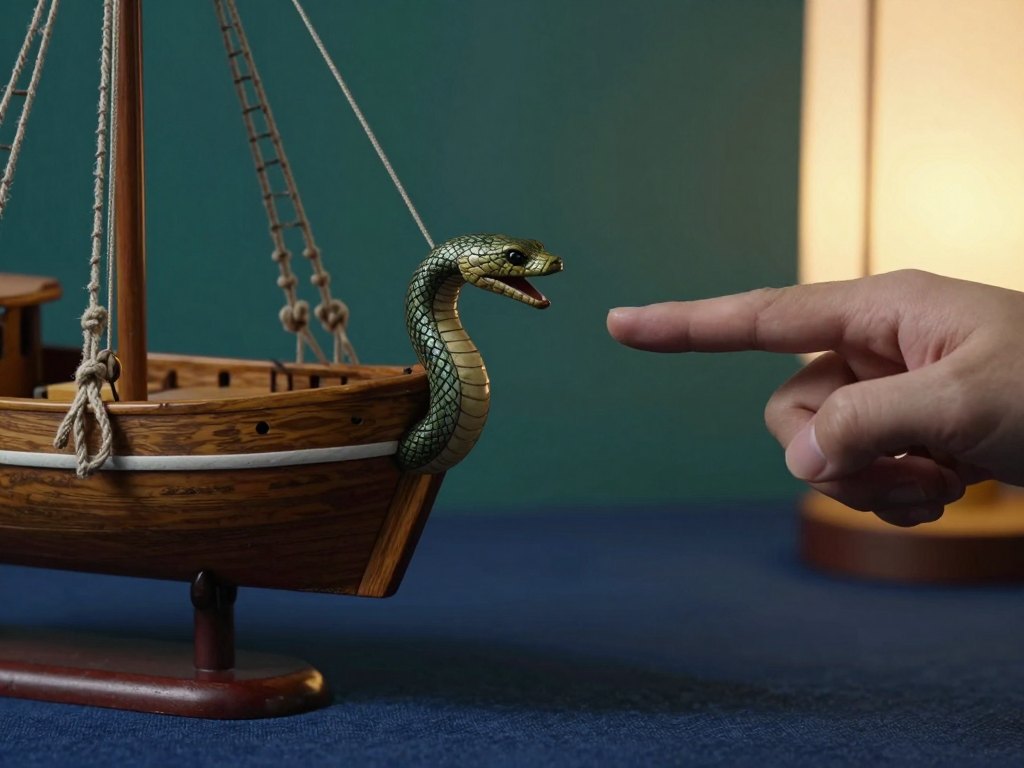
- Why were sailors afraid of sea monsters?
4Module 4 — Prehistory and early companionsGiants of the distant past and the first friendship between humans and animals.2 stories
- Who were the dinosaurs and how were they found?
- How did people tame the first dog?
5Module 5 — Inventions and traditionsThe surprising beginnings of things we take for granted.3 stories
- How did money first appear?
- Who invented the first firework?
- Why do we decorate a tree for the New Year?
What you get
- Animated history stories
Fourteen short cartoons, each built around one curious question.
- Games
Playful activities that help children recall and use what they learned.
- Quizzes
Friendly questions that turn watching into remembering.
- Colouring pages
Themed pictures connected to the stories, for quiet creative time.
- Access to new episodes
Future cartoons, games, quizzes and colouring pages are added to your library.
- Self-paced access
Watch when you like, as often as you like, in any order.
- 14-day refund
If the course is not right for your family, ask for a refund within 14 days.
Is this course for you?
This course is for you if…
- Parents who want screen time that teaches something real
- Children who love asking why and how things began
- Grandparents and relatives looking for a shared activity with a child
- Teachers and home educators who need engaging extra material
- Families who enjoy talking about stories together after watching
Probably not a fit if…
- Adults looking for an in-depth academic history course
- Anyone who expects a school curriculum with exams and grades
- Families who want one-to-one tutoring or live lessons
- Those who prefer printed books to video and online activities
After the course
After a few weeks with the library, your child will likely have favourite stories they retell at the table, and a habit of asking how we know that. That habit is worth more than any single fact, because it carries over to science, geography and reading.
You will probably notice new questions too. A cartoon about vikings can lead to a map, a book from the library or a conversation about boats. The material is designed to start conversations rather than end them.
And because new episodes are added over time, there is always something fresh to watch when the first fourteen are finished. The past is large, and this library is built to keep exploring it with you.
Questions before you buy
How much time does it take per week?
There is no required schedule. Each story is short, so many families watch one cartoon and try one activity in a single sitting. Use it as often or as rarely as suits you.
Do we need any prior knowledge?
No. The stories begin from a simple question and explain everything needed to follow along. No previous knowledge of history is required for children or adults.
How does access work after payment?
Once your payment is confirmed you receive access to the course online. You can start watching straight away on any device with an internet connection.
What format are the lessons in?
The core of the course is short animated video stories. They are accompanied by games, quizzes and colouring pages connected to the topics.
Will the material stay available?
Yes. Your access does not expire on a deadline, so you can return to favourite stories whenever you like. New episodes added to the library become available to you too.
What is the refund policy?
You can request a full refund within 14 days of purchase if the course is not what you hoped for.
What age is the course suited to?
The stories are written for curious children and are enjoyable for adults too. Younger children may like to watch with a parent, while older children can explore on their own.
Do I need to print anything?
No. Colouring pages can be printed if you like, but printing is optional. Everything else works on screen.
Start the first adventure today
Give your child's questions about the past a story worth listening to.