Creative · All levels
Weave unique macramé bags you are proud to carry or sell
Step-by-step recorded lessons, patterns and materials lists for handbags in raffia and waxed cord, from a half-round basket bag to a round cord bag.
- Recorded video lessons
- Written guides and patterns
- Materials and tools lists
- Watch on phone or computer
- 14-day refund policy
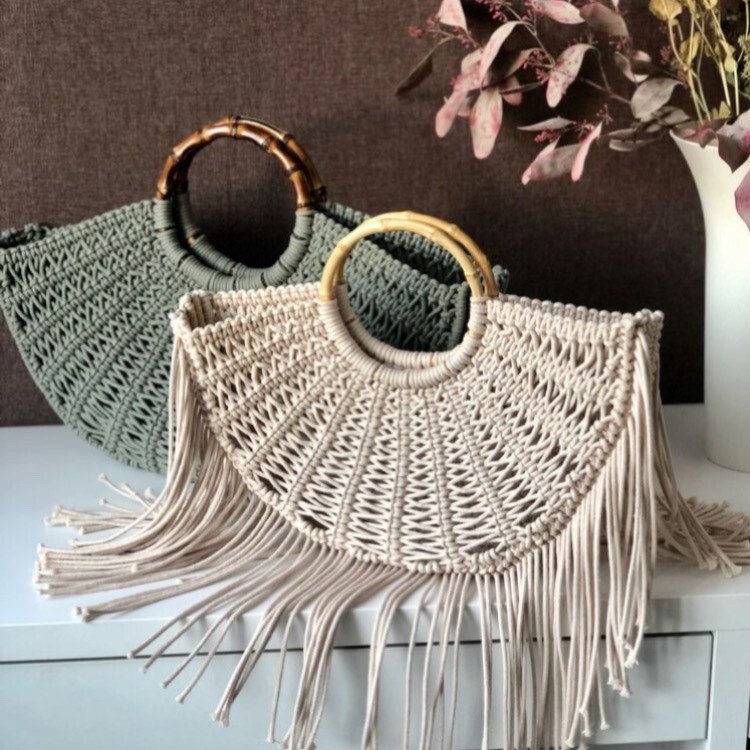
Why handmade bags are worth learning to make
Woven handbags get more popular every year, and it is easy to see why. A bag made by hand looks different from anything on a shop rail. It has texture, character and a small story behind it. People notice it, ask where it came from and remember it.
Many people who want to make one get stuck in the same places. Online photos rarely show how a bag is actually built. You do not know which cord to buy, how much of it you need, or how to shape a base that holds its form. You may also have no idea how to attach handles so the bag looks professional rather than homemade.
This masterclass answers those questions in the order you meet them. You start with materials and tools, move on to the knots and construction of a particular bag, and finish with the details that make it look polished. Every lesson is recorded and written down, so you can pause, rewind and work at your own pace.
The approach comes from designs that use original constructions and weaving techniques, including a half-round basket bag, a round bag from waxed cord and a method for weaving bags from raffia. You learn the logic behind each design, not only one finished item.
What you will be able to do
- Choose the right cord, raffia and hardware
Know what to buy and where to look before you spend anything.
- Calculate how much material a bag needs
Use the consumption guidance to avoid running short mid-project.
- Tie and combine the macramé knots used in bags
Practise the techniques that give bags their structure and pattern.
- Build a firm, well-shaped base
Start a round or half-round bag so it keeps its form with use.
- Weave a half-round basket-style bag
Follow the construction from first knot to finished body.
- Make a round bag from waxed cord
Work with a stiffer material and shape it neatly.
- Work with raffia in the author's weaving method
Handle a natural, slightly unruly material with confidence.
- Attach handles and finish edges cleanly
Give every bag a tidy, professional look.
- Design your own variations
Change colour, size and details once you understand the construction.
- 5
- modules in the programme
- 3
- signature bag constructions
- 1 year
- of access to the video lessons
- 14 days
- refund window
Learn the construction, not just the pattern
A pattern tells you what to do; the construction tells you why. In these lessons each bag is broken into stages: the base, the body, the shaping, the handles and the finishing touches. Once you see how a stage works, you can adjust it.
That is what makes the course useful if you plan to sell your work. You can alter the size, change the cord, adapt the shape and still end up with a bag that holds together. The written guides and templates sit alongside the videos so you can check details at the table while you knot.
- Video demonstrations of each stage
- Written guides with diagrams and templates
- Notes on materials and quantities
- Recommendations for avoiding common mistakes
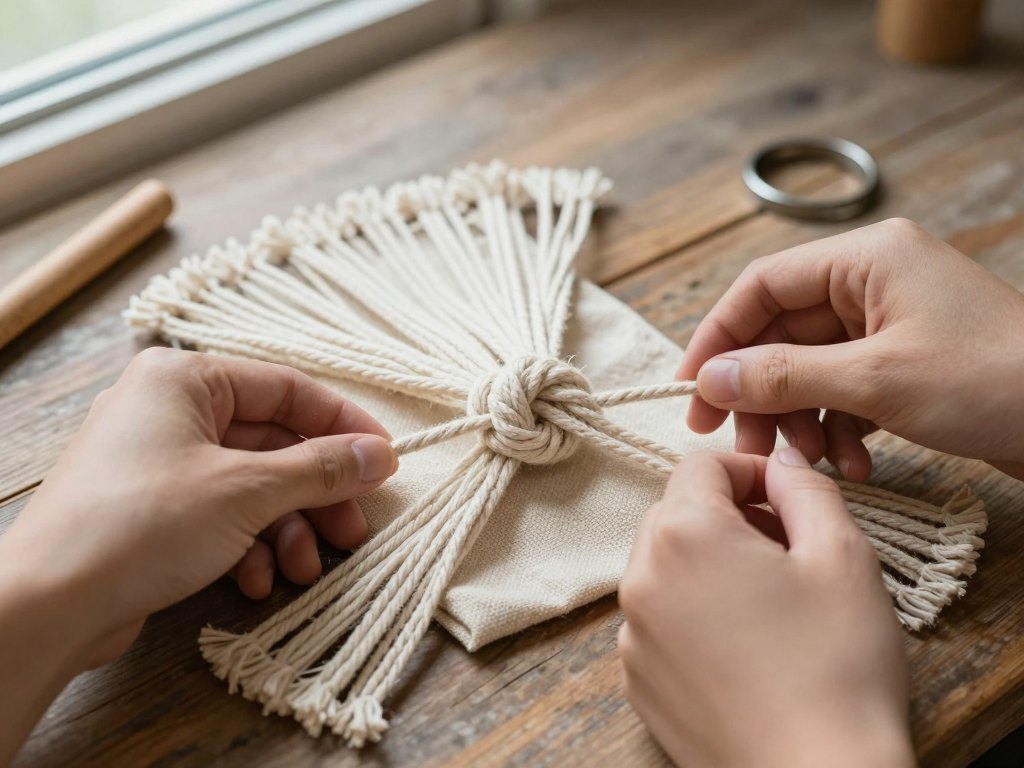
How the course works
The programme is delivered on an online learning platform. After payment you receive access details by email, usually within a few minutes, and then log in with your email address and password. Your lessons are waiting in your personal account.
Each masterclass combines two kinds of lesson. Written lessons cover the tools and materials, where to buy them, how much you will use, diagrams, templates and practical recommendations. Video lessons show the weaving itself, so you can see hand positions and tension up close.
Everything is recorded, so there are no fixed times and no deadlines. Watch on a computer, or install the app and follow along on your phone while your hands are busy. Support with questions about the lessons is available throughout.
The programme
The modules follow the natural order of making a bag, from preparing materials to the final finishing details.
1Module 1 — Materials, tools and preparationEverything to gather before your first knot.3 lessons
- Tools and materials you need
- Where to buy cord, raffia and handles
- How much material each bag uses
2Module 2 — Knots and basic techniquesThe building blocks used throughout the bags.3 lessons
- Holding cords and keeping even tension
- The core knots used in macramé bags
- Combining knots into simple patterns
3Module 3 — The half-round basket bagA bag with a shaped body and a rounded profile.4 lessons
- Reading the scheme and preparing cords
- Starting the base and building the body
- Shaping the half-round form
- Attaching handles and finishing
4Module 4 — The round waxed-cord bagWorking with a firmer cord to make a compact round bag.4 lessons
- Handling waxed cord
- Weaving the round base
- Building the sides and closing the bag
- Finishing and neatening details
5Module 5 — The raffia weaving methodA distinctive approach to bags made from natural raffia.4 lessons
- Preparing and working with raffia
- Weaving the structure step by step
- Keeping the shape and texture even
- Final assembly and care for the bag
What you get
- Recorded video lessons
Watch the weaving process whenever it suits you.
- Written lessons
Materials, tools, consumption, schemes and recommendations.
- Patterns and templates
Reference material to keep next to your work.
- Shopping guidance
Lists of places to buy the materials you need.
- Access on any device
Use a computer or the mobile app.
- One year of access to the video lessons
Extension is available at a fraction of the original price.
- Support with questions about the lessons
Help is available for as long as you need it.
- 14-day refund policy
Try the course with a clear way out if it is not for you.
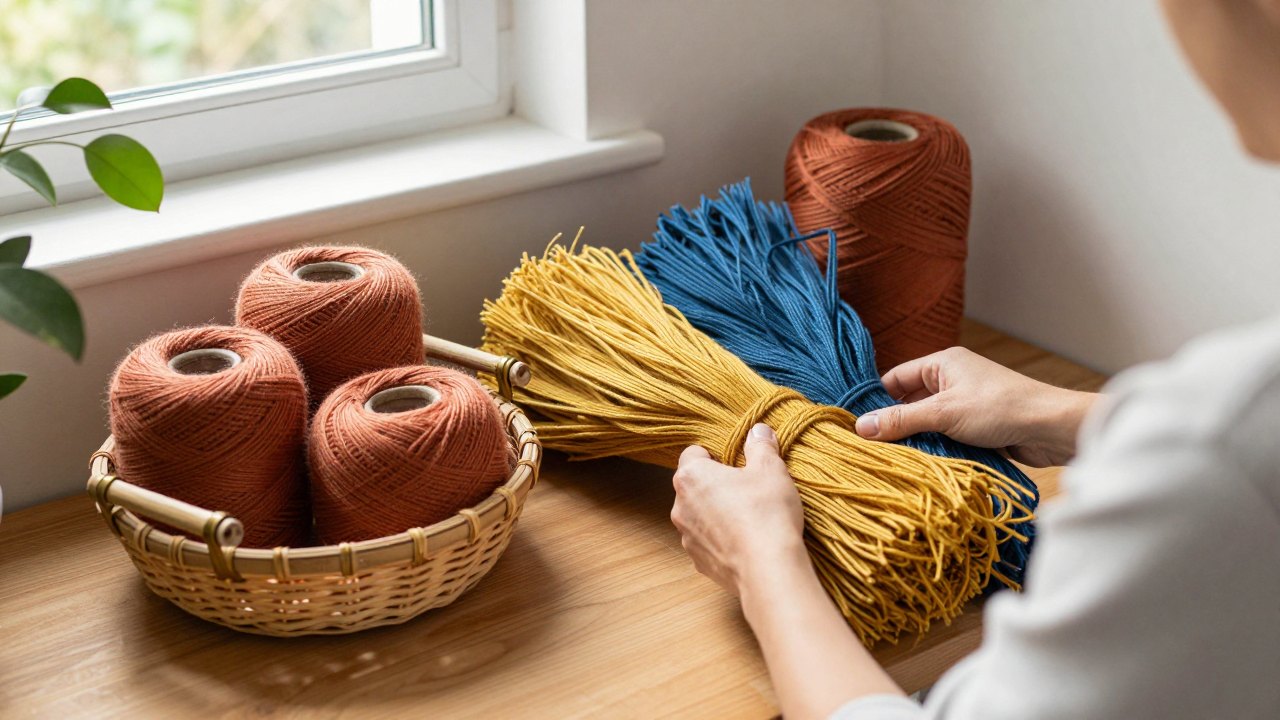
Is this course for you?
This course is for you if…
- You love handmade accessories and want to make a bag for yourself
- You already do macramé and want to move on to bags
- You are thinking about selling handmade bags and need solid construction skills
- You prefer to learn from recorded lessons at your own pace
- You want written guides to use alongside the videos
Probably not a fit if…
- You want one-to-one tuition in person
- You are looking for a course with set live sessions
- You expect to finish a bag without any practice time
- You are not willing to buy cord, tools and hardware
After the course
By the end you can look at a macramé bag and understand how it is built. You know which materials to buy, how much you need and how to move from base to body to handles without guessing.
You will have the skills to make bags in more than one material and style, and the confidence to adapt them. For some people that means a wardrobe of personal pieces. For others it is a first step toward a small handmade business.
Because the lessons stay in your account for the access period, you can return to any stage when you start a new bag, and extend access if you want to keep learning beyond the first year.
Questions before you buy
How much time do I need per week?
There is no fixed schedule. A bag takes several sessions of weaving, so how long it takes depends on how many hours you can spare. Many people work on it for a few evenings a week.
Do I need experience with macramé?
No specific experience is required. The lessons cover tools, materials and the knots used in the bags, so you can begin as a beginner or build on what you already know.
How do I get access after payment?
Access details are sent to the email address you enter at checkout, usually within 5 to 30 minutes. Check that you typed your address correctly. You then log in with your email and password and find the lessons in your account.
What format are the lessons in?
The programme combines written lessons with materials lists, schemes, templates and recommendations, and recorded video lessons showing the weaving. You can watch on a computer or on your phone.
How long will the material stay available?
The video lessons are available for one year from purchase. Before access ends you receive an email with a link to extend it for a further year, at a fraction of the original price.
Is there a refund if the course is not right for me?
Yes. You can request a refund within 14 days of purchase.
Can I use the lessons on my phone?
Yes. You can open lessons in a browser or install the app and learn on your phone or tablet.
What if I get stuck on a step?
You can ask questions about the lessons and receive support on how to proceed. Support continues beyond the video access period.
Can I buy this course as a gift?
Yes. Buy the course using your own email address, then reply to the confirmation message to say it is a gift and give the recipient's email address.
Start your first macramé bag
Order the masterclass, open your first lesson within minutes and begin weaving at your own pace.