Design · Beginner
Draft your own garment patterns from real measurements
A step-by-step online programme that takes you from taking measurements to a finished, fitted pattern you can sew from.
- 6 modules, 24 lessons
- Self-paced video lessons
- Practice tasks in every module
- 14-day refund policy
Why patterns from the shop never quite fit
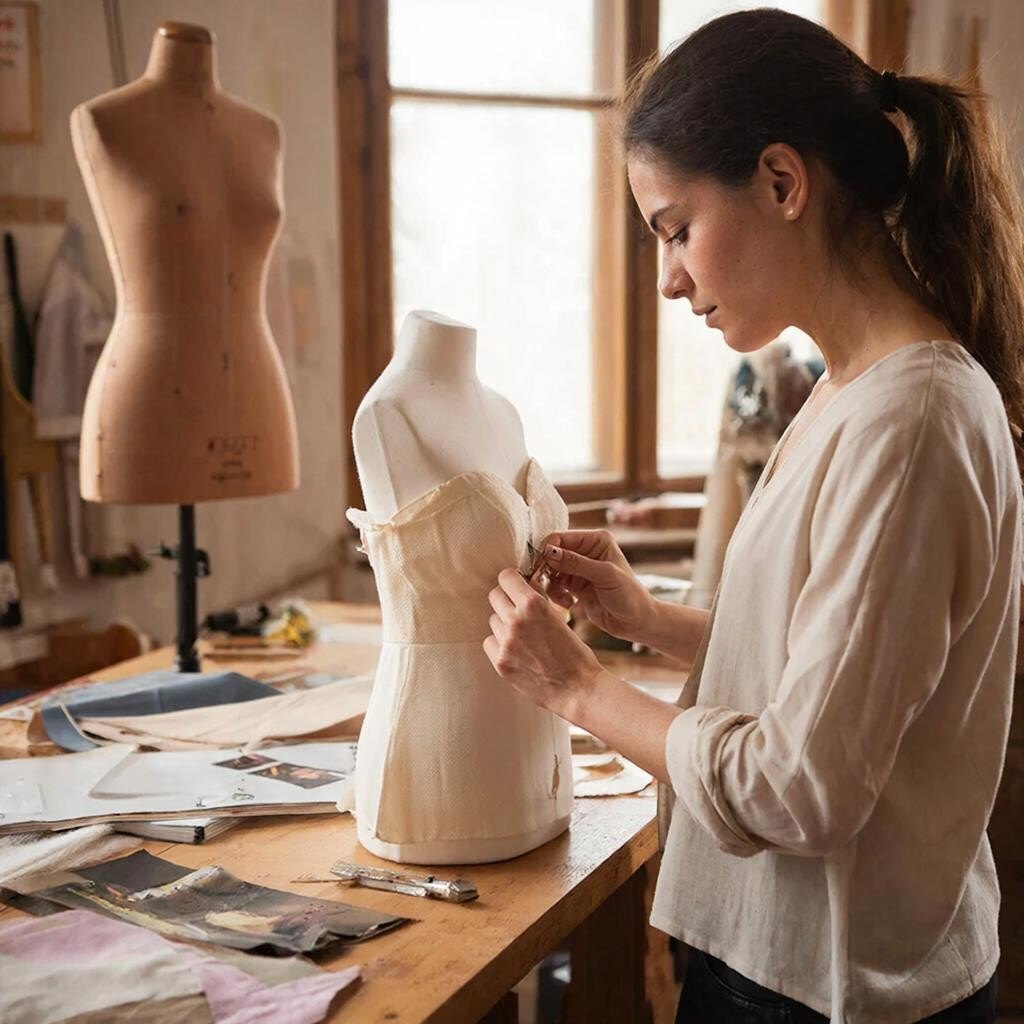
If you sew or want to design clothes, you probably know the frustration: a commercial pattern is cut for an average body that is not yours. The shoulders pull, the waist sits in the wrong place, and the sleeve refuses to hang properly. You adjust, unpick and start again, without really knowing why the garment behaves as it does.
The reason is that most people learn sewing before they learn construction. Sewing is how a garment is assembled. Construction is how its shape is calculated and drawn on paper. Without it, you depend on other people's patterns and cannot change a design with confidence.
This course focuses on that missing skill. You learn how a body is measured, how measurements become lines and curves on a drawing, and how a flat pattern turns into a three-dimensional garment. Each step is explained in plain language and shown in video lessons you can pause, repeat and practise alongside.
The aim is practical independence. By the end you should be able to take measurements correctly, draft a basic pattern, check the fit and prepare the pieces for cutting, whether you sew for yourself, for clients or as the first step towards your own collection.
What you will be able to do
- Take accurate body measurements
Know which measurements matter, where to take them and how to record them.
- Draft a basic fitted pattern
Build the base drawing step by step from your own measurement chart.
- Read and understand pattern lines
Recognise darts, balance lines, armholes and necklines and know their purpose.
- Check fit on a mock-up
Spot fitting problems on a trial garment and find their cause in the pattern.
- Correct common fitting issues
Adjust the pattern for shoulders, bust, waist and hips instead of guessing.
- Add seam and hem allowances
Prepare pattern pieces correctly so they are ready for cutting.
- Label and organise your patterns
Keep a tidy, reusable archive of every pattern you draft.
- Approach new designs with a method
Break a garment sketch into pattern pieces and plan how to draft them.
- 6
- modules
- 24
- video lessons
- 14 days
- refund window
Start with the body, not the paper
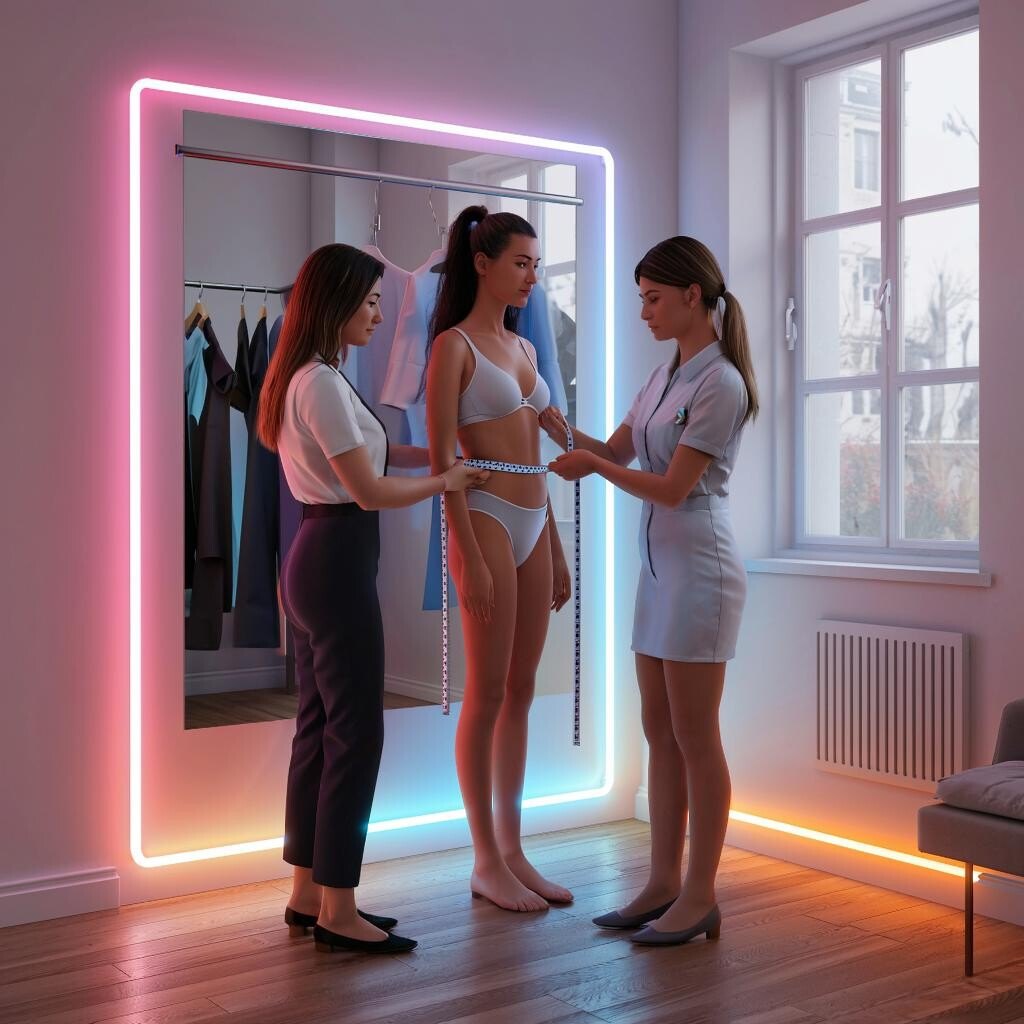
Every good pattern begins with a correct measurement chart. The first module is devoted to it: how to prepare, which points on the body to find, how to read the tape and how to avoid the small errors that later turn into fitting problems.
You practise on yourself, a friend or a dress form, and keep the chart you create. It becomes the foundation for every drawing in the rest of the programme.
- Locate the key reference points on the body
- Take and record each measurement consistently
- Work out ease allowances for different garments
- Keep a reusable personal measurement chart
How the course works
The course is made of self-paced video lessons grouped into six modules. You move through them in order, because each module builds on the previous one, but you decide when to study. Most learners find that a few short sessions per week are enough to make steady progress.
Every module combines explanation with a practical task. You watch how a drawing is built, then repeat it on your own paper with your own measurements. This is the part that makes the knowledge stay: a pattern is a skill of the hands as much as of the head.
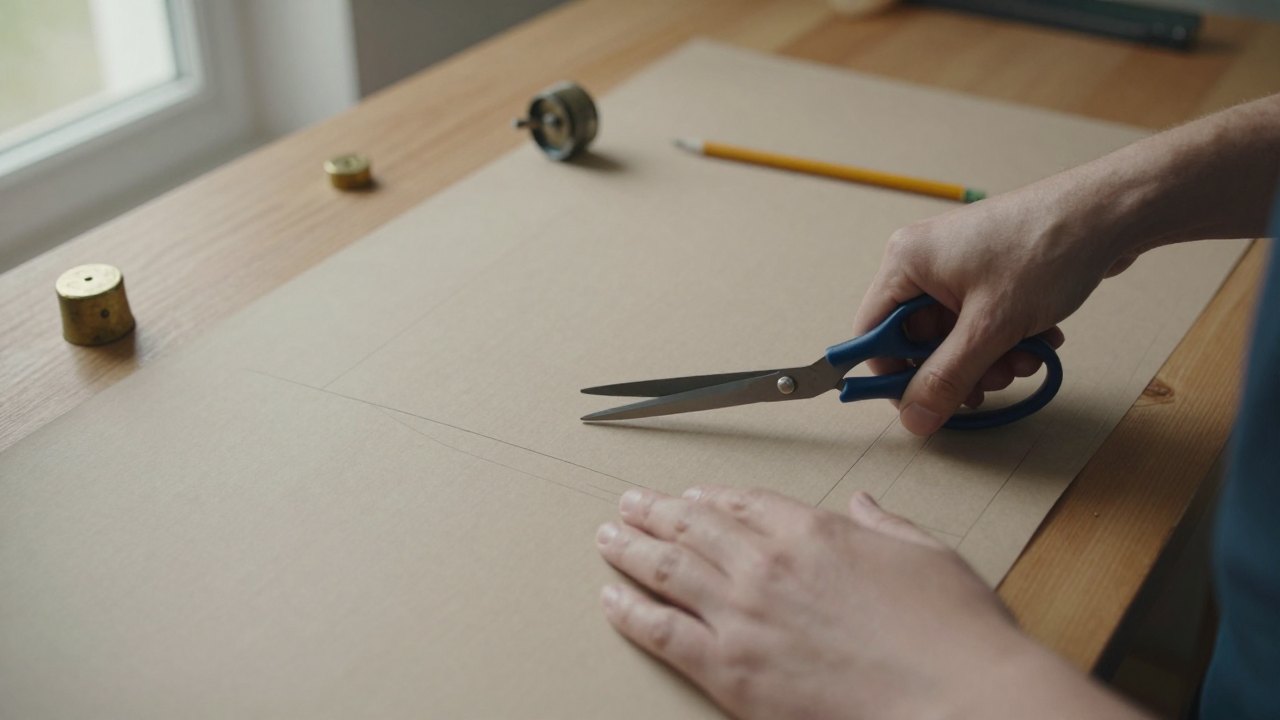
You will need basic drawing tools, such as pattern paper, a ruler, a set square, a curve ruler, a tape measure and scissors. A sewing machine is useful for the fitting stage but is not required to follow the drafting lessons.
The programme
Six modules take you from measuring the body to a pattern that is checked, corrected and ready to cut.
1Module 1 — Measuring the bodyLearn what to measure, where and why.4 lessons
- Tools and preparation for measuring
- Finding the reference points on the body
- Taking vertical and horizontal measurements
- Building your personal measurement chart
2Module 2 — The basics of constructionUnderstand how a flat drawing describes a shape.4 lessons
- From body to flat pattern: the core idea
- Basic terms: grain, balance, darts and ease
- Calculating the grid for a base drawing
- Common mistakes beginners make on paper
3Module 3 — Drafting the base patternDraw a fitted base from your own measurements.4 lessons
- Drafting the back of the base pattern
- Drafting the front and positioning the darts
- Shaping the armhole and the neckline
- Drawing the shoulder and side seams
4Module 4 — Sleeves and skirtsExtend the base to other garment parts.4 lessons
- Drafting a straight skirt from the chart
- Waistbands and waist darts
- Drafting a basic set-in sleeve
- Matching the sleeve cap to the armhole
5Module 5 — Fitting and correctionsTest the pattern and fix what does not work.4 lessons
- Cutting and assembling a mock-up
- Reading wrinkles and pulling lines
- Correcting shoulders, bust and waist
- Transferring corrections back to the pattern
6Module 6 — Preparing patterns for productionFinish the pattern so it is ready to cut and reuse.4 lessons
- Adding seam and hem allowances
- Notches, grain lines and labelling
- Checking seam lengths before cutting
- Organising and storing your pattern archive
What you get
- 24 video lessons
Clear demonstrations of each drawing and technique.
- Practice tasks
Exercises in every module so you apply each skill straight away.
- Access on any device
Watch on a computer, tablet or phone whenever it suits you.
- Self-paced structure
Pause, rewatch and return to any lesson as often as you need.
- Ongoing access to the material
The lessons remain available to you after you finish.
- A 14-day refund policy
Try the course and ask for a refund within 14 days if it is not right for you.
Is this course for you?
This course is for you if…
- Beginners who sew and want to stop relying on ready-made patterns
- Aspiring fashion designers who need a solid technical foundation
- Home sewists who struggle with fit and want to understand why
- Anyone planning to make clothes for themselves, family or clients
Probably not a fit if…
- People looking for a course on sewing machine operation only
- Learners who want a finished collection without any hands-on practice
- Those expecting one-to-one tailoring or personal fitting sessions
After the course
When you finish, a tape measure and a sheet of paper will feel like a starting point, not a puzzle. You will have your own measurement chart, a drafted base pattern and an understanding of how to adjust it.
Instead of searching for a pattern that almost fits, you can draft one that does. When you see a design you like, you will be able to break it into pieces and plan how each piece is drawn.
The course also prepares you for further study. Pattern construction is the base for modelling, digital pattern software and collection development, so the skills you build here carry straight into those areas.
Questions before you buy
How much time do I need per week?
The lessons are self-paced, so you set the rhythm. Two or three study sessions a week, each including a drawing task, is a comfortable pace for most learners.
Do I need any previous experience?
No. The course starts with measuring the body and builds up gradually. Basic sewing knowledge helps during the fitting stage but is not required to follow the drafting lessons.
How does access work after payment?
Once your payment is confirmed you receive access to the lessons in your account. You can begin straight away and study at your own pace.
What is the refund policy?
You can request a refund within 14 days of purchase if the course is not what you expected.
What format are the lessons in?
The lessons are recorded video demonstrations, each paired with a practice task that you complete on your own paper.
Will the material stay available?
Yes. The lessons remain available in your account so you can return to any technique whenever you need it.
What materials do I need?
Pattern paper, a ruler, a set square, a curve ruler, a tape measure, a pencil and scissors. For fitting, you will also want light fabric for a mock-up.
Can I study on my phone?
Yes, the lessons can be watched on a phone or tablet, though a larger screen is easier for following detailed drawings.
Start drafting patterns that fit
Join the programme and build your first fitted pattern from your own measurements.