Communication · All levels
Speak with a free voice, clear diction and conviction
A step-by-step video programme that brings stage-speech training to people in ordinary professions, from breathing and voice to diction, intonation and argument.
- 6 modules, 24 video lessons
- Practical exercises after each lesson
- Self-paced, start any day
- 14-day money-back guarantee
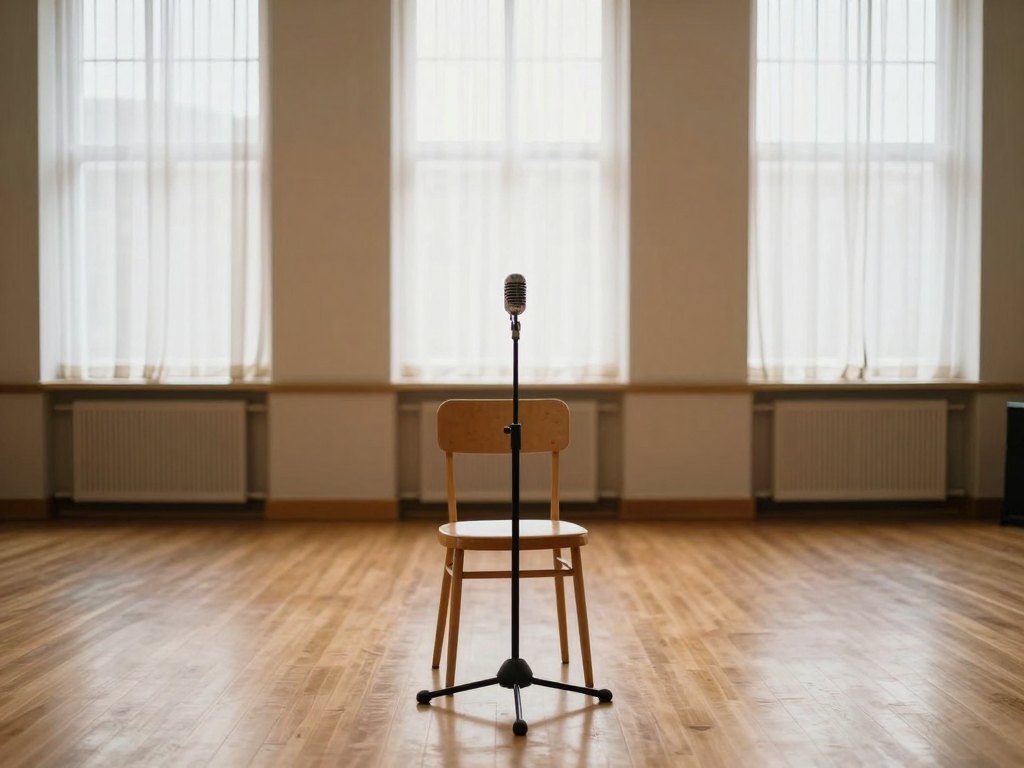
Why a good message still gets lost
Most of us have felt it: you know exactly what you want to say, but the words come out thin, rushed or flat. Your voice tires after a few minutes, the ends of words disappear, and the listener drifts away before you reach your point.
Often the problem is not what you say but how the voice and speech are used. Tension in the shoulders and jaw squeezes the sound. Shallow breathing makes you hurry. Unclear consonants force people to work to understand you. A monotone delivery makes even good ideas sound dull.
Actors and stage speakers have trained these skills for generations with exercises that are simple, physical and repeatable. This course takes that approach and adapts it for people who are not performers: managers, teachers, specialists, salespeople and anyone who has to be heard and understood.
The lessons also deal with the other half of speaking well, which is what you say. You will practise choosing a thesis, building arguments, answering criticism and recognising common manipulative tricks, so your clear voice carries a clear position.
What you will be able to do
- Release tension that blocks your voice
Use simple body exercises to relax the muscles that tighten your sound.
- Control your speech with your breathing
Support longer phrases so you can speak for a long time without tiring.
- Find a natural, recognisable timbre
Develop a voice that sounds free, individual and calm under pressure.
- Pronounce word beginnings, middles and endings clearly
Stop swallowing sounds while keeping your speech natural.
- Work on your personal diction difficulties
Practise hissing and whistling sounds with targeted exercises.
- Replace monotone delivery with living intonation
Learn ways to give each phrase a purpose and a melody.
- Choose a topic and thesis for any talk or conversation
Start from a clear point instead of a vague wish to speak.
- Build ten or more arguments for a single thesis
Reach both the reason and the feelings of your listener.
- Respond calmly to criticism and manipulation
Spot common tricks and cognitive traps and answer them without losing composure.
- 6
- modules
- 24
- video lessons
- 3
- core skills: voice, diction, intonation
- 14 days
- money-back guarantee
The method behind the lessons
The programme rests on stage-speech technique that has been used for decades with actors and then adapted for people in non-theatrical professions. Instead of theory about speaking, you work with your own body, breath and imagination.
One idea runs through the course: voice and speech reflect who you are. The exercises use fantasy, imagery and acting methods to help you try on different speech colours. As you do, you shed habits you picked up from others and come back to a more natural way of speaking.
For intonation, the course uses a method of giving each phrase a verbal action. Instead of imitating a tune, you decide what you want to do to your listener with this sentence, whether to reassure, question, persuade or invite, and the melody follows.

How the course works
The course is made of recorded video lessons, so you can start whenever you like and move at your own pace. Each lesson explains one idea and then shows you how to practise it. The logic of the sequence lets you reach the result on your own, step by step.
Every lesson comes with a task. The tasks begin simply and become more demanding as your control grows, so you never face an exercise you are not ready for. Audio and visual materials support the explanations and help you hear the difference between a habit and a new skill.
Short daily practice works better than one long session. Many learners work through one lesson a week and repeat the exercises for ten to fifteen minutes on the other days. Because the material stays available, you can return to any module when you need a refresher before an important presentation.
The programme
Six modules move from the body to the voice, then to diction, intonation and finally to the content of what you say.
1Module 1 — A free body and steady breathRemove the physical blocks that keep your voice small.4 lessons
- How muscle tension limits your voice
- Exercises to release the neck, jaw and shoulders
- Breathing for speech: support and control
- Speaking at length without getting tired
2Module 2 — Finding your own voiceDiscover a natural timbre and keep it steady under pressure.4 lessons
- The main levers for managing your voice
- Looking for your natural, individual timbre
- Staying calm in your voice in any situation
- New speech colours through imagination and acting exercises
3Module 3 — Clear dictionMake every word audible without sounding artificial.4 lessons
- Why we swallow beginnings, middles and endings of words
- Exercises for clear but natural articulation
- Working with hissing and whistling sounds
- Building a daily diction routine
4Module 4 — Living intonationMove from a flat delivery to speech with purpose and melody.4 lessons
- Why speech becomes monotone
- Ways to work with intonation
- Giving every phrase a verbal action
- Practising intonation on short texts
5Module 5 — The practice of argumentTurn your point into a convincing case.4 lessons
- Choosing a topic and a thesis
- Finding ten or more arguments for any thesis
- Appealing to reason or to feelings
- Presenting facts with weight and authority
- Making the right impression from the first minute
6Module 6 — Handling criticism and manipulationDefend your position calmly and spot unfair tactics.4 lessons
- Answering critical remarks without fear
- Strengthening, not spoiling, the impression of what you said
- General principles of resisting manipulation
- Recognising common manipulative techniques and cognitive traps

What you get
- 24 recorded video lessons
Clear explanations with demonstrations you can watch as often as you need.
- Practical tasks for every lesson
Simple, understandable exercises that progress from easy to harder.
- Audio and visual materials
Supporting examples that help you hear and see the technique.
- Access on your own schedule
Start when it suits you and study at your own pace.
- Lasting access to the material
Return to any lesson whenever you want to review it.
- 14-day money-back guarantee
Try the first lessons with no risk.
Is this course for you?
This course is for you if…
- Professionals who present, lead meetings, teach or negotiate and want a steadier, clearer voice
- People whose voice tires quickly or sounds tight under stress
- Anyone who swallows word endings or struggles with certain sounds
- Speakers who sound monotone and want more expression
- Anyone who wants to argue their position calmly and recognise manipulation
Probably not a fit if…
- Those looking for personal one-to-one coaching or live feedback from a teacher
- Those who want a quick fix without regular practice
- Professional actors or singers seeking advanced vocal training
- Anyone hoping to treat a medical voice condition
After the course
You will have a daily routine for warming up your body, breath and voice, and you will know which exercises to use before a call, a talk or a difficult conversation. Your voice should feel less strained and more your own.
Your speech will be easier to follow, because you will have trained clear articulation and know how to work on your personal problem sounds. You will also notice and use intonation on purpose instead of leaving it to chance.
When you need to make a point, you will start from a clear thesis, bring several arguments and respond to objections without getting defensive. Progress comes with practice, and the lessons stay available so you can keep building the habit.
Questions before you buy
How much time do I need each week?
Plan on one lesson a week plus ten to fifteen minutes of practice on most other days. You can go faster or slower, since the course is self-paced.
Do I need any experience?
No. The course is built for people in ordinary professions and begins with simple body and breathing exercises. No acting or public speaking background is required.
How does access work after payment?
Once your payment is confirmed you receive access to the lessons and can begin straight away. You can study whenever and wherever suits you.
What format are the lessons in?
Recorded video lessons with audio and visual support and a practical task for each lesson.
Will the material stay available?
Yes. You can return to any lesson later to repeat the exercises or refresh a skill before an important event.
What is the refund policy?
If the course is not right for you, ask for a refund within 14 days of purchase and you will get your money back.
Will the course help with a strong regional manner of speaking?
This programme focuses on voice, diction, intonation and argument. It improves clarity and expression but is not a dedicated accent-correction course.
Do I get feedback from a teacher?
The course is self-paced. The tasks are designed so that you can check your progress yourself by recording and listening to your practice.
Start training your voice this week
Begin with the first module and notice the difference in your breath and voice within days.