Creative · All levels
Make soft toys with wool, yarn and your own hands
A step-by-step course in needle felting and simple crochet, built for complete beginners who want a small, finished toy to hold at the end.
- 24 video lessons, self-paced
- Needle felting and crochet
- Projects for the whole family
- Lifetime access to materials
- 14-day money-back guarantee
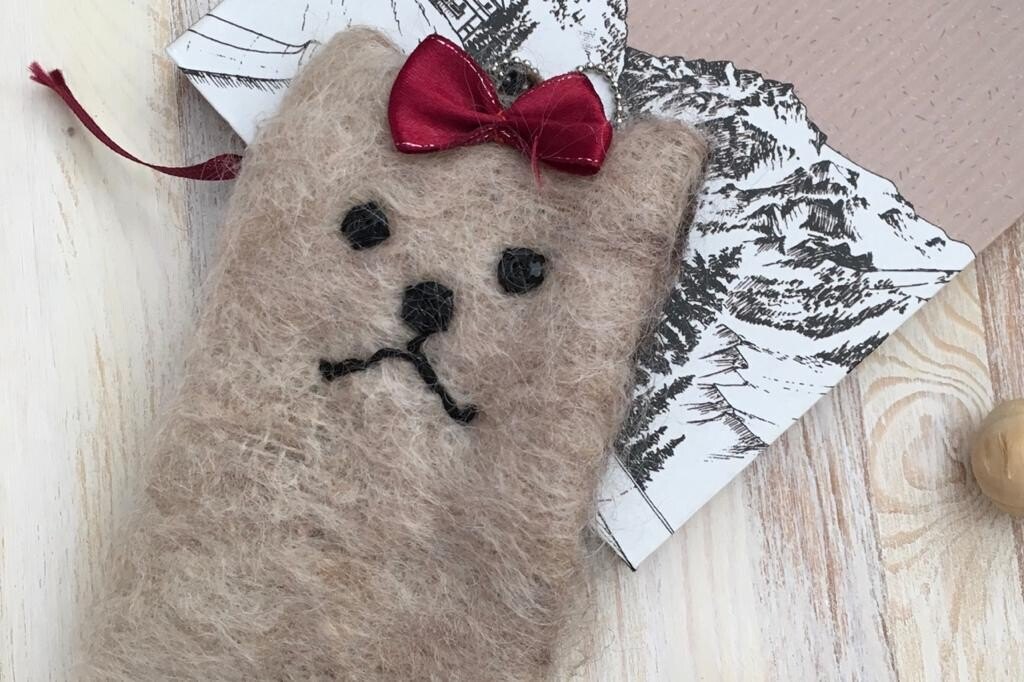
Why handmade toys are worth the time
Most people who want to make things with their hands never start. The materials look unfamiliar, the finished toys in photographs look impossibly neat, and somewhere in the back of your mind there is a voice saying that you were never the artistic one. So the wool stays in a drawer and the crochet hook stays in its packet.
The truth is that felted and crocheted toys are among the most forgiving crafts you can learn. Wool can be added, pulled back and reshaped. A crochet stitch can be undone in seconds. Nothing is ruined permanently, and nothing requires you to draw well or to have studied art before. What it requires is a little patience and someone showing you the order of the steps.
This course does exactly that. It starts with the very first touch of the wool and the very first loop of yarn, then walks you through small projects that grow in difficulty only when you are ready. You work at your own pace, pause whenever a step needs a second look, and come back to the same lesson as often as you like.
By the end you will have made toys you can keep, give away or place on a shelf with a quiet sense of pride. More than that, you will have a hobby you can return to on a rainy afternoon, and something calm and absorbing to do with your hands instead of a screen.
What you will be able to do
Each ability below is taught in the lessons and practised in a small project.
- Turn loose wool into a firm, even shape
Understand how fibres interlock and how much wool you actually need.
- Sculpt a simple animal from a ball of wool
Build a body, add a head, and keep the proportions believable.
- Shape faces, ears and tails that read clearly
The small details that make a toy look like an animal rather than a blob.
- Hold a crochet hook and work your first stitches
Chain, single crochet and the tension that keeps your fabric neat.
- Crochet a small toy in the round
Increase, decrease and close a shape without gaps or holes.
- Assemble and finish a toy properly
Join parts securely, tidy the surface and add eyes and features.
- Choose the right wool and yarn for a project
Read a label, compare fibres and avoid the materials that fight back.
- Plan a project from start to finish
Gather what you need, set aside realistic time and finish what you start.
- 24
- video lessons
- 6
- modules, from first steps to finishing
- 2
- techniques: felting and crochet
- 14
- day money-back guarantee
Two crafts that work well together
Felting and crochet look like different worlds, but they solve the same problem from two directions. Felting builds a shape by pressing and locking wool fibres together, so you can add a little here and take a little there until the form is right. Crochet builds a shape stitch by stitch, following a counted pattern that grows into a small three-dimensional object.
Learning both in one course is deliberate. Felting teaches your hands to feel the material and to judge proportion by eye. Crochet teaches structure, counting and patience with repetition. Students who struggle with one often find the other suddenly easy, and having both skills means you can choose the technique that suits the toy you want to make.
The course alternates between the two, so you are never doing the same motion for weeks on end. You finish a felted piece, then pick up the hook, then return to wool with a better eye.
- Start with wool, move to yarn, then combine both
- Small projects that fit into an evening
- No drawing skills required at any point
- Every step shown slowly and from close up
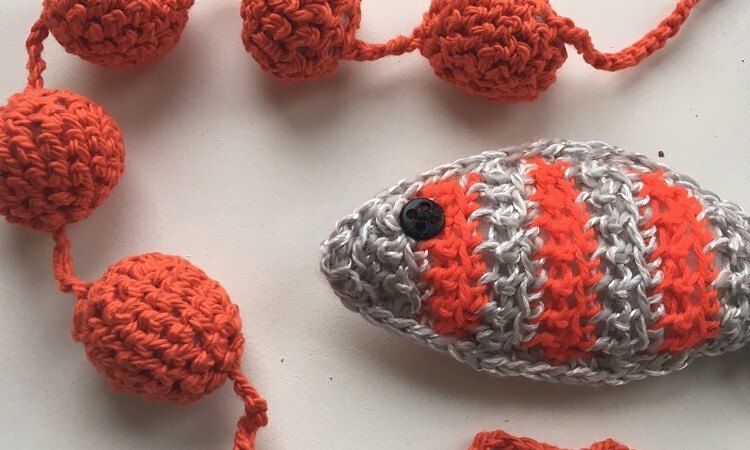
How the course works
The course is made of recorded video lessons, so there is no schedule to keep and no live class to miss. You open a lesson when you have time, watch the step, pause it, try it with your own hands, and rewind as often as you need. A step that takes someone ten minutes may take you half an hour the first time, and that is completely normal.
Lessons are short and focused on one action each: how to hold the needle, how to form the first loop, how to attach an ear so it stays on. Written notes sit alongside the videos with the materials for each project and the key points to remember, so you do not have to take your own notes with wool in your hands.
Children over six can usually follow the lessons on their own, while younger children do best with an adult nearby to help with the parts that need a little more strength or care. One purchase covers the household, so a parent and a child can work side by side on the same lesson, or an older sibling can guide a younger one.
The programme
Six modules take you from your first piece of wool to a finished, giftable toy.
1Module 1 — Before you make anythingMaterials, tools and a workspace you can set up in five minutes.4 lessons
- Which wools felt well and which ones refuse to
- Needles, mats and the small tools that matter
- Reading a yarn label: fibre, thickness and hook size
- Setting up a simple workspace and protecting your table
2Module 2 — Needle felting from the first jabHow loose wool becomes a firm, controllable shape.4 lessons
- Holding the needle safely and finding a rhythm
- Felting a flat disc and a solid ball
- Adding wool to a shape and correcting mistakes
- Judging firmness: when a piece is truly finished
3Module 3 — Sculpting a small animalBuilding a body, a head and features that read clearly.5 lessons
- Planning proportions before you add wool
- Building the body and joining the head
- Ears, paws and tails that stay attached
- Eyes, nose and the expression of a face
- Surface finishing: smoothing, trimming and tidying
4Module 4 — Crochet foundationsThe hook, the yarn and the first three stitches.4 lessons
- Holding hook and yarn comfortably
- The slip knot and the starting chain
- Single crochet, worked slowly and evenly
- Tension: why your fabric curls and how to fix it
5Module 5 — Crocheting a toy in the roundFrom a flat circle to a small three-dimensional body.4 lessons
- Working in a spiral and marking your rounds
- Increases and decreases without holes
- Shaping a head, a body and small fins or ears
- Stuffing evenly and closing the last round
6Module 6 — Finishing, assembling and keepingThe last details that separate homemade from handmade.3 lessons
- Sewing crochet parts on securely
- Combining felted and crocheted elements in one toy
- Cleaning, storing and repairing wool and yarn toys
What you get
Everything is delivered inside your account as soon as payment clears.
- 24 recorded video lessons
Close-up demonstrations of every technique, watchable in any order.
- Six structured modules
A clear path from complete beginner to a finished toy.
- Written notes for each project
Materials lists and key points to keep beside you while you work.
- A materials shopping guide
What to buy first, what can wait, and how to keep costs low.
- Lifetime access to the lessons
Return to any module whenever you start a new project.
- One purchase for the whole family
Parents, children and siblings can all learn from the same course.
- A 14-day money-back guarantee
Try the first modules and ask for a refund if the course is not for you.
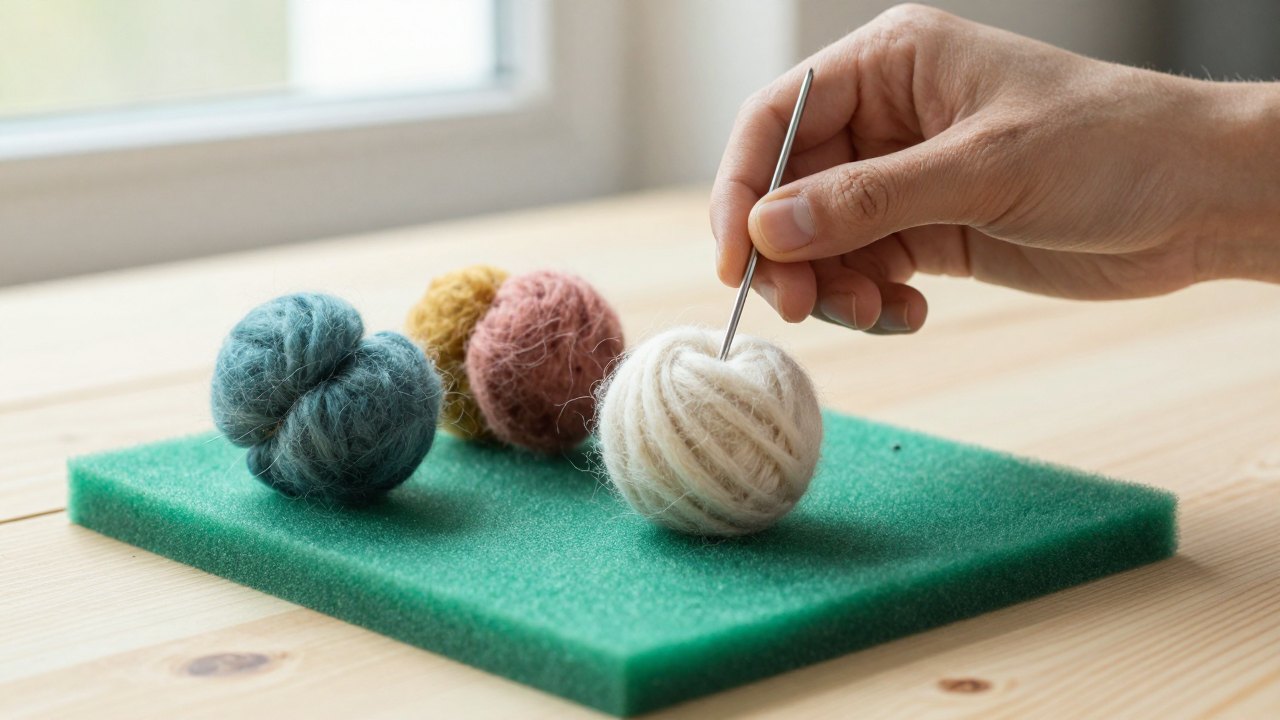
Is this course for you?
This course is for you if…
- Complete beginners who have never felted wool or held a crochet hook
- Parents who want a calm, screen-free activity to share with a child
- People who tried a craft before and gave up when it looked wrong
- Families who cannot commit to a weekly class at a fixed time
- Anyone looking for a slow, absorbing hobby that produces something real
Probably not a fit if…
- Experienced felters or crocheters looking for advanced pattern design
- People who want a live class with a teacher watching in real time
- Anyone hoping to build a business and sell toys at scale
- Crafters who dislike working with their hands for an hour at a time
After the course
A few weeks from now, you will have a small collection of toys that did not exist before. The first one may be a little uneven, and you will probably notice every imperfection because you made it. Everyone else will notice the ears, the face and the fact that you made it yourself.
You will also have a routine that fits into ordinary life. A rainy Sunday, a quiet hour after dinner, a child who needs something to do that is not a screen — you will know exactly which lesson to open and which materials to take out. The course stays in your account, so nothing has to be finished on a deadline.
Many students find that the confidence carries over. Once you have made one toy from a pile of wool, other crafts stop looking closed to you. You will know how to read a materials list, how to follow a demonstration, and how to keep going when the first attempt is not perfect.
Questions before you buy
How much time do I need each week?
Most students spend one to two hours a week, which is enough to complete a lesson and practise it. You can move faster or slower — there is no deadline, and the lessons stay in your account.
Do I need any experience?
No. The course starts from the very first touch of the wool and the very first loop of yarn. If you have never felted or crocheted before, you are exactly who this was written for.
What materials and tools do I need to start?
You will need felting wool, a felting needle and a foam mat, plus a crochet hook and a ball of yarn for the later modules. The first module includes a shopping guide that explains what to buy first and what can wait until you reach the relevant project.
How do I get access after payment?
Access is created automatically once your payment is confirmed. You receive an email with your account details, and the lessons appear in your personal area straight away, ready to watch in any order.
What format are the lessons in?
Every lesson is a recorded video with close-up demonstration, supported by short written notes and a materials list for the project. There are no live sessions, so nothing is scheduled at a fixed hour.
How long does the material stay available?
The lessons and notes remain in your account and are not removed after a set period. You can return to any module months later, when you start a new project or want to refresh a technique.
Can my child and I both use the course?
Yes. One purchase covers your household, so a parent, a child and siblings can all learn from the same lessons. Children over six can usually follow along alone; younger children do better with an adult nearby.
What is the refund policy?
You have 14 days from purchase to ask for a refund. If the course is not what you expected, write to support within that period and the payment is returned, no lengthy explanation required.
What if a step does not work out for me?
Rewatch the lesson and slow it down — most problems come from too little wool, uneven tension or a step done out of order. Both crafts are easy to correct: wool can be reshaped and crochet stitches can be undone.
Start with one small toy
Twenty-four lessons, two crafts and a finished piece you can hold in your hand. Take the first module this week and see how it feels.