Career · All levels
Host events with your own style and attract better clients
A two-month online programme that covers scripts, entertainment, personal brand, pricing and the business side of hosting, with homework on every topic.
- 45 practical lessons
- Homework on every topic
- Curator feedback
- Live sessions on each topic
- Ready-made scripts and documents
- 14-day money-back guarantee
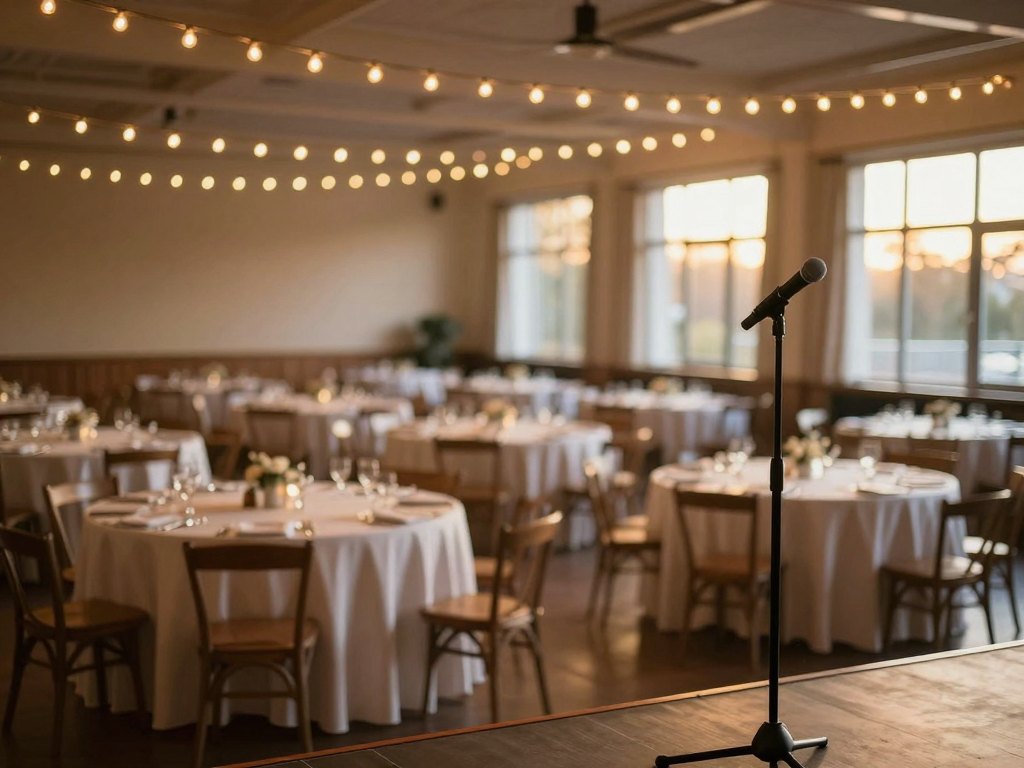
When hosting stops being fun
Many event hosts reach the same point. You have run enough weddings, anniversaries and corporate parties to be competent, yet every new event feels like a repeat of the last one. The scripts blur together, the clients haggle over the fee, and the energy you once brought to the microphone is harder to find.
The problem is rarely talent. Most hosts learn on the job, copying what worked once and improvising the rest. Nobody shows them how to design an event around a goal, how to read different audiences, how to build a personal brand, or how to talk about money with a client. Without these skills, a busy calendar can still feel like standing still.
This programme treats hosting as a craft with a method. You will learn to design events deliberately, to produce original entertainment, to present yourself clearly and to run your hosting work as a small business. If you are only thinking about starting, a separate opening module gives you the foundations of the profession first.
The format is practical from the first week. Every topic comes with an assignment, and every assignment gets feedback, so you leave with finished work and not just notes.
What you will be able to do
- Plan an event around its goal
You will define objectives first, then choose the structure, timing and format that serve them.
- Read different types of audience
You will recognise what captures and what loses each group, and adjust your programme to match.
- Build a storyline for any occasion
You will use the laws of composition to turn a theme into a coherent script.
- Invent your own games and contests
You will use idea-generation techniques instead of relying on borrowed material.
- Improve your speech and stage presence
You will work on clarity, rhythm, body language and memory.
- Define a personal brand and style
You will identify what makes you distinctive and choose channels to show it.
- Prepare promo materials and a portfolio
You will put together content for social media and websites that clients can trust.
- Price and present your services
You will analyse competitors and package your offer with confidence.
- Handle clients, contractors and paperwork
You will run first conversations, coordinate with the sound engineer and prepare contracts.
- 45
- practical lessons
- 2 months
- of guided work
- 4
- sets of ready-made event scripts
- 4
- bonus materials packs
Learning by designing, not by listening
The central idea of the programme is that an event is a designed experience. Guests should feel something specific, such as warmth, surprise or a sense of belonging, and the host is the person who plans how that happens. This is what the course means by emotion design.
In practice you will work through the same cycle several times: understand the audience, set the goal, build the storyline, create the entertainment, then test it against a real brief. Brainstorming exercises for teams help you develop content together with other participants, and the creative-thinking method taught in the lessons gives you a repeatable way to find ideas when inspiration is missing.
How the course works
The programme is delivered online and is designed to be completed in about two months. You move through the modules in order, watching the practical lessons, doing the homework for each topic and sending it for review. Curators check your assignments and give feedback, so you know what to correct before the next step.
Each topic is also supported by a live broadcast in which the course lead reviews results and suggests adjustments to your actions. A private chat for participants lets you ask questions and exchange experience with other hosts. The programme closes with a practical exam on a real project, which gives you a finished piece of work for your portfolio.
You can study in the evenings or at weekends. Plan a few hours a week for lessons and assignments, and a little more in weeks when you build a script or presentation.
The programme
Eight blocks cover the whole path from the basics of the profession to contracts and taxes.
1Module 1 — Foundations of the professionFor newcomers and for anyone who wants to review the basics.4 lessons
- What an event host actually does
- Formats and types of events
- Structure, timing and the features of each format
- How to overcome the fear of public speaking
2Module 2 — Audiences and conscious scriptwritingUnderstand who is in the room and design the event for them.4 lessons
- Types of audience
- Perception triggers for different audiences
- Setting the goals and objectives of each event
- Storylines and the laws of composition
3Module 3 — Ready-made scripts and practiceWorked examples with storylines and entertainment, then your own concepts.6 lessons
- Weddings: storylines and examples of entertainment
- Anniversaries: storylines and examples of entertainment
- Corporate events: storylines and examples of entertainment
- Graduations: storylines and examples of entertainment
- Developing a storyline theme with the creative-thinking method
- Turning your concepts into client presentations
4Module 4 — Entertainment and host skillsCreate original games and sharpen your delivery.6 lessons
- Triggers of the creative process
- Forms of games and contests, with ready interactive examples
- How to invent a game or contest: an idea-generation technique
- Speech: clarity, rhythm and content
- Non-verbal communication with guests
- Memory and how to train it
5Module 5 — Personal brand and promotionDecide how you want to be seen and show it consistently.5 lessons
- Unpacking your personality and identifying the parts of your brand
- Building a personal brand and choosing channels
- Finding your personal style through archetypes
- What to include in promo materials for social media and websites
- Preparing promo content for publication
6Module 6 — Pricing and finding clientsPrice your work sensibly and put your portfolio where clients look.6 lessons
- Pricing by event type and the factors that affect cost
- Analysing your competitors
- Setting and packaging the price of your services
- Where to publish your portfolio: aggregator sites and social networks
- Free channels for attracting clients
- Additional income tools for hosts
7Module 7 — Clients and contractorsTurn enquiries into bookings and run the event day smoothly.5 lessons
- Building the first conversation and turning an enquiry into an order
- What to prepare for a client meeting and what information to collect
- Working with the sound engineer: who is responsible for what
- Coordinating with other contractors on site
- Professional ethics that shape your image
8Module 8 — Legal and financial basicsSet up your activity properly and get paid without confusion.4 lessons
- Legal registration of your activity
- Contracts with clients: samples of agreements, acts and deposits
- Taxation, amounts and payment methods
- Services that help you receive and make payments

What you get
- 45 practical video lessons
Organised into clear modules from the basics to finance.
- Homework on every topic
Assignments that turn each lesson into practice.
- Curator feedback
Your assignments are reviewed and returned with comments.
- Live sessions on each topic
Results are reviewed and corrections are suggested.
- Team brainstorming sessions
Group work on developing event content.
- A practical exam on a real project
A finished concept you can show to clients.
- Bonus lessons
A lesson on building persuasive presentations in PowerPoint and a short course on running a social media profile.
- Scripts, videos and sample documents
Material for weddings, graduations and corporate events, plus client questionnaires, timings and presentations.
- Lecture notes for your workbook
Summaries of the live sessions.
- Access to the participants' chat
Ongoing contact with other hosts.
Is this course for you?
This course is for you if…
- You already host events and feel your work has become repetitive or tiring
- You want fewer but better clients and a clearer way to present your services
- You have hosted a few events and want a solid method for scripts and entertainment
- You are thinking of starting out and need the basics of the profession
- You want to build a personal brand and a professional portfolio
Probably not a fit if…
- You want a one-to-one coaching programme with individual sessions
- You are looking for a quick shortcut that does not involve doing assignments
- You need a course on technical sound or lighting equipment
- You are not planning to work with live audiences
After the course
By the end of the programme you will have a clear idea of how you work and why. You will be able to take a brief, set the goal of an event and build a storyline with entertainment that fits it, rather than assembling familiar pieces and hoping they work.
You will also have your own presentation materials, a portfolio plan, a considered price list and a set of documents ready to send to clients. Your first conversations with a customer will follow a structure you have practised.
Most of all, you should feel more confident in front of an audience and in front of a client, with a style that is recognisably yours. The material stays available, so you can return to the scripts, templates and lessons whenever you prepare a new event.
Questions before you buy
How much time do I need each week?
Plan a few hours a week for watching lessons and completing the homework. The programme is built to be completed in about two months, and you can spend more time in weeks when you prepare a script or presentation.
Do I need experience to join?
No. A separate opening module covers the basics of the profession, including event formats, structure and overcoming stage fright. Experienced hosts can skip it and go straight to the other modules.
How does access work after payment?
After your payment is confirmed you receive access to the learning platform, where lessons, assignments and materials are available straight away.
What is the refund policy?
You can request a full refund within 14 days of purchase if the course is not what you expected.
What format are the lessons in?
They are recorded video lessons with practical assignments, supported by live sessions on each topic, curator feedback and a participants' chat.
Will the material stay available?
Yes. You can return to the lessons, scripts and documents whenever you need them.
Is there support if I get stuck?
Yes. Curators review your homework and give feedback, and you can ask questions in the participants' chat.
Which types of events does the course cover?
The ready-made scripts and examples cover weddings, anniversaries, corporate events and graduations, and the method can be applied to other formats.
Start designing better events
Join the programme and build your scripts, your style and your client process step by step.