Career · Beginner
Learn to build, understand and fly a quadcopter from scratch
A structured 48-hour online programme that takes you step by step from the basics of unmanned aviation to confident piloting for real tasks.
- 5 modules
- 48 hours of study
- Learn on computer or phone
- Study at your own pace
- 14-day refund policy
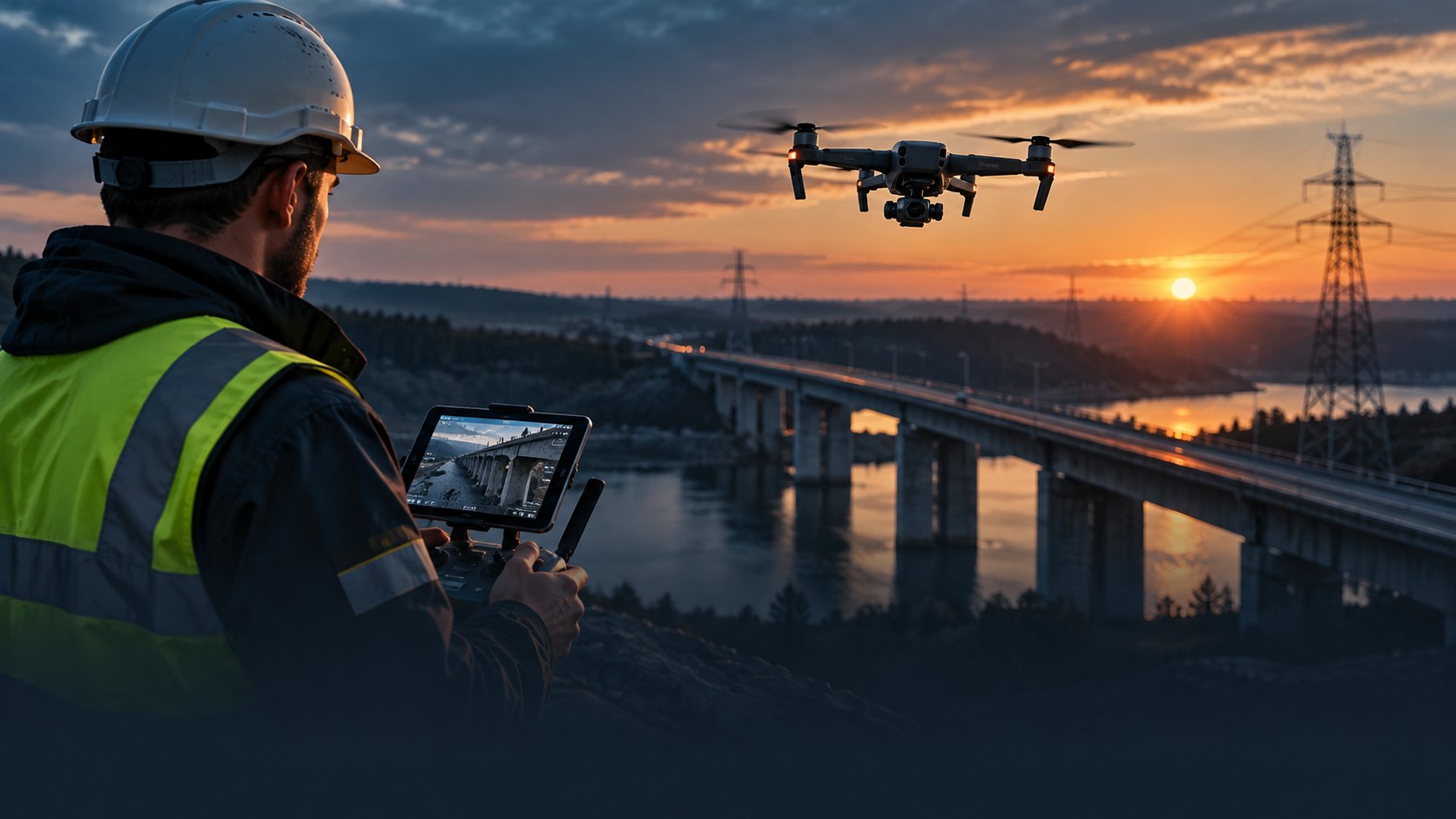
A new profession starts with understanding the machine
Drones have moved far beyond a hobby. They now inspect bridges and power lines, survey fields, map construction sites, support rescue teams and film sport and advertising. Behind each of these jobs is a person who understands how the aircraft works and can fly it calmly and precisely.
If you are new to the field, getting started can feel confusing. Terms such as flight controller, telemetry, ESC or radio link are scattered across forums and videos, and it is hard to tell what really matters and in which order to learn it. Practising without a plan often ends with a damaged aircraft and lost motivation.
This programme gives you the order. It begins with the fundamentals of unmanned aviation, moves through the design of a quadcopter and the way it is controlled, and then turns to the practical tasks pilots are hired to perform. Each module builds on the previous one, so you always know why you are learning something.
The programme suits complete beginners, students and people who want to change profession or add a valuable skill to the one they already have. You do not need prior experience with aircraft or electronics.
What you will be able to do
- Explain how a quadcopter flies
Understand lift, thrust, stabilisation and the role of each major component.
- Identify and describe every key component
Frame, motors, propellers, speed controllers, flight controller, battery and radio equipment.
- Prepare an aircraft for flight
Run a pre-flight check, assess batteries and conditions, and avoid the most common causes of accidents.
- Control a drone with confidence
Use the basic manoeuvres and flight modes with a clear idea of what the aircraft is doing.
- Plan a flight for a specific task
Choose a route, altitude and settings for inspection, survey or filming work.
- Recognise the main rules of airspace use
Know what restrictions apply and why safety planning comes before take-off.
- Describe the main areas where pilots work
Infrastructure inspection, agriculture, emergency response, surveying and filming.
- Choose your next step
Decide which direction to specialise in and what to practise next.
- 5
- modules
- 48 h
- of study
- 24/7
- online access to materials
- 2
- devices: computer and phone
From the basics to real tasks, in a sensible order
The programme follows one simple idea: you fly better when you understand what is happening inside the aircraft. So theory and practical thinking go together. Each topic is explained, then tied to a situation a working pilot would meet.
Along the way you look at the different applications of drones, from checking a field to surveying a construction site, so you can see where your new skills lead and which direction attracts you most.
- Learn the logic of the aircraft before the controls
- Connect every topic to a real working situation
- Finish each module with a clear self-check
- Move from simple to complex without gaps
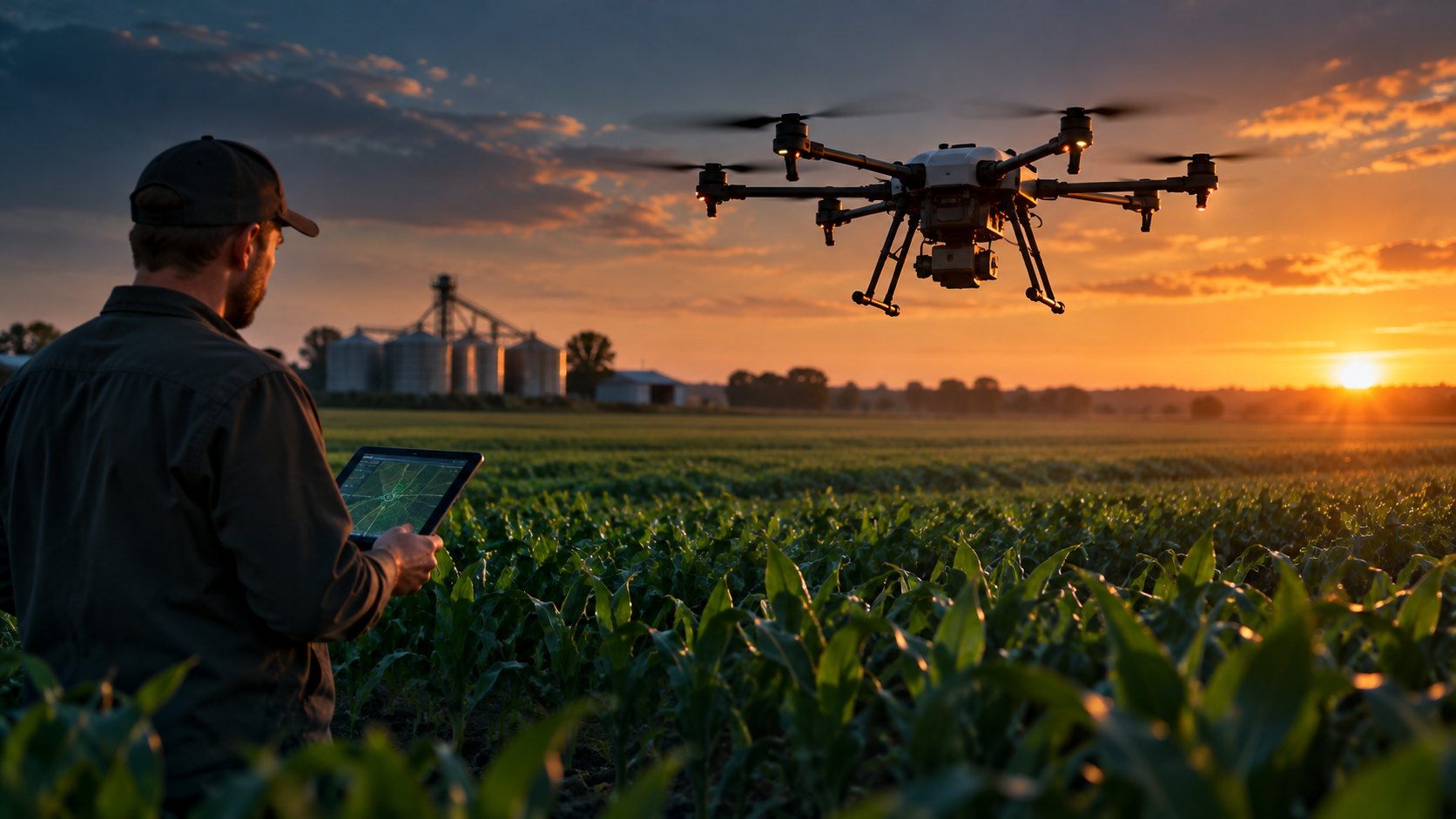
How the course works
The lessons are delivered online through your personal account. After payment you receive access and can study from a computer or a mobile device, in the city and at the time that suits you. An internet connection is the only requirement for the online materials.
There are no fixed class times. You can study in short evening sessions or in longer weekend blocks. The programme is about 48 hours in total, so a few hours per week would let you finish in a couple of months, while a more intensive schedule shortens that considerably.
Some practical assignments may require extra equipment, such as a simulator or a radio controller. The programme explains what is needed for each task so you can prepare in advance. The extent of practice and feedback depends on the plan you choose when ordering.
The programme
Five modules take you from the foundations of unmanned aviation to practical applications.
1Module 1 — Introduction to unmanned aviationThe field, its vocabulary and the types of aircraft.4 lessons
- What unmanned aircraft are and where they are used
- Types of aircraft: multirotor, fixed-wing and hybrid
- Key terms every pilot must know
- Professions and tasks in the industry
2Module 2 — How a quadcopter is builtEvery major component and what it does.5 lessons
- Frame, motors and propellers
- Speed controllers and power distribution
- Flight controller and sensors
- Batteries: types, care and safe handling
- Radio link, receiver and video transmission
3Module 3 — Control equipment and flight modesHow commands reach the aircraft and how it responds.4 lessons
- The radio controller and its main functions
- Flight modes and when to use each
- Calibration and basic setup
- Failsafe and what to do when the link is lost
4Module 4 — Piloting practiceSafe preparation and basic manoeuvres.5 lessons
- Pre-flight inspection checklist
- Take-off, hover and landing
- Basic manoeuvres and smooth control
- Reading weather and the environment
- Typical mistakes and how to correct them
5Module 5 — Applying your skillsPlanning flights for real tasks.4 lessons
- Inspection of structures and infrastructure
- Agricultural monitoring and field survey
- Aerial photography and video for filming
- Planning a flight and reviewing the results
What you get
- Five structured modules
A clear path from fundamentals to practical tasks.
- About 48 hours of learning material
Lessons and assignments organised in a logical order.
- Access around the clock
Study on a computer or phone whenever it suits you.
- Practical assignments
Tasks that help you apply what you learned to realistic situations.
- Progress checks
Self-assessment after each stage so you know what to revisit.
- A reference you can return to
Revisit any lesson in your account before you fly or when a question comes up.
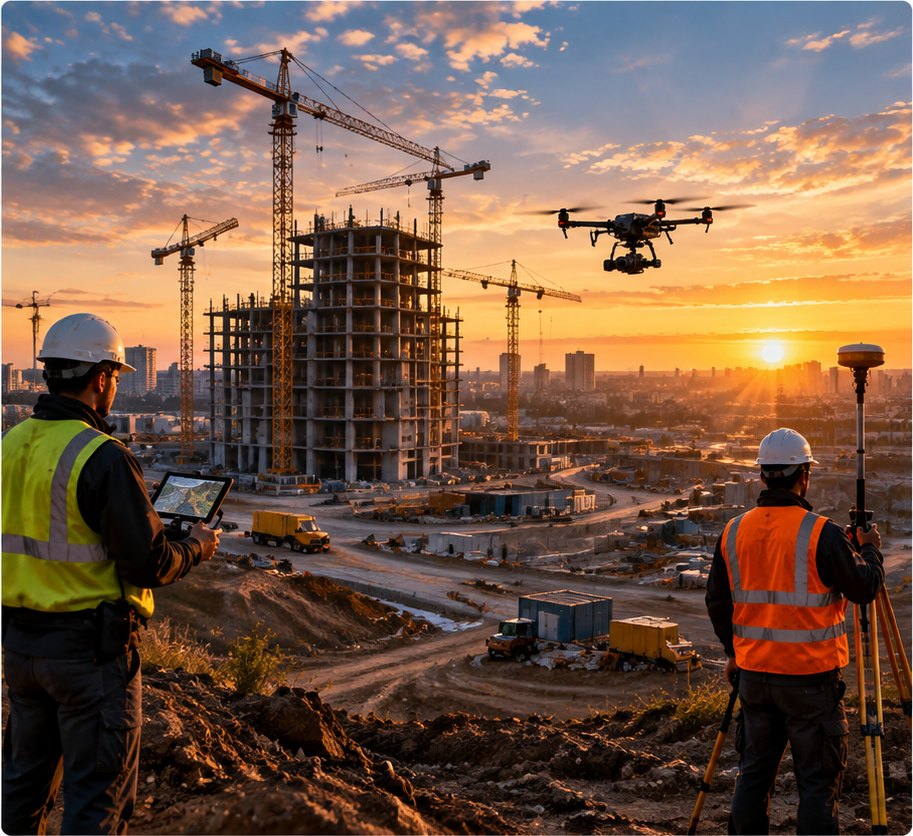
Is this course for you?
This course is for you if…
- You are new to drones and want a clear, structured start
- You are a student or career changer exploring work in unmanned aviation
- You already work in surveying, agriculture, construction or media and want to add aerial skills
- You prefer learning online at your own pace
- You want to understand the equipment, not only press the sticks
Probably not a fit if…
- You are looking for hands-on, in-person flight training at a venue
- You want a quick shortcut with guaranteed job results
- You are an experienced professional pilot looking for advanced instructor-level material
After the course
When you finish, you will be able to look at any quadcopter and explain how it works, what each part does and how to prepare it for a safe flight. Terms that used to be confusing will be familiar.
You will know how to plan a flight for a specific purpose, whether that is inspecting a structure, looking over a field or capturing footage, and what to check before take-off.
Most importantly, you will have a clear picture of the directions open to you and a practical plan for what to train next, whether that is more flight time, specialised equipment or a particular industry.
Questions before you buy
How much time do I need each week?
The programme is about 48 hours in total. Three to five hours a week is a comfortable pace, and you can go faster or slower because there are no fixed class times.
Do I need any experience or prerequisites?
No. The course starts from the basics and is designed for complete beginners. For some practical assignments you may want a simulator or a radio controller, and the lessons explain what is needed.
How does access work after payment?
After payment you receive access to your personal account, where all lessons and materials are available online. Your access period depends on the plan you choose and is shown when you order.
Can I study from my phone?
Yes. The materials work on both computers and mobile devices, so you can follow lessons anywhere you have an internet connection.
What format are the lessons in?
Self-paced online lessons with supporting materials and practical assignments. You can pause, rewatch and continue whenever you like.
Will the material stay available?
Yes. The lessons stay in your account for your access period, around the clock, so you can return to any topic before a flight or when you need a refresher.
What if the course is not right for me?
You can request a refund within 14 days of purchase. Our 14-day refund policy lets you try the lessons without risk.
Is the course only about flying?
No. Piloting is one part. You also learn how the aircraft is built, how it is controlled and how flights are planned for different tasks.
Start learning to fly this week
Open your first lesson today and build the foundation for working with drones.