Creative · All levels
Paint doll faces that look alive, one clear step at a time
Video lessons on painting the face of a ball-jointed or art doll, from the first layer of shading to the final details.
- Step-by-step video lessons
- For beginners and experienced painters
- Ball-jointed and art dolls
- Learn at your own pace
- 14-day refund policy
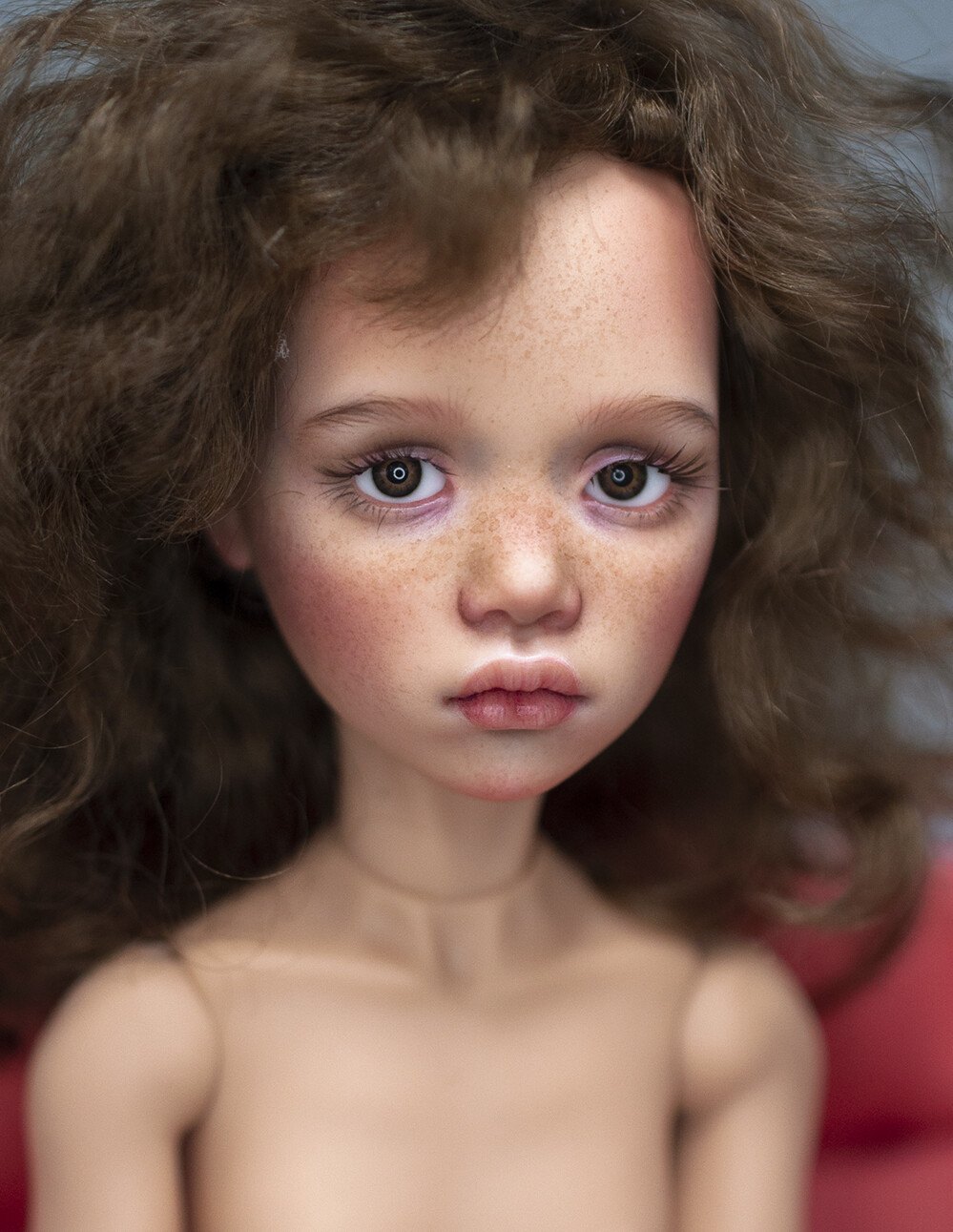
Why a painted doll face is so hard to get right
A doll's face is small, and every brushstroke shows. A brow that sits a millimetre too high, a blush that is too heavy or a lip line that is slightly uneven can change the whole expression. Many people who love dolls start painting by trial and error and spend months wondering why their results never look quite like the dolls they admire.
The problem is rarely a lack of talent. Painting on a doll is different from painting on paper or canvas. The surface is three-dimensional, the materials behave differently, and the face has to look natural from several angles at once. Without a clear order of work, it is easy to over-paint, lose the sculpt's character and end up starting again.
This course gives you that order of work. It was created by an artist who has painted dolls professionally for many years, and it breaks the process into calm, logical stages. You see what to do, in what sequence, and why each layer matters.
It is built for people who have never painted a doll as well as for those who already paint but feel stuck. If you are new, the lessons explain each step in detail. If you have experience, you can pick up new approaches and refine the habits that hold your work back.
What you will be able to do
- Prepare a doll head for painting
Set up your workspace and tools and get the surface ready so the first layers go on cleanly.
- Read the structure of a doll face
Understand where light, shadow and warmth naturally fall, and use this to plan your painting.
- Build soft, natural shading and blush
Layer colour gradually so the face has depth without looking heavy.
- Paint eyes and eye areas with care
Shape the eyelids, define the lash lines and create a gaze that feels alive.
- Colour and define the lips
Create believable lips with subtle variation and highlights.
- Draw brows in several ways
Plan shape and direction, and build brows that suit the character of the doll.
- Add details such as freckles and fine texture
Bring in small touches that give each doll its own personality.
- Check and correct your own work
Spot asymmetry and balance problems, and fix mistakes without starting over.
- Develop your own painting style
Move from copying steps to making confident artistic decisions.
- 6
- modules
- 20
- video lessons
- 2
- doll types covered: ball-jointed and art dolls
Thin layers, patient building
The core idea running through the lessons is simple: a lifelike face is built from many thin, soft layers rather than a few strong ones. Each layer adds a little depth, and you stay in control of the result.
Working this way makes mistakes easy to correct, keeps the doll's sculpted features visible and gives skin tones the gentle transitions that make a face feel natural. The lessons show the method on real dolls so you can see how the face changes with every stage.
- Plan the face before the first stroke
- Build colour gradually instead of all at once
- Keep the sculpt's character visible
- Pause and review at each stage
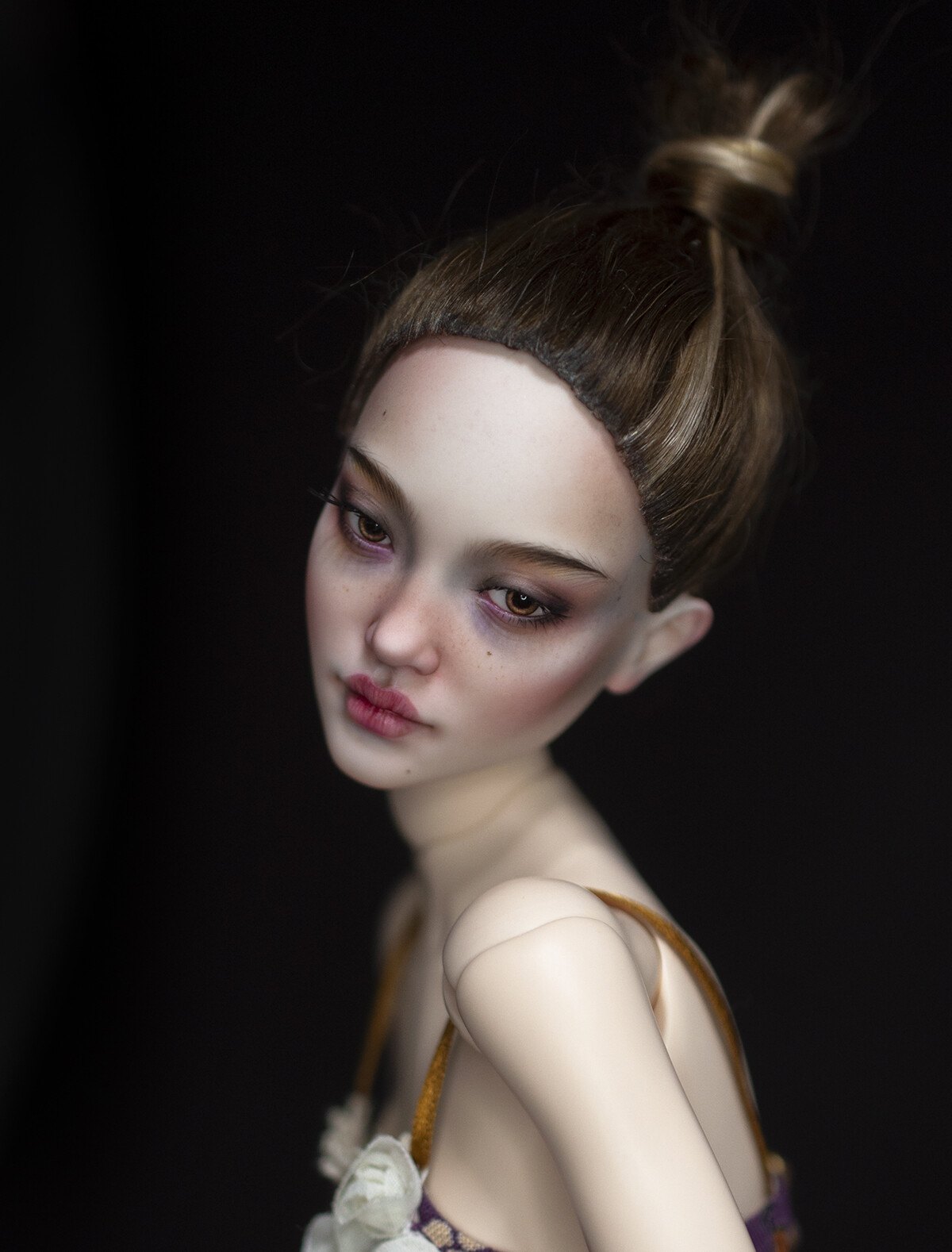
How the course works
The course is a set of recorded video lessons arranged in modules, from preparation to finishing touches. You can watch a lesson, pause, go to your desk, paint along and return when you are ready for the next step. There is no live schedule to keep up with.
Each lesson focuses on one stage of the painting, so you always know what you are practising. The material is presented in detail and in sequence, which is helpful if you have never painted a doll before. If you already paint, you can move through the earlier modules quickly and spend more time on the eyes, brows and details.
You can work on a doll of your own, whether it is a ball-jointed doll or an art doll. Many learners like to practise on a spare head or a test piece first, then apply the method to a doll they care about.
The programme
Six modules take you from preparing your workspace to a finished, balanced face.
1Module 1 — FoundationsGet set up and understand what you are painting on.3 lessons
- Setting up your workspace and tools
- How colour and light behave on a doll face
- Preparing the surface before you paint
2Module 2 — Face structure and base tonesMap the face and build the first soft layers.4 lessons
- Mapping the face: eyes, nose, mouth and cheeks
- Building soft base shading
- Adding blush and natural warmth
- Creating depth around the eye sockets
3Module 3 — Eyes and lipsGive the doll its expression.4 lessons
- Shaping eyelid and eye-area shadows
- Painting upper and lower lashes
- Colouring and defining the lips
- Adding subtle highlights for a lifelike look
4Module 4 — BrowsPlan and paint brows that fit the face.3 lessons
- Planning brow shape and direction
- Drawing brows with fine, hair-like strokes
- Softening and correcting brows
5Module 5 — Details and characterAdd the touches that make each doll unique.3 lessons
- Freckles, moles and skin texture
- Stylised and artistic colour ideas
- Fine details that give a doll personality
6Module 6 — Review and growthCheck your work and move toward your own style.3 lessons
- Checking symmetry and balance
- Correcting mistakes without starting over
- Finding and developing your own style
What you get
- Recorded video lessons
Six modules of step-by-step painting demonstrations.
- A clear order of work
A repeatable process you can use on any doll.
- Techniques for different looks
Approaches from natural and realistic to more stylised faces.
- Learn at your own pace
Pause, rewind and repeat any lesson as often as you like.
- Lasting access
The lessons stay available so you can return whenever you start a new doll.
- Refund option
A 14-day refund policy if the course turns out not to suit you.
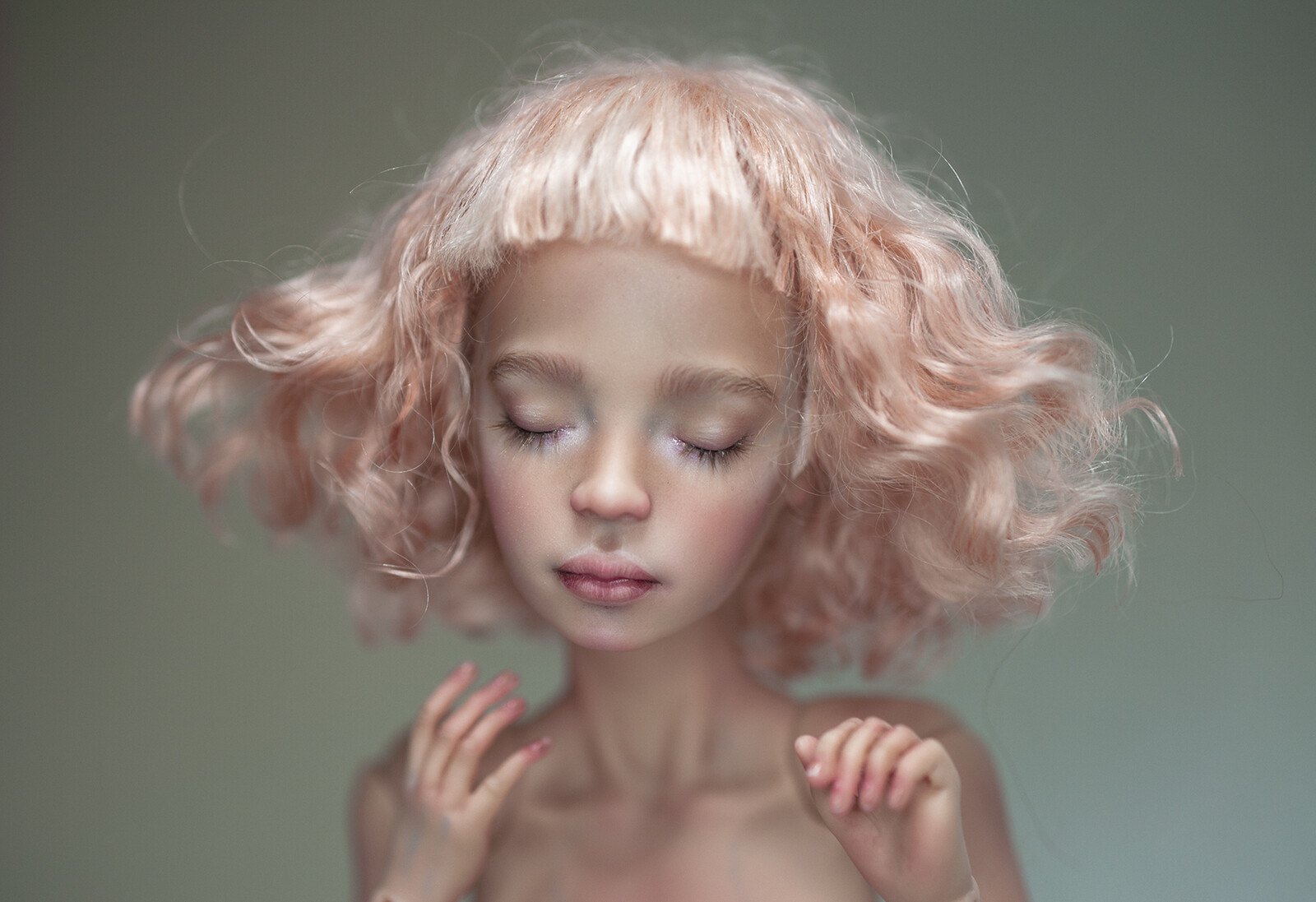
Is this course for you?
This course is for you if…
- You have never painted a doll face and want a patient, detailed start
- You already paint dolls and want to improve your technique and learn new approaches
- You make ball-jointed or art dolls and want to paint them yourself
- You collect dolls and want to understand how a painted face is created
- You enjoy detailed, small-scale art and want a new medium
Probably not a fit if…
- You want a quick fix with no practice
- You are looking for live one-to-one feedback on your own doll
- You need a course on sculpting or casting dolls rather than painting them
- You only want a lesson on a single specialised topic, such as male faces or full-body painting
After the course
By the end of the programme you will know how to approach a blank doll face with a plan. You will be able to prepare the surface, build shading and blush in thin layers, paint eyes, lips and brows, and add small details that give a doll its own personality.
You will also be able to look critically at your own work: to spot what is slightly off, understand why, and correct it. That skill matters as much as any single technique, because it lets you keep improving without outside help.
Whether you paint for yourself, for friends or for fellow collectors, you will have a method you trust and a set of lessons to return to whenever you start a new project.
Questions before you buy
How much time do I need each week?
There is no fixed schedule. Many learners set aside a few hours a week to watch a lesson and paint along, but you can go faster or slower depending on your routine.
Do I need any painting experience?
No. The material is presented in detail and in stages, so beginners can follow it. If you already paint dolls, you can use the course to refine your skills and learn new approaches.
How does access work after I pay?
After payment you receive access to the course and can start watching right away. You can study whenever it suits you, from any device with an internet connection.
What is your refund policy?
You can request a refund within 14 days of purchase if the course is not what you expected.
What format are the lessons in?
The lessons are recorded video demonstrations, organised into modules. You can pause and replay any step as often as you need.
Will the material stay available?
Yes. The lessons stay available so you can come back to them whenever you start a new doll or want to refresh a technique.
Which types of dolls does the course cover?
The lessons cover painting the faces of ball-jointed dolls and artist dolls, from natural looks to more stylised ones.
Do I need to buy special materials before starting?
The first module covers your workspace and tools, so you can see what is used and why before deciding what to prepare for your own doll.
Start painting your first doll face
Watch the lessons at your own pace and build a method you can use on every doll.