Education · All levels
Train a dog who listens because it understands you
A step-by-step video course on contact, recall and walking on a loose leash, built on how dogs actually learn.
- 5 modules, 18 video lessons
- Humane, reward-based methods
- Works for puppies and adults
- Learn at your own pace
- 14-day money-back guarantee
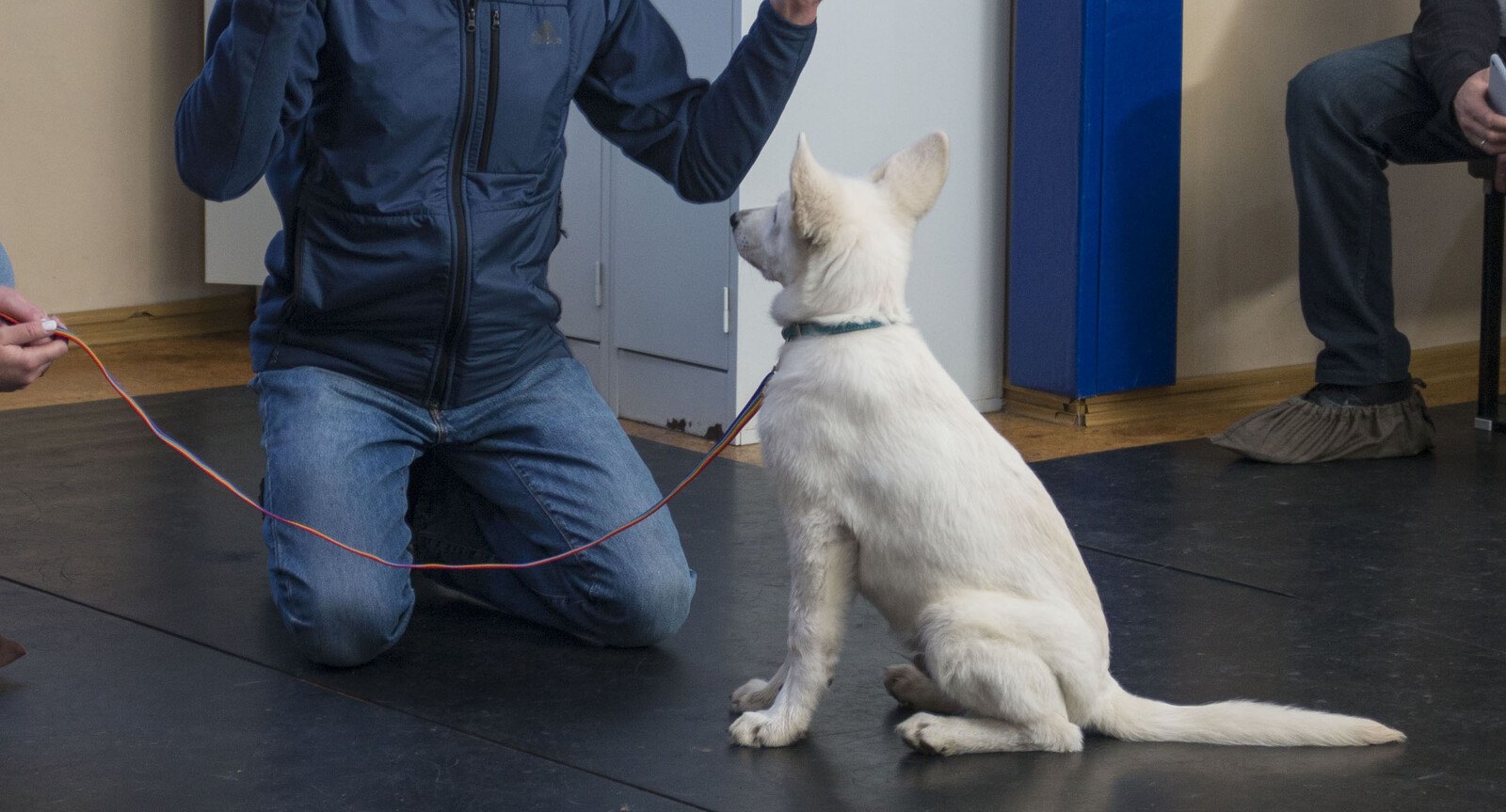
Your dog can do much more than lie on the sofa
Most dog owners start out with the same picture in mind: a relaxed walk, a dog who checks in with you, and a call that actually brings it back. In reality, many of us spend our walks being pulled along like a sled, repeating a name that nobody seems to hear, and watching our dog sniff every corner of the park before it deigns to return.
The problem is rarely stubbornness. Dogs are not trying to win an argument with you. They simply do what has worked for them so far, and nobody has shown them in a clear way what you would like instead. Shouting, tugging and repeating commands tend to make things worse, because they teach the dog that your voice is background noise.
This course takes a different route. Training goes easily when you understand how your dog thinks, so the lessons begin with how dogs learn, how they read us, and why a command alone is not enough. From there you build contact, then recall, then walking beside you, one small step at a time.
The approach is modern and humane. There are no tricks of intimidation and no equipment that hurts. You will learn to make the behaviour you want the most rewarding choice your dog can make, in the real places where you actually live and walk.
What you will be able to do
By the end of the programme you will have a clear plan and the skills to carry it out.
- Explain how your dog learns
Understand reward, repetition and timing well enough to teach almost anything.
- Help your dog learn to read you
See how your body language, voice and movement are interpreted by your dog.
- Build reliable contact on walks
Get your dog to check in with you without being asked, even when it is excited.
- Teach a recall that works
Make your dog come when you call, not after everything around has been sniffed.
- Walk without being pulled
Teach your dog to move beside you instead of pulling as if it were in a harness for a sled.
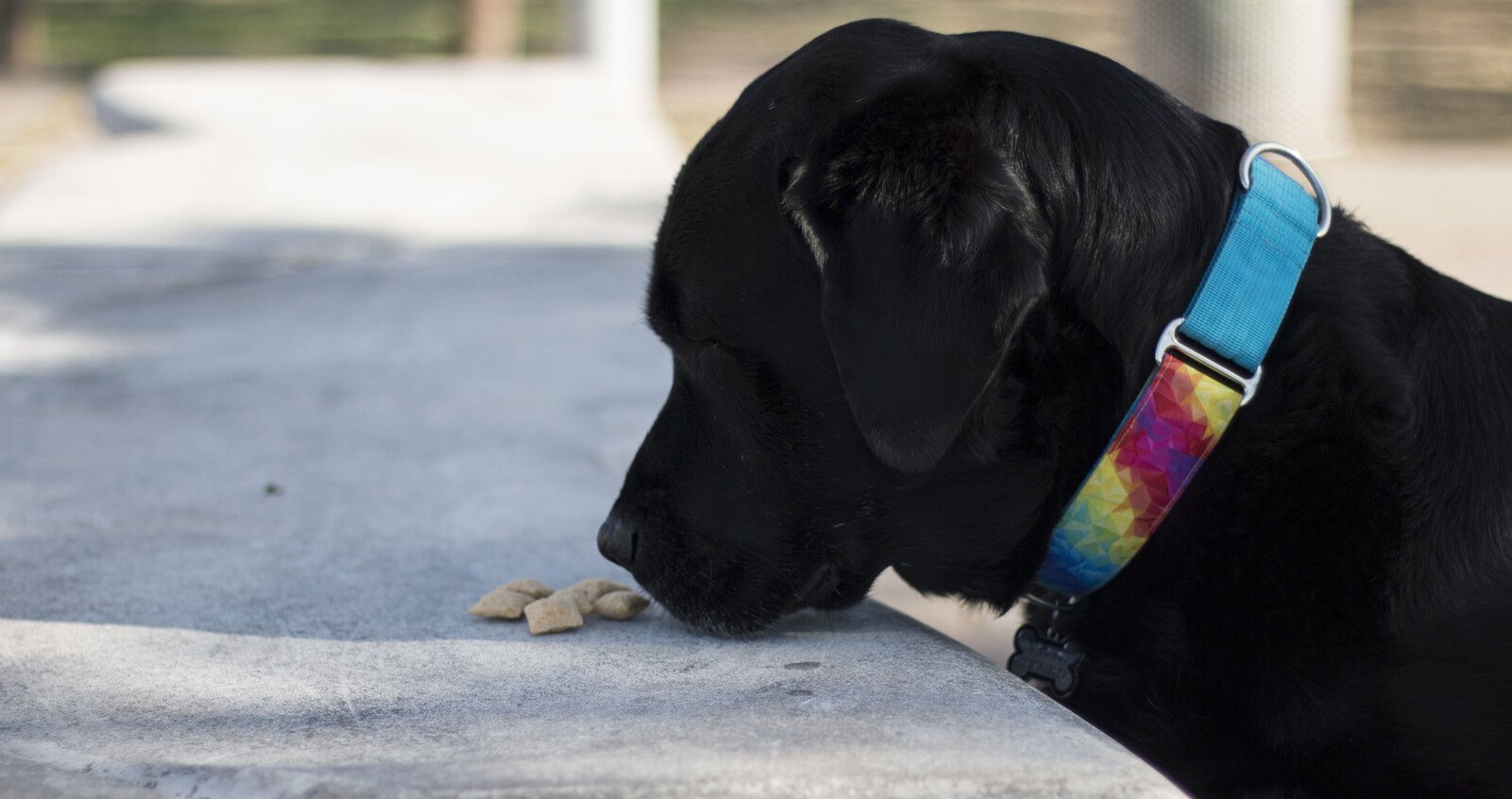
- Choose rewards that motivate
Match food, toys and play to your dog's personality and to the situation.
- Raise the difficulty gradually
Add distance, distractions and duration without losing the behaviour.
- Fix common mistakes yourself
Spot what went wrong in a session and adjust your next step.
- Practise short sessions every day
Build a simple routine that fits into a normal working week.
- 5
- modules
- 18
- video lessons
- 14 days
- money-back guarantee
Start with understanding, not with commands
The central idea of the course is simple: a dog who understands what is being asked, and why it is worth doing, will work with you willingly. A dog who is only managed with corrections will work only as long as the pressure lasts.
Each module therefore begins with a short explanation of the principle behind the skill and ends with practical exercises you can run in your living room, in the yard or on a quiet street. You see the exercise demonstrated, you try it with your own dog, and you adjust it to your dog's age, temperament and level of excitement.
- See the reason behind each exercise
- Practise in short, easy sessions
- Increase difficulty only when your dog is ready
- Keep training positive for both of you
How the course works
The course is made of recorded video lessons that you can watch whenever it suits you. You can go through a module over a weekend or spread it across several weeks. Nothing expires, so you can pause when life gets busy and return to the lesson you need, for example before taking a new puppy out for the first time.
Every lesson is short and focused on one skill. The videos show the exercise step by step, explain what to look for in your dog's behaviour, and point out the typical mistakes. We recommend watching a lesson once, then practising with your dog for a few days before moving on. Training results come from many short repetitions rather than from one long session.
The modules build on each other, so it is best to follow the order, especially if you are new to training. If you already have some experience, you can use the programme as a library and jump to the module that matches the problem you are facing now, whether that is a dog who ignores your call or one who drags you down the road.
The programme
Five modules take you from understanding your dog to using the skills in everyday life.
1Module 1 — How your dog learnsThe principles that make every later exercise easier.3 lessons
- How dogs learn and what they learn about you
- Rewards, timing and marking the right moment
- Choosing food, toys and play as motivation
2Module 2 — Contact between you and your dogMake yourself the most interesting thing on the walk.4 lessons
- What contact is and why it comes first
- Teaching your dog to look at you by choice
- Keeping attention around mild distractions
- Common mistakes that weaken contact
3Module 3 — Coming when calledA recall that works when it matters.4 lessons
- Why dogs ignore the call and how to change it
- Teaching the recall indoors and in the yard
- Adding distance and a first level of distraction
- Making coming back better than staying away
4Module 4 — Walking beside youReplace pulling with relaxed walking.4 lessons
- Why dogs pull and what keeps it going
- Teaching the position beside you
- Turns, stops and changes of pace
- Practising on real streets with real distractions
5Module 5 — Using the skills in daily lifeTurn exercises into habits.3 lessons
- Planning short daily sessions
- Proofing behaviours in new places
- Troubleshooting when progress stalls
What you get
- 18 recorded video lessons
Clear demonstrations of every exercise, with explanations of what to watch for.
- A logical five-module path
Each skill builds on the previous one so you always know the next step.
- Practical exercises for every lesson
Short tasks you can run at home and on walks.
- Access on any device
Watch on your phone, tablet or computer, at home or at the park.
- Learn at your own pace
No deadlines and no schedule to keep up with.
- Lessons that stay available
Return to any video whenever your dog reaches a new stage.

Is this course for you?
This course is for you if…
- Owners of puppies or adult dogs who want a calm, cooperative companion
- People whose dog pulls on the leash or ignores the recall
- Anyone who prefers humane, reward-based training to punishment
- Beginners who want a clear order of steps rather than scattered tips
- Owners who can spare a few minutes a day to practise
Probably not a fit if…
- People looking for a quick fix with no daily practice
- Owners who want to use choke chains, shock collars or other pain-based tools
- Anyone whose dog has serious behavioural problems that need hands-on, in-person help
- Professional trainers looking for advanced competition material
After the course
After finishing the programme you will walk with a dog who looks back at you instead of pulling ahead. You will know how to ask for attention, how to call your dog away from something interesting, and how to reward it so that it wants to come again next time.
Just as important, you will understand why each step works. When a new situation appears, such as a visiting child, a new route or a busy cafe terrace, you will be able to plan the training yourself instead of searching for another quick tip.
Walks will become something you both look forward to, and the bond that grows from clear communication will show up in many small moments at home as well.
Questions before you buy
How much time do I need each week?
Plan for about two to three hours a week in total: watching a lesson or two, then a few short practice sessions of five to ten minutes each day. You can go slower or faster, as there are no deadlines.
Do I need any experience with dog training?
No. The course starts from the basics and explains every term. If you already have some experience, you can skip ahead to the modules you need.
Is the course suitable for puppies and adult dogs?
Yes. The exercises are described in a way that works for dogs of different ages, and the lessons explain how to adjust the pace for a very young or an older dog.
How does access work after payment?
After your payment is confirmed you receive access to the course in your account. You can start watching immediately, on any device with an internet connection.
What format are the lessons in?
The lessons are recorded video, with practical exercises to try with your dog after each one. You watch them on demand, whenever it suits you.
Does the material stay available?
Yes. Once you have bought the course, the lessons stay available in your account so you can return to them whenever you need a refresher.
What is the refund policy?
You can ask for a full refund within 14 days of purchase if the course is not what you expected.
What equipment will I need?
A regular collar or harness, a leash, and small treats or a favourite toy. The lessons explain how to choose rewards that suit your dog.
Will this solve serious aggression or fear?
The course teaches foundation skills for everyday life. It is not a replacement for in-person help if your dog has severe behavioural problems.
Start training with your dog this week
Order the course, watch the first lesson today and try the first exercise on your next walk.