Education · All levels
Breed dogs with knowledge, planning and a clear method
A structured online programme that takes you from the basics of breeding work to genetics, animal behaviour and thoughtful litter planning.
- Recorded video lessons
- Practical tests and written tasks
- Library of specialist reading
- Questions answered in lesson comments
- 14-day refund policy
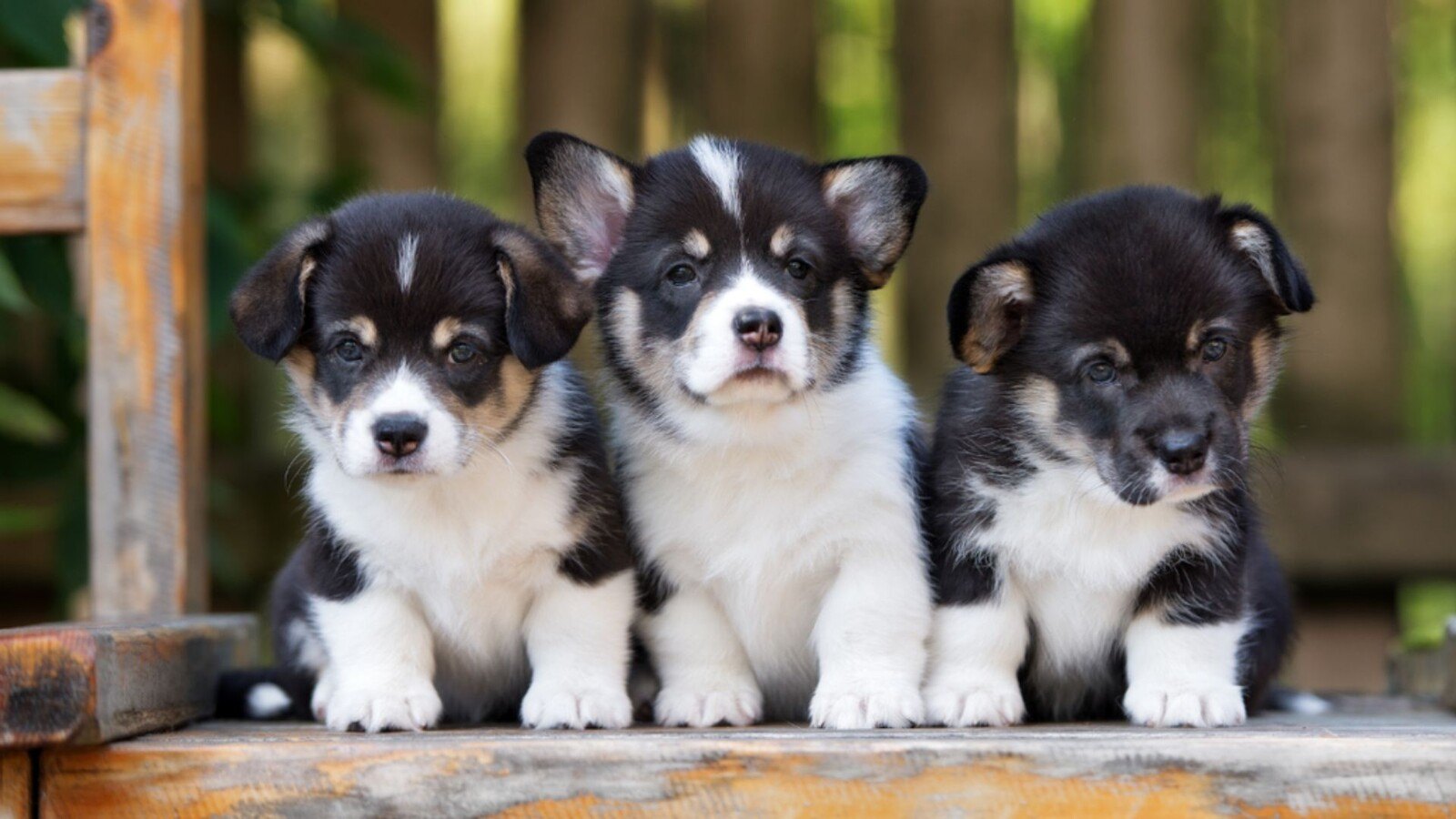
Why good breeding takes more than love of dogs
Many people come to breeding because they love a particular breed. They buy a dog, enjoy it, and one day decide to have a litter. Then the questions start: which dog is the right match, what does the breed standard actually ask for, and why do some pairings produce puppies that are better than their parents while others do not?
Answers found in forums and chat groups often contradict each other. Advice is handed down as tradition, with little explanation of why it works. It is hard to tell solid knowledge from habit, especially when you are making decisions that will shape the lives of animals and the families who take them home.
This programme brings the subject into one clear system. It combines the practical side of breeding work with the science behind it, genetics, and with the study of how dogs think and behave. The two together are what turn a hobby into a considered practice.
The lessons are recorded, so you can study when it suits you and return to difficult topics as often as you need. Each stage ends with practical tasks, so you test your understanding before moving on.
What you will be able to do
- Explain the logic of organised breeding work
You will understand how planning, records and selection fit together over several generations.
- Read a breed standard critically
You will learn to separate the essential features of a breed from fashion and personal taste.
- Apply the basics of genetics to real pairings
You will use inheritance principles to think through what a combination of two dogs may produce.
- Interpret pedigrees with purpose
You will look beyond famous names and see patterns of relationship and selection.
- Recognise canine behaviour and temperament
You will understand what drives behaviour and how temperament is shaped by inheritance and environment.
- Plan a litter step by step
You will work from the choice of pairing to the organisation of the early weeks.
- Raise puppies with sound socialisation habits
You will learn what young dogs need in order to grow into steady, confident adults.
- Talk to buyers and fellow breeders with confidence
You will be able to explain your decisions in clear, professional terms.
- 6
- modules
- 23
- video lessons
- 3
- areas covered: breeding, genetics, psychology
- 1
- reading library for students
Learning by doing: tests and written tasks at every stage
Watching lectures is only half of learning. At each stage of the programme you complete practical tasks, such as tests and short written papers on set topics. They push you to put ideas into your own words and to check that you have really understood them.
Your results decide whether you move on to the next stage. This keeps the pace honest and makes sure the foundations are solid before the harder material arrives. If something is unclear, you can ask your teacher in the comments under the lesson.
- Tests that check the key ideas of each stage
- Written papers on assigned topics
- Questions answered in the lesson comments
- Progress to the next stage based on your results

How the course works
The programme is delivered online, so you can study from anywhere. The video lessons are recorded in advance and can be watched as many times as you like. This is helpful when a topic such as genetics deserves a second or third viewing.
The updated programme opens for enrolment with a new group starting in autumn 2026. You work through the stages in order, completing the tasks that go with each one. A suggested rhythm of a few hours a week is enough for most people, but you can go faster or slower depending on your schedule.
Alongside the lessons you have access to a library of specialist literature for students, so you can read around any subject that catches your interest. When you have a question, you ask it in the comments to the lesson and your teacher replies.
The programme
Six modules move from the foundations of breeding work to genetics, behaviour and the practical planning of a litter.
1Module 1 — Foundations of breeding workWhat breeding is, how it is organised and how to think about it as a long-term project.4 lessons
- What organised breeding work means
- Setting goals for a breeding programme
- Keeping records and documents in order
- Responsibilities of a breeder
2Module 2 — Breeds and the breed standardHow to read a standard and evaluate a dog against it.4 lessons
- Origins and groups of dog breeds
- Reading a breed standard line by line
- Structure and proportions of the dog
- Common faults and how to recognise them
3Module 3 — Genetics for breedersThe principles of inheritance explained through breeding examples.4 lessons
- Genes, chromosomes and inheritance basics
- Dominant and recessive traits
- Coat colour and other visible characteristics
- Inbreeding, linebreeding and outcrossing
4Module 4 — Animal psychologyHow dogs perceive the world and why they behave as they do.4 lessons
- Senses and perception in dogs
- Instincts, learning and behaviour
- Temperament types and how they are inherited
- Reading stress and body language
5Module 5 — Planning pairingsTurning knowledge into a considered choice of breeding pair.4 lessons
- Analysing a pedigree
- Matching strengths and weaknesses of two dogs
- Choosing the sire and the dam
- Documenting the planned pairing
6Module 6 — Raising puppies and working with buyersEarly development, socialisation and responsible placement of puppies.3 lessons
- Stages of early puppy development
- Socialisation and first experiences
- Talking with buyers and placing puppies responsibly
What you get
- Recorded video lessons
Watch them on your own schedule as many times as you like.
- Practical tests and written tasks
Each stage includes exercises that check your understanding.
- A library of specialist literature
Further reading available to students for deeper study.
- Teacher answers in lesson comments
Ask questions right where you have them.
- A clear, staged learning system
Each module builds on the one before it.
- Access from anywhere
All lessons are online, so you can study wherever you are.

Is this course for you?
This course is for you if…
- You own a dog and are considering your first litter
- You already breed dogs and want a firmer theoretical base
- You are fascinated by genetics and canine behaviour and want to study them systematically
- You want to understand breeds and breed standards more deeply
- You enjoy structured study with tasks and feedback
Probably not a fit if…
- You are looking for hands-on, in-person training sessions with a dog
- You want a quick tip sheet rather than a full programme
- You are seeking veterinary or medical instruction
- You expect a particular result in earnings from breeding
After the course
When you finish, you look at a litter plan very differently. Instead of relying on a hunch or on what other people do, you can explain why you chose a particular pairing, what you expect from it and what you will do if the result is different.
You can read a pedigree for patterns, discuss a standard with confidence and describe a dog's temperament in clear terms. You also have a framework for the early weeks of a puppy's life and for conversations with the families who will take your puppies home.
Because the lessons stay available to you, the programme also becomes a reference you can come back to whenever a new question appears.
Questions before you buy
How much time do I need each week?
The lessons are self-paced, so it is up to you. Most students find that three to four hours a week lets them move steadily through the modules and complete the tasks.
Do I need any experience?
No formal background is needed. The programme suits both beginners and people who already keep or breed dogs, and each topic is explained from the basics.
How does access work after payment?
Once your payment is confirmed, you receive access to the programme online and can begin working through the lessons straight away.
What is the refund policy?
You can request a refund within 14 days of purchase. If the course is not what you expected, contact us during that time and we will return your payment.
What format are the lessons in?
They are pre-recorded video lessons, supported by practical tests, written tasks and a library of reading for students.
Can I ask questions during the course?
Yes. You can post questions in the comments under each lesson and your teacher will answer them.
Will the material stay available?
Yes. The lessons remain available to you after you finish, so you can return to any topic whenever you need.
Is the course about veterinary care?
No. It focuses on breeding practice, genetics and animal psychology, and it does not teach diagnosis or treatment of illness.
Start building your breeding knowledge
Join the programme and work through the lessons at your own pace.