Music · Beginner
Learn to mix tracks and play a confident DJ set
A two-month online programme with 20 lessons, homework and detailed feedback on your mix, taking you from first transitions to a structured set.
- 20 video lessons with homework
- Detailed review of your mix
- Practical calls with curators
- Help choosing and learning gear
- 14-day refund policy
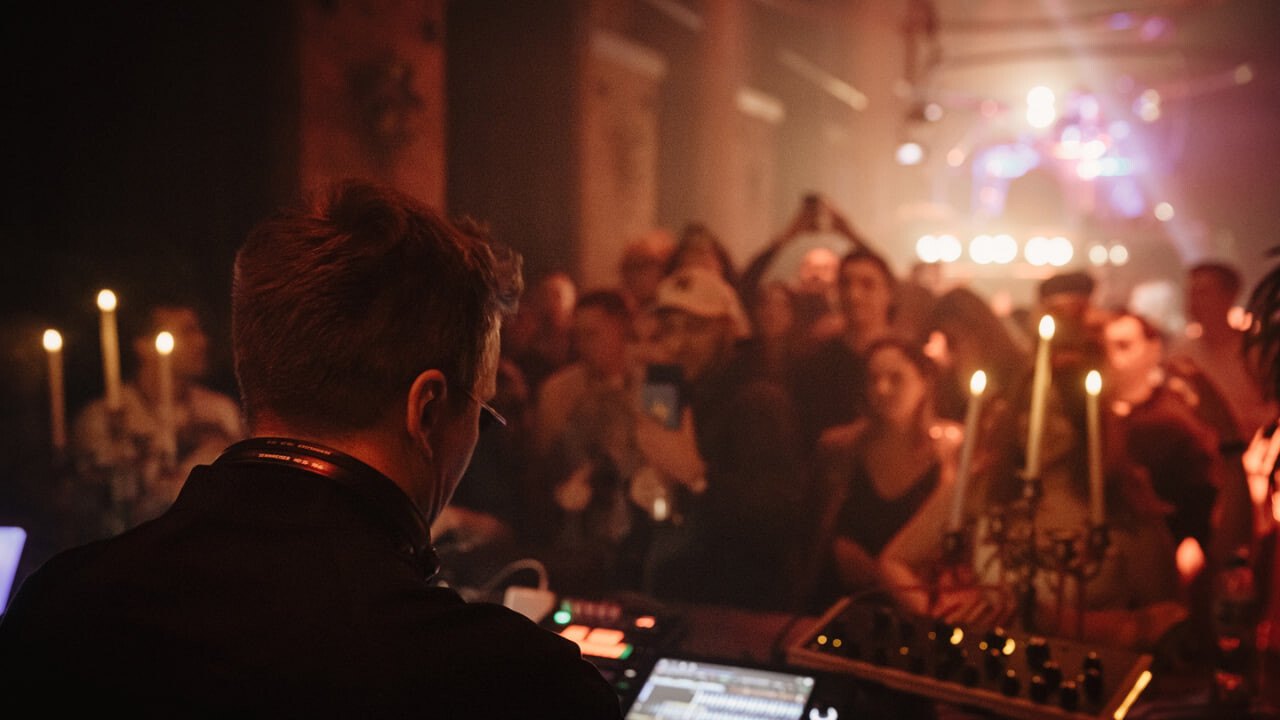
Why playing records is easier to start than to master
Many people begin DJing the same way: they download an app, line up two tracks and manage to blend them for a minute or two. It feels good, and then it stops. The transitions sound uneven, the set has no direction, and it is hard to tell why one track works after another and a different one does not.
The gap is rarely about talent. It comes from missing foundations: how to hear the structure of a track, how to count phrases, how to use the equipment properly, and how to think about a whole evening rather than a single transition. Learning these things from scattered videos is slow, because nobody checks your work and nothing is in order.
This programme puts the foundations in a clear sequence. Over two months you work through 20 lessons, each with a homework task, so that every new skill is practised before the next one is added. You hear what is wrong with your own mixes and you learn how to fix it.
The course is built for people starting from zero or from a few casual attempts. You do not need to own a full setup on day one; the lessons also help you decide what equipment is worth buying and what can wait.
What you will be able to do
- Mix two tracks smoothly by ear
Match tempo and phrasing so the transition sounds intentional rather than lucky.
- Read the structure of a track
Recognise intros, breaks, drops and outros so you know where to start and end a blend.
- Operate a DJ controller and software
Use the main controls, effects and library tools with confidence.
- Organise your music library
Sort, tag and prepare tracks so you can find the right one in the moment.
- Use cue points and loops
Prepare tracks and use hot cues to make transitions faster and more creative.
- Build a set with a clear arc
Plan the opening, the build-up and the peak instead of playing tracks at random.
- Mix on more than two channels
Move beyond the basic two-deck blend once the fundamentals are solid.
- Record a mix you are happy to share
Work through your mistakes with feedback until the result sounds clean.
- Understand how a dancefloor reacts
Apply simple principles of crowd psychology when choosing what to play next.
- 2 months
- of guided learning
- 20
- lessons with homework
- 6
- modules from basics to a full set
- 1
- live online meeting with an expert
Learn by doing, then hear what to fix
Every lesson ends with a practical task. You record your own attempt, send it in and receive a detailed review of the mix. The comments are specific: where the beats drift, which transition felt rushed, what a different track choice would have done.
This loop of practising, listening back and correcting is the core of the method. It is how your ear develops, and it is much faster than watching tutorials and hoping the skill transfers.
- Short homework after each lesson
- Detailed written and audio feedback on your mix
- Practical calls with curators to work through problem areas
- A thematic chat to ask questions between lessons
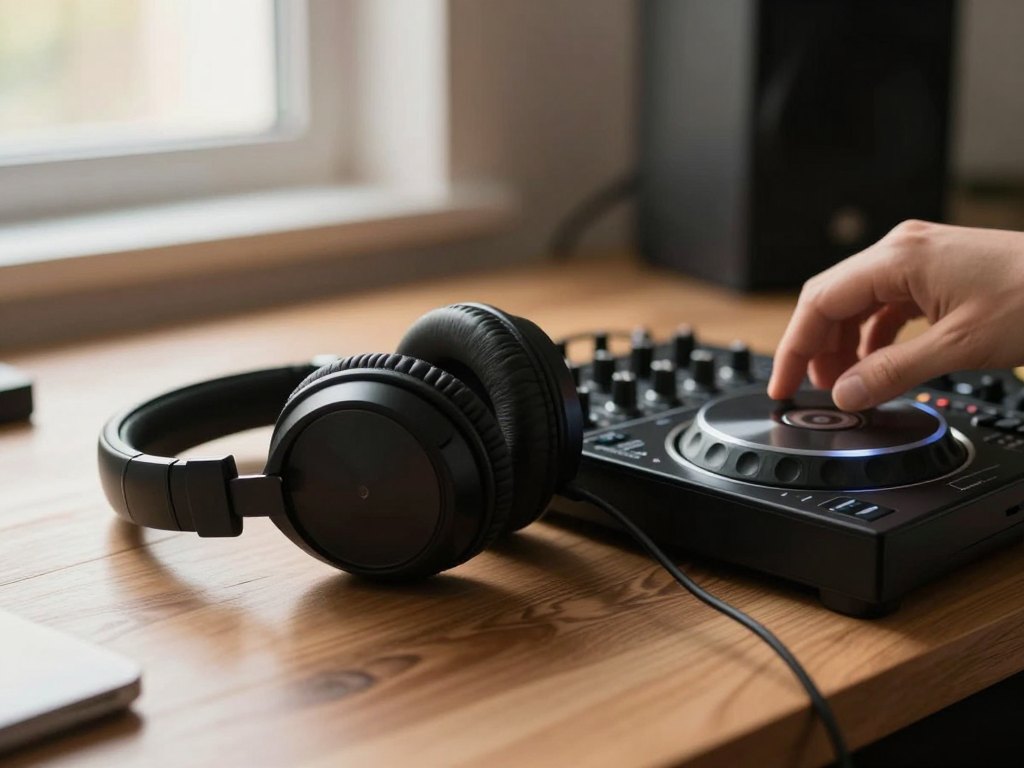
How the course works
The programme runs online over two months. You study the 20 video lessons at times that suit you, and you set your own weekly rhythm within the overall schedule. Each lesson comes with homework instructions, and the tasks build on each other, so it helps to keep a steady pace instead of leaving everything to the last week.
Alongside the lessons you get practical group calls with curators, where you can show what you are working on and ask about technique. There is also a live online meeting with an experienced DJ, and a thematic chat for questions about music, settings and equipment.
You also receive help getting to know your gear. Whether you play on a controller, a mixer or a laptop alone, the lessons explain what each control does and why, so the hardware stops feeling like a barrier. Bonus lessons extend the main programme with additional material.
The programme
Six modules, 20 lessons. Each lesson is followed by a practical task.
1Module 1 — The foundations of DJingThe ideas and vocabulary every DJ builds on.3 lessons
- What a DJ actually does and how the craft developed
- Tempo, beats, bars and phrases explained
- Training your ear to hear the structure of a track
2Module 2 — Your equipment and softwareGet comfortable with the tools you will play on.4 lessons
- Controllers, mixers and decks: how they fit together
- Setting up your software and audio output
- Channels, EQ and gain: the controls that shape every mix
- Choosing a first setup without overspending
3Module 3 — Your first clean transitionsMove from rough blends to smooth ones.4 lessons
- Beatmatching by ear and checking it by eye
- Blending with the volume fader and EQ
- Common timing errors and how to correct them
- Recording your first practice mix
4Module 4 — Music library and preparationPrepare your tracks so the set runs smoothly.3 lessons
- Sorting and tagging a music library
- Setting cue points and hot cues
- Using loops and effects with purpose
5Module 5 — Building a setThink in terms of a whole performance.3 lessons
- Choosing tracks that belong together
- Shaping the opening, build-up and peak of a set
- Reading the dancefloor and adjusting on the fly
6Module 6 — Polishing your mixReview, refine and finish.3 lessons
- Working with more than two channels
- Reviewing your recorded mix and correcting mistakes
- Presenting your mix and planning the next steps
What you get
- 20 video lessons
Structured in six modules from the basics to a finished mix.
- Homework for every lesson
Practical tasks that turn each idea into a skill.
- Detailed mix review
Specific comments on your recorded work.
- Practical calls with curators
Live sessions to work through technique and questions.
- An online meeting with an expert
A chance to ask a working DJ about the craft.
- Help learning your equipment
Guidance on settings, controls and what to buy first.
- A thematic chat
A place to ask questions and share progress with other learners.
- Bonus lessons
Extra material that extends the main programme.
Is this course for you?
This course is for you if…
- You are a complete beginner who wants to learn DJing in a clear order
- You have tried mixing a few tracks and want to understand why it sounds uneven
- You want feedback on your own mixes, not only video tutorials
- You prefer to study online at your own pace and in your own time
- You want to learn on a controller and software before investing in a larger setup
Probably not a fit if…
- You are looking for one-to-one coaching with a personal mentor
- You want a quick shortcut and are not ready to practise between lessons
- You are an experienced club DJ looking for advanced performance techniques
- You expect the course to guarantee bookings or income
After the course
By the end of the two months you can play two or more tracks together so that the transition sounds deliberate. You know how your equipment works, you have a library you can navigate quickly and you have recorded a mix that has been reviewed and improved.
You also have a way of thinking about a set. Instead of choosing the next track at random, you consider energy, key and timing, and you watch how the room responds. That habit matters more than any single technique, because it keeps improving as you play more.
From here you can keep practising on your own, record more mixes and decide which direction interests you most, whether that is a particular genre, a different kind of equipment or more advanced performance skills.
Questions before you buy
How much time do I need each week?
The programme runs for two months with 20 lessons, so plan for a few hours a week: time to watch the lessons, practise on your equipment and record your homework. More practice always helps, but there is no need to study every day.
Do I need any experience?
No. The course starts from the basics and builds step by step. If you have already tried mixing a few tracks, you will simply move through the early lessons faster.
Do I need to own DJ equipment?
It helps to have something to practise on, since each lesson has a practical task. The lessons also explain how to choose a sensible first setup, so you can make that decision with more confidence.
How does access work after I pay?
Once your payment is confirmed you receive an email with instructions for signing in to the learning platform. From there you can open the lessons, homework and chat.
What format are the lessons?
The core of the course is recorded video lessons with homework instructions. They are supported by practical group calls with curators, a live online meeting with an expert and a thematic chat.
Will I get feedback on my work?
Yes. The programme includes a detailed review of your mix, and the practical calls are a place to discuss your technique and ask questions.
Does the material stay available?
Yes. The lessons and materials stay available in your account so you can return to them whenever you want to review a technique.
What is the refund policy?
You can request a refund within 14 days of purchase. If the course is not what you expected, contact us in that period and we will take care of it.
Can I study from my phone?
You can watch lessons on any device with a browser, but practising and recording your homework requires your DJ equipment and a computer.
Start playing with purpose
Join the programme, work through the 20 lessons and hear your own mixes improve week by week.