Cooking · Beginner
Make craft meat and fish products at home, from scratch
Step-by-step video lessons with exact weights and temperatures, from simple semi-finished products to cured delicacies and sausages.
- Step-by-step video lessons
- PDF recipes
- Exact weights and temperatures
- Lifetime access
- 14-day refund
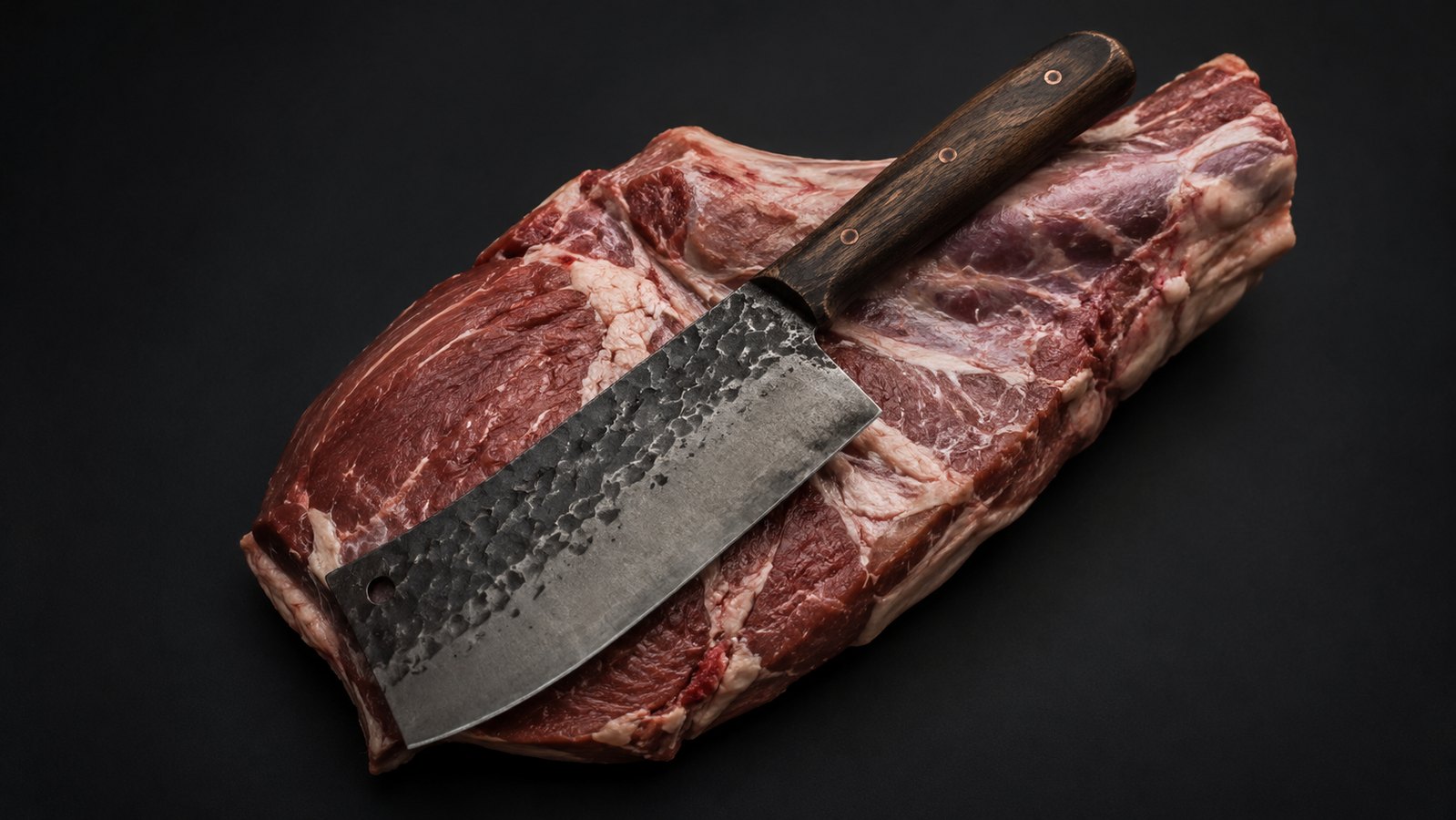
Why shop-bought meat products leave you wanting more
Take a look at the label on a typical sausage or ready-made cutlet. Water, fillers, flavour enhancers and a long list of additives often sit next to the meat itself. Many people would like to know exactly what goes into the food on their table, but making it at home feels like a craft reserved for professionals with smokehouses and industrial grinders.
Most free recipes do not help much. They say "add salt to taste" or "cook until ready", leave out the temperatures, and skip the reasons things go wrong. A batch that fails costs time and good ingredients, and after one or two bad results it is easy to give up.
This course takes a different approach. It starts from zero and assumes only a normal home kitchen. Every lesson is built around precise quantities and temperatures, so you can repeat a result instead of hoping for it. There is no filler, just the steps in the order you will do them.
You progress through the full cycle of the craft: first simple semi-finished products, then cured and cooked delicacies, then sausages, and finally the practical side of turning a skill into a small line of products you can share or sell.
What you will be able to do
- Choose and prepare meat and fish with confidence
Know what to buy, how to trim it and how to store it safely.
- Work from exact weights and temperatures
Follow recipes that give the same result every time you make them.
- Make craft semi-finished products
Cutlets, filled products and marinated cuts that freeze and cook well.
- Cure, cook and smoke whole-muscle delicacies
Use simple brines and salting methods that work in a home kitchen.
- Produce your own sausages
Grind, season, fill and cook them with predictable texture and flavour.
- Prepare craft fish products
Salt and smoke fish and turn it into spreads and pâtés.
- Work without professional equipment
Get good results with tools you can buy or improvise at home.
- Keep your kitchen safe and hygienic
Apply simple rules for handling raw meat, curing and storage.
- Cost, package and present your products
Build a clear routine if you want to share or sell what you make.
- 6
- modules from basics to finished products
- 22
- video lessons
- 3
- product lines: semi-finished, delicacies, sausages
- ∞
- lifetime access to the lessons
Precision instead of guesswork
The method behind the course is simple: every recipe is written down as a card with exact grams and target temperatures, and the video shows each step against that card. You see the texture of the mince at the right moment, the colour of a properly cured cut and the reading on the thermometer when a sausage is done.
Because the numbers are always given, you can scale a recipe up or down, change a spice mix on purpose and understand what went wrong when a batch does not turn out as planned. Over time you stop following recipes blindly and start working like a craftsperson.
- Printable PDF recipe cards
- Weights and temperatures in every lesson
- Common mistakes shown and fixed
- Notes on substituting equipment and ingredients
How the course works
The course is a self-paced library of video lessons with accompanying PDF recipes. You can follow the modules in order, which is what we recommend if you are new to the craft, or jump to the product you want to make first. The lessons are short and practical, so you can watch one, shop for ingredients and cook the same weekend.
Nothing is timed and there are no deadlines. Some learners finish a module in a week, others spend a month making the same recipe until it is perfect. Plan on a few hours a week, mostly spent in your own kitchen rather than in front of the screen.
Access is for life, including later updates to the materials. You can return to a lesson whenever a recipe needs a refresher, and the PDF cards can be printed and kept in the kitchen.
The programme
Six modules take you from kitchen basics through each product line to your first finished range.
1Module 1 — Kitchen, tools and safetySet up a workable home kitchen and learn the rules that keep your products safe.4 lessons
- The tools you need and the ones you can skip
- Choosing and buying meat and fish
- Hygiene and safe handling at home
- Working with scales and thermometers
2Module 2 — Craft semi-finished productsStart with simple products that teach seasoning, texture and portioning.4 lessons
- Cutlets and burger patties
- Dumplings and other filled products
- Marinated cuts for the grill and oven
- Portioning, freezing and storing
3Module 3 — Cured and cooked delicaciesLearn the core techniques behind whole-muscle meat delicacies.4 lessons
- Dry curing basics
- Brines and wet salting
- Baking and boiling whole cuts
- Smoking at home
4Module 4 — SausagesFrom grinding to finished links, with attention to texture and flavour.4 lessons
- Preparing and grinding the meat
- Seasoning, fat and binding
- Casings and filling
- Cooked and smoked sausages
- Troubleshooting common faults
5Module 5 — Craft fish productsApply the same precision to fish.3 lessons
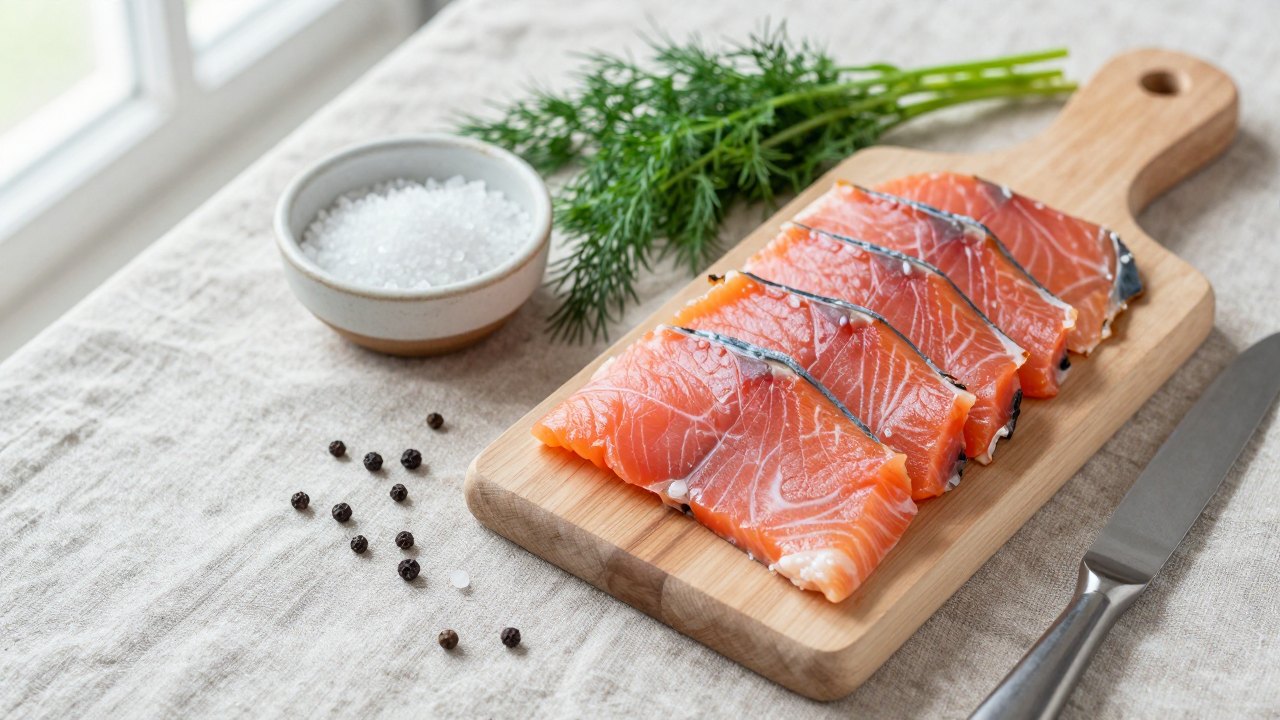
- Salting fish at home
- Hot and cold smoking fish
- Fish spreads and pâtés
6Module 6 — From your kitchen to your first customersA practical routine for costing, packaging and presenting what you make.3 lessons
- Recipe cards and calculating cost per batch
- Packaging, labelling and storage life
- Presenting and selling your products
What you get
- Step-by-step video lessons
Recorded demonstrations of every product in the programme.
- PDF recipe cards
Exact weights and temperatures you can print and keep in the kitchen.
- Lifetime access
Watch and rewatch the lessons whenever you need them.
- Future updates
New and revised materials are included without extra payment.
- Support and feedback
Questions about your batches are answered within the course.
- A closed community
Share results and ideas with others learning the same craft.
- A clear selling routine
A practical outline for costing, packaging and presenting your products.
- A 14-day refund window
If the course is not right for you, you can ask for your money back.
Is this course for you?
This course is for you if…
- You want to make meat and fish products at home and control exactly what goes in them
- You are a complete beginner and need clear steps rather than assumptions
- You do not have a professional workshop or expensive machines
- You enjoy cooking and want a repeatable result, not a lucky one
- You are thinking about making products for friends, local orders or a small side project
Probably not a fit if…
- You are looking for a quick way to make money without learning the craft
- You want a live, in-person workshop or one-to-one coaching
- You are vegetarian or do not wish to work with meat and fish
- You expect to master every technique in a single weekend
After the course
Once you have worked through the programme, your kitchen looks different. You know how to choose raw materials, how to weigh and measure, and how to bring a product to the right temperature safely. A cutlet mix, a cured cut or a batch of sausages is no longer an experiment.
You will have a small collection of tested recipes you can repeat, adjust and scale. When something goes wrong, you can work out why instead of starting over.
If you decide to go further, you will also have costed recipe cards and a plan for packaging and presenting your products. Whether you cook for your own family or begin to offer products to others, you will do it with a clear method behind you.
Questions before you buy
How much time do I need each week?
Plan on two to four hours a week. The videos are short, and most of the time goes on cooking in your own kitchen. You decide the pace and can pause between modules.
Do I need any experience?
No. The course starts from the basics and assumes only that you can cook simple meals. Each technique is shown step by step before the next one builds on it.
Do I need professional equipment?
No. The course is built around a normal home kitchen. The first module explains which tools are worth buying and which can be replaced with something you already own.
How does access work after payment?
Once your payment is confirmed, you receive access to the lessons straight away and can start with the first module. Nothing is released on a timetable.
What format are the lessons in?
Recorded video lessons with downloadable PDF recipe cards. You can watch on a computer, tablet or phone and print the cards for use in the kitchen.
Will the material stay available?
Yes. Access is for life, including later updates, so you can come back to any lesson whenever you need it.
What is the refund policy?
If the course is not what you expected, you can ask for a full refund within 14 days of purchase.
Can I use the recipes to make products for sale?
The final module shows how to cost, package and present your products. Rules for selling food differ from place to place, so check the requirements that apply where you live.
Start making your own craft products
Get the full video library and PDF recipes and make your first batch this week.