Business · All levels
Turn everyday treatments into service guests remember and return for
A practical video programme that shows beauty and spa specialists how to communicate, prevent conflicts and present their work with confidence.
- 6 modules, 20 lessons
- Self-paced video lessons
- Four-level service model
- Lifetime access
- 14-day refund
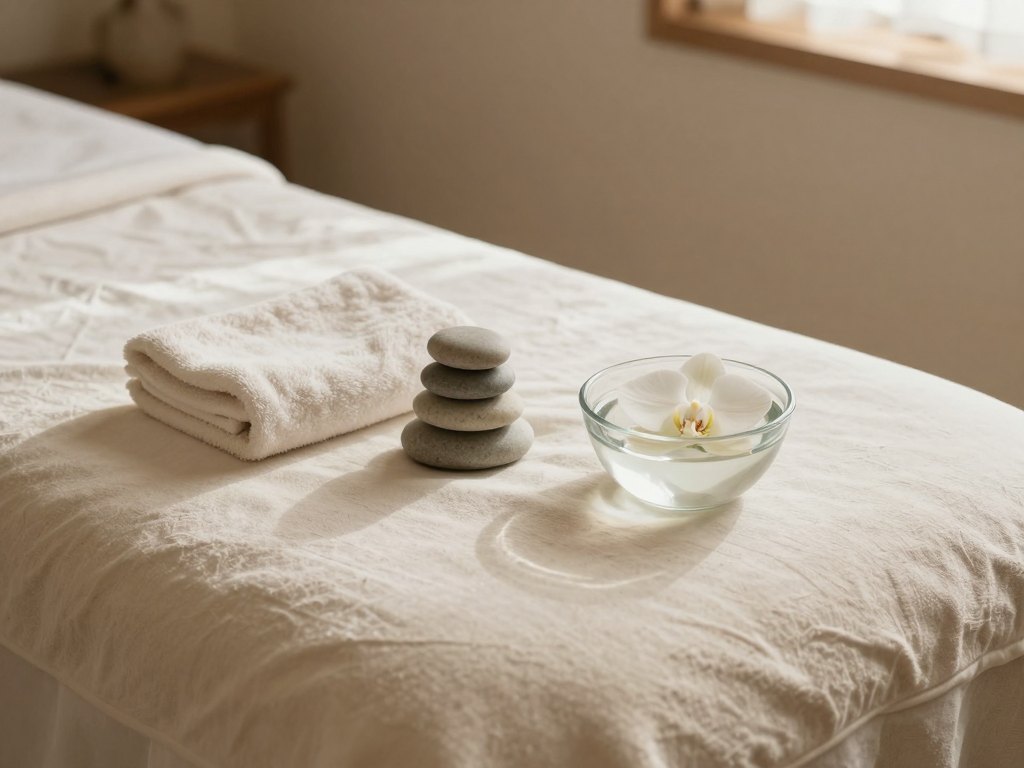
Service is more than tea and a polite smile
Most specialists in the beauty and wellness industry are trained to do the treatment itself: the massage technique, the procedure, the protocol. Very few are ever taught how to build the experience around it. Yet guests rarely leave because a treatment was technically wrong. They leave because they felt rushed, ignored, confused or awkward.
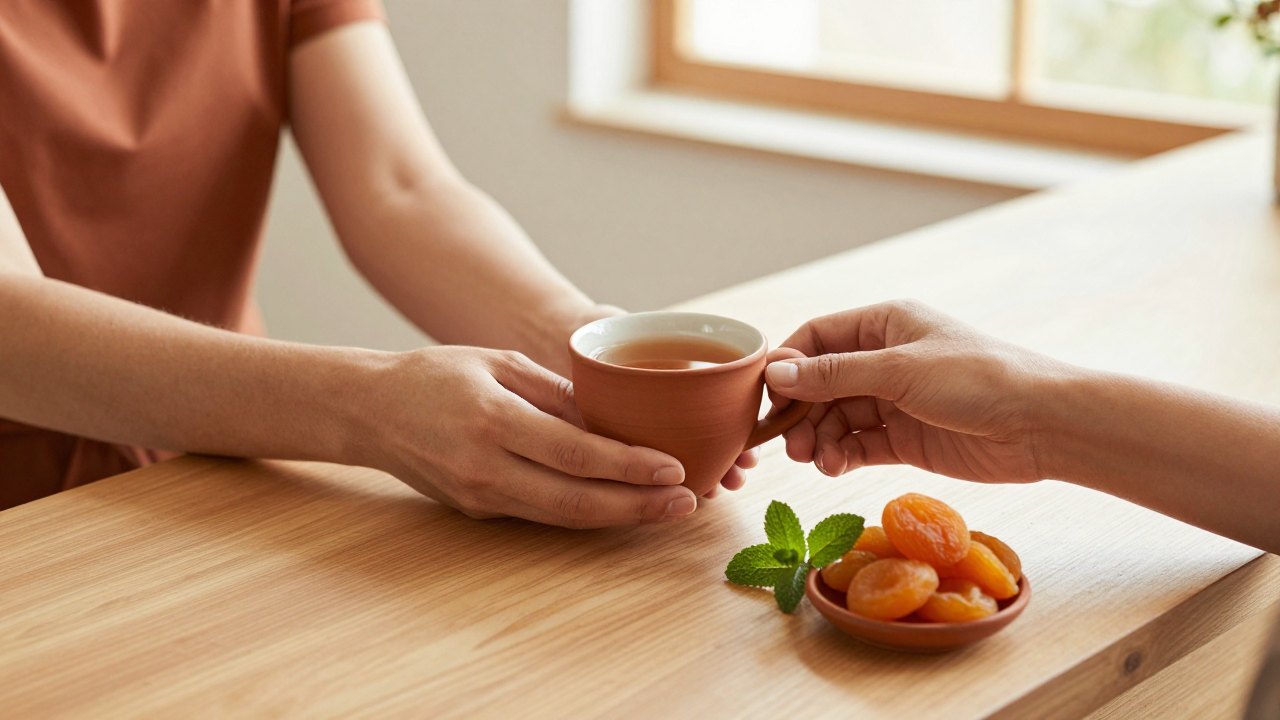
When service is treated as a duty that ends with a cup of tea and a routine smile, it shows. Guests notice the difference between a place that merely processes them and a place that seems to understand them before they have said a word. That difference decides who gets recommended, who gets rebooked and who gets asked for a discount.
This programme looks at service as a skill that can be learned and practised. It breaks service into clear levels, explains what each one requires and shows how a specialist working alone or in a team can raise the standard without extra budget.
You will move from reacting to guests to anticipating them, from improvising difficult conversations to preventing most of them, and from feeling shy about presenting your work to speaking about it clearly and calmly.
What you will be able to do
- Describe service on four levels
Basic, functional, emotional and predictive, and check where your practice stands today.
- Apply a simple service protocol
Use a repeatable sequence that guides each visit from greeting to farewell.
- Anticipate what a guest will want
Notice small signals and respond before the request is made.
- Personalise your communication
Adjust your tone, pace and wording to each guest.
- Read and use nonverbal signals
Understand body language and avoid awkward moments.
- Prevent conflicts before they start
Use service habits that remove the most common causes of friction.
- Handle a conflict that does happen
Choose a resolution method knowing its strengths and limits.
- Present yourself in two minutes or twenty
Explain who you are and what you offer in a way that builds trust.
- Plan a client day with a clear script
Involve the whole team and turn one event into word-of-mouth.
- 6
- modules
- 20
- video lessons
- 4
- levels of service explained
Who this programme speaks to
The lessons were created for people who work with guests directly: massage therapists, spa and beauty specialists, and the managers who shape how a studio or centre feels. Some of you work in a large spa, others rent a room and book every client yourselves.
What unites you is a practical question: how do I make people feel looked after in a way that is consistent, sincere and sustainable? The answer is rarely a bigger budget. It is usually a clearer structure and a handful of habits repeated every day.
Each topic is presented as a self-contained lesson, so you can follow the programme in order or return to the subject that matters most this week, whether that is a difficult conversation or the way you introduce yourself to new guests.
How the programme works
The programme is delivered as recorded video lessons that you watch at your own pace. There are no fixed class times, so you can fit a lesson between appointments or on a day off, and pause or replay any part.
The lessons move from the foundation, the levels of service and the service protocol, to the more advanced skills of anticipation, communication and conflict prevention. The last modules cover presenting yourself, organising a client event and the way your space and extra services support the experience.
Every lesson ends with a practical takeaway. We suggest you apply one idea at work within a day or two of watching it. Small changes tried on real guests teach more than any amount of theory, and you can watch the lesson again once you have real questions.
The programme
Six modules, twenty lessons, each focused on one practical skill.
1Module 1 — The foundations of serviceWhat service really is and how it is built.3 lessons
- Why service is not just tea and a smile
- The four levels: basic, functional, emotional, predictive
- The service protocol from the specialist's point of view
2Module 2 — Predictive serviceMeeting the guest's wishes at the moment they arise.3 lessons
- What separates five-star service from the rest
- Noticing the small signals guests give
- How a specialist influences the guest through high-level service skills
3Module 3 — Communication that makes guests feel safeComfortable, personal and respectful conversation.4 lessons
- Creating a comfortable atmosphere from the first minute
- Personalising communication for each guest
- Using nonverbal signals deliberately
- Avoiding awkward situations and protecting the guest's information comfort
4Module 4 — Conflict situations and service solutionsFrom resolving disputes to preventing them.3 lessons
- The main methods of resolving conflict and their trade-offs
- Why prevention is the best method
- Service habits that remove the most common causes of conflict
5Module 5 — Self-presentationSpeaking about yourself and your work with confidence.3 lessons
- The basics of professional communication
- Presenting yourself clearly in 120 minutes of focused practice
- Building loyalty and widening the range of services for existing guests
6Module 6 — Events, space and extra servicesThe setting around the treatment.4 lessons
- Planning a client day with full team involvement
- Writing a clear script for a memorable event
- Principles of workspace design, zoning and common mistakes
- Using complementary and additional services to raise loyalty and average spend
What you get
- 20 recorded video lessons
Organised in six modules that build on each other.
- Learning at your own pace
Watch, pause and replay whenever you like.
- Practical takeaways
Each lesson ends with something you can try with your next guest.
- Access on any device
Study on a phone, tablet or computer.
- Lasting access
The lessons stay available so you can return to them.
- 14-day refund
If the programme is not right for you, ask for your money back within 14 days.
Is this programme for you?
This course is for you if…
- Massage therapists and body specialists who want guests to rebook and recommend them
- Beauty and spa professionals who want a clearer service standard
- Studio and centre managers who want to train a team on service
- Specialists who feel uneasy about difficult conversations or self-presentation
- Anyone starting a private practice who wants good habits from the beginning
Probably not a fit if…
- People looking for hands-on treatment techniques or medical training
- Those who want a one-to-one consultation about their own business
- Anyone expecting a guaranteed rise in income without changing daily habits
After the programme
You will look at each visit as a sequence of moments you can shape, from the greeting and the way you explain the treatment to the farewell and the way the guest is invited back.
Conversations that used to feel risky become easier because you know the methods, understand how prevention works and can recognise early what a guest is starting to feel.
You will also have words for what you do. Introducing yourself, describing a new service or presenting an event stops being a source of tension and becomes part of the service itself.
The result is a way of working that is consistent and calm, and that guests are likely to remember and talk about.
Questions before you buy
How much time do I need each week?
There is no schedule to keep. Many learners watch two or three lessons a week and spend a little time applying the ideas at work. You can go faster or slower.
Do I need any previous experience?
No special background is required. The lessons suit both beginners and experienced specialists, and some ideas will be familiar to you if you already manage guests.
How does access work after payment?
After payment you receive access to the lessons through your account, so you can start straight away on any device.
What is the refund policy?
You can request a full refund within 14 days of purchase if the programme does not meet your expectations.
What format are the lessons in?
They are recorded video lessons with practical explanations and examples. You can pause, rewind and rewatch any lesson.
Will the material stay available?
Yes. The lessons remain in your account so you can return to them whenever you need a refresher.
Is this about massage techniques?
No. The programme is about service, communication and the business setting around your work, not treatment methods.
Can I use it to train my team?
The programme is sold for individual learners. You are welcome to apply the ideas in your own practice and share what you learn through your own work.
Start improving your service today
Six modules, twenty lessons and a 14-day refund window.