Cooking · All levels
Understand cheese itself instead of repeating other people's recipes
A growing video library from a working craft creamery that explains the technology behind fresh, washed-rind, blue, stretched and hard cheeses.
- Dozens of hours of video
- Footage from a real creamery
- Basics module for beginners
- Mistakes analysed openly
- 14-day refund
Why recipes alone let you down
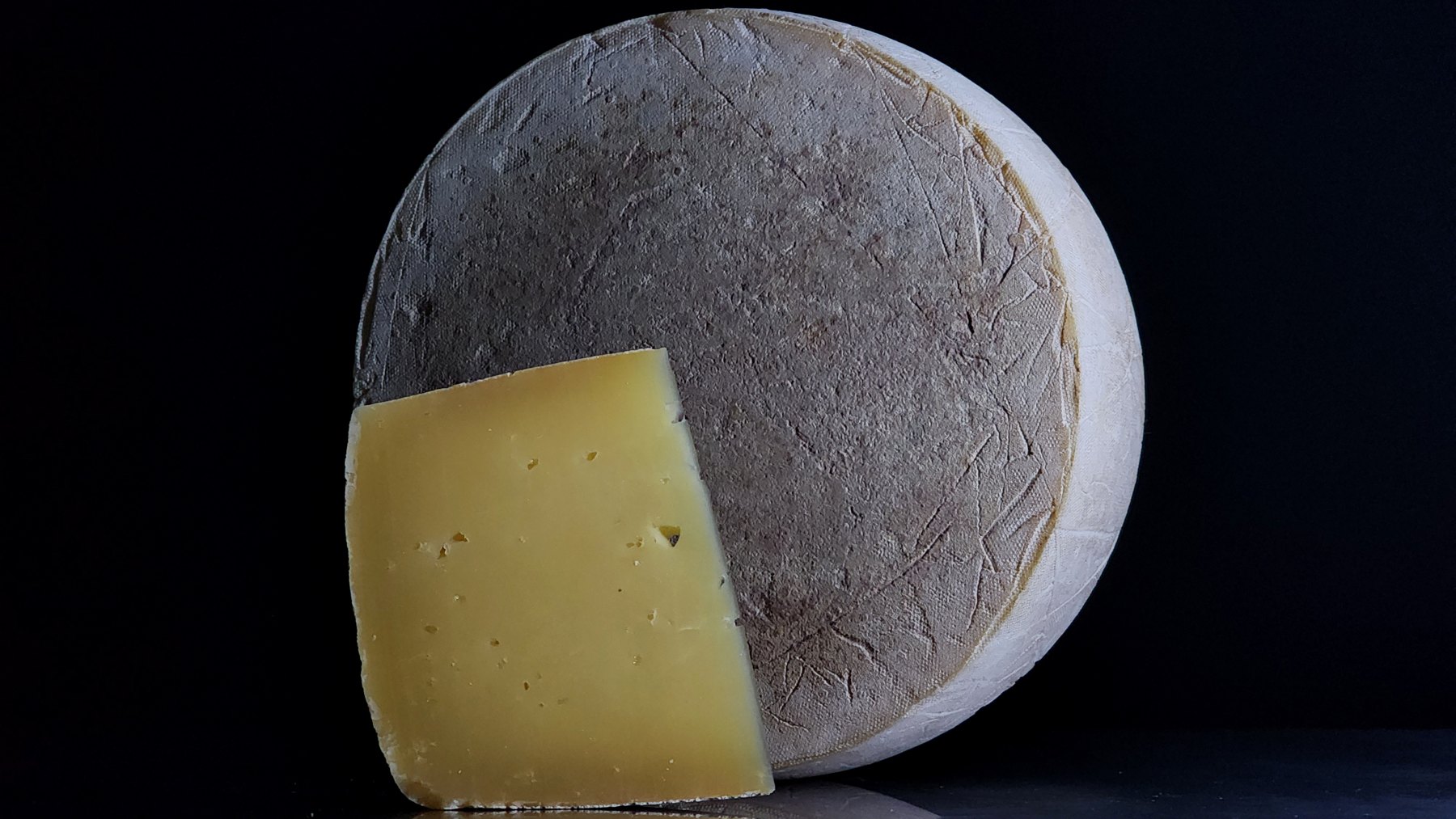
Most people start making cheese with a recipe: heat the milk to this temperature, add this much culture, wait this long. It works once, sometimes twice. Then the milk changes with the season, the kitchen is warmer than usual, and the same steps give a cheese that is rubbery, bitter or simply different.
The reason is that a recipe tells you what to do but not why. Without understanding what the cultures are doing, how acidity develops and what happens to the curd when it is cut, stirred and pressed, you cannot tell which step went wrong. You end up searching for yet another recipe with a slightly different name.
This course takes the opposite approach. Instead of a thousand similar lessons, it builds an understanding of the technology. Once you know how the process works, you can approach almost any cheese and decide for yourself what to change.
The material comes from a working craft creamery. You see real batches, real mistakes and real ageing rooms, not a polished demonstration made only for the camera.
What you will be able to do
- Judge milk for cheesemaking
Understand how its composition and quality affect the curd and the finished cheese.
- Choose cultures and rennet with purpose
Know what each ingredient does instead of following quantities blindly.
- Track acidity and pH through a batch
Read what the milk and curd are telling you at each stage.
- Make young cheeses with confidence
Prepare Primo Sale, Halloumi, Stracchino and Ricotta.
- Work with washed rinds and surface flora
Care for the rind of cheeses such as Taleggio and manage the microflora.
- Understand blue cheese production
Follow flocculation, milk standardisation, moulding, piercing and ripening.
- Handle stretched-curd cheeses
Compare classic and acid-based methods for Mozzarella, Burrata and Stracciatella.
- Plan hard cheeses and diagnose failures
Connect milk biochemistry, grain size and standardisation with the result in a cheese like Asiago.
- Analyse your own batches
Find the cause of a defect and decide what to change next time.
- 6
- modules
- 24
- lessons in the programme
- Dozens of hours
- of video in the library
- 4
- cheese families covered in depth
Learning from real production
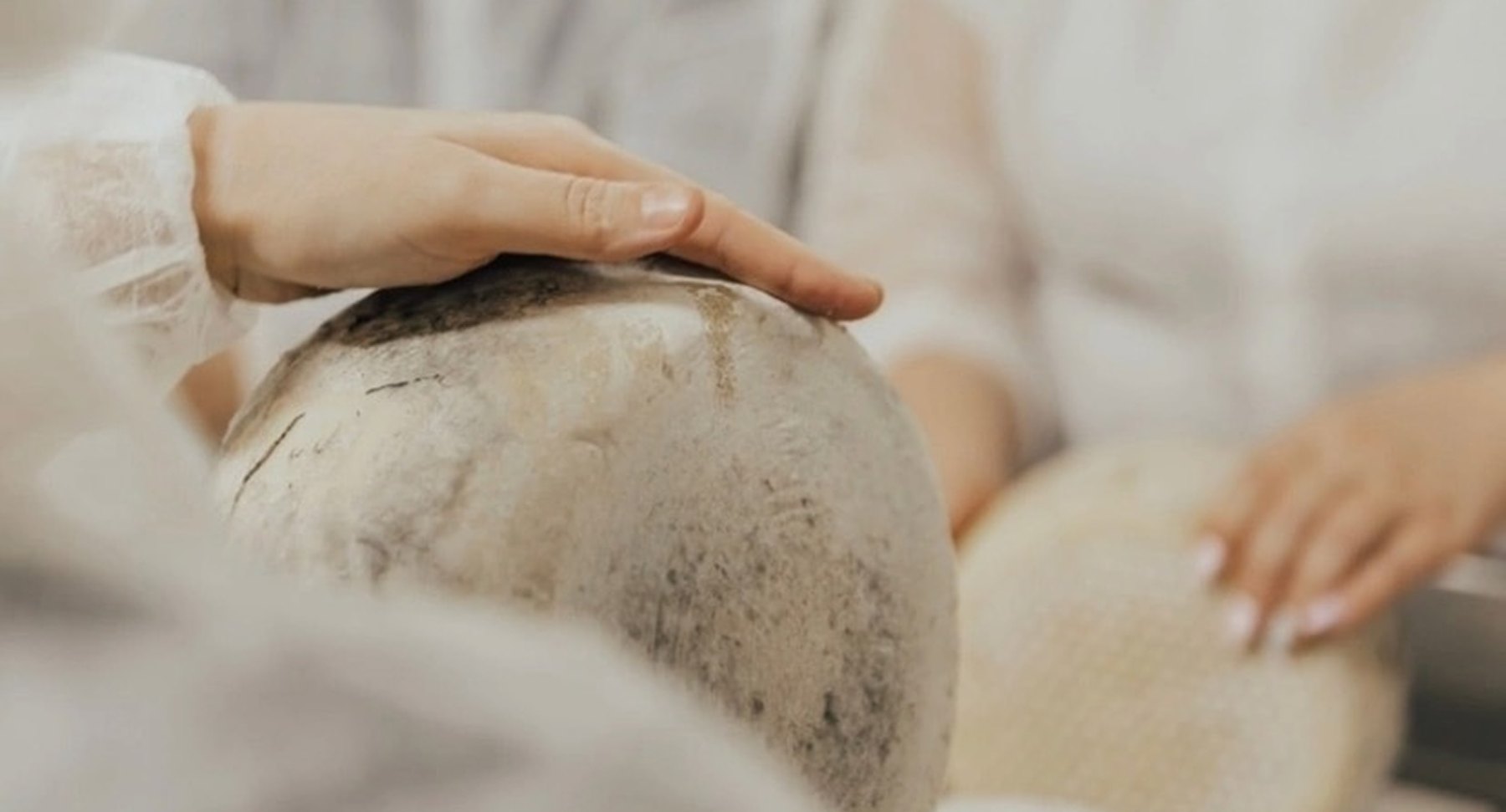
The lessons are built around footage from a working creamery: moulding, piercing, washing rinds, turning wheels and checking the ageing room. Seeing a batch from the vat to the shelf shows what no written recipe can.
Mistakes are part of the method. You will watch batches that went wrong, hear what the cheesemaker noticed and learn how the cause was found. That habit of analysis is what lets you solve problems in your own kitchen or workshop.
- Real footage rather than staged demonstrations
- Batch analysis and work on mistakes
- Observations of cheeses as they ripen
- Experiments and production errors shown openly
How the course works
The course is a library of video lessons organised by topic. It begins with a foundation module for newcomers and then moves through one large cheese theme at a time: a semi-soft aged cheese, a washed-rind cheese, a blue cheese, stretched-curd cheeses and hard cheeses.
Each theme combines technology, footage from production, ripening and care, and the wider culture around the cheese. That includes how it is made around the world, how it is presented and packed, and how small producers and cheese shops work with it.
You study at your own pace. Some people watch one module a week and make a cheese alongside it; others go through a theme in a weekend and return to the lessons later. Questions from other participants are answered in the lessons, so you also learn from problems you have not yet met.
The programme
Six modules, from the basics of milk and cultures to the technology of hard cheeses.
1Module 1 — Foundations of cheesemakingThe building blocks every cheese depends on, finishing with your first young cheeses.4 lessons
- Milk: composition, quality and what it means for the curd
- Starter cultures and rennet: what they do and how to choose
- Acidity, pH and salting explained
- Young cheeses: Primo Sale, Halloumi, Stracchino and Ricotta
2Module 2 — A semi-soft aged cheese in the Mahón styleTechnology and ripening of a classic, with footage from the creamery.4 lessons
- Technology of the cheese step by step
- Ripening and home affinage
- Production footage: reviewing batches and fixing mistakes
- History and culture of European cheeses
3Module 3 — Washed-rind cheeses in the Taleggio styleWorking with surface microflora on cow and goat milk.4 lessons
- Taleggio technology on cow and goat milk
- Washing the rind and managing microflora
- Rind care and maintenance during ripening
- Presentation, packaging and selling craft cheese
4Module 4 — Blue cheese in the Stilton styleA full module on one of the most demanding cheese families.4 lessons
- Technology: flocculation and milk standardisation
- Moulding, piercing and common errors from production
- Ripening blue cheeses and the original Stilton
- Blue cheese around the world, cheese shops and farms
5Module 5 — Stretched-curd cheesesMozzarella, Burrata, Stracciatella and their relatives.4 lessons
- Mozzarella, Burrata and Stracciatella technology
- Classic method versus acid-based method
- Working with goat and cow milk
- Suluguni, Caciocavallo and braided cheese from thin strands
6Module 6 — Hard cheesesWhy hard cheese depends on understanding milk biochemistry and curd.4 lessons
- Step-by-step lesson on making Asiago
- Milk biochemistry, grain size and standardisation
- What goes wrong with Parmesan-style cheese and why
- Hard cheese practice from cheesemakers around the world
What you get
- Dozens of hours of video
A library built around technology, not repeated recipes.
- Footage from a working creamery
Moulding, piercing, rind care and ageing shown as they happen.
- A foundation module for beginners
Milk, cultures, rennet, pH, salting and first young cheeses.
- Answers to participants' questions
Real problems from other learners, explained in detail.
- Mistake and batch analysis
See what went wrong and how the cause was identified.
- Worldwide cheesemaking practice
Techniques and traditions from cheesemakers in other countries.
- Material on presentation and sales
Serving, packing and displaying craft cheese.
- Lasting access to the lessons
Return to any lesson whenever you need it.
Is this course for you?
This course is for you if…
- You are a beginner who wants to understand why steps matter, not only follow them.
- You make cheese at home and your results vary from batch to batch.
- You run or plan a small farm or craft creamery and want a technology-first view.
- You enjoy European and world cheese culture and want to know how it is made.
- You are tired of recipes that fail and cannot tell why.
Probably not a fit if…
- You want a single quick recipe and no theory.
- You are looking for one-to-one coaching or live, in-person workshops.
- You expect a guaranteed business result from watching lessons.
- You do not plan to try any of the techniques in practice.
After the course
Afterwards, a new cheese is no longer a mystery. You read a recipe and see what each step is for, which parts can be adjusted and which cannot. When a batch turns out too acidic, too dry or simply odd, you have a list of likely causes and know how to check them.
You are also more at home in the wider world of cheese: how washed rinds are cared for, why blue cheeses are pierced, what separates classic and acid-based stretched curd, and how a hard cheese is shaped by the biochemistry of the milk.
Most importantly, you have a way of thinking that you can apply to any new cheese you want to try, whether in your kitchen or in a small production space.
Questions before you buy
How much time do I need each week?
It is up to you. Many learners spend two to four hours a week watching lessons and practising, but there is no timetable. You can go slower during busy periods and faster when you have time to make cheese.
Do I need any experience or special equipment?
No prior experience is needed. The foundation module covers milk, cultures, rennet, pH and salting from the start. Basic kitchen equipment is enough for the young cheeses, and later modules show what more serious production requires.
How does access work after I pay?
You get access to the lessons right after payment and can start immediately. The course is self-paced, so you decide when to watch each lesson.
What is your refund policy?
You can ask for a refund within 14 days of purchase. If the course is not what you expected, contact us during that period and we will return your payment.
What format are the lessons in?
The lessons are recorded video, including footage from a working creamery, supported by explanations of the technology behind each cheese.
Will the material stay available?
Yes. The lessons remain available to you, so you can return to a module when you begin making that style of cheese.
Can I make cheese with the milk I can buy locally?
The lessons explain how milk composition and quality affect the result, so you can judge your own milk and adapt. Cow and goat milk are both discussed.
Is this only about recipes?
No. Recipes are included, but the aim is to teach the technology behind them so you can make informed changes and diagnose problems on your own.
Start understanding your cheese
Begin with the foundations and build up to blue, stretched and hard cheeses at your own pace.